

Grand Turk
Grand Turk, the historic and administrative heart of the Turks and Caicos Islands, offers a blend of heritage and relaxed island charm. The small capital of Cockburn Town is lined with 18th- and 19th-century colonial buildings, pastel-colored cottages, and narrow streets that reflect the island’s ties to the salt trade and British colonial past.
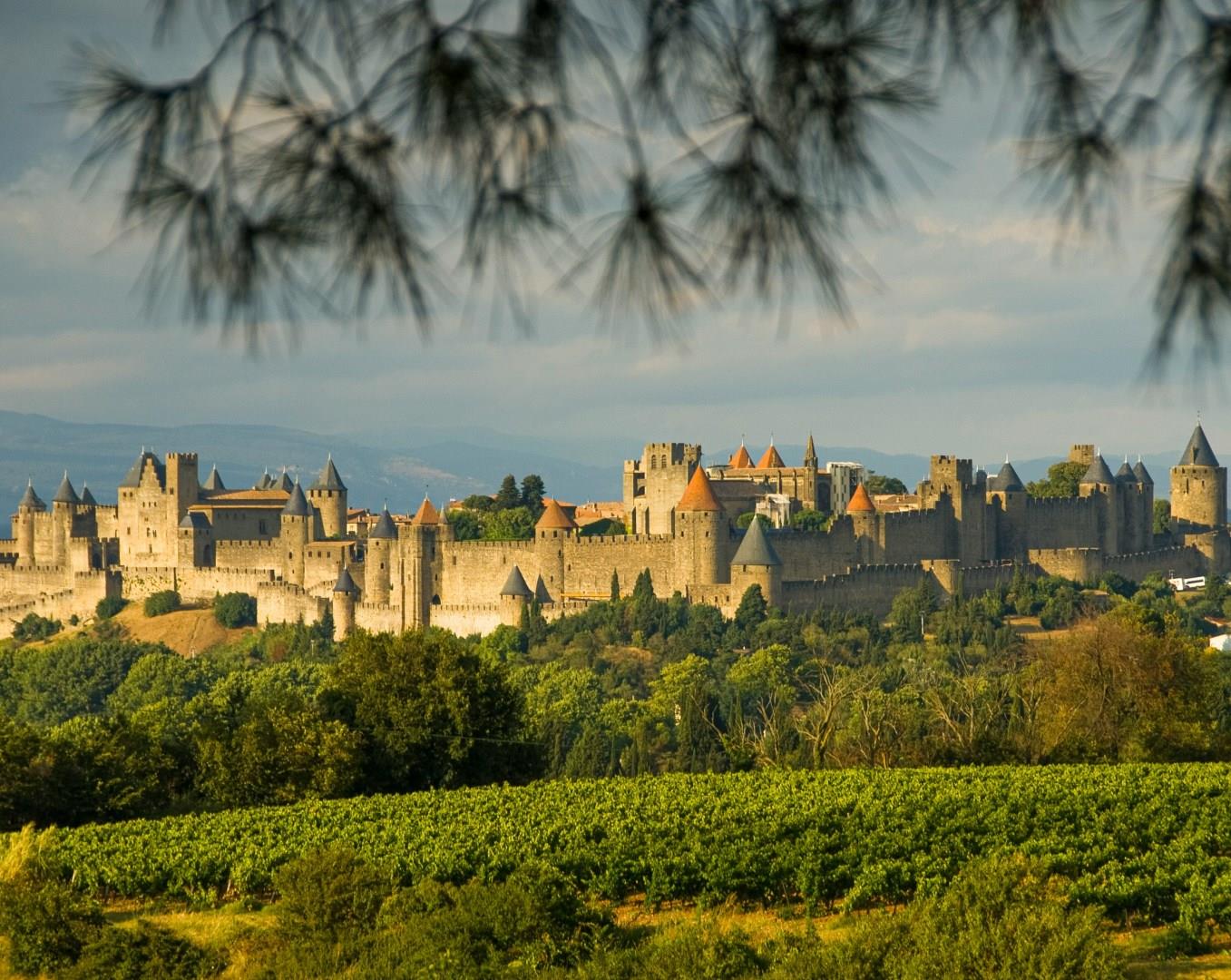
Carcassonne
Carcassonne is a fortified city in southern France, rising above the Aude River with walls and towers that feel lifted from another century. Its origins stretch back to Roman times, but the city is best known for its medieval citadel, rebuilt and expanded during the Middle Ages when Carcassonne became a strategic stronghold on key trade and military routes.
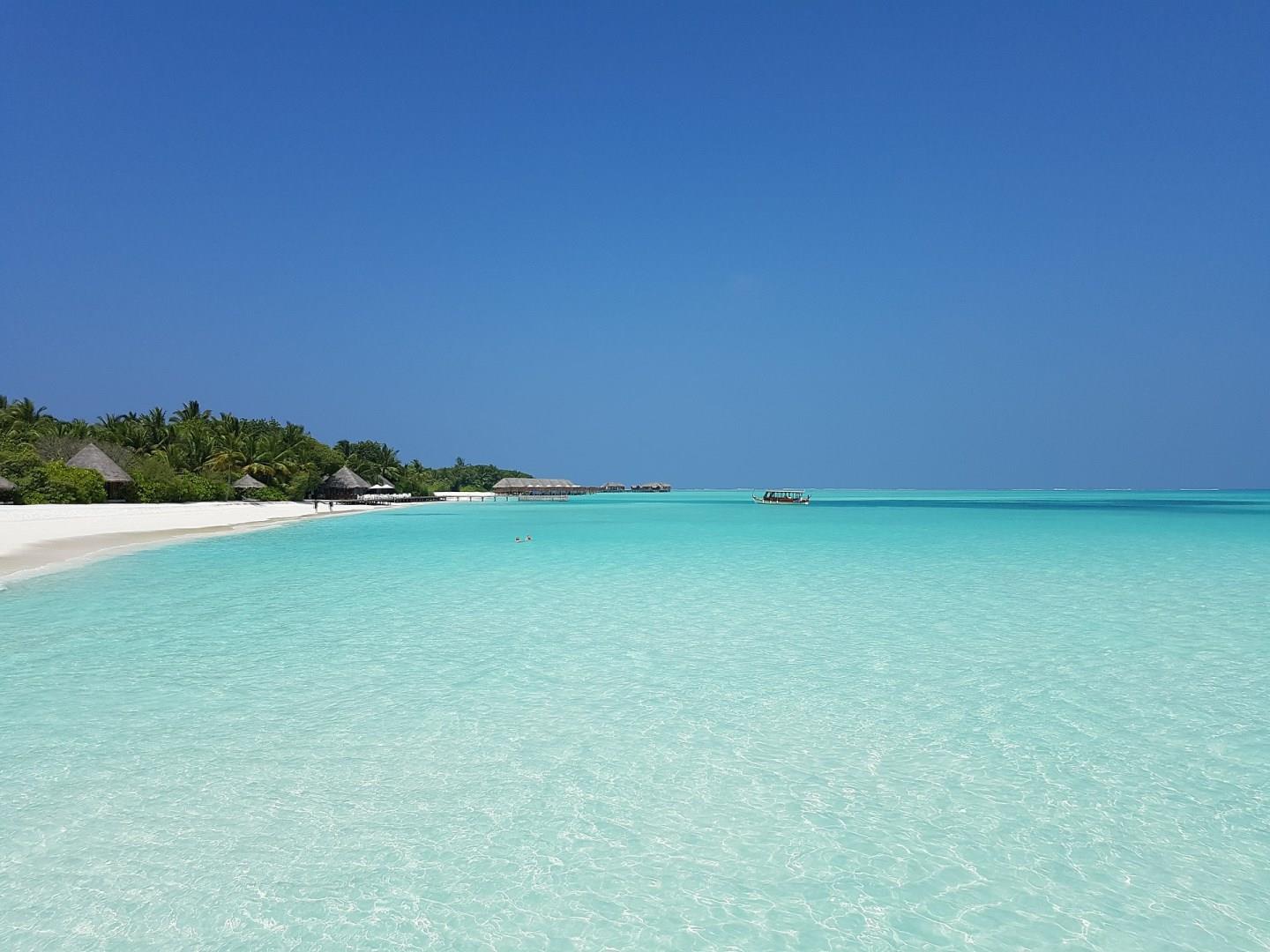
Maldives
The Maldives, a nation of islands scattered across the Indian Ocean, is known for its dazzling turquoise waters, white-sand beaches, and vibrant coral reefs. Stretching across 26 atolls, this tropical paradise is often described as one of the most beautiful places on Earth.
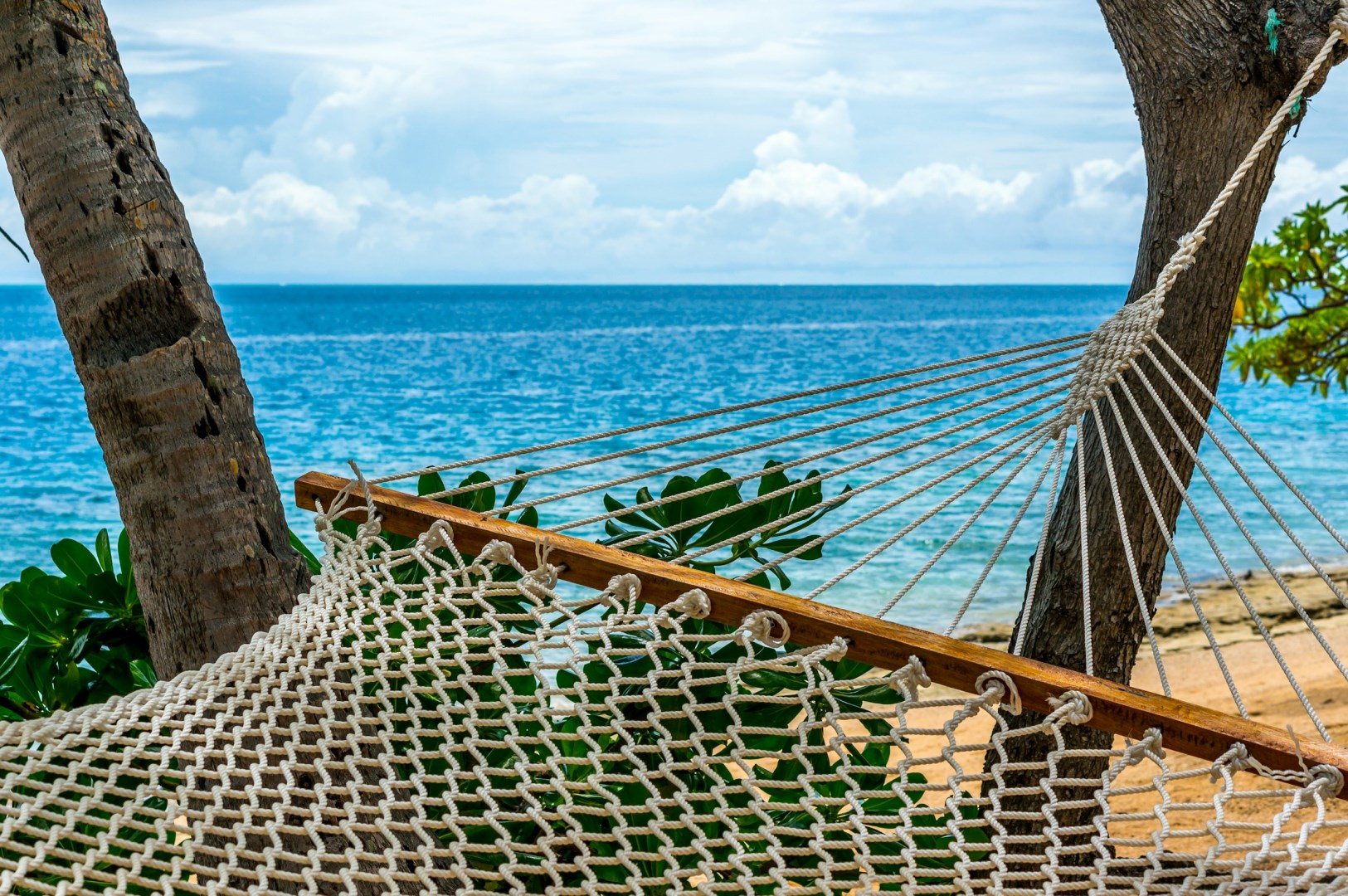
Malolo Island
Set among Fiji’s Mamanuca Islands, Malolo Island combines a lush, hilly interior with palm-fringed beaches, clear lagoons, and coral-rich waters. Visitors can spend their days swimming, snorkelling, kayaking, or sailing before settling into the island’s unhurried pace.
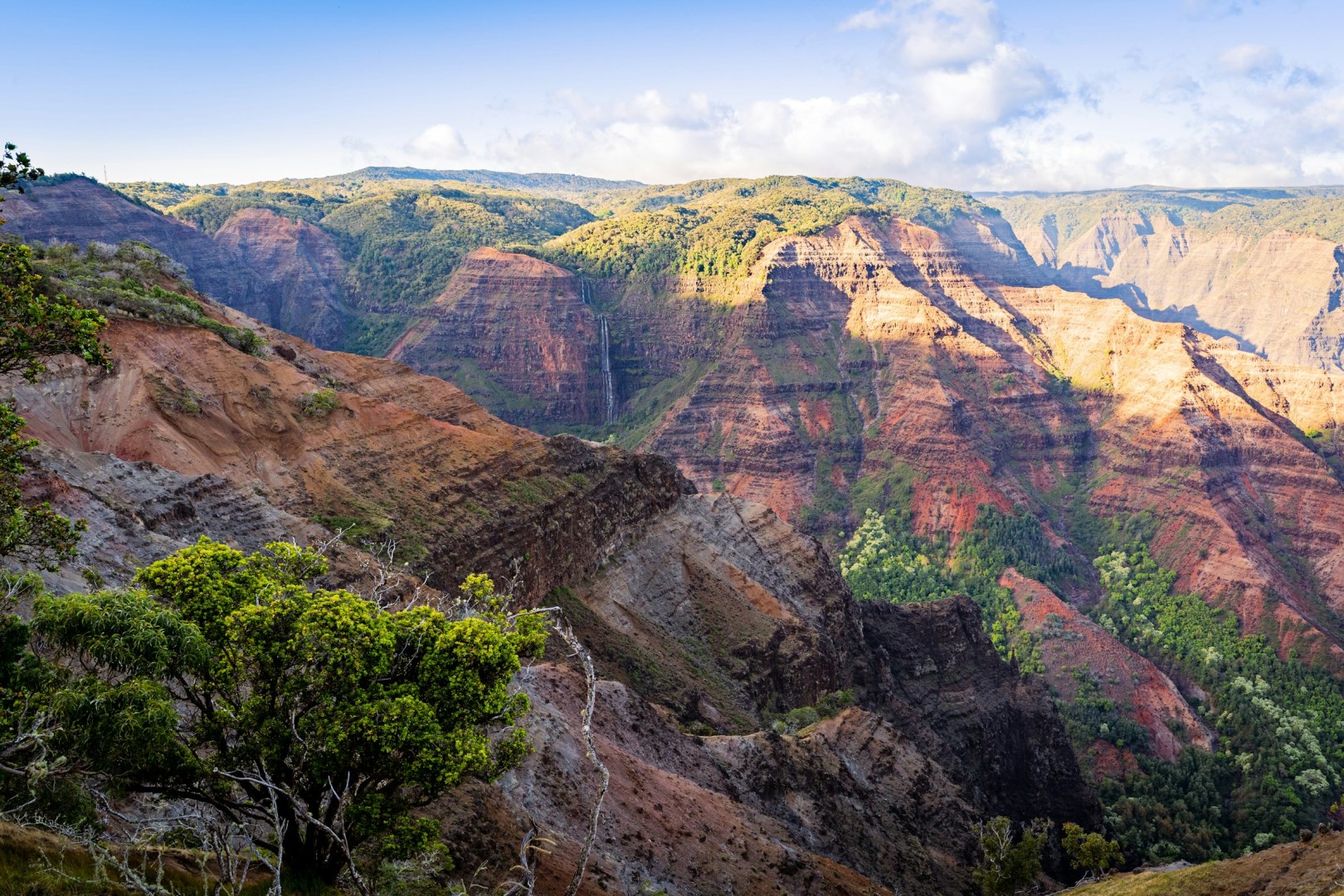
Waimea Canyon, Kauai
The Canyon valleys of the Waimea River and its tributary were once heavily populated, and the town was an early center of native government. It was here that Captain James Cook, English Navigator-Explorer, made his first landing in the Hawaiian Islands on January 20, 1778. Waimea developed as a provisioning port for whalers and sandalwood traders. A ruined Russian fort, built (1815) in a futile attempt to seize the isle, occupies a coastal bluff aboe the Waimea River. A rich sugar-plantation
