Cape Perpetua
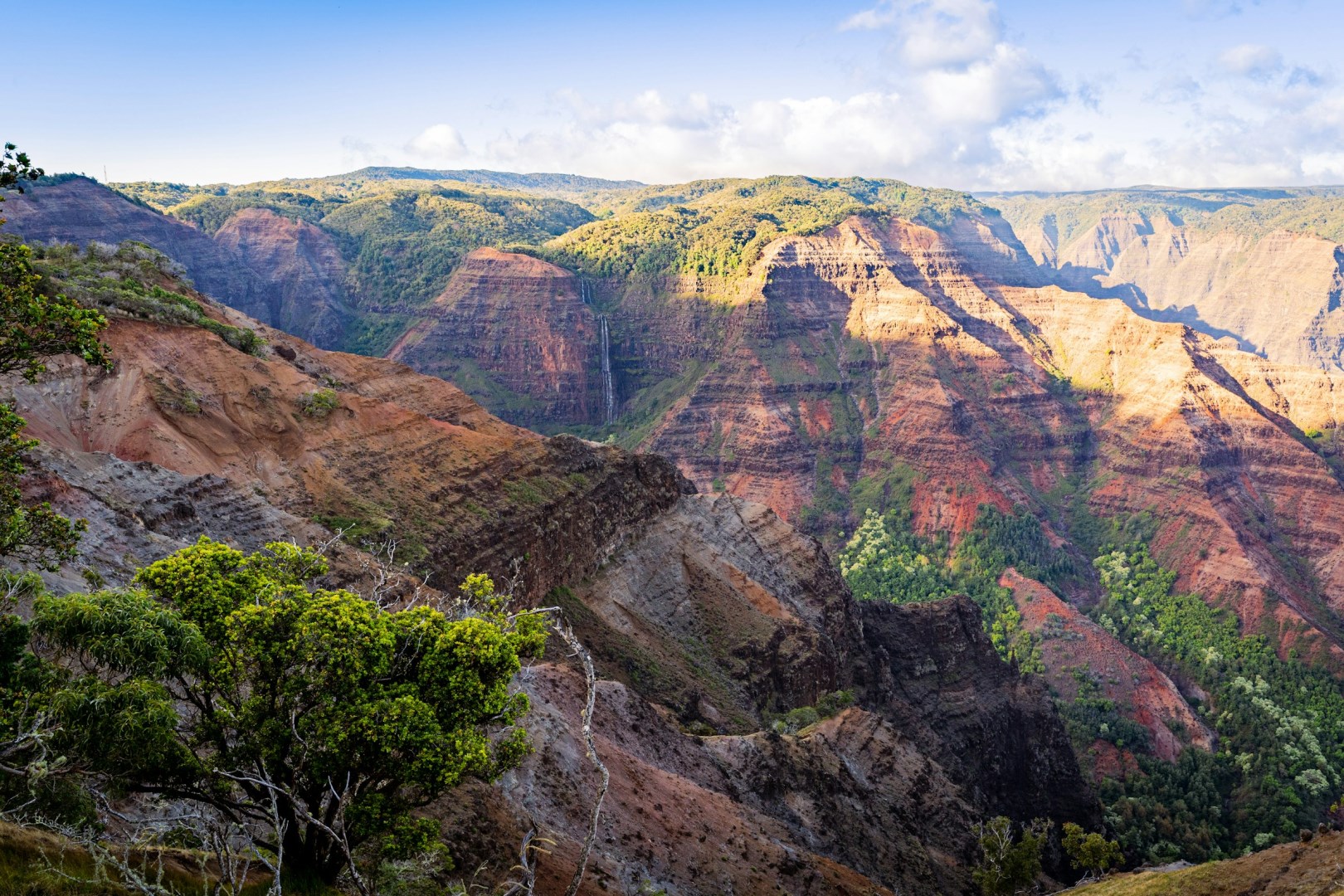
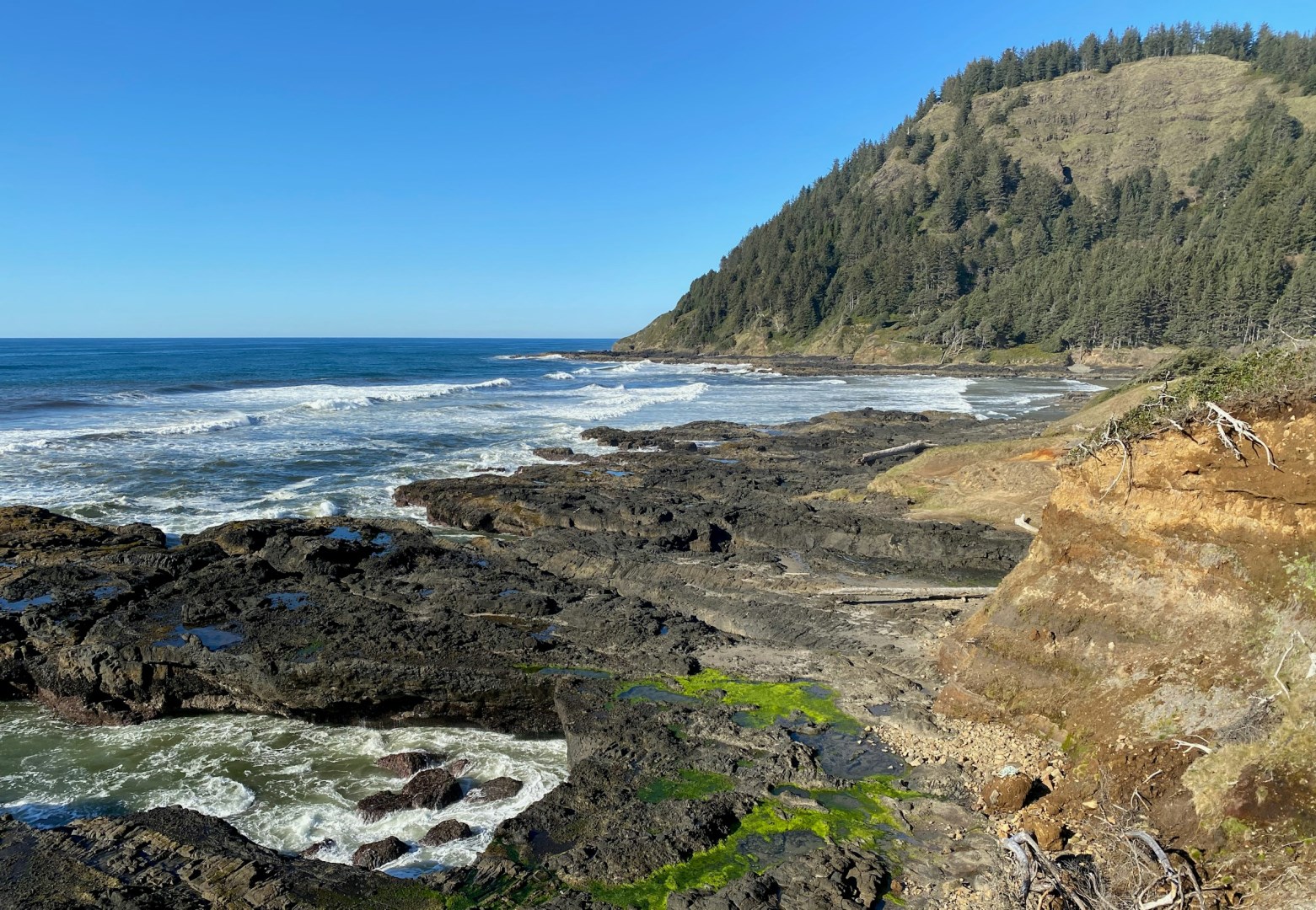
Cape Perpetua is a rugged headland on the central Oregon Coast, rising above the Pacific Ocean south of Yachats. The area is part of the Siuslaw National Forest and combines dense coastal forest with steep cliffs, rocky beaches, tide pools, and open ocean views.
Tristan da Cunha
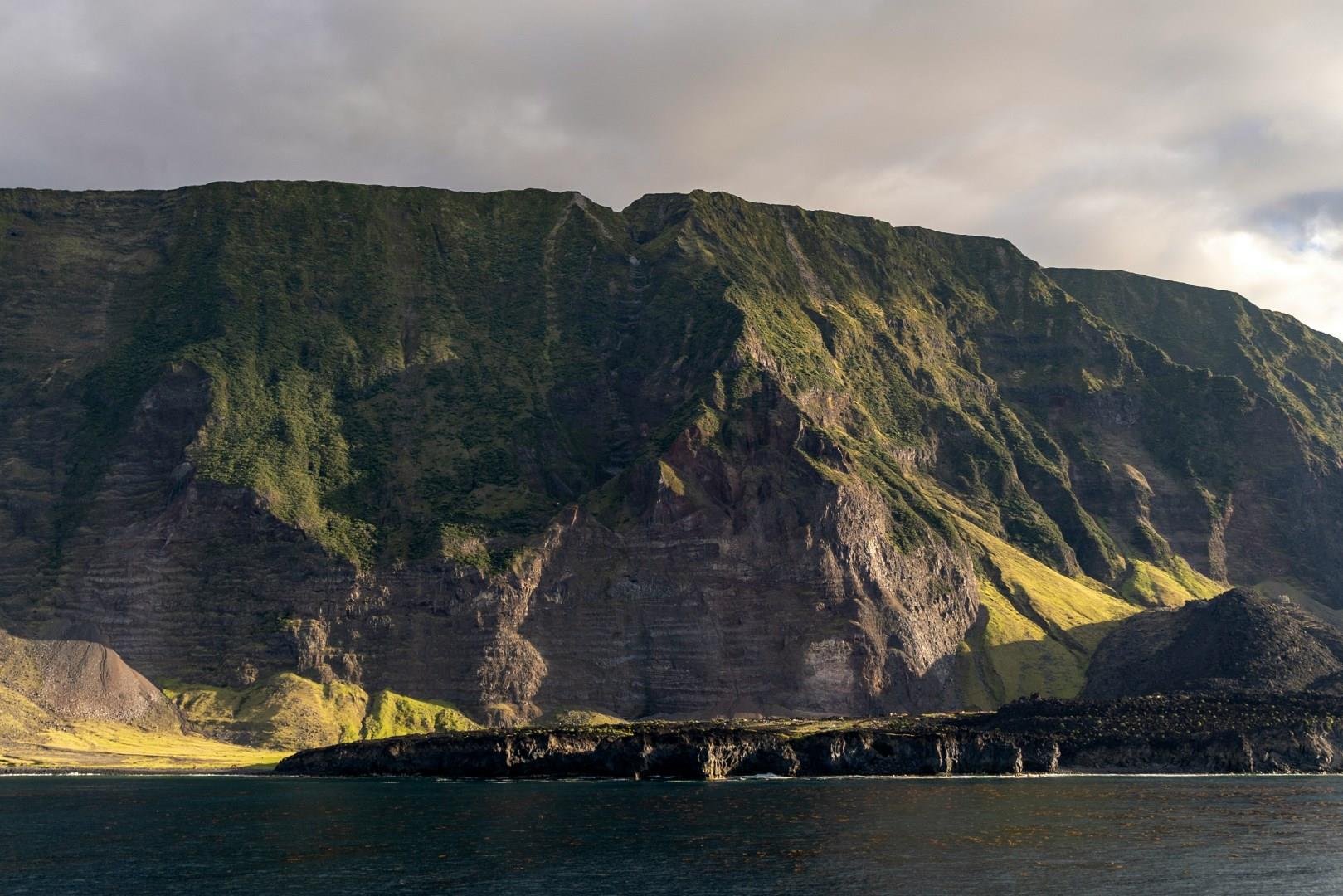
Tristan da Cunha is a remote volcanic island in the South Atlantic Ocean, forming part of a small archipelago along with Inaccessible Island and Nightingale Island. Known as the most isolated inhabited island in the world, it is accessible only by a week-long boat journey from South Africa.

Lake Titicaca
Lake Titicaca, perched at over 3,800 meters above sea level, is the highest navigable lake in the world and a place where ancient stories still echo across the water. Shared by Bolivia and Peru, this lake has long been considered sacred by the Andean peoples. According to Inca legend, it was from Titicaca’s deep blue waters that the first humans were created. Today, the lake remains a center of cultural tradition, spiritual significance, and daily life for many who live along its shores.

Cinque Terre
Cinque Terre, a UNESCO World Heritage Site, is a slice of Italian paradise nestled along the rugged Ligurian coast. This collection of five fishing villages—Monterosso, Vernazza, Corniglia, Manarola, and Riomaggiore—offers visitors a breathtaking landscape of pastel-colored homes perched on cliffs overlooking the Mediterranean.
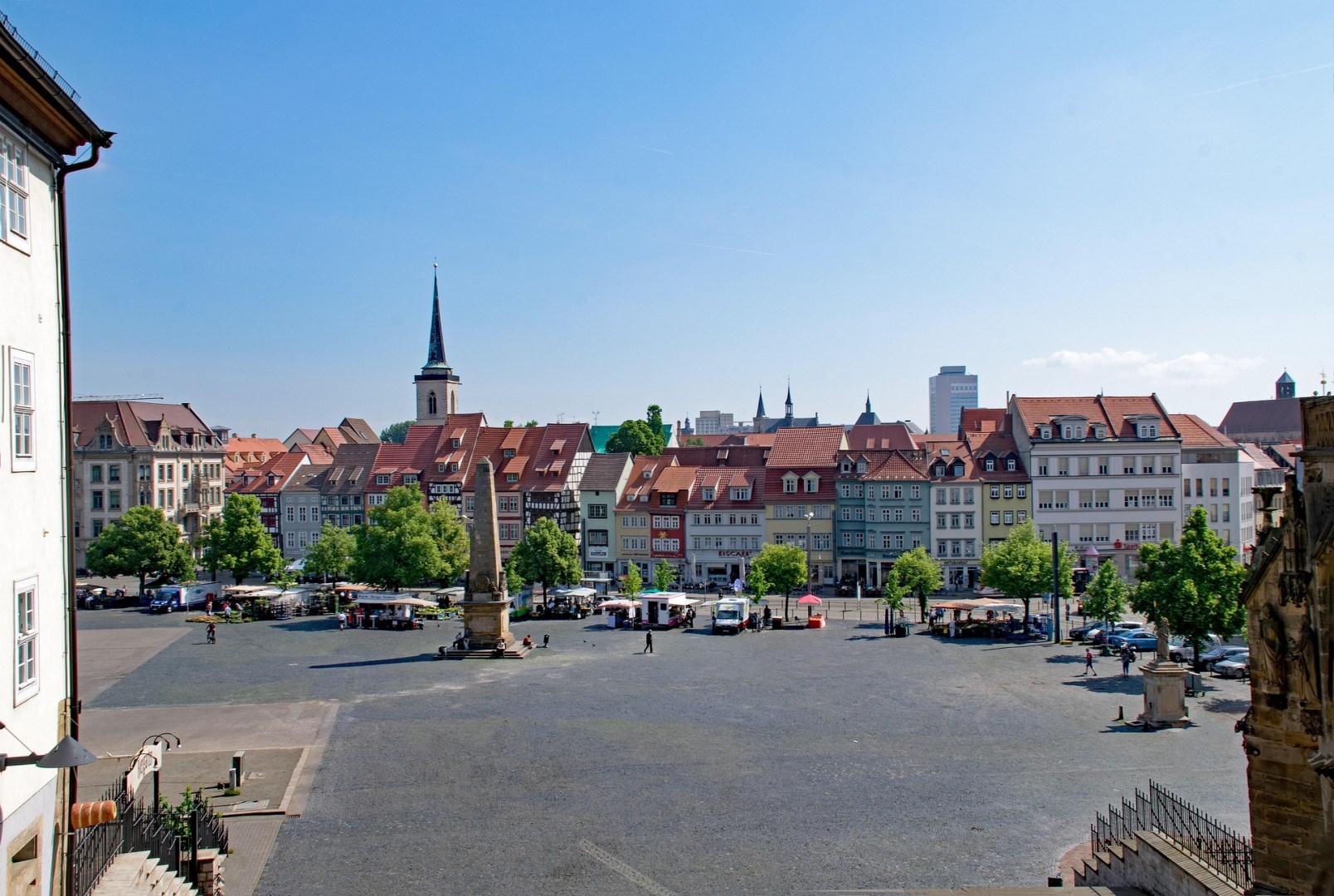
Erfurt
The skyline of Erfurt is shaped by dozens of churches, monasteries, and convents thrusting their pointed steeples upward to the sky. In the Middle Ages, Erfurt was known as "Thuringian Rome" because of its religious orders. The impressive twin churches on the Domberg (Cathedral Hill), the Roman Catholic St. Mary's Cathedral (14th century) and the Roman Catholic Parish church St. Severus with a flight of 70 outdoor steps leading from the Cathedral Square up the hill to the churches.