

Berlin
Berlin has an undeniable history. The horrors of World War II, division, reunification, revolution all profoundly impacted the city in the 20th century. Today, visitors will find a sophisticated, high-energy city with endless cultural, architectural and gastronomic attractions.

Philipsburg
The capital of Saint Maarten, the Dutch side of this two nation island, Philipsburg is located on the isthmus between Groot Baai (Great Bay) and the Salt Pond. Founded in 1733 as a free port, the city is now the home to outstanding shopping, casinos, and a variety of hotels and resorts, including nearby Mullet Bay Resort and Golf Club.

Seattle
Seattle is a city shaped by water, mountains, and innovation. Its skyline, dominated by the Space Needle, tells only part of the story. Beneath it lies a vibrant mix of neighborhoods, each with its own character. Seattle was the birthplace of grunge music and remains a stronghold for independent arts. The Museum of Pop Culture (MoPOP), located at the Seattle Center, celebrates the city’s creative spirit with exhibits on everything from Nirvana and Jimi Hendrix to science fiction and gaming.
Palawan Island
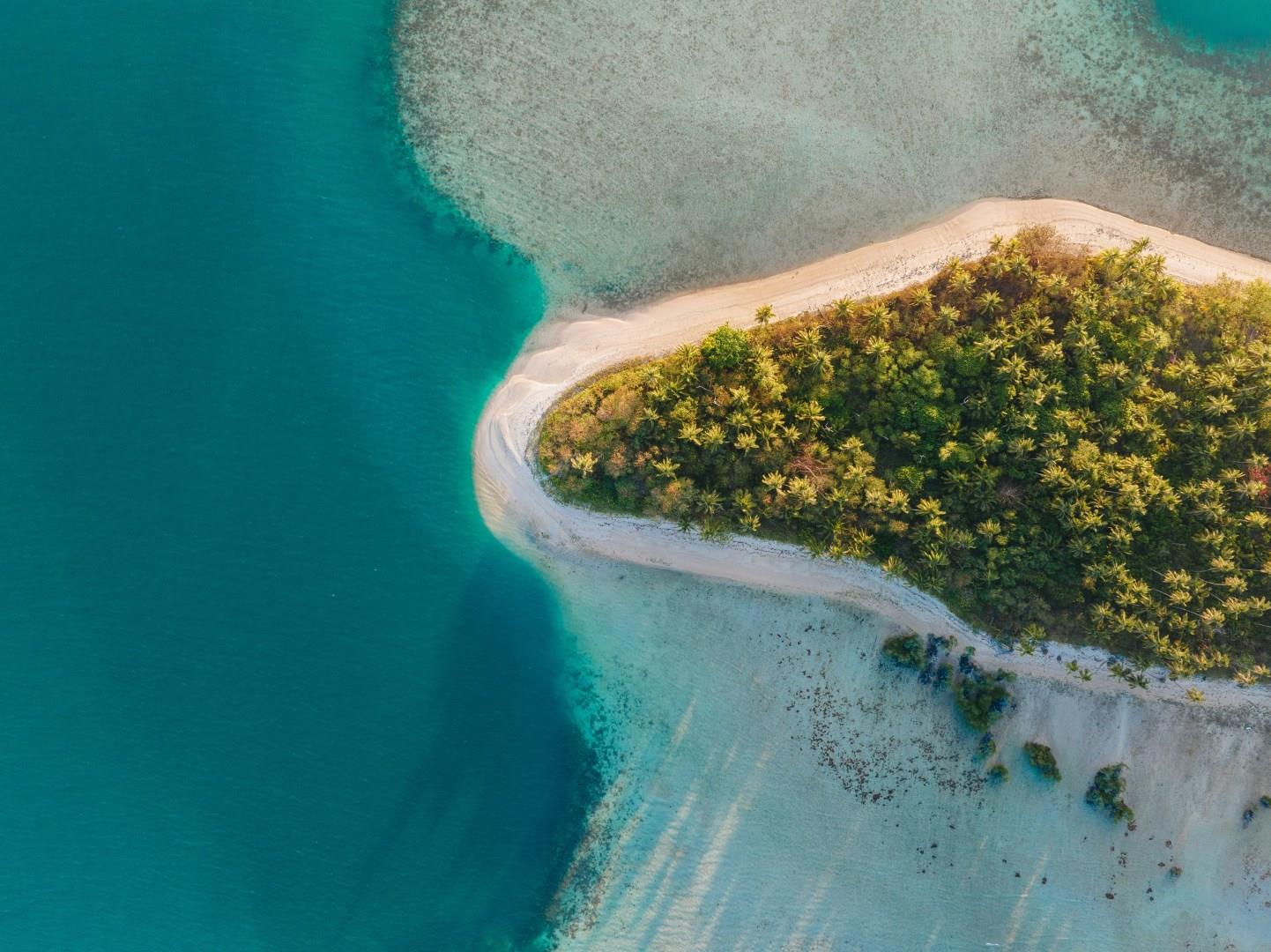
Palawan Island stretches along the western edge of the Philippines, shaped by seafaring routes, Indigenous cultures, and relative isolation from the country’s major urban centers.
Portugal
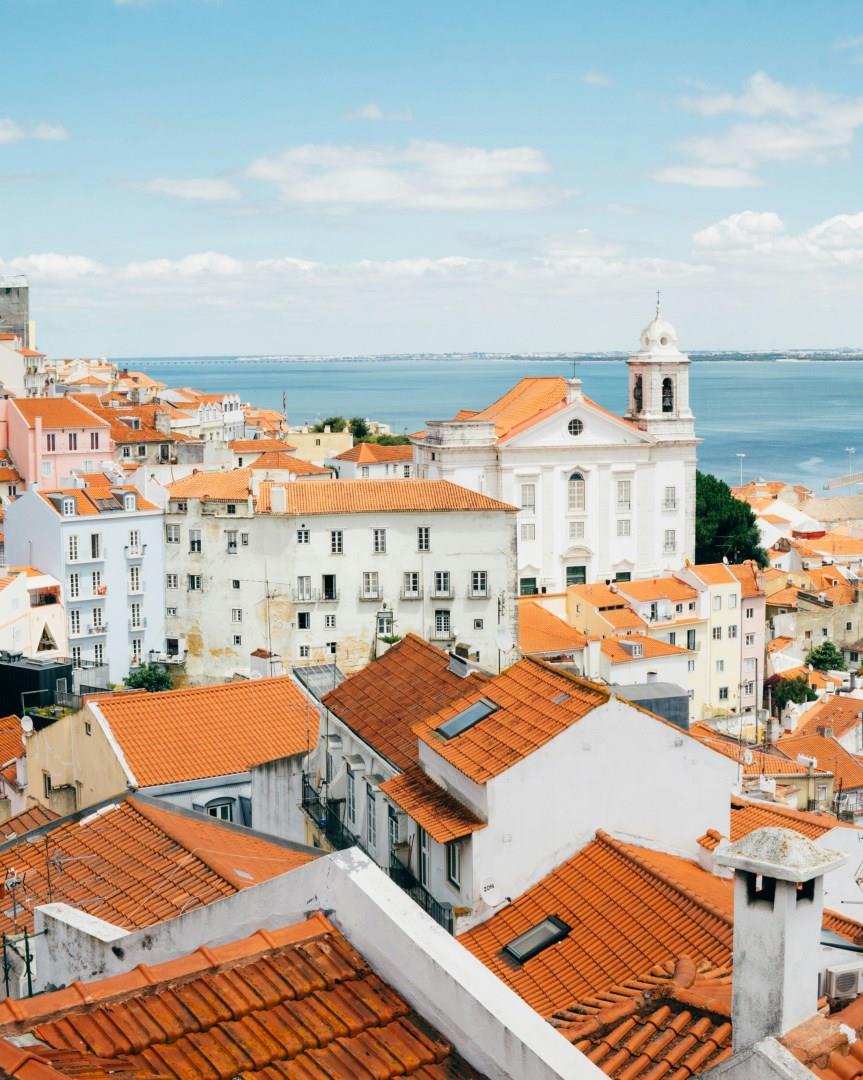
Portugal offers a layered experience shaped by maritime history, deep-rooted traditions, and a coastline that stretches for nearly 1,800 kilometers. In Lisbon, the streets of Alfama wind uphill toward São Jorge Castle, where views of red-tiled rooftops and the Tagus River reveal how the city was rebuilt after the 1755 earthquake. Trams still clatter through narrow streets, and fado music, often performed in candlelit taverns, tells stories of longing and the sea.
