
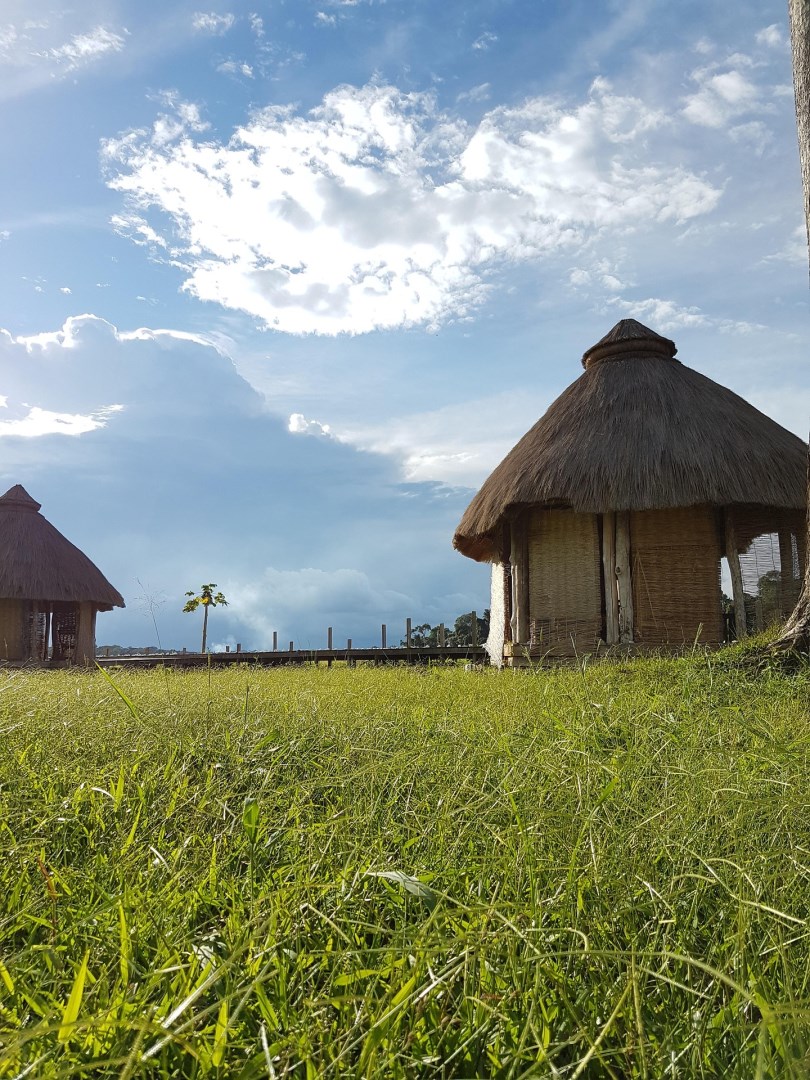
Cameroon
Cameroon is often called “Africa in miniature” for good reason. Within its borders, travelers can explore coastal beaches, dense rainforests, vast savannas, active volcanoes, and snow-capped peaks, all without crossing a border. The country’s most iconic landmark, Mount Cameroon, is the highest mountain in West Africa and an active volcano that draws hikers from around the world.
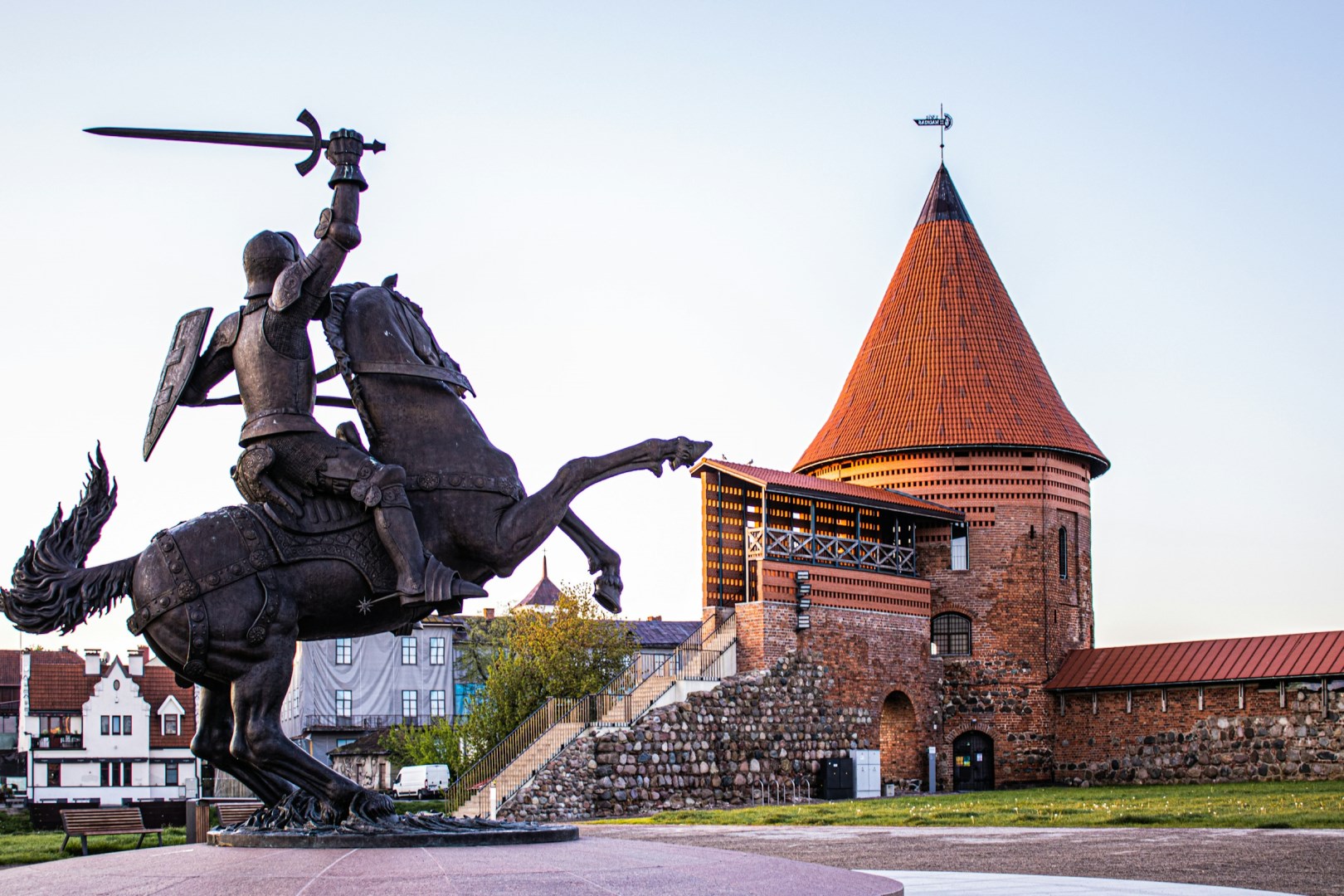
Kaunas
Kaunas is Lithuania’s second-largest city, located at the confluence of the Nemunas and Neris rivers in the country’s central region. Its historic center combines a compact Old Town of Gothic, Renaissance, and Baroque buildings with the broader streets and distinctive architecture of the New Town. Kaunas Castle, standing near the river confluence, is one of the city’s best-known landmarks, while Laisvės Alėja forms a long pedestrian boulevard through the central districts.
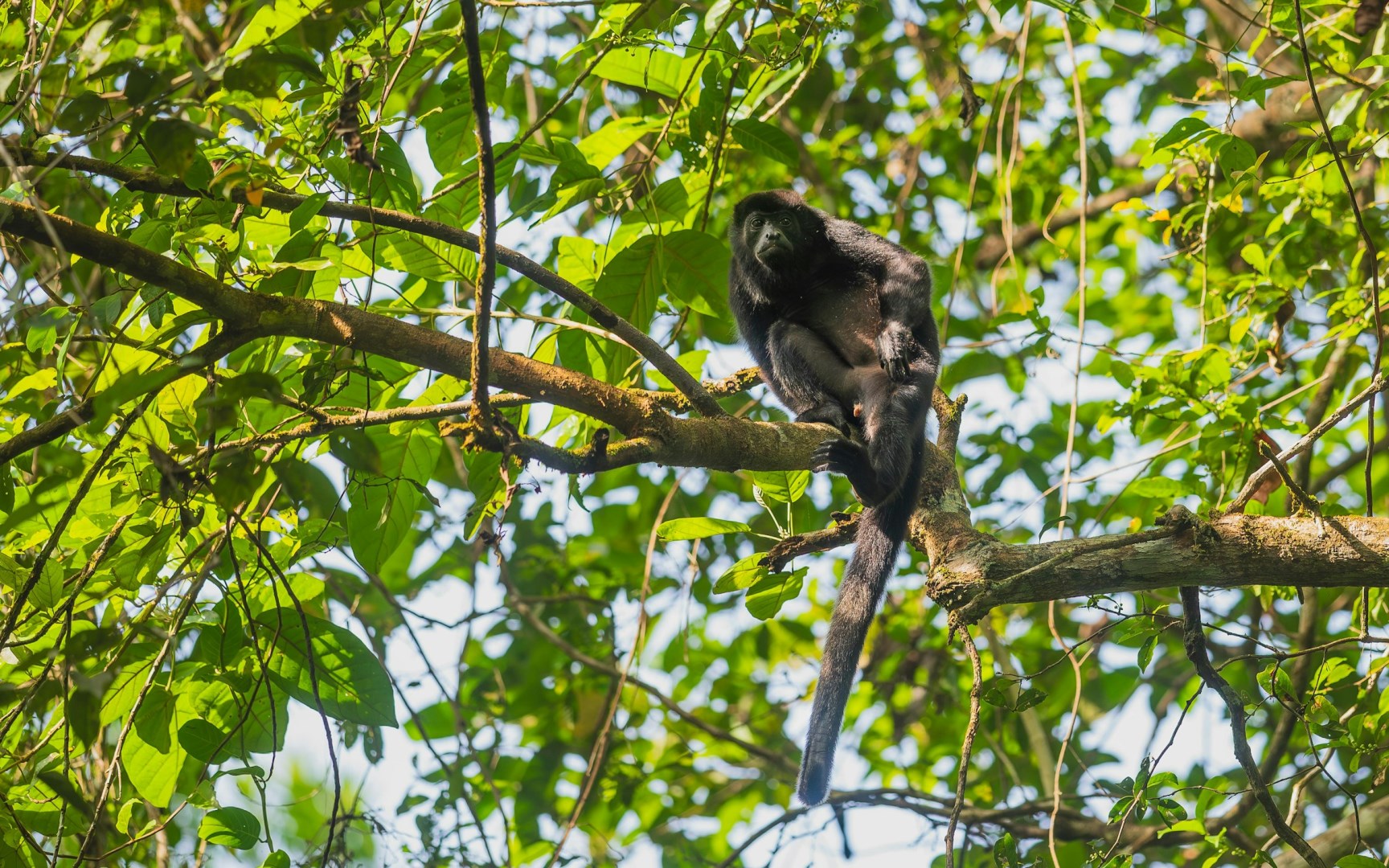
Gamboa
Gamboa, Panama, was originally built to house employees of the Panama canal. The small town's main attractions are its proximity to significant tracts of relatively undisturbed rainforest, and Pipeline Road, considered one of the best bird watching sites in Central America.
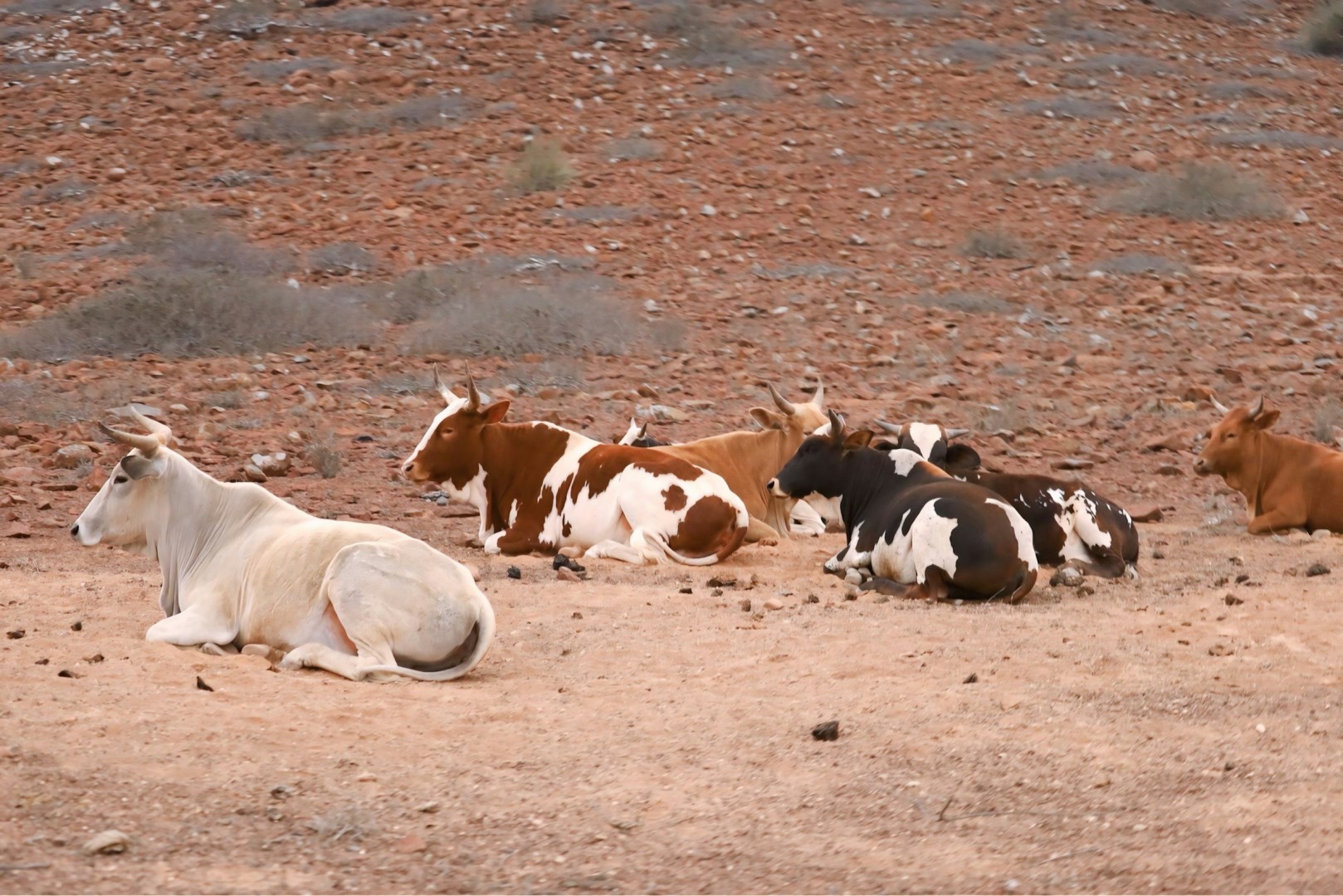
Namibe
Formerly Mocamedes, this port in southwest Angola has become an important industrial center since a rail line was built in 1905 connecting it with the interior of Angola. In 1967 when iron ore was discovered in Dongo, an additional line was laid and the port was enlarged.

Nuuk
Nuuk, the vibrant capital of Greenland, offers a unique blend of Arctic beauty and modern living. Nestled between picturesque fjords and surrounded by rugged mountains, Nuuk is the gateway to exploring Greenland’s stunning natural landscapes. The city’s old harbor, with its colorful wooden houses, provides a charming introduction to Greenlandic culture and history. This area is perfect for leisurely strolls and offers striking views of the surrounding mountains and sea.
