
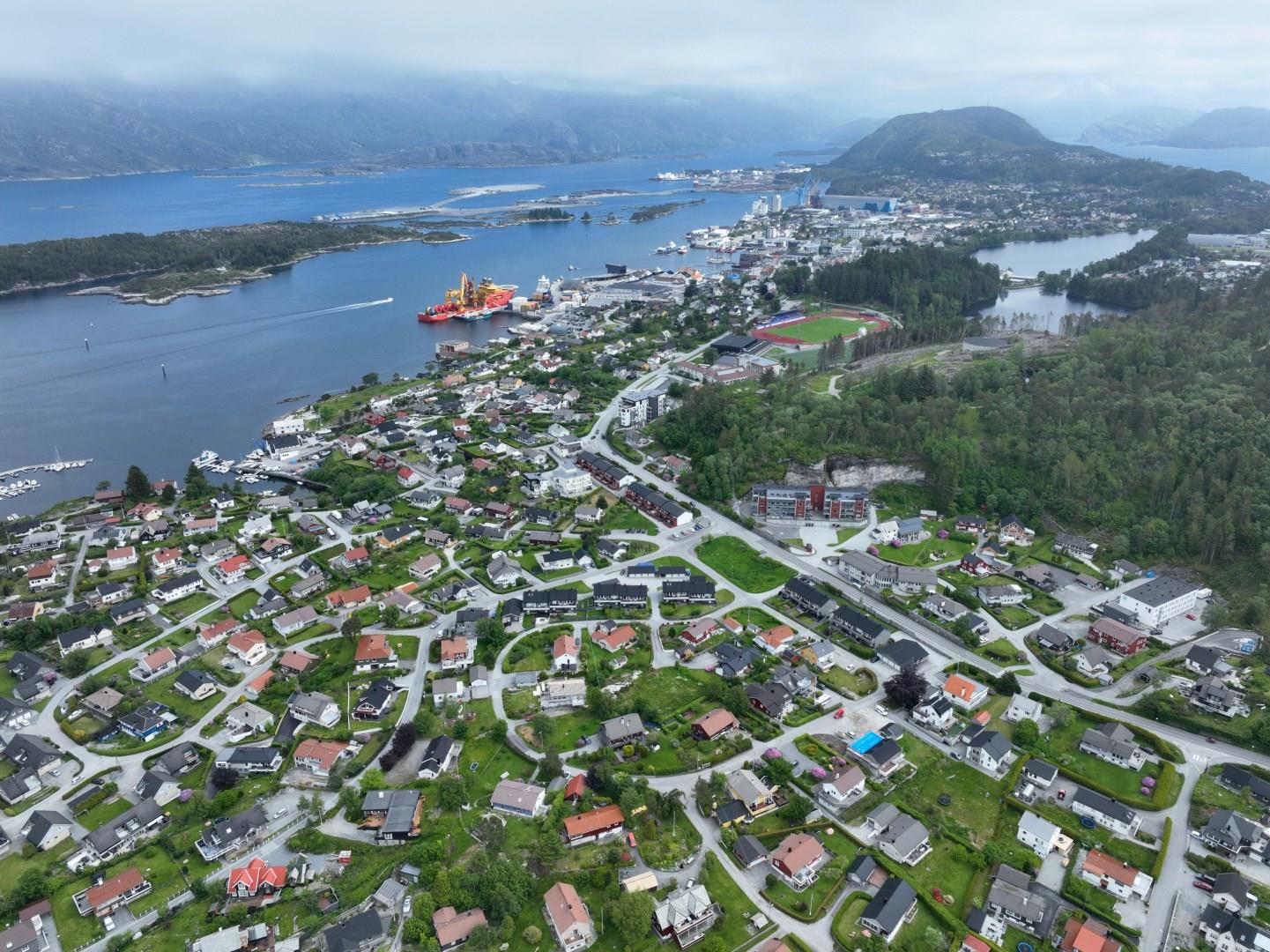
Florø
Florø, the westernmost town in Norway, sits right at the edge of the sea as a small, coastal town with deep maritime roots and front-row views of the North Atlantic. Established in 1860 as a herring fishing hub, Florø still carries the rhythm of the ocean in daily life. Though small in size, the town serves as a jumping-off point to explore the rugged coastline, scenic fjords, and a collection of islands that each have their own stories and scenery.
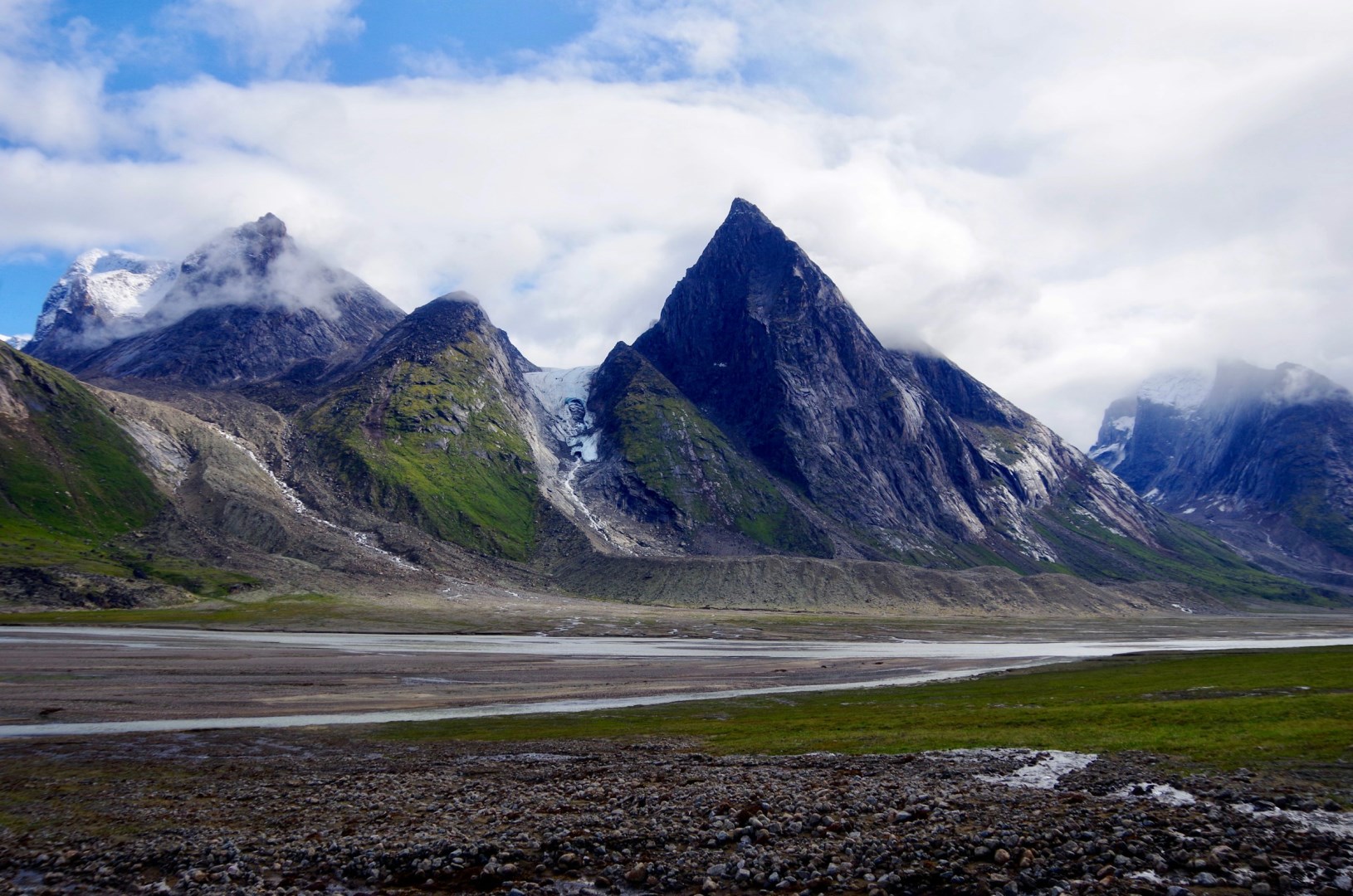
Auyuituq National Park
Auyuittuq National Park is a vast protected landscape on southeastern Baffin Island in Nunavut, extending between the communities of Pangnirtung and Qikiqtarjuaq. Its name means “land that never melts” in Inuktitut, reflecting the park's extensive ice and snow. Towering granite peaks, deep fjords, glaciers, rivers, and tundra dominate the landscape, while the Penny Ice Cap covers a large section of the interior.
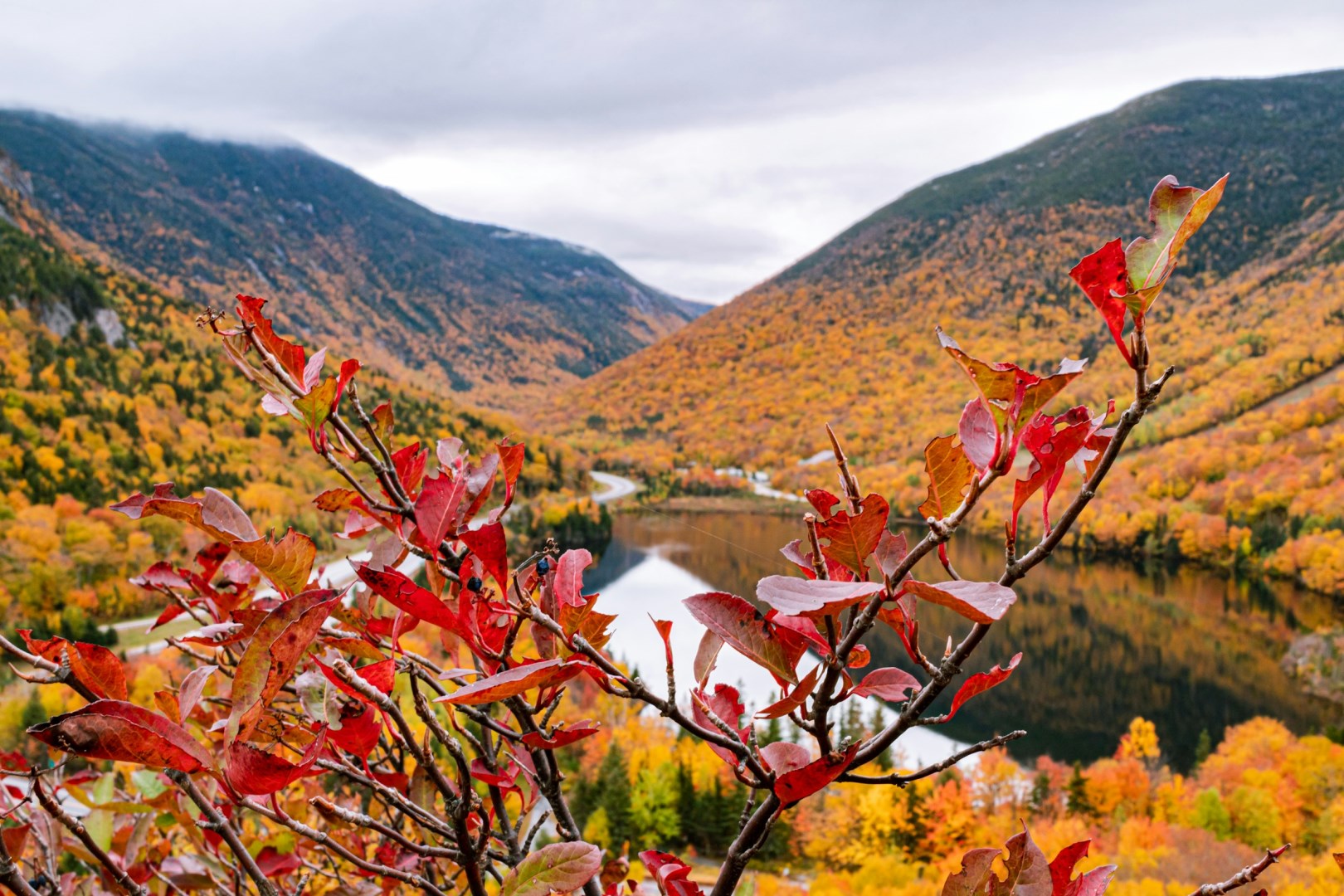
Franconia
Franconia is a small town in northern New Hampshire set within the White Mountains, with a landscape shaped by steep forested slopes, mountain valleys, and the Pemigewasset River. The town is closely associated with Franconia Notch, a dramatic mountain pass that separates the Kinsman and Franconia ranges. Its location places it near several of the region’s best-known natural landmarks while retaining a distinct village identity.

Casablanca
Islamic and French influences blend together in charming Casablanca, Morocco’s iconic coastal city. Frequently used as a port for Spanish and Mediterranean cruises, Casablanca lies halfway between Marrakesh and Fes and is the perfect entryway for exploring the rest of Morocco.
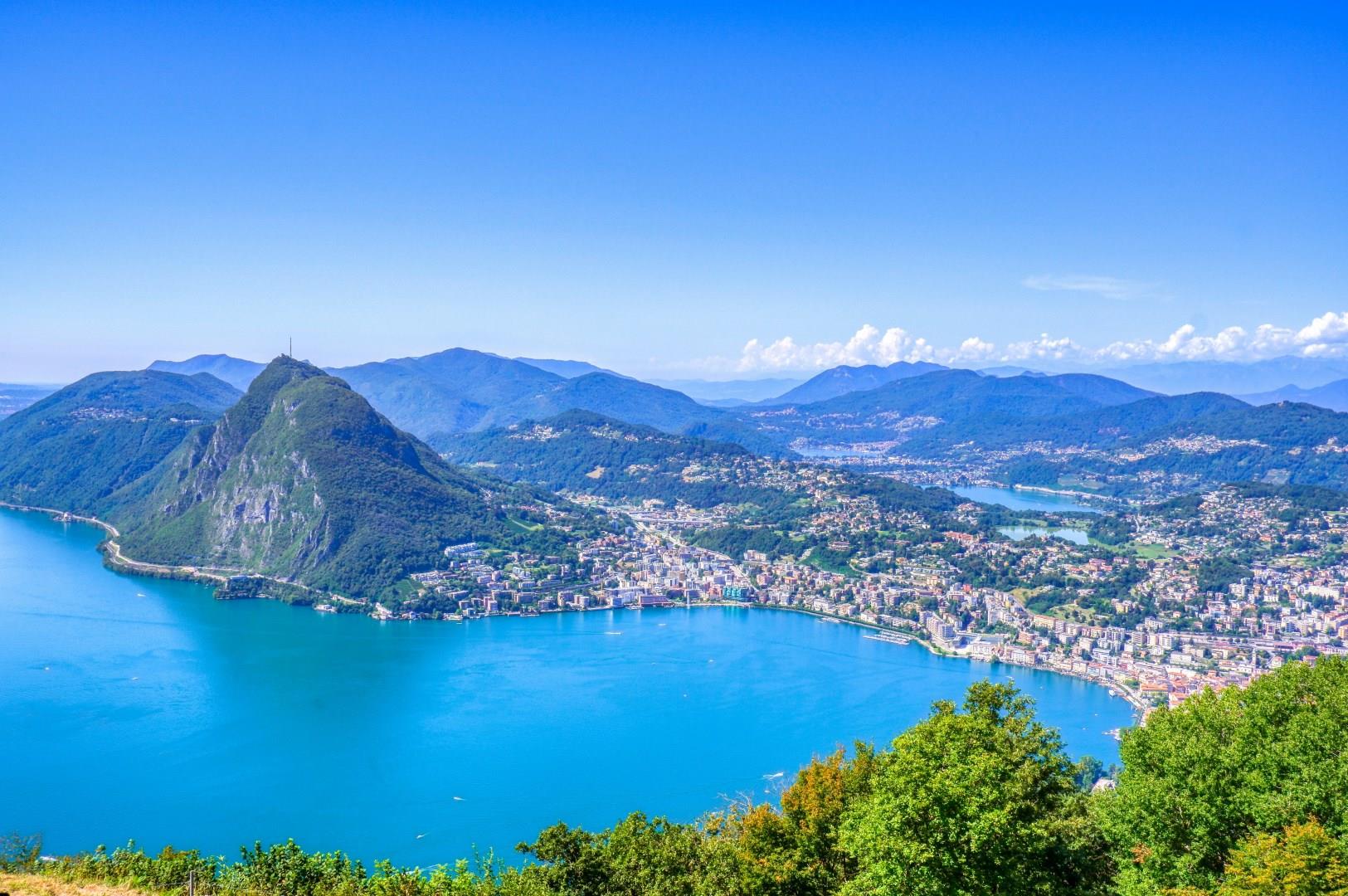
Lugano
Lugano, tucked into Switzerland’s Italian-speaking Ticino region, blends Mediterranean flair with Alpine elegance. The city sits on the northern shore of Lake Lugano, its pastel-colored villas and palm-lined promenades framed by surrounding mountains such as Monte Brè and Monte San Salvatore.
