

Melk
Nestled along the south bank of the Danube, this historical Austrian city bursts with charm. A favorite stop on European river cruises, the city's most famous attraction is Melk Abbey, which dates back to the 11th century. The original Benedictine structure was lost to fires and foreign invasion, then rebuilt during the 18th century in lavish Baroque style, including a library and inner church covered in magnificent frescoes and gilded fixtures.
Bellagio
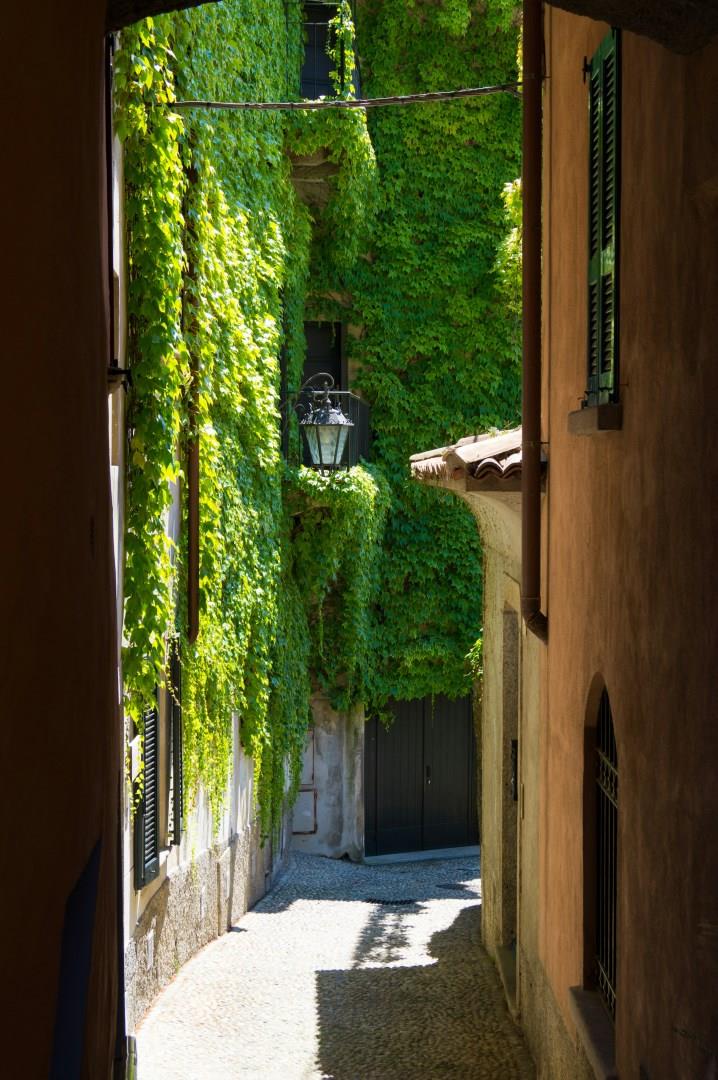
Perched at the meeting point of Lake Como’s three branches, Bellagio is often called the “Pearl of Lake Como” for its spectacular setting and timeless elegance. This Italian village has been a retreat for centuries, drawing poets, aristocrats, and travelers alike with its harmonious blend of natural beauty, refined architecture, and relaxed sophistication.

Barcelona
To visit Barcelona is to embrace both the past and the future. There is much to do and see in this cosmopolitan capital of Catalonia, from medieval structures to beaches to UNESCO Heritage Sites by Antoni Gaudí and Lluís Doménech i Montaner.

Vukovar
Vukovar, a city in eastern Croatia, stands as a poignant symbol of resilience and beauty. Its rich history is etched into its architecture and monuments, telling the story of its resilience during the Croatian War of Independence.
Azerbaijan
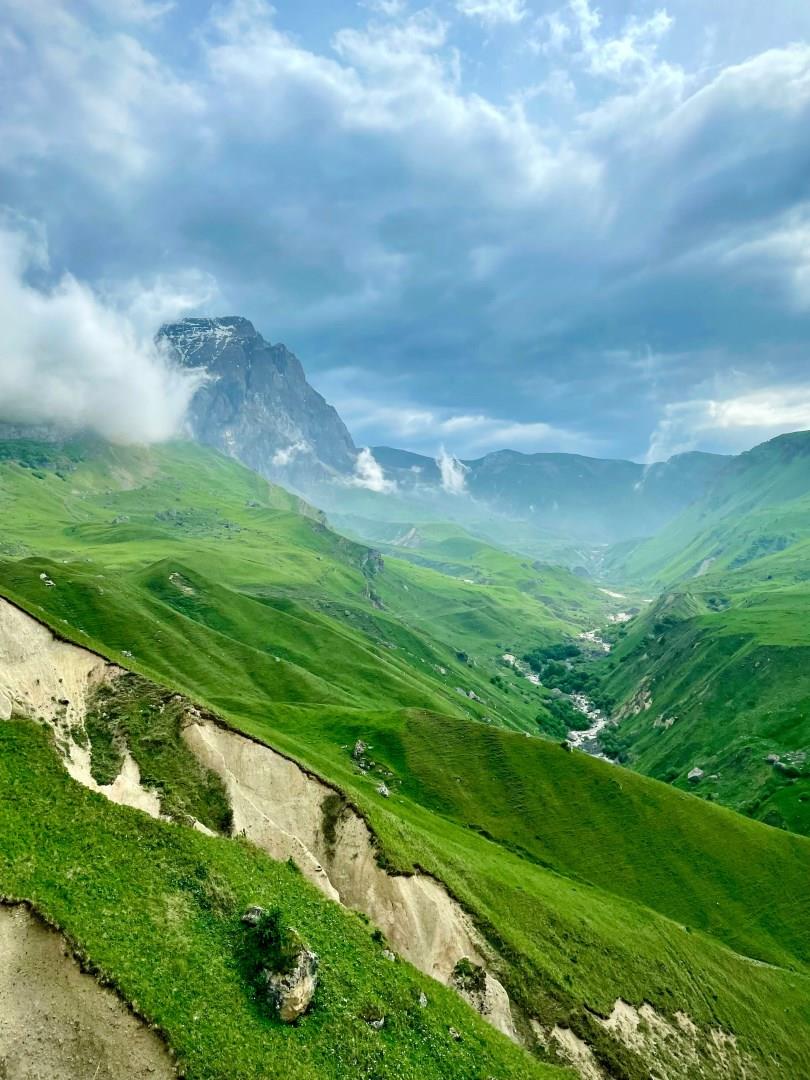
Azerbaijan, often called the “Land of Fire,” sits at the crossroads of Europe and Asia along the Caspian Sea. Its capital, Baku, blends futuristic architecture with centuries-old history.
