

Pompeii
Pompeii, Italy, is a mesmerizing time capsule that invites travelers to step back into the world of ancient Rome. Once a thriving city, Pompeii was abruptly buried under volcanic ash and pumice following the catastrophic eruption of Mount Vesuvius in 79 AD. This tragic event preserved the city in remarkable detail, allowing visitors today to walk the cobbled streets and witness a snapshot of Roman life, from grand villas and bathhouses to bakeries and amphitheaters.
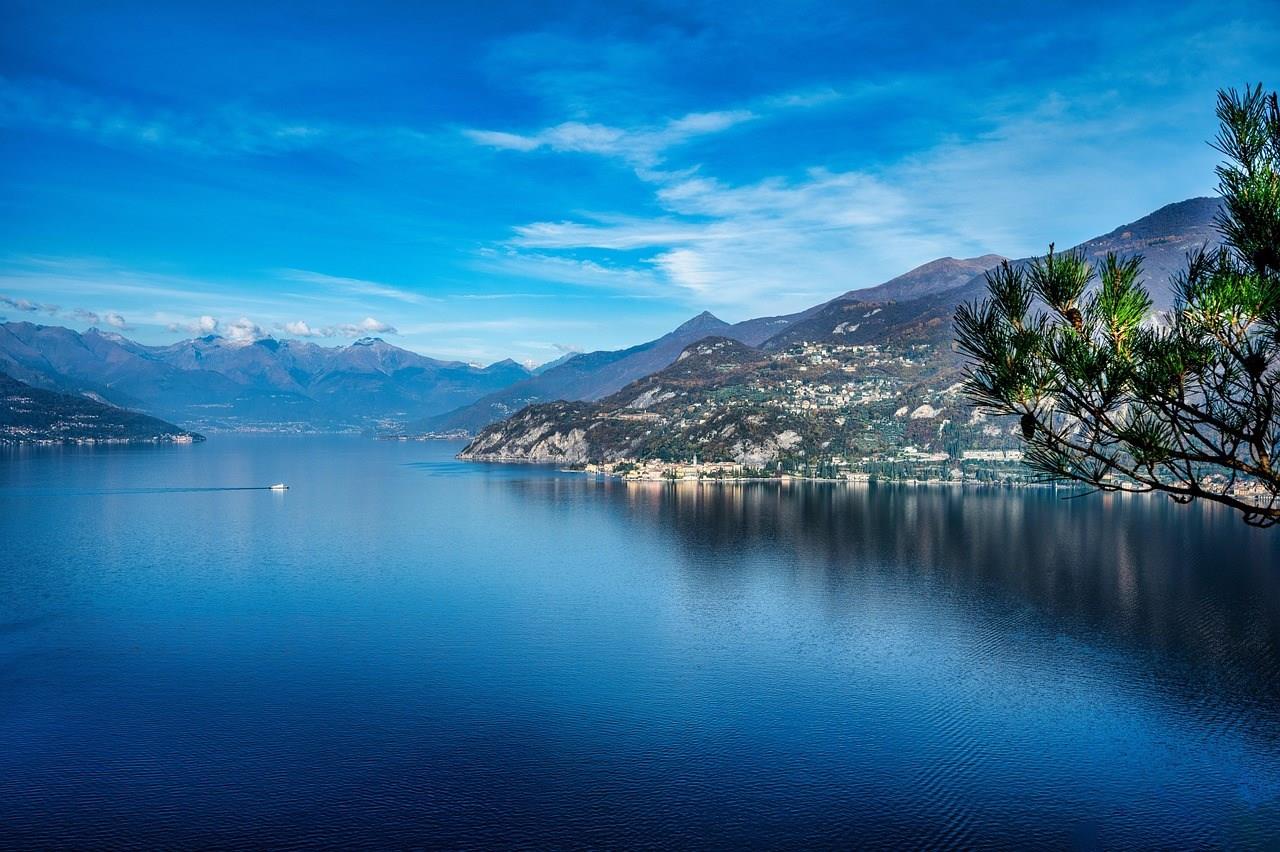
Como
A visit to Como is like looking through a manual on the history of architecture. Its ancient walls, the Duomo with its rich Gothic-Renaissance façade, the Broletto, the Castel Baradello, the Romanesque basilicas of Sant'Abbondio and S. Fedele, the myriad of monuments created by the Comacini Masters, and the modern architectural lines, all represent foundations of the urban and tourist fabric, interwoven with unforgettable splendor.

Isabela Island
Isabella Island is the largest of the Galapagos islands, on the western end of the archipelago. Shaped like a seahorse when viewed from above, Isabella is home to more wild tortoises than any other island, as well as a wide variety of other animal, bird and marine life.

Tromso
Tromsø, a gem nestled in the Arctic Circle, offers an unparalleled blend of natural wonders and cultural richness. Known as the "Gateway to the Arctic," this Norwegian city is famed for its spectacular Northern Lights. Between September and April, Tromsø becomes a prime location for witnessing the aurora borealis, a mesmerizing display of green, purple, and pink lights dancing across the polar sky.

Hydra
An island of international renown, Hydra is one of the first islands to have been discovered by tourism and, due to the short distance from Athens, has for years hosted a large number of tourists.
