

Verona
Verona is situated at a bend of the Adige River in northern Italy. It is hard to imagine that antique arts, monuments that date back to Roman times, and the shadows of the world's most famous tragic lovers can add up to a smiling, buzzing city. Yet they do, thanks perhaps to Verona's talent for melding her past and her present, her ancient and new so gracefully that everything blends in easy harmony.
Durango
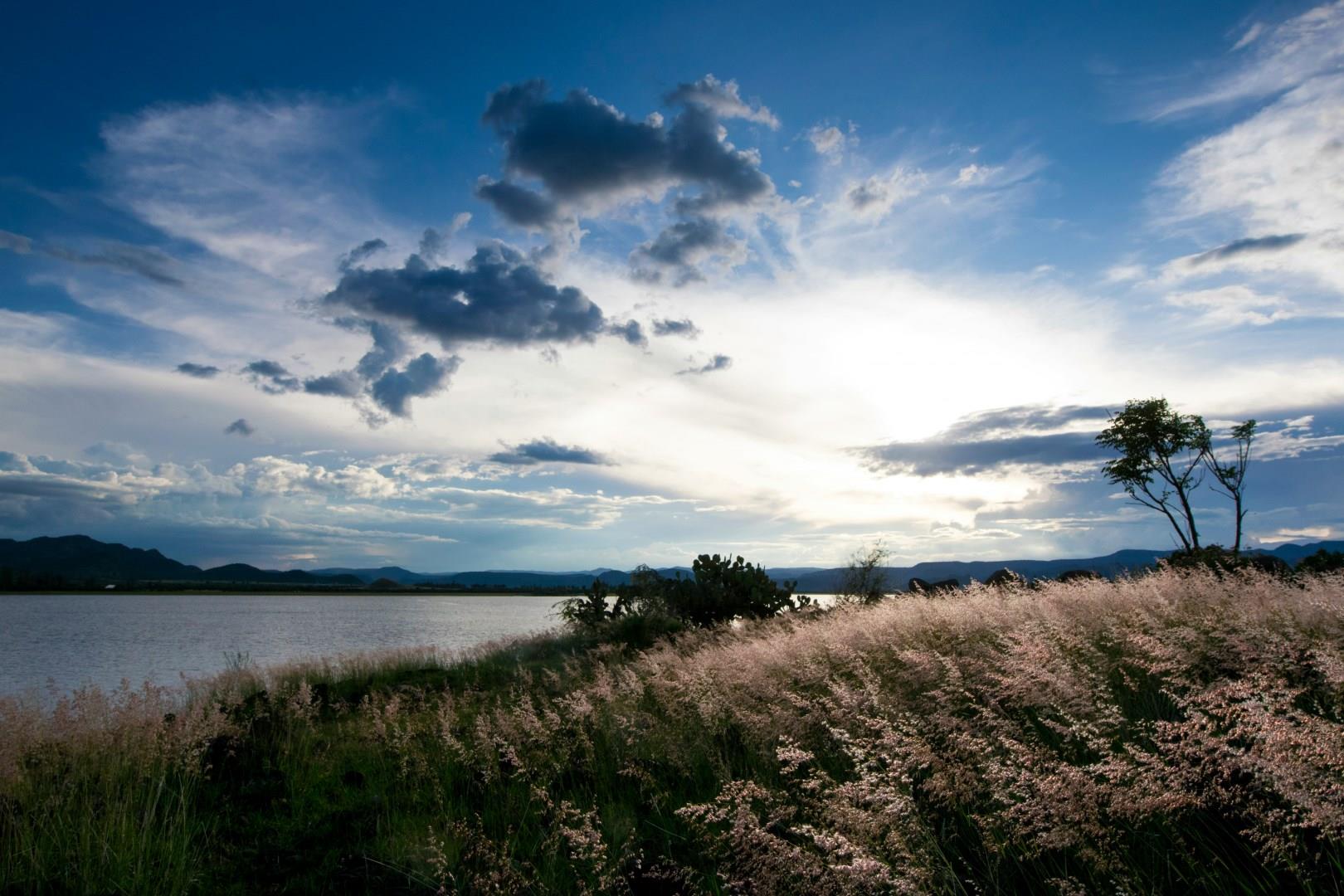
Durango, located in north-central Mexico, is a destination rich in history, dramatic landscapes, and cultural traditions that date back centuries. Once a key outpost during Spanish colonization, Durango played an important role in the development of northern Mexico. The city of Victoria de Durango, the state capital, features cobblestone streets and more than 1,000 officially registered historical structures.
Ulaanbaatar
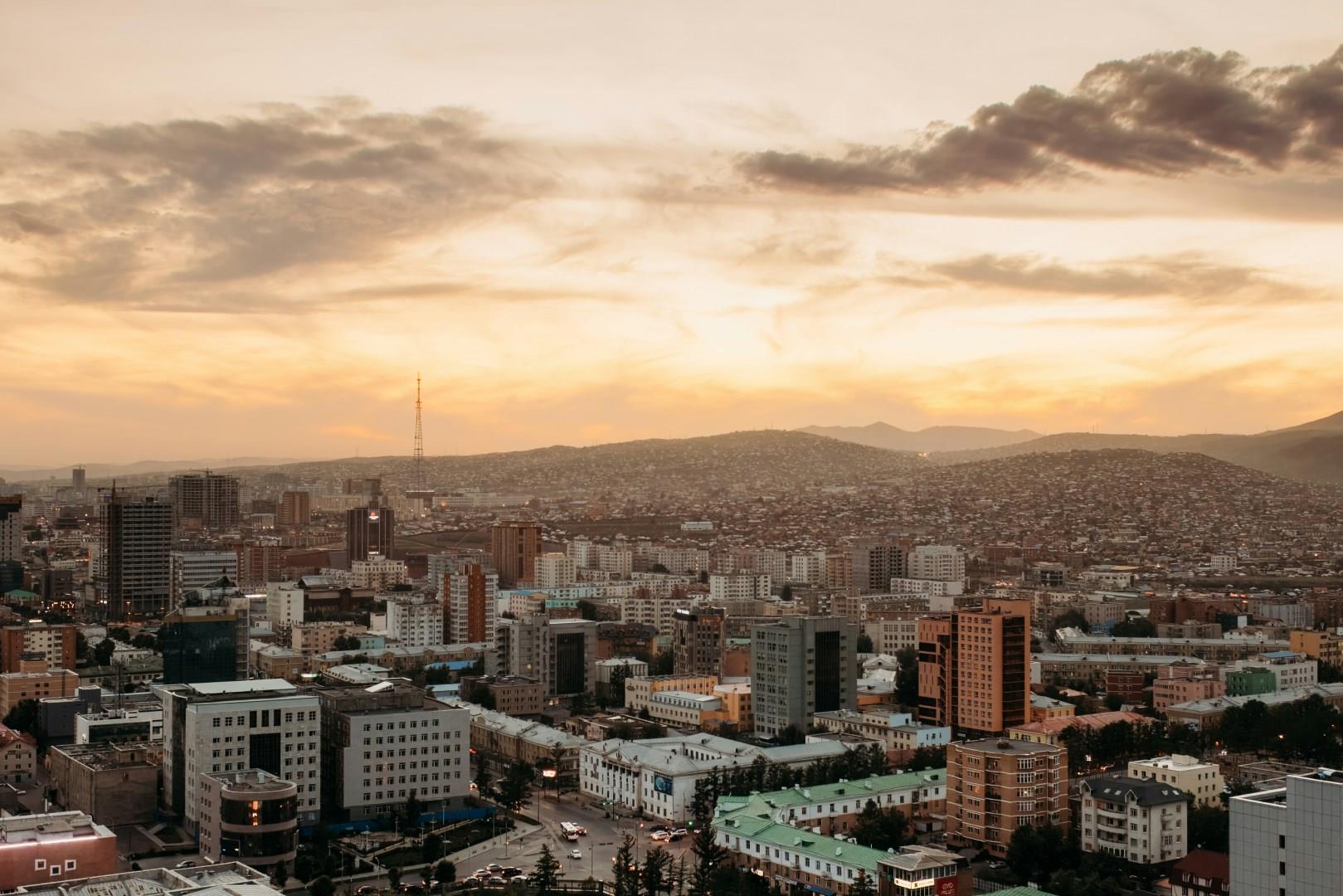
Ulaanbaatar, the capital of Mongolia, is a city where tradition and modern life intertwine. Nestled in a valley surrounded by mountains, it serves as the country’s cultural, political, and economic hub. The city’s skyline features a mix of Soviet-era architecture, Buddhist monasteries, and contemporary high-rises.

Terre-de-haut
Terre-de-Haut is an island off the coast of Guadeloupe and replete with a variety of stunning viewpoints to gaze out at the sparkling waters of the Caribbean Sea.
Bran
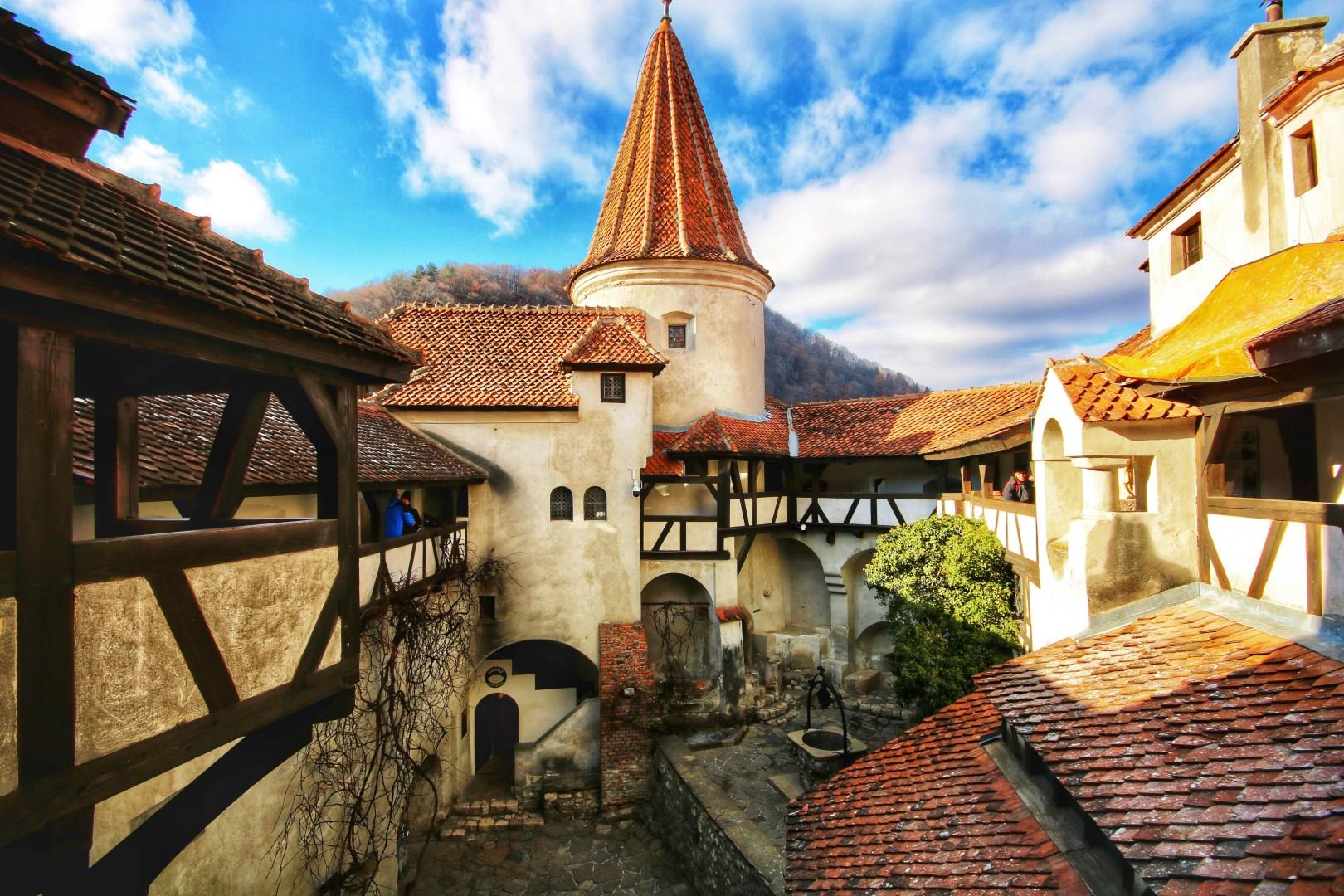
Bran, a small village nestled in the Carpathian Mountains of central Romania, is best known for its medieval fortress commonly referred to as “Dracula’s Castle.” While the connection to Bram Stoker’s fictional character is loose at best, Bran Castle continues to draw travelers with its striking towers, stone walls, and position on a rocky cliff. Originally built in the 14th century to defend against invading forces, the castle has passed through royal hands, most notably Queen Marie of Romania.
