
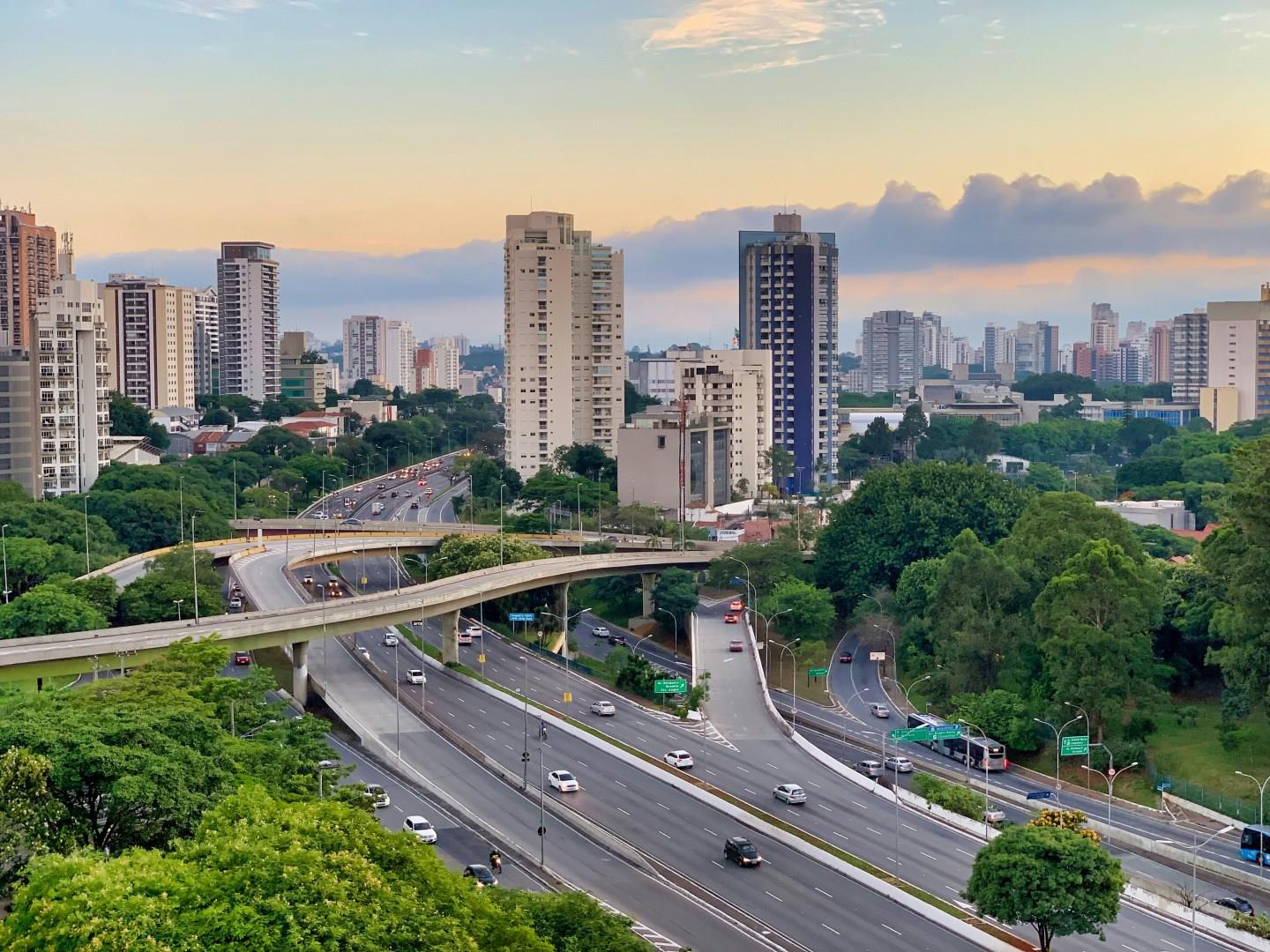
São Paulo
Sao Paulo is Brazil’s largest city and its economic engine, shaped by waves of migration that began in the late 19th century and never truly slowed. Italians, Japanese, Lebanese, and migrants from across Brazil all left visible marks on the city’s neighborhoods, food, and cultural life.
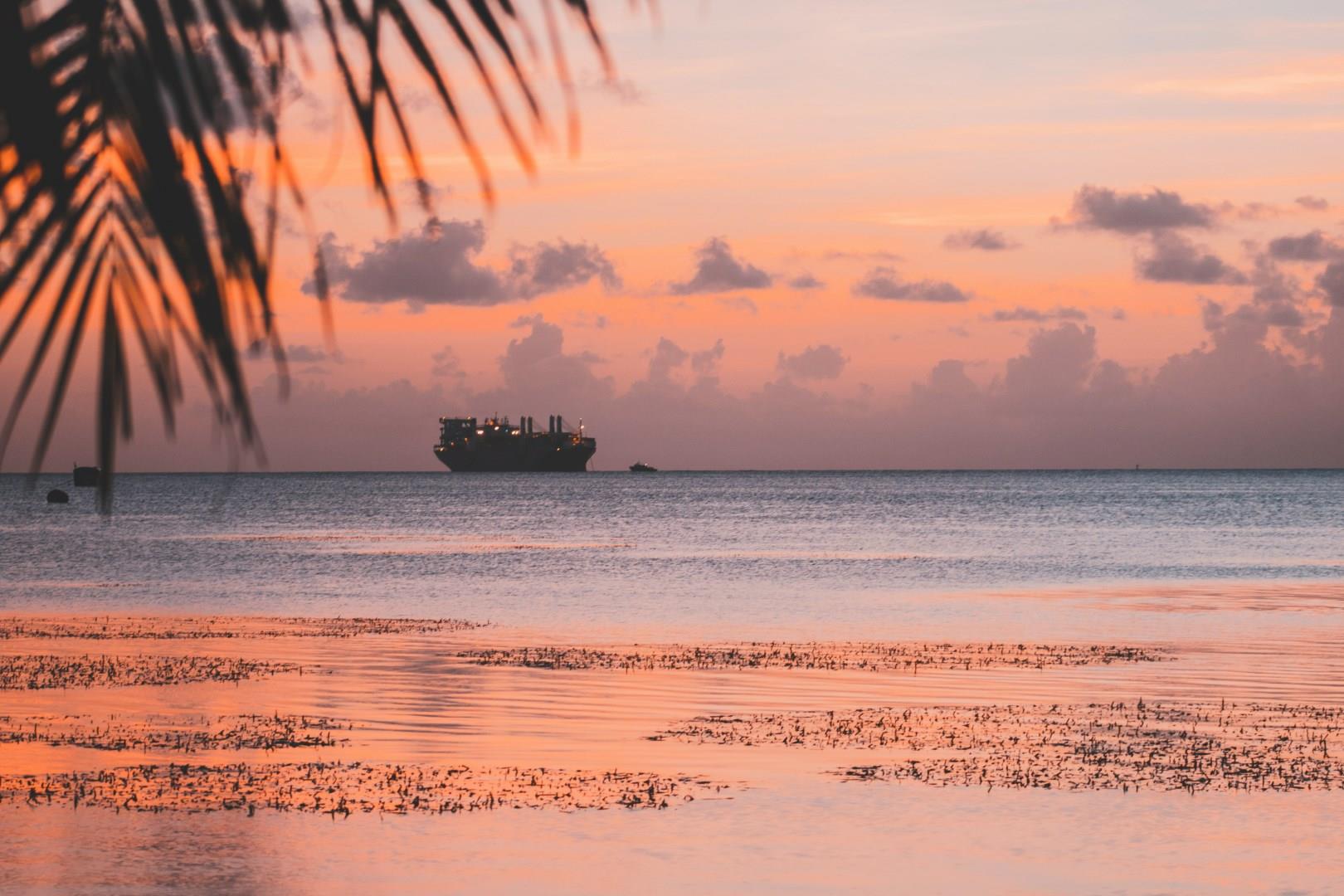
Saipan Island
Saipan, the largest of the Northern Mariana Islands, offers a rare combination of deep historical roots, island traditions, and dramatic landscapes. Located in the western Pacific, this U.S. territory was once the site of one of the most pivotal battles in the Pacific during World War II. Visitors today can explore the remains of bunkers, tanks, and hidden caves at sites like Suicide Cliff, Last Command Post, and the American Memorial Park.
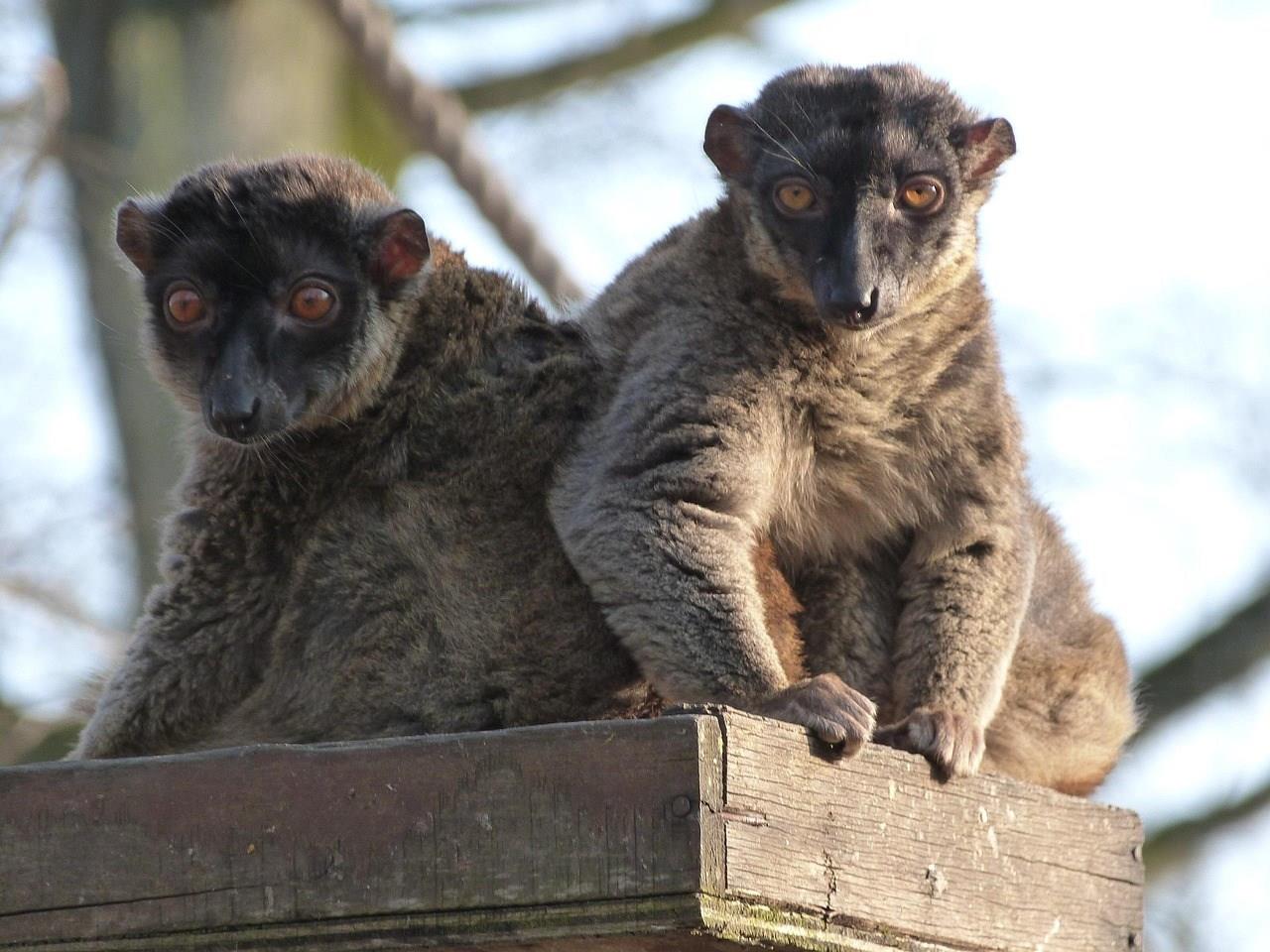
Mayotte
Mayotte, a French overseas department nestled in the Mozambique Channel between Madagascar and mainland Africa, offers travelers a window into a lesser-known island culture shaped by Swahili, Malagasy, and French influences. Unlike its neighbors in the Comoros archipelago, Mayotte remains part of France, giving it a unique blend of European infrastructure and Indian Ocean traditions.
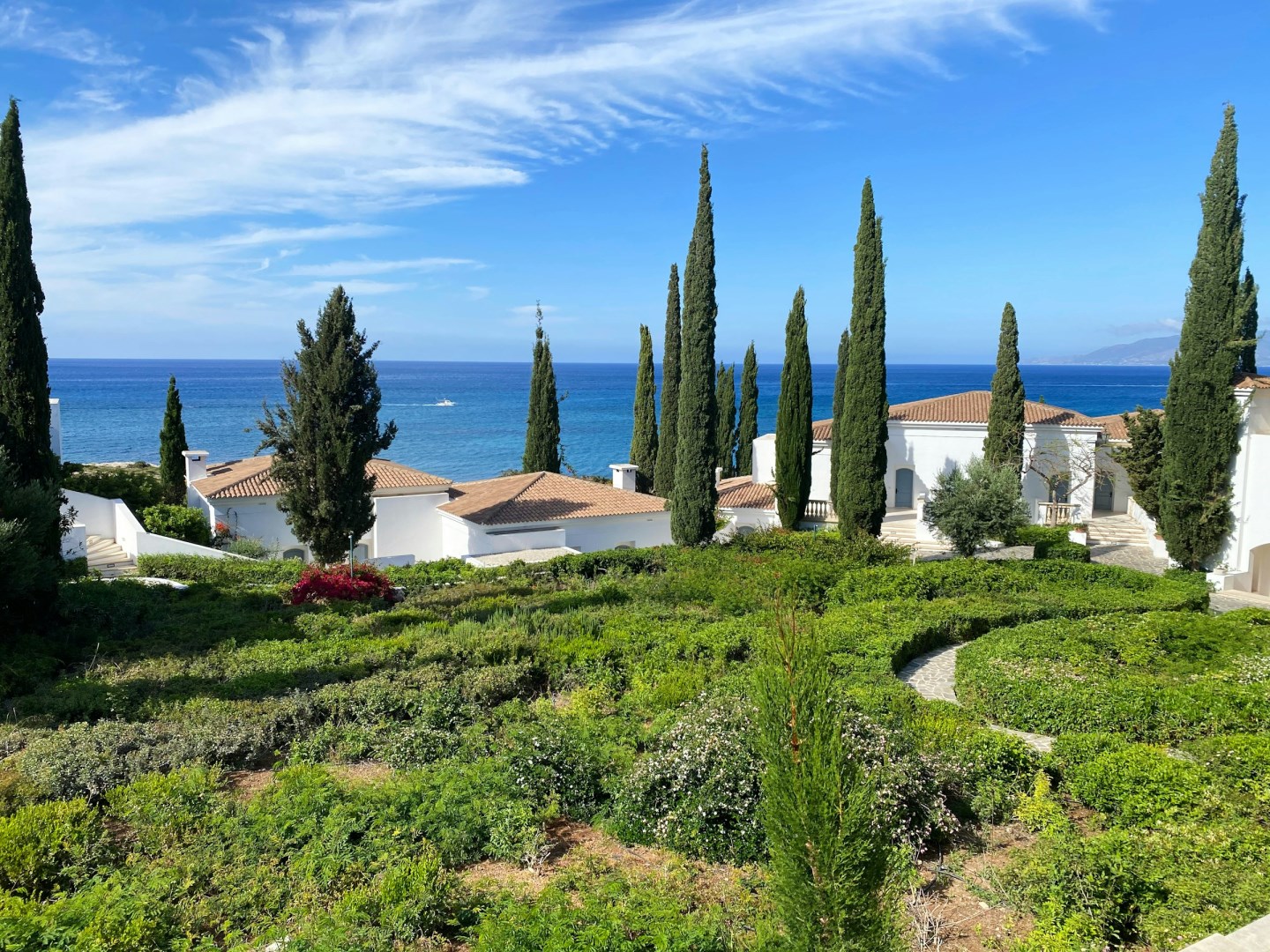
Paphos
Paphos is a coastal city in southwestern Cyprus, combining a working harbor, Mediterranean beaches, historic neighborhoods, and one of the island's most important archaeological landscapes. The city is closely associated with Aphrodite, the ancient Greek goddess whose cult was centered in the Paphos region.
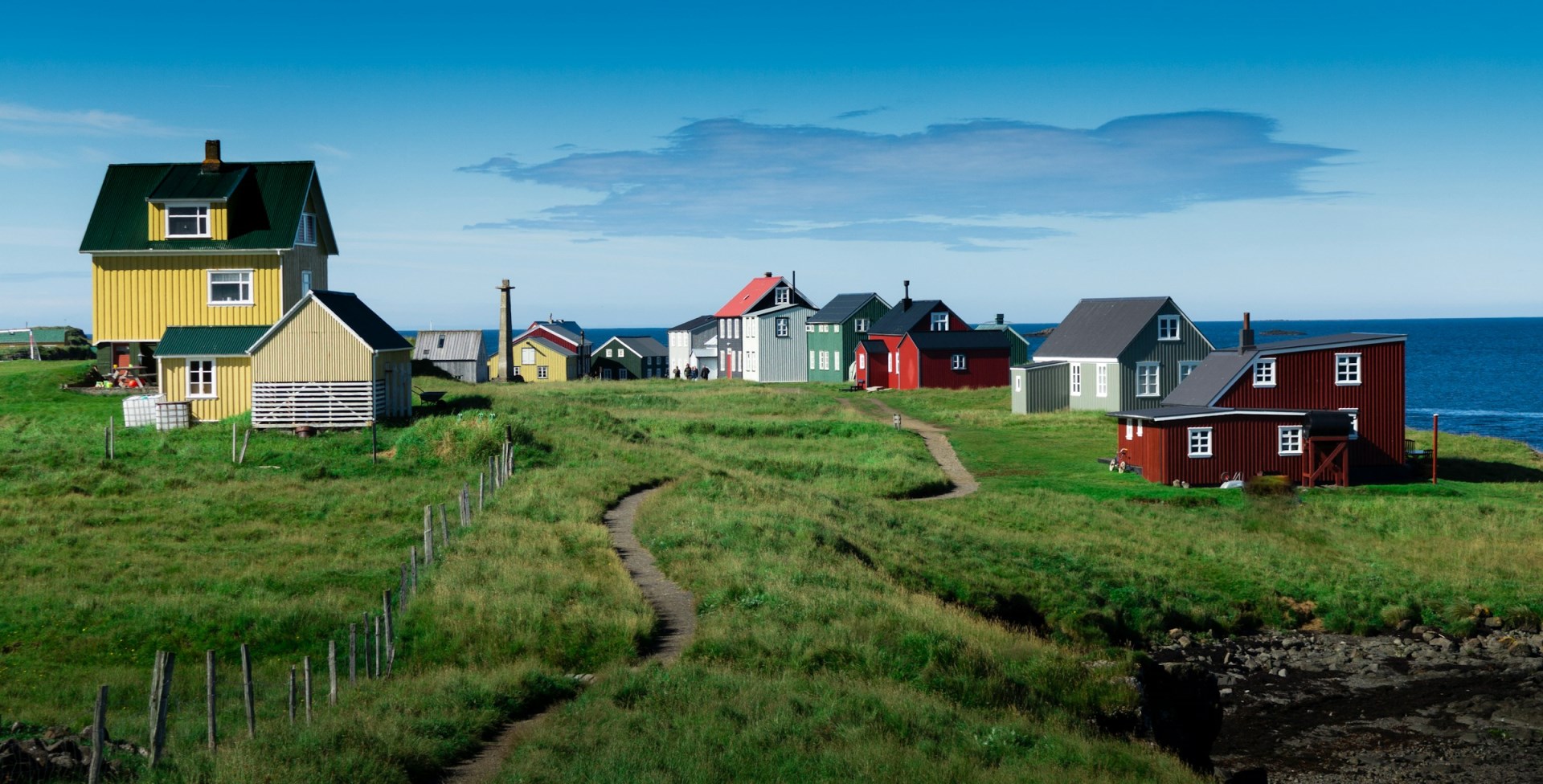
Flatey
Flatey is a small island in Breiðafjörður in western Iceland, known for its compact settlement, historic buildings, and quiet coastal landscape. The island is almost entirely flat, with low fields and rocky shores extending between the surrounding skerries. Its main settlement consists of a cluster of colorful wooden houses, many of which have been preserved as part of the island’s heritage.
