
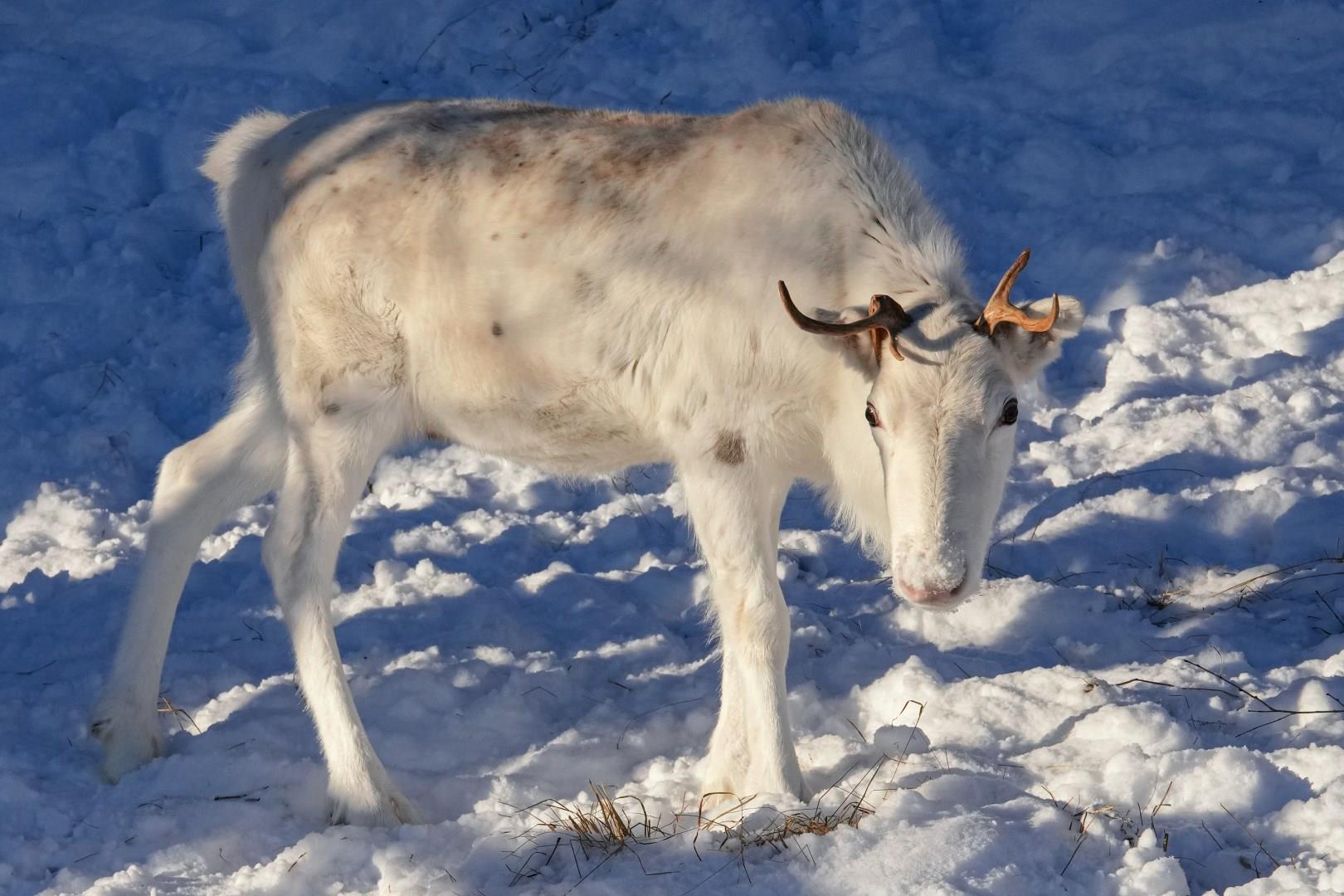
Kirkenes
Kirkenes sits at the far northeastern edge of Norway, just a few kilometers from the Russian border and not far from Finland. This Arctic town offers travelers a perspective they won’t find anywhere else in the country. With street signs in both Norwegian and Russian, and a local history shaped by war, trade, and shifting borders, Kirkenes has long stood at the crossroads of cultures.

Dominica
Dominica, known as the “Nature Island of the Caribbean,” is a haven for eco-tourists and adventure seekers. Nestled between the French islands of Guadeloupe and Martinique, this lush island boasts a remarkable landscape of volcanic mountains, dense rainforests, and stunning waterfalls. Dominica’s most iconic natural wonder is the Boiling Lake, the second-largest hot spring in the world.
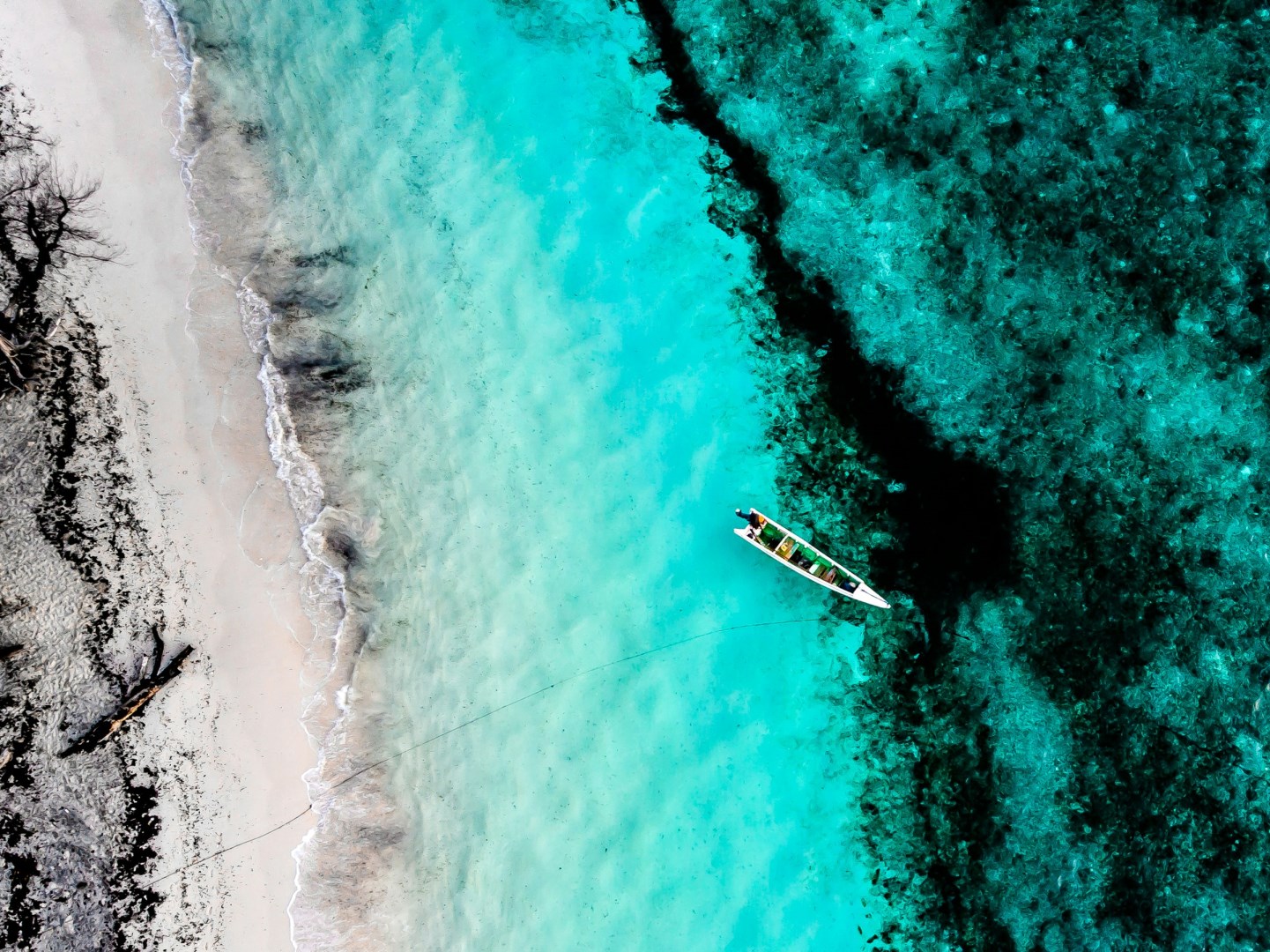
Atauro Island
Atauro Island is a mountainous island north of Dili in Timor-Leste, separated from the mainland by the Ombai Strait. Its landscape includes dry hills, forested slopes, grassy areas, rocky cliffs, and small coastal villages. The island is surrounded by exceptionally diverse coral reefs and clear tropical waters, making its marine environment one of its defining features.

Gdansk
Gdańsk, a vibrant port city on Poland's Baltic coast, is a hidden gem that seamlessly blends rich history with modern charm. As the largest city in northern Poland, Gdańsk has a unique identity shaped by centuries of trade, political turmoil, and cultural exchange. The city's Old Town is a feast for the eyes, with its beautifully reconstructed buildings that harken back to its Hanseatic glory days.
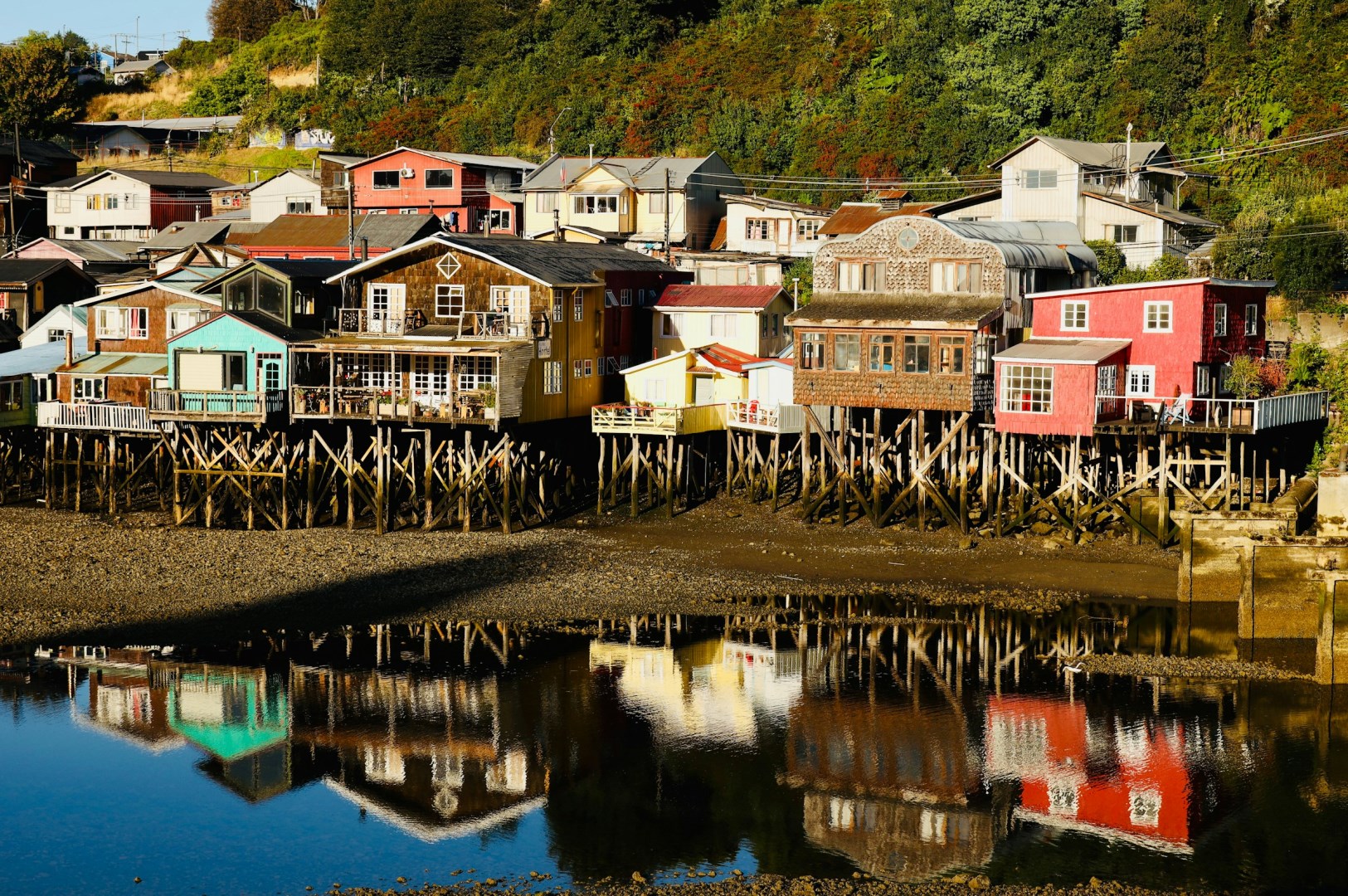
Castro
Castro is the capital of Chiloé Province on the island of Chiloé in southern Chile, set along the eastern shore of the Gulf of Corcovado. The city is recognized for its distinctive waterfront, hillside neighborhoods, and traditional wooden architecture. Its most recognizable feature is the palafitos, houses built on wooden stilts above the tidal edge, particularly around the Gamboa and Río neighborhoods.
