

Orlando
Orlando, Florida, is a theme park lover's paradise! Home to family favorites like Walt Disney World® Resort, SeaWorld® Orlando, and Universal Orlando™ Resort, there's endless opportunity for adventure and entertainment in sunny Orlando. Golfers will enjoy hitting the links at one of the many golf courses and clubs sprinkled throughout the city.

Tan Chau
Tan Chau, located in the Mekong Delta region of Vietnam, is most well-known for its exclusive silk production, using local materials such as dyes made from the mac nua (Diospyros mollis) fruit.
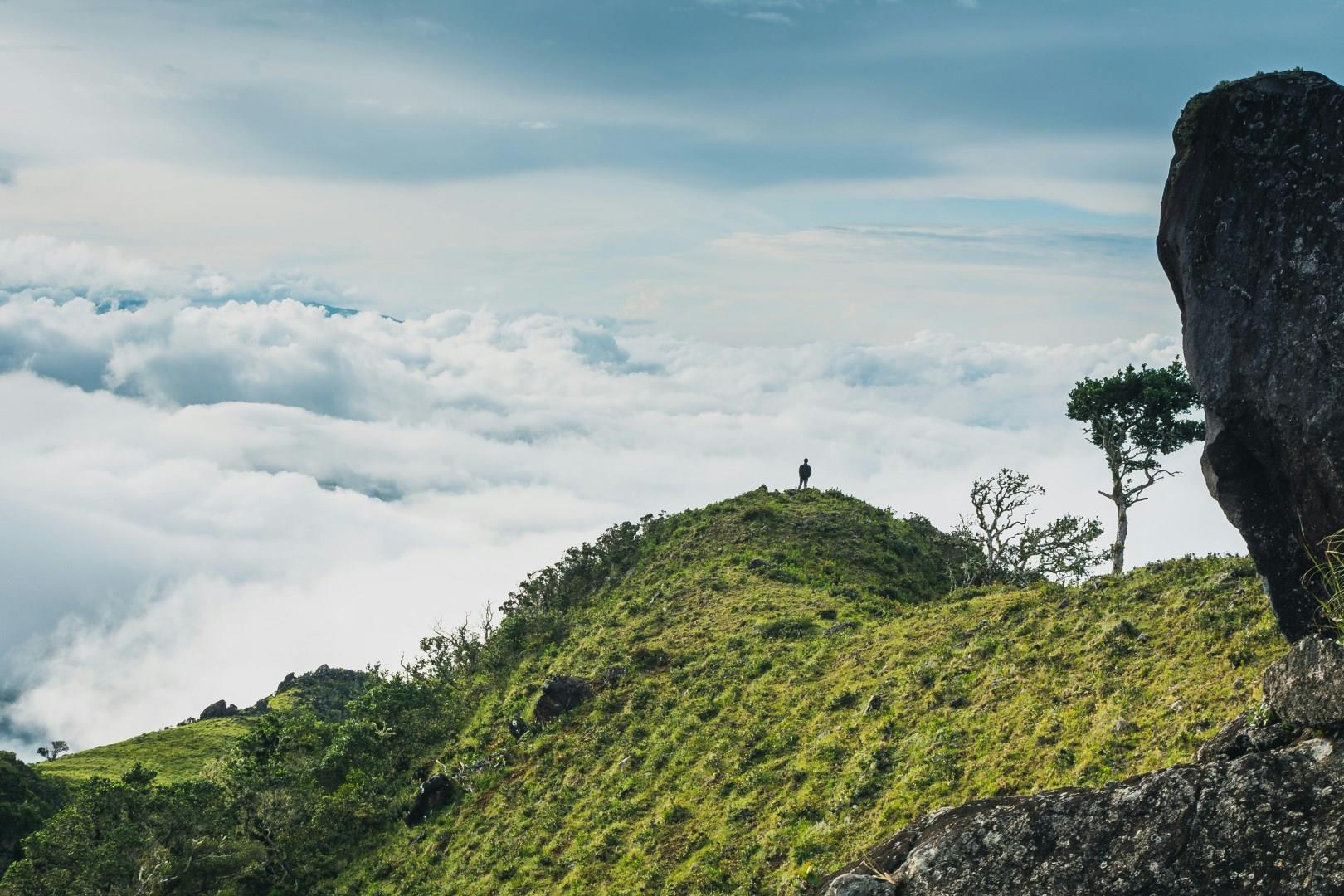
Boquete Valley
Boquete Valley, nestled in the highlands of Panama near the Baru Volcano, is a lush retreat known for its cool climate, verdant hills, and coffee plantations.

Dover
The historic city of Dover, nestled on the southern coast of England, is a captivating destination known for its iconic White Cliffs and strategic maritime heritage. Overlooking the Strait of Dover, these towering chalk cliffs offer breathtaking views across to France and serve as a symbol of Britain's resilience.

Kenai Fjords National Park
Kenai Fjords National Park in Alaska is a stunning showcase of glaciers, rugged coastlines, and pristine wilderness, making it a dream destination for outdoor enthusiasts and nature lovers. Located near the town of Seward, this park is home to the Harding Icefield, one of the largest icefields in North America, feeding over 40 glaciers that spill into the sea.
