
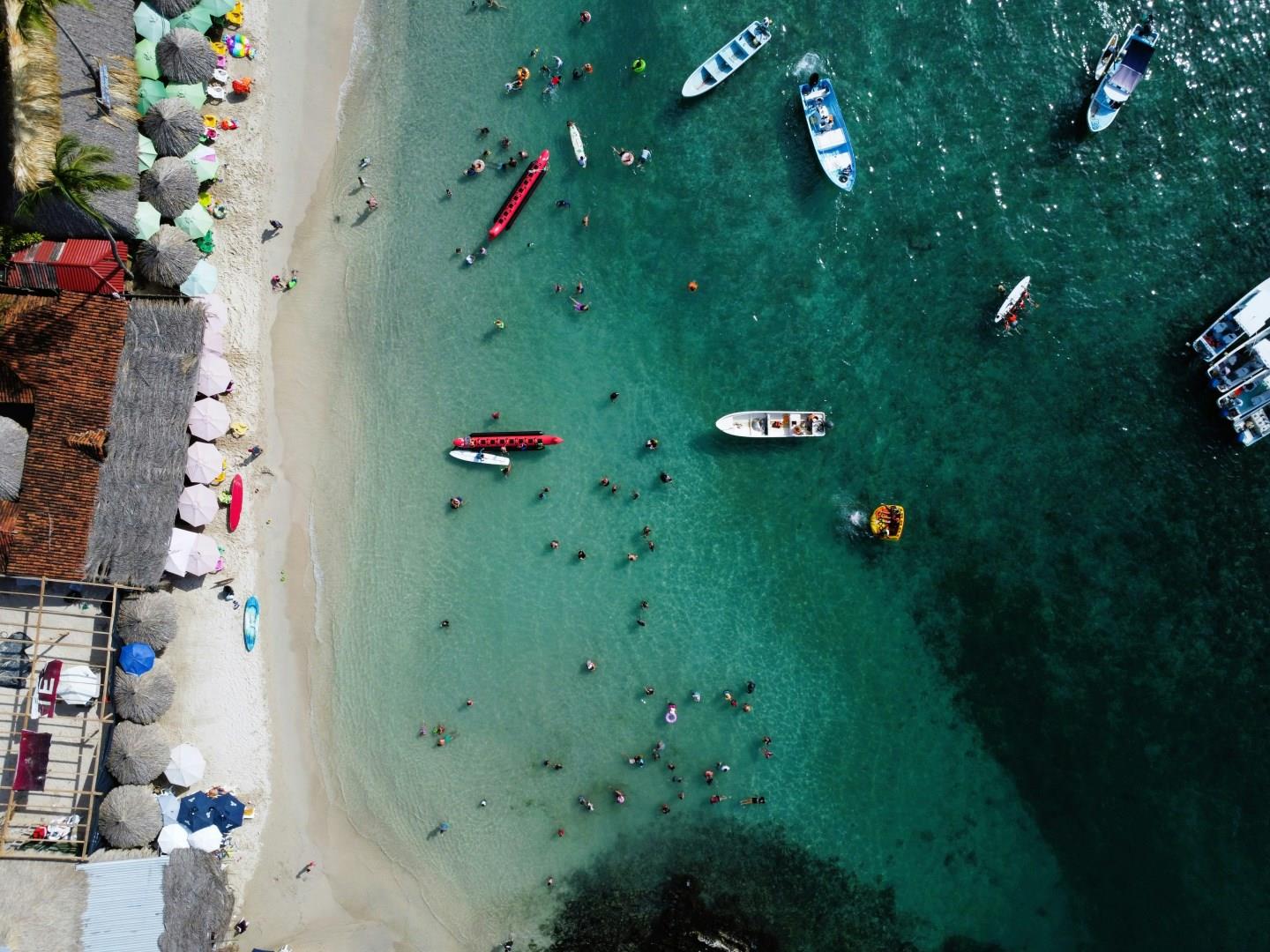
Zihuatanejo
Zihuatanejo, a charming coastal town on Mexico’s Pacific coast, invites travelers with its blend of serene beaches and vibrant local culture. Nestled on the Bay of Zihuatanejo, the town offers a picturesque escape with its stunning shoreline, where the gentle waves lap against golden sands. The tranquil atmosphere of Playa La Ropa, one of the town’s most renowned beaches, is perfect for sunbathing, swimming, and savoring fresh seafood from beachfront restaurants.

Mykonos
This gorgeous, breezy island is a lively paradise without equal. A celebratory atmosphere will be found here, from dance clubs and DJs to summer tourists simply reveling in the good life.
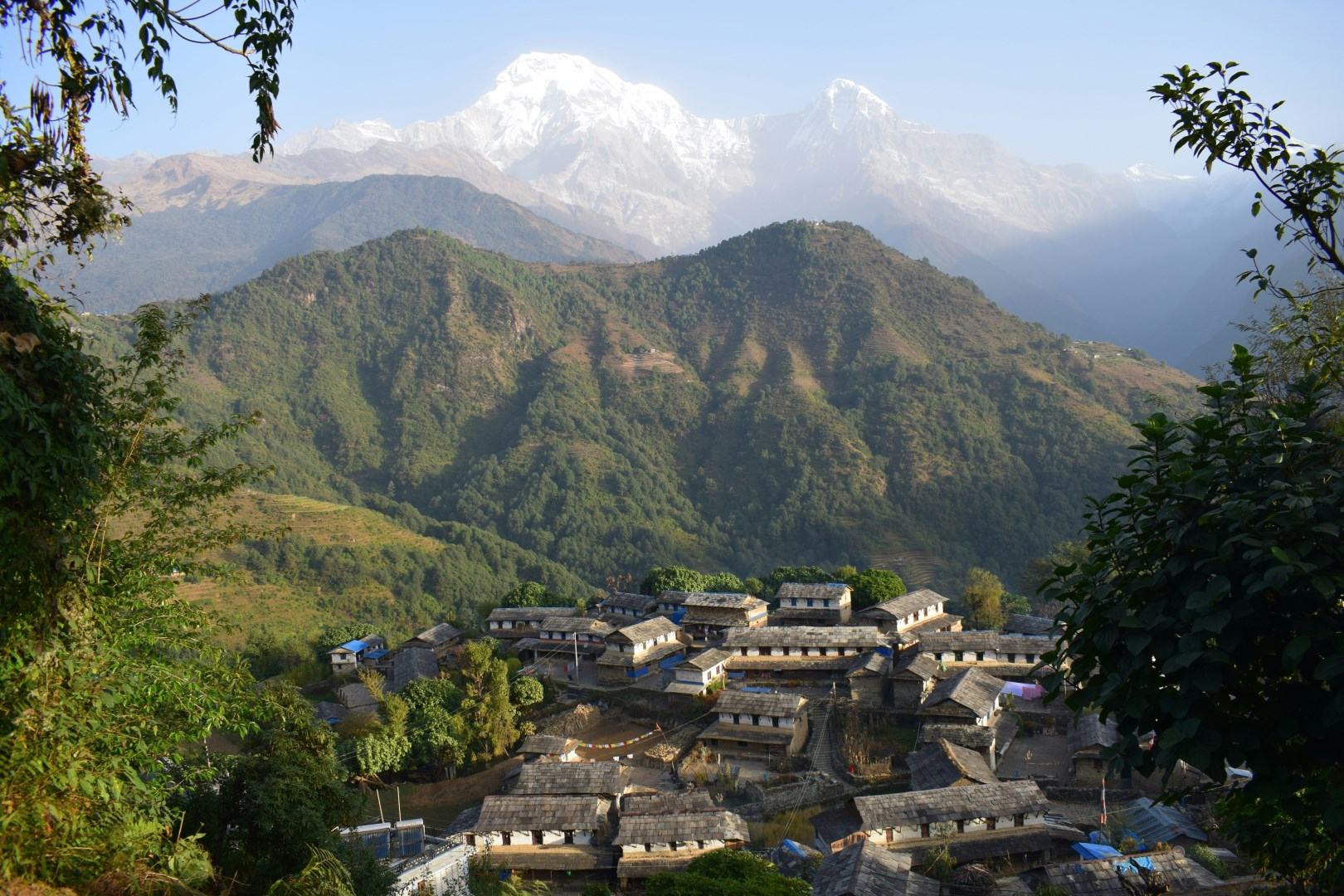
Ghandruk
Ghandruk is a mountain village in Nepal’s Annapurna region, located on terraced hillsides overlooking the Modi Khola Valley. The village is widely recognized for its stone houses, slate roofs, and panoramic views of peaks.
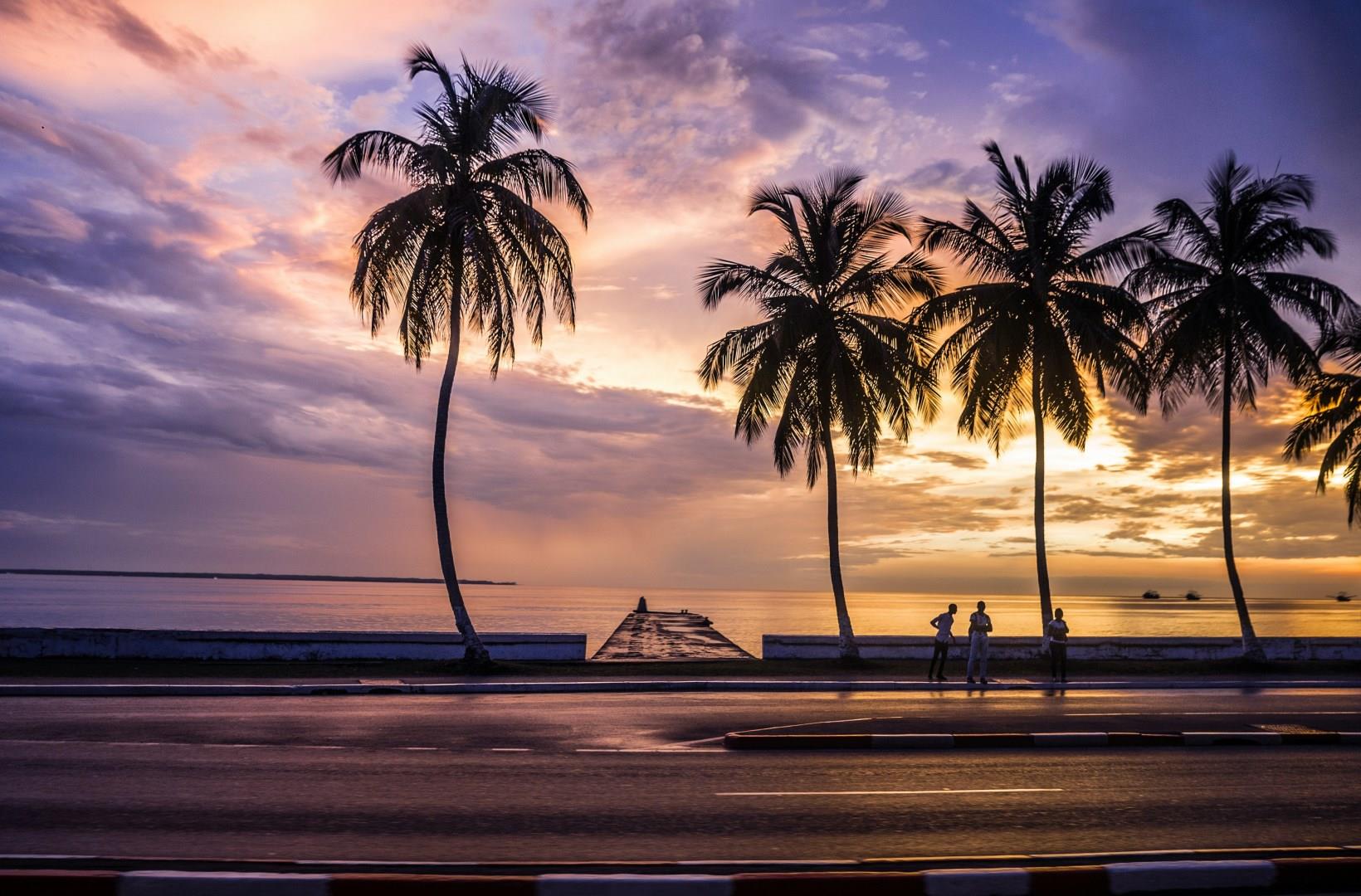
Libreville
Libreville, the capital of Gabon, stretches along the Atlantic coast with a mix of modern streets, colonial-era buildings, and bustling markets.
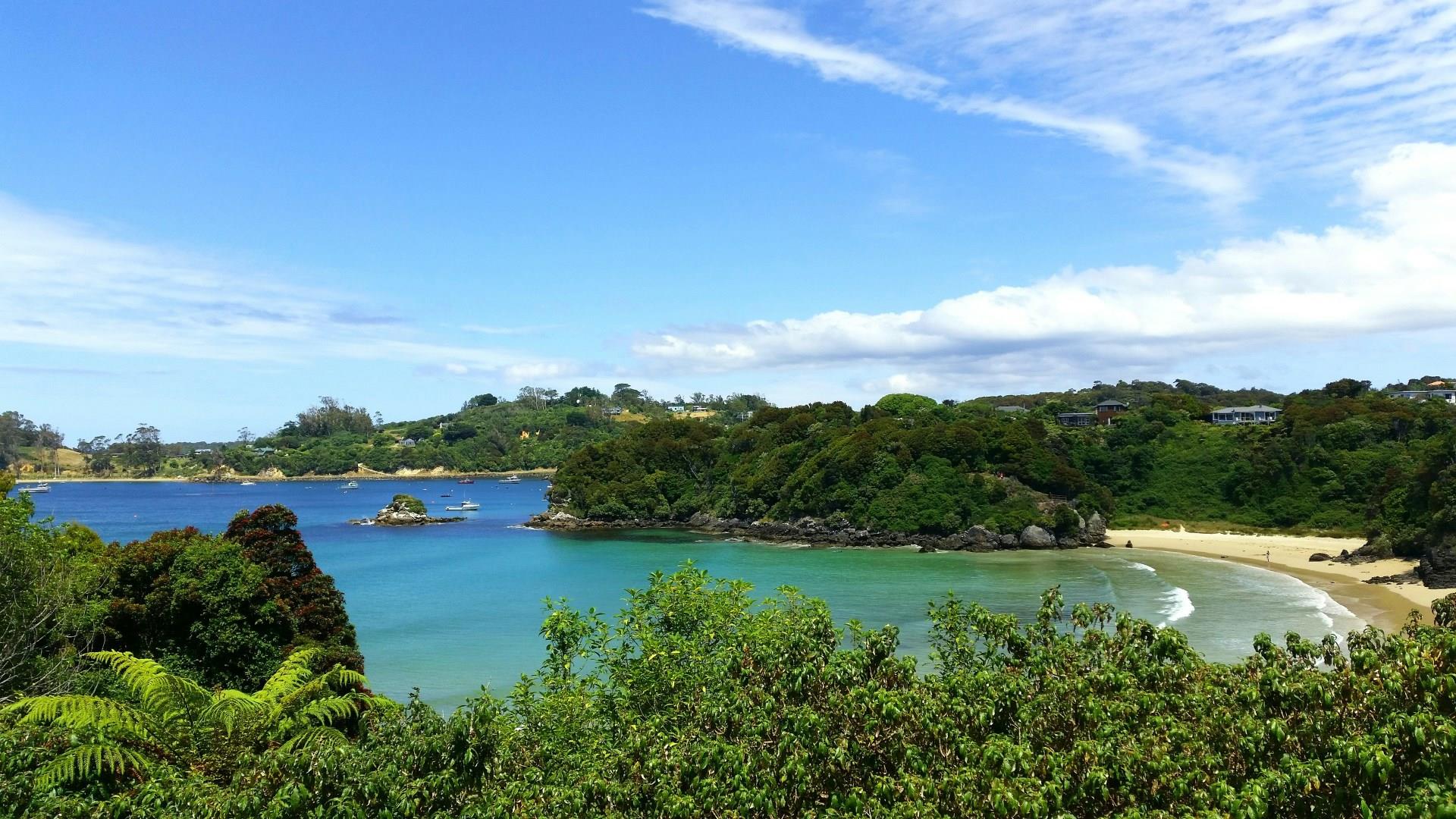
Stewart Island / Rakiura
Stewart Island, known in Māori as Rakiura, lies off the southern coast of New Zealand and is the country’s third-largest island.
