

Dominica
Dominica, known as the “Nature Island of the Caribbean,” is a haven for eco-tourists and adventure seekers. Nestled between the French islands of Guadeloupe and Martinique, this lush island boasts a remarkable landscape of volcanic mountains, dense rainforests, and stunning waterfalls. Dominica’s most iconic natural wonder is the Boiling Lake, the second-largest hot spring in the world.

Monkey Mia
Monkey Mia, located within the Shark Bay World Heritage Area on the western coast of Australia, is a serene paradise known for its world-famous wild dolphin encounters. This remote coastal gem, surrounded by the turquoise waters of the Indian Ocean, invites visitors to experience up-close interactions with bottlenose dolphins in their natural habitat. For over 50 years, these dolphins have made daily visits to Monkey Mia’s shores, creating a unique tradition that brings awe to travelers.

Uluru
Located in Australia's Northern Territory, Uluru is an iconic sandstone formation and UNESCO World Heritage site. This red rock monolith, believed to be over 500 million years old, has been considered sacred by Australia's indigenous peoples for thousands of years and is one of the country's most well-known natural landmarks. This spiritual destination will astound you at sunrise and sunset, when the warm sunlight turns Uluru to deep hues of red and orange.

Arequipa
Arequipa, known as the "White City," is built from sillar, a pale volcanic stone that glows in the sunlight. This architectural detail gives the historic center its striking appearance and has earned it recognition as a UNESCO World Heritage Site. Towering above the city is the perfectly symmetrical Misti Volcano, which, along with two neighboring peaks, forms a dramatic backdrop.
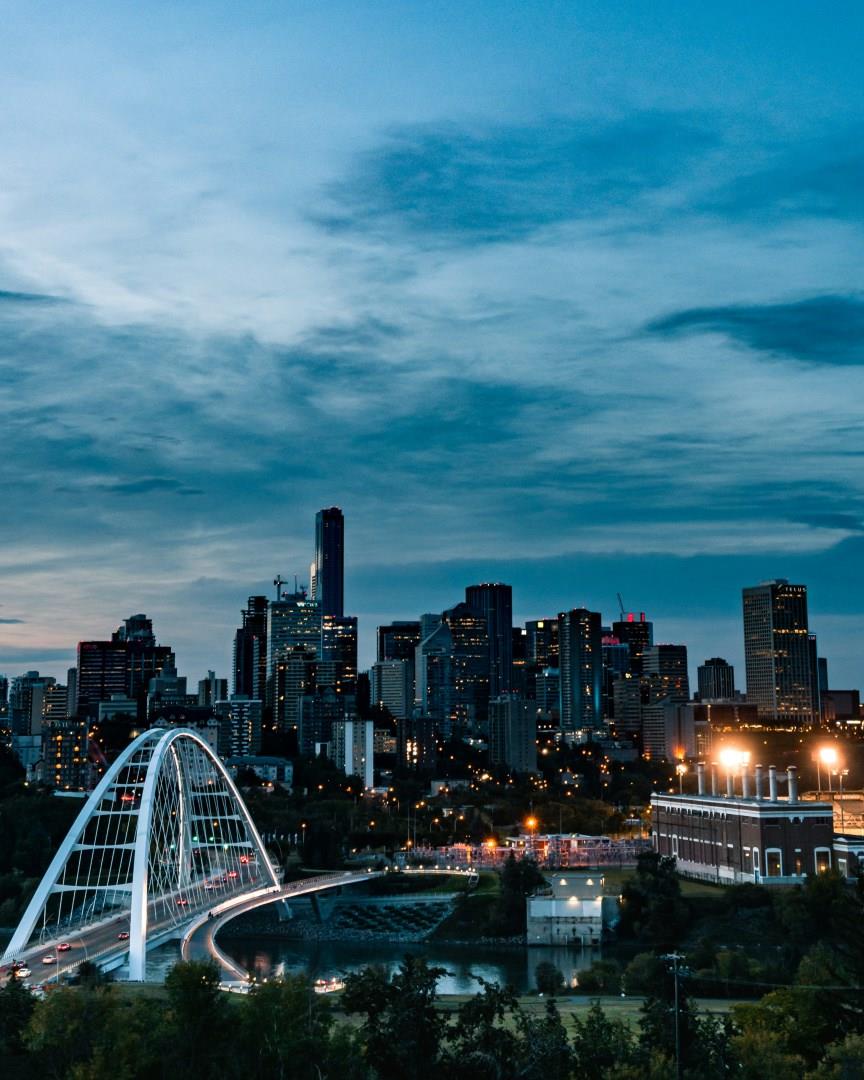
Edmonton
Edmonton, the capital of Alberta, is a city shaped by the meeting of prairie landscapes and the powerful North Saskatchewan River. With deep Indigenous roots and a history tied to fur trading posts, it has grown into a cultural and political hub of Western Canada.
