
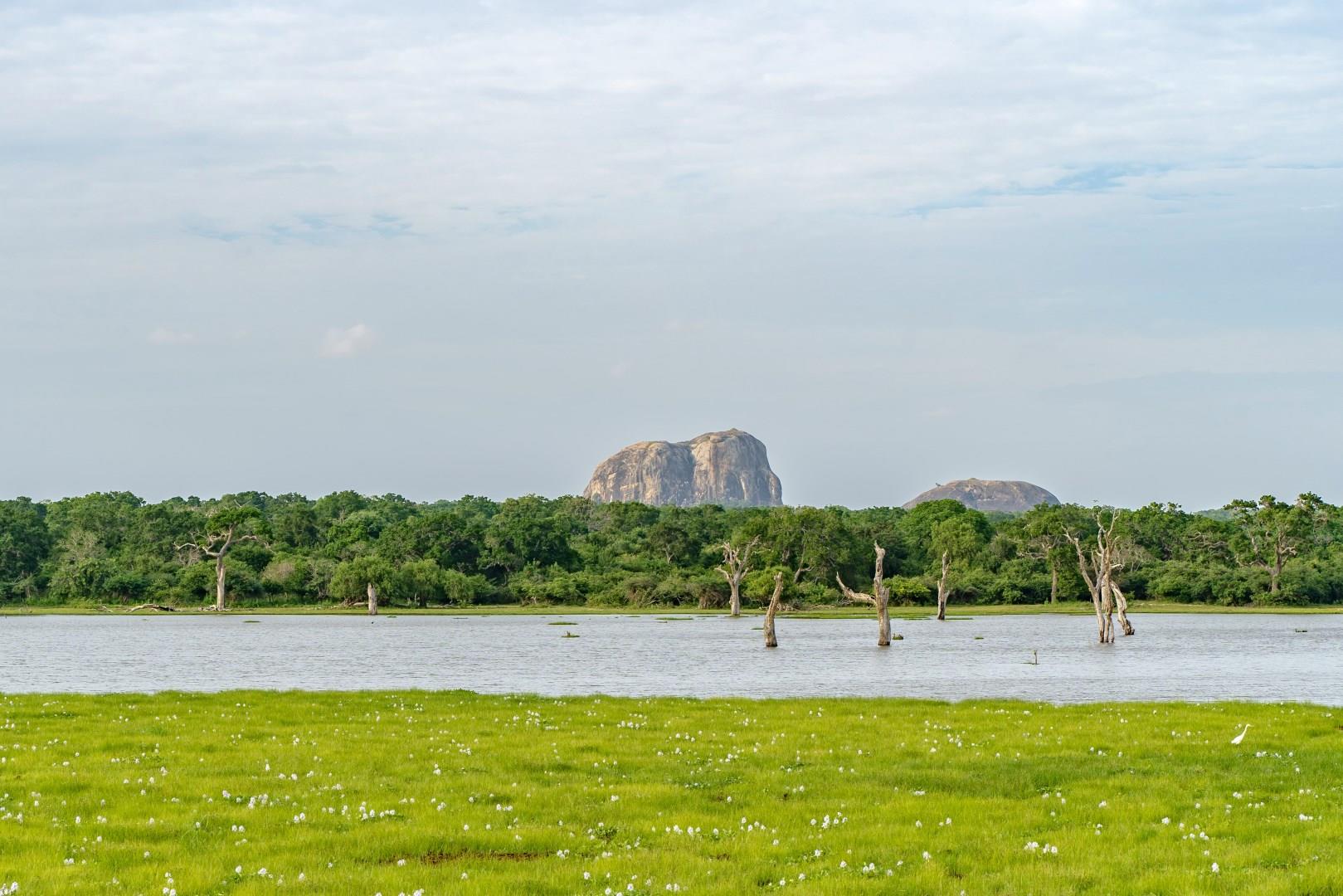
Yala National Park
Yala National Park sprawls across Sri Lanka’s southeast, where dry plains meet lagoons and the Indian Ocean’s shoreline. It is one of the country’s oldest protected areas, first set aside as a wildlife reserve in 1900 and later declared a national park in 1938, and today invites travelers to see life thrive in a wide range of landscapes, from scrubland to sandy beaches.
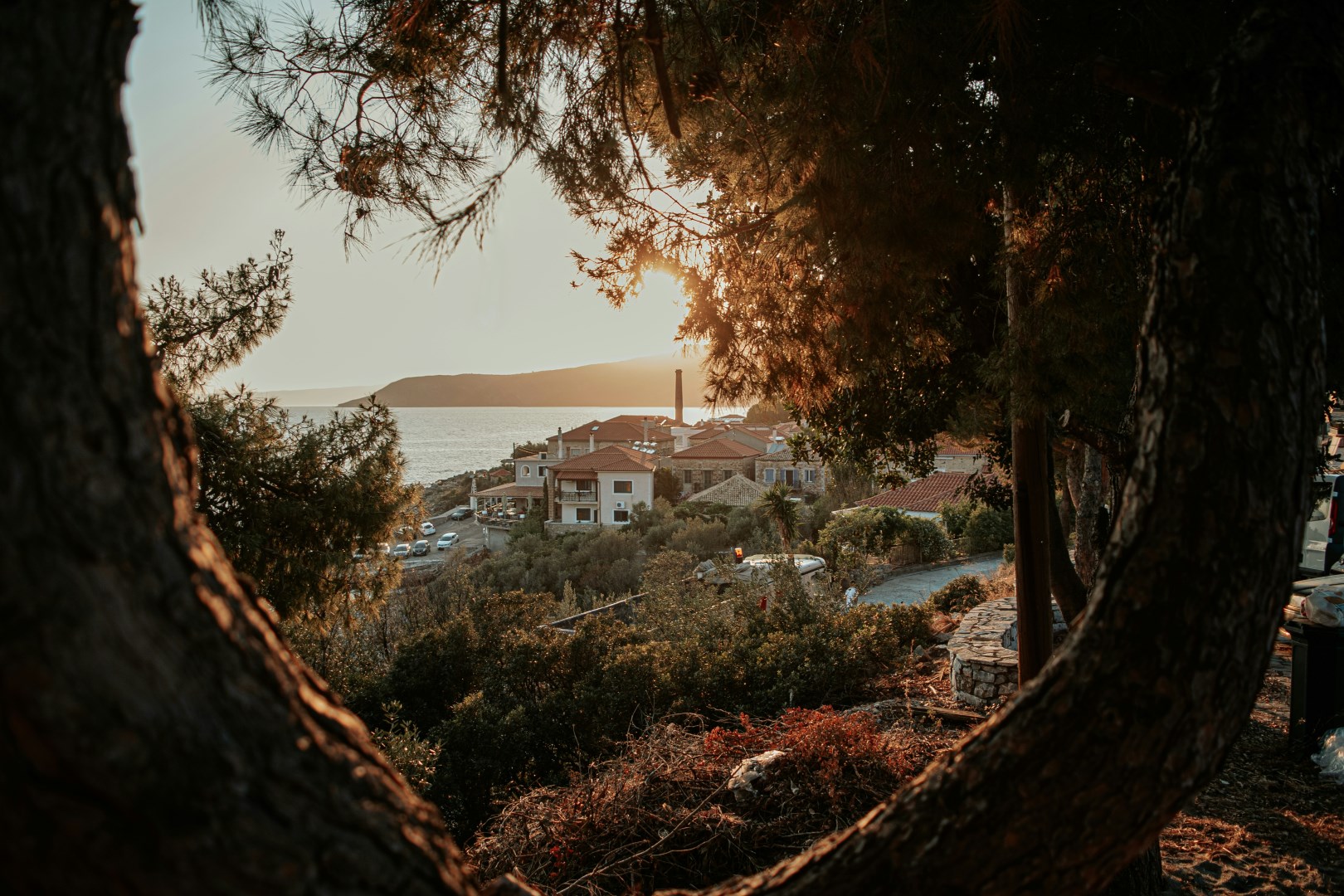
Kardamyli
Kardamyli is a coastal town in the Mani Peninsula of southern Greece, located between the Taygetus Mountains and the Messenian Gulf. Stone houses, olive groves, and narrow streets define much of the settlement, while the surrounding landscape combines steep hills with clear coastal waters.
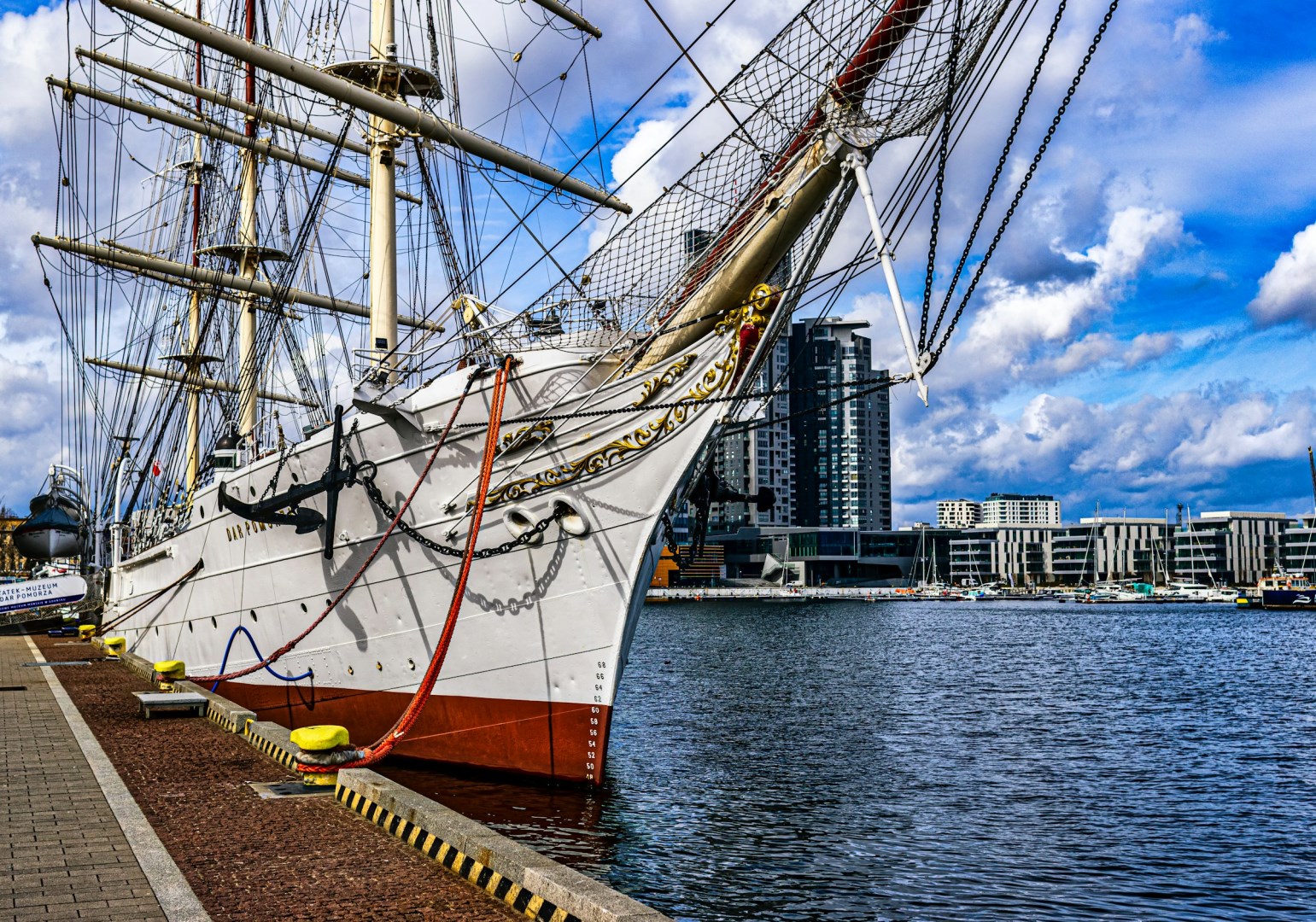
Gdynia
Gdynia is a Baltic Sea port city in northern Poland, forming part of the Tricity urban area with Gdańsk and Sopot. Its character is closely connected to the sea, with a large commercial harbor, marinas, beaches, and a waterfront city center. Unlike many Polish cities, Gdynia has a relatively modern urban fabric, with much of its central district shaped by interwar modernist architecture.
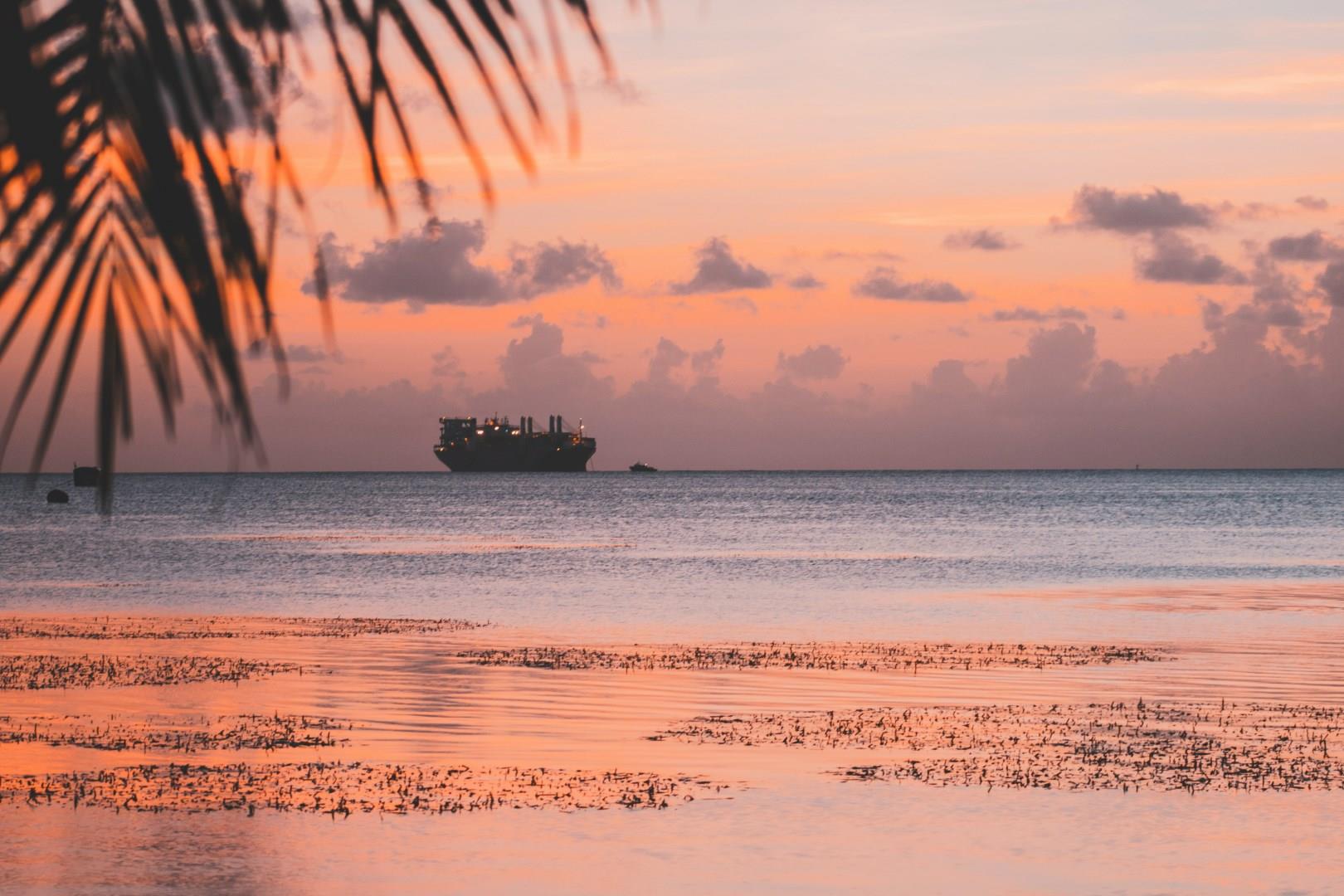
Saipan Island
Saipan, the largest of the Northern Mariana Islands, offers a rare combination of deep historical roots, island traditions, and dramatic landscapes. Located in the western Pacific, this U.S. territory was once the site of one of the most pivotal battles in the Pacific during World War II. Visitors today can explore the remains of bunkers, tanks, and hidden caves at sites like Suicide Cliff, Last Command Post, and the American Memorial Park.
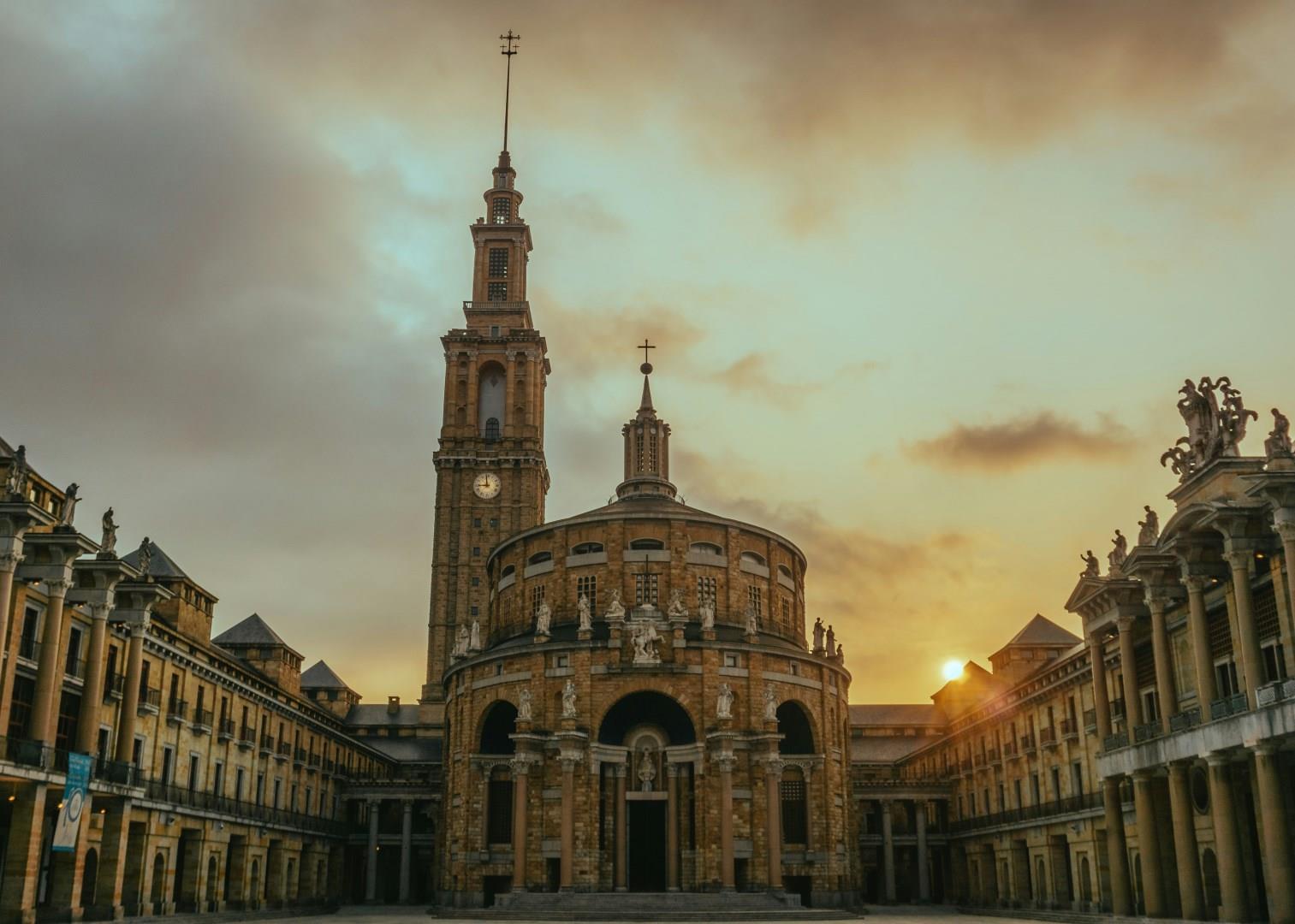
Gijon
Gijón sits on Spain’s northern coast in Asturias, shaped by its long relationship with the Cantabrian Sea. From its origins as a Roman settlement to its later growth as an industrial and port city, Gijón has balanced maritime work with civic life.
