

Caye Caulker
Caye Caulker lies off the coast of Belize, a small island that was once a quiet fishing village and today still feels wonderfully uncrowded compared to many Caribbean destinations. Its name likely comes from an English twist on “Hicaco,” the old Spanish name meaning coco plum, a nod to the island’s early days and bilingual roots.
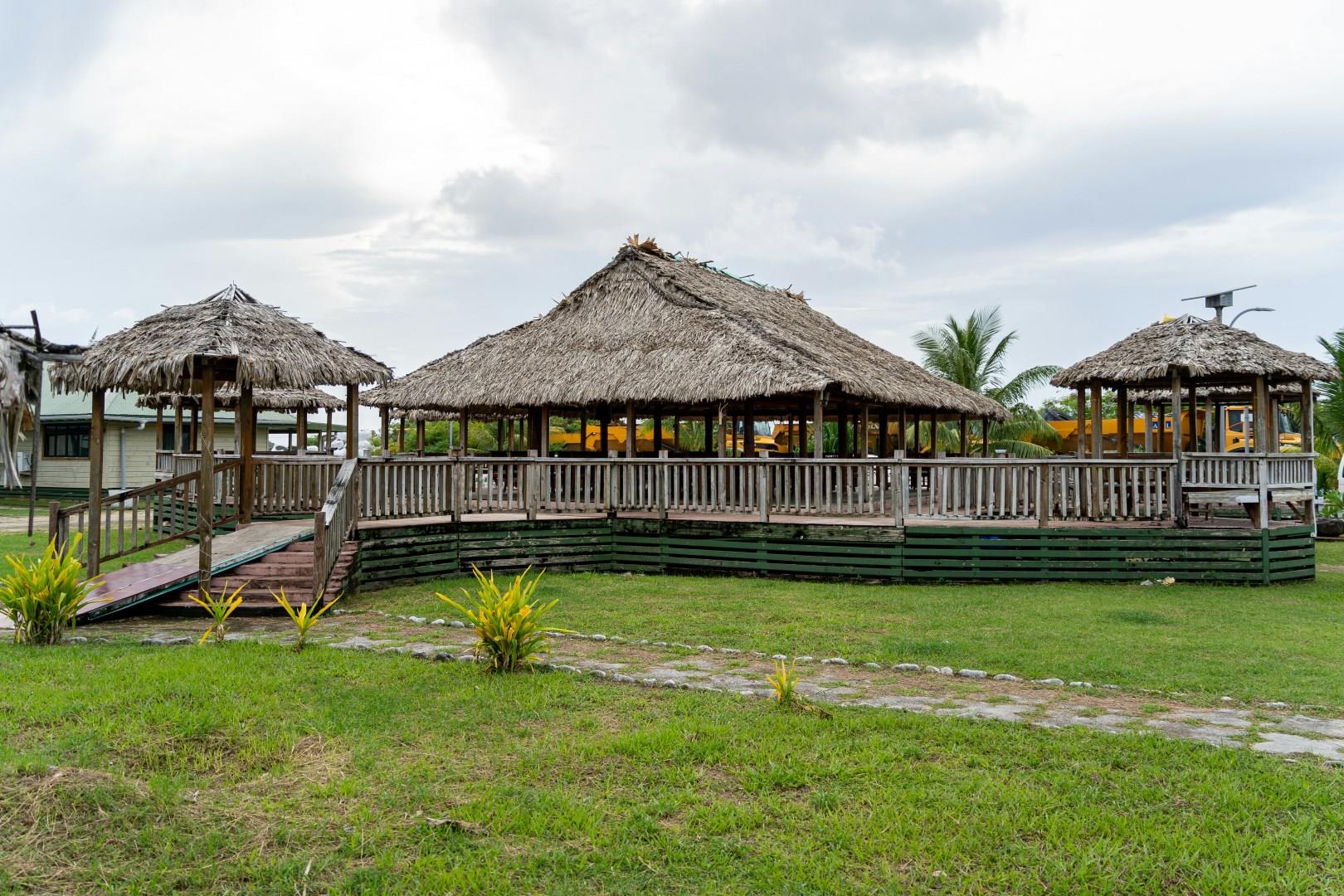
Funafuti Atoll
Funafuti Atoll, the capital of Tuvalu, is a narrow strip of land wrapped around a brilliant turquoise lagoon that stretches over 20 kilometers across. Despite being just 600 meters at its widest point, Funafuti is the heartbeat of the country, where government buildings, homes, schools, and the island’s only airport all coexist along sandy roads lined with coconut trees.

Dominica
Dominica, known as the “Nature Island of the Caribbean,” is a haven for eco-tourists and adventure seekers. Nestled between the French islands of Guadeloupe and Martinique, this lush island boasts a remarkable landscape of volcanic mountains, dense rainforests, and stunning waterfalls. Dominica’s most iconic natural wonder is the Boiling Lake, the second-largest hot spring in the world.

Tangier
Located on the north coast of Morocco near the Strait of Gibraltar, Tangier is a cultural capital replete with historic sites, colorful architecture, and splendid beaches. An essential stop is the Ancien Medina, a walled collection of winding streets and alleys filled with cafes and shops leading to the Kasbah, a former palace and mosque that also houses a museum.

Mount Kilimanjaro
Mount Kilimanjaro, located in Tanzania, stands as Africa’s highest peak and an iconic symbol of adventure. This majestic stratovolcano rises 5,895 meters (19,341 feet) above sea level, making it one of the world’s most accessible high summits. Climbing Kilimanjaro offers a unique opportunity to traverse multiple climate zones, from lush rainforests and alpine meadows to the icy summit.
