
Sintra
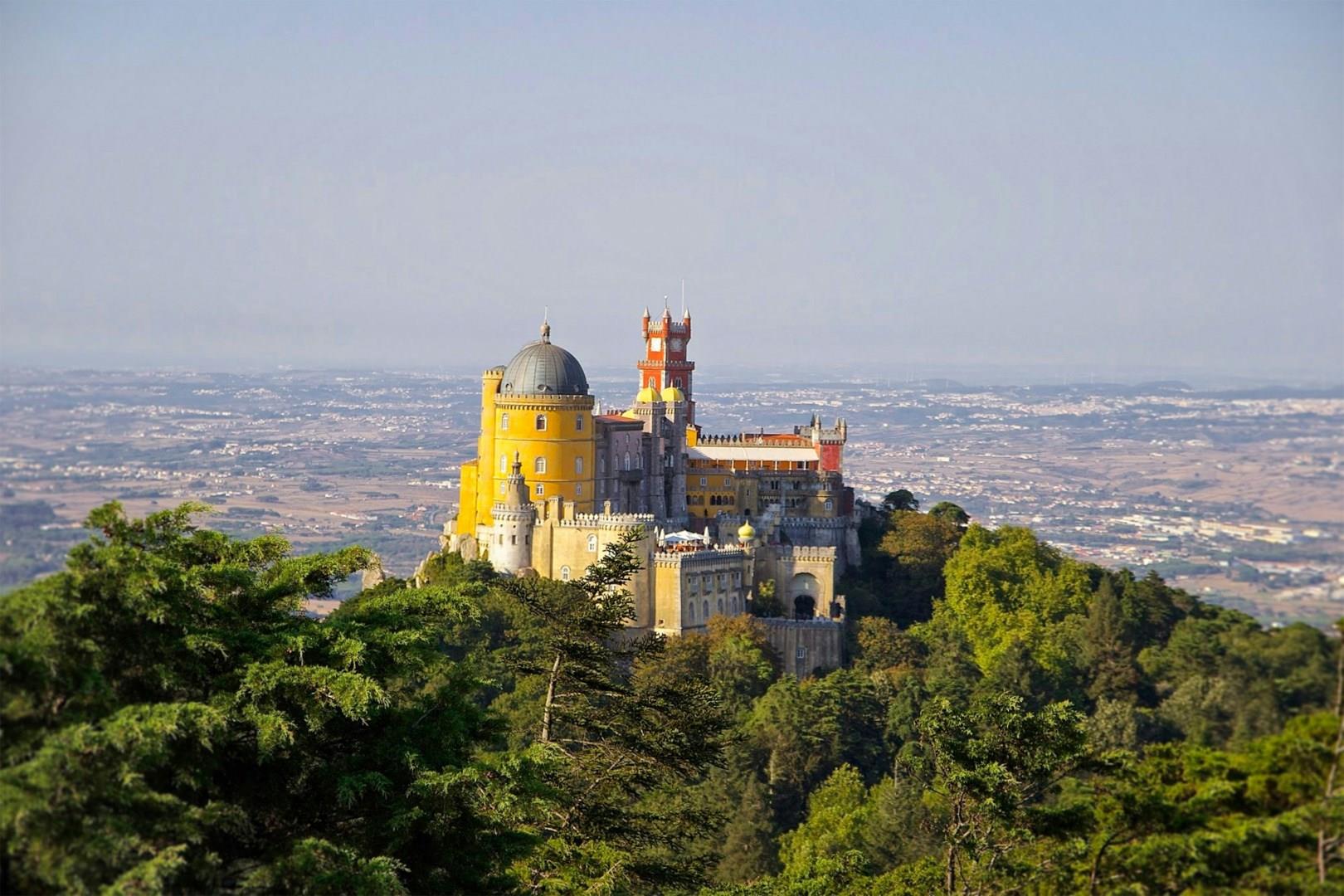
Sintra, located just 40 minutes from Lisbon, feels like a world apart. Tucked into the hills of the Serra de Sintra, this town has drawn kings, poets, and explorers for centuries. It was once the summer retreat of Portuguese royalty, who left behind palaces and gardens that seem pulled from a storybook. The most famous, Palácio da Pena, is perched high above the town with bold red and yellow towers that blend Romanticism with Moorish and Gothic styles.
Zamora
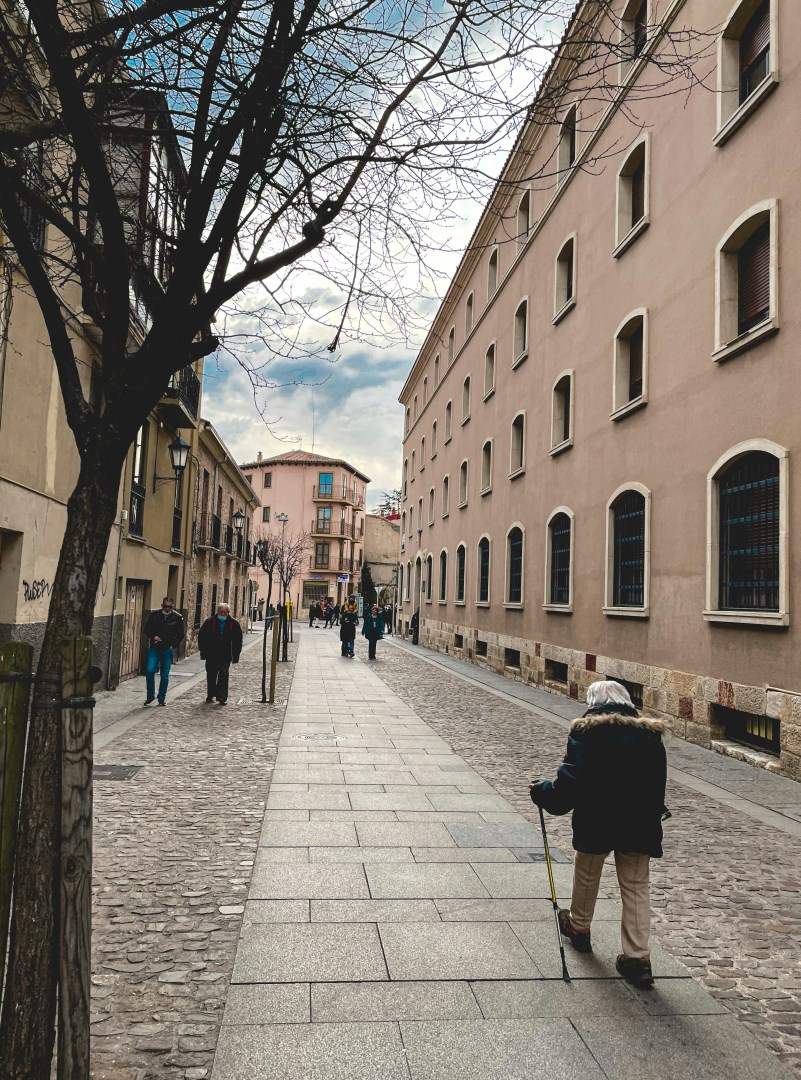
Zamora is a compact city in northwestern Spain, set along the Duero River and known for its remarkable concentration of Romanesque architecture.
Oia
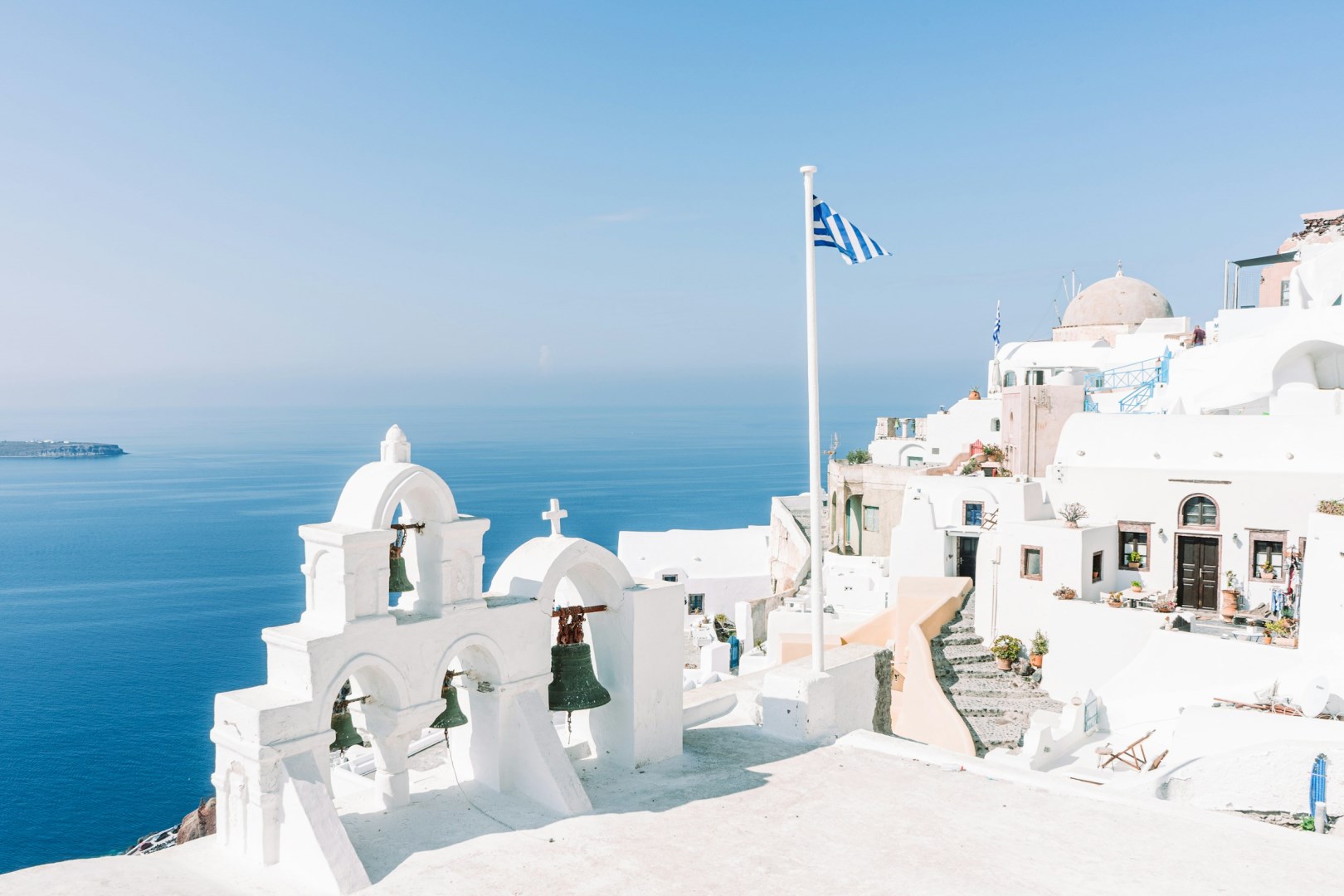
Oia is a historic village on the northern tip of Santorini, built along the steep rim of the island’s volcanic caldera. Its whitewashed houses, cave dwellings, blue-domed churches, and narrow pedestrian lanes follow the contours of the cliffs above the Aegean Sea. The village developed a strong maritime identity through its captains’ houses and seafaring families, many of which are preserved among its traditional buildings.
Annaba
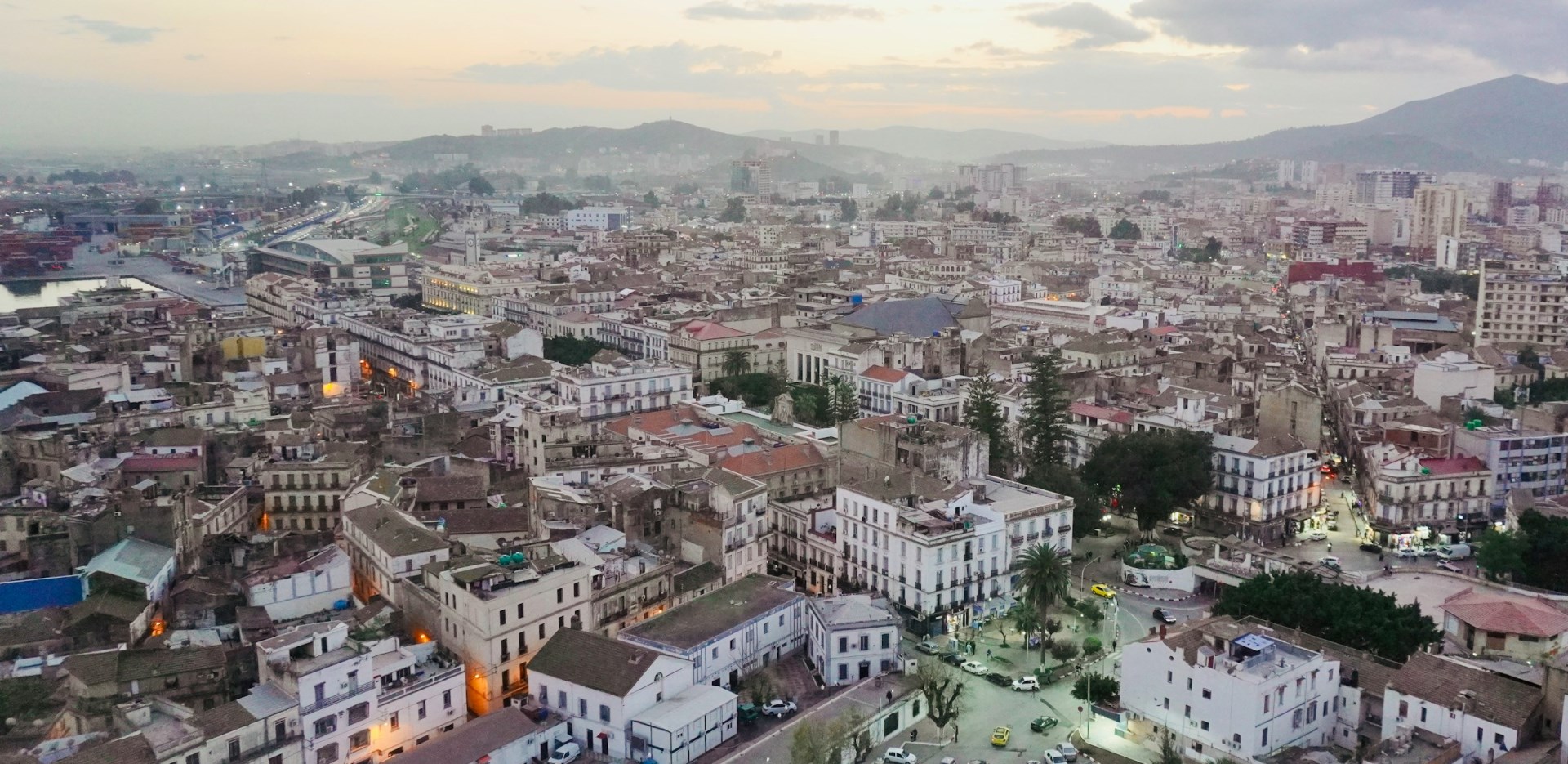
Annaba is a coastal city in northeastern Algeria, set along the Mediterranean near the forested hills of the Edough Mountains. Its identity combines a working port, sandy beaches, historic neighborhoods, and the archaeological remains of ancient Hippo Regius. The city is also closely associated with Saint Augustine, who served as bishop of Hippo, giving Annaba an important place in the religious and intellectual history of North Africa.

Mount Kilimanjaro
Mount Kilimanjaro, located in Tanzania, stands as Africa’s highest peak and an iconic symbol of adventure. This majestic stratovolcano rises 5,895 meters (19,341 feet) above sea level, making it one of the world’s most accessible high summits. Climbing Kilimanjaro offers a unique opportunity to traverse multiple climate zones, from lush rainforests and alpine meadows to the icy summit.
