
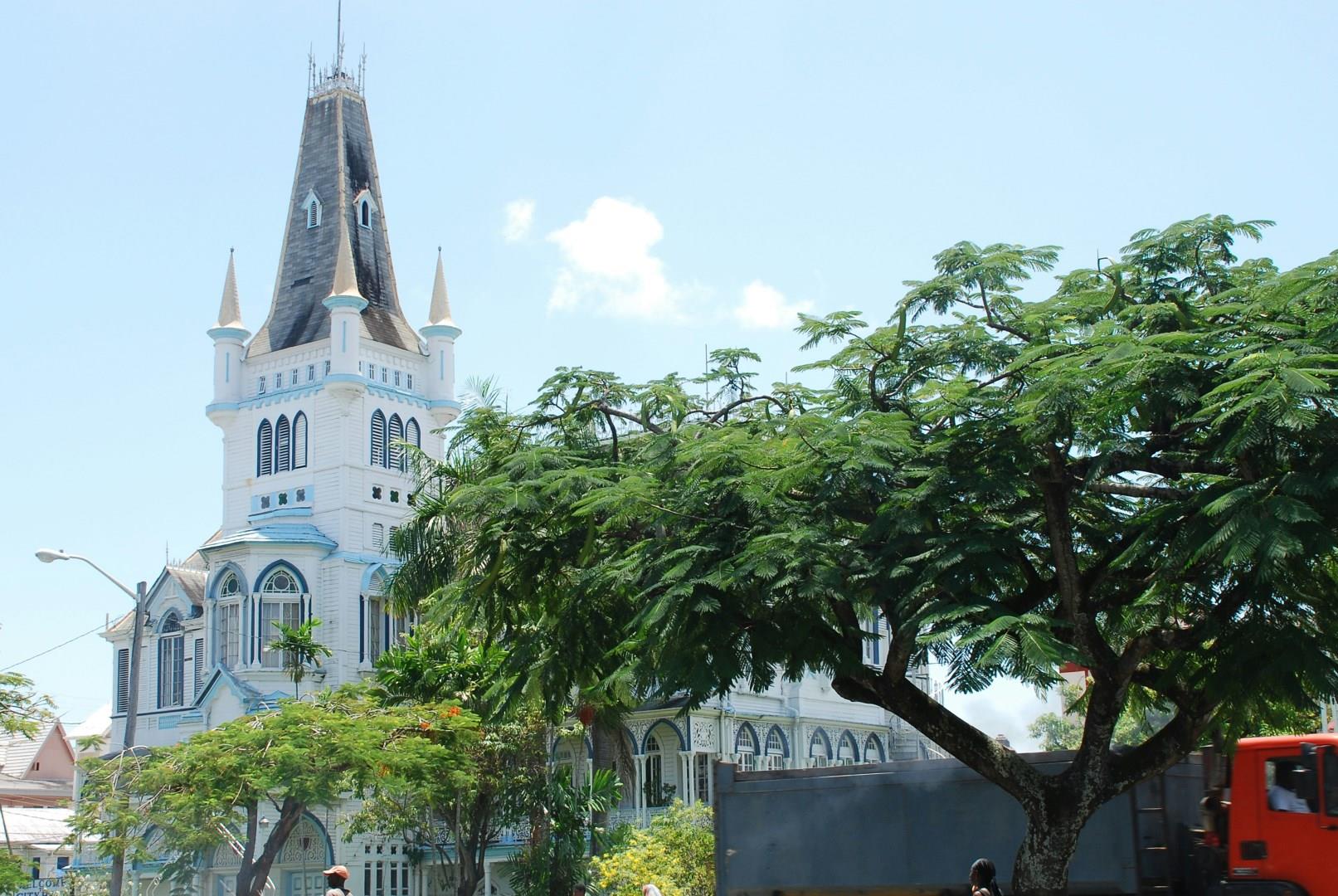
Georgetown
Georgetown, Guyana’s capital, is a city of wooden cathedrals, tree-lined canals, and street corners alive with music, food, and political discussion. Located at the mouth of the Demerara River, the streets still follow the Dutch grid system, and the city’s architectural signature, with its elegant wooden buildings with louvered shutters and fretwork, make it one of the most visually distinct capitals in South America.
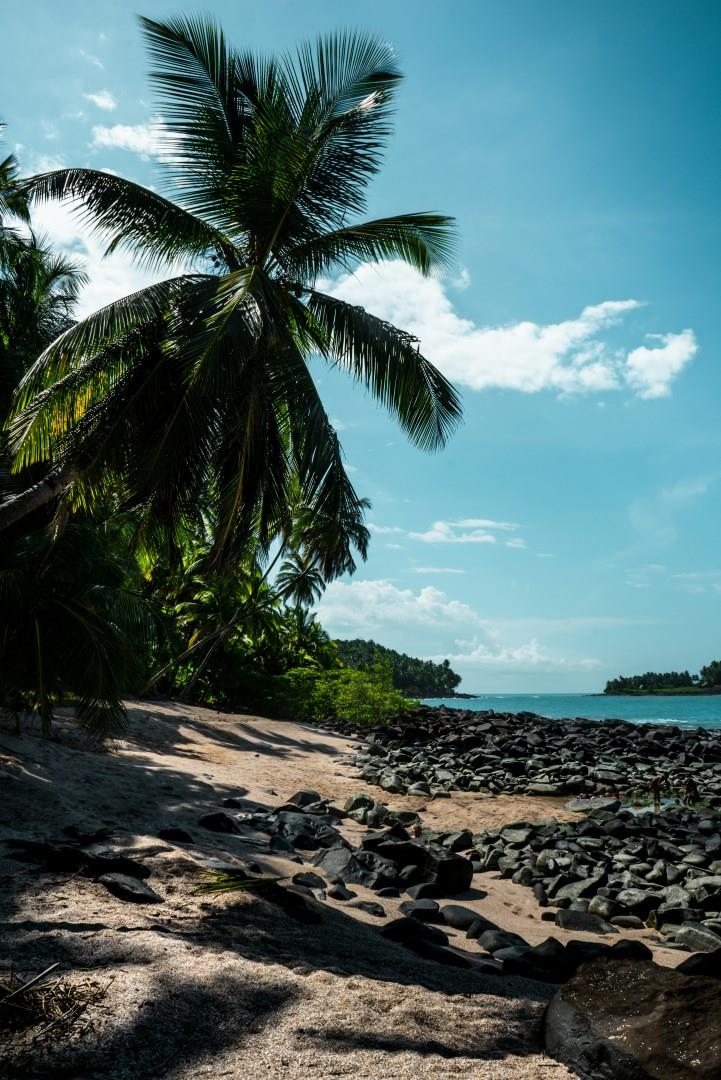
Cayenne
Cayenne, the lively capital of French Guiana, sits where the Cayenne River meets the Atlantic Ocean, blending South American rhythms with French-Caribbean influence. While it's officially part of France, Cayenne feels worlds away from Paris, with colorful markets, colonial architecture, and a language mix that includes French, Creole, Portuguese, and Indigenous dialects.
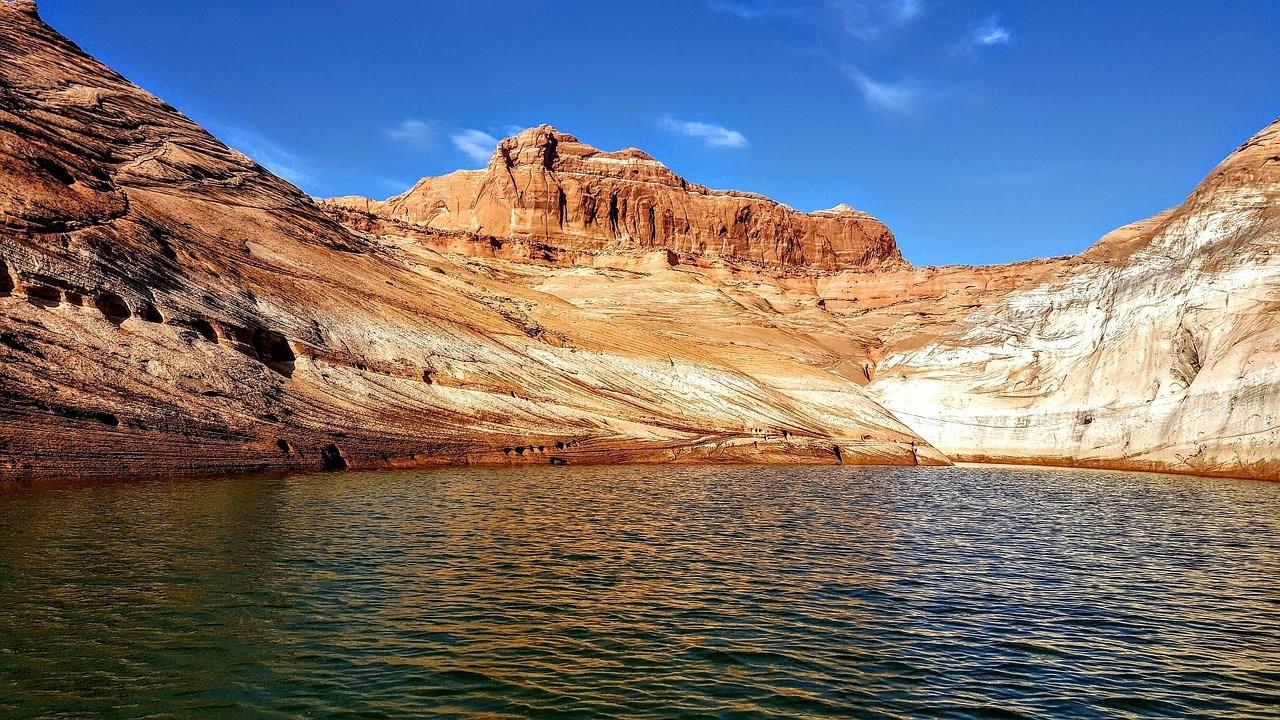
St. George
St. George, Utah, is a desert city in the state’s southwest corner, celebrated for its striking red rock landscapes, mild climate, and proximity to some of the American West’s most iconic natural wonders.

Garden of the Gods
Garden of the Gods, located in Colorado Springs, is a breathtaking natural wonder renowned for its stunning red rock formations and striking geological features. This public park is famous for its towering sandstone spires, some reaching heights of over 300 feet, which create a dramatic contrast against the backdrop of the snow-capped Pikes Peak.

Kampot
Kampot is a riverside town in southern Cambodia with a story that stretches from a bustling 19th-century seaport to a calm center for travelers seeking real local experiences. Wandering these streets reveals faded pastel facades, shuttered balconies, and hints of a past where merchants from China, Malaysia, and Europe met on this quiet stretch of the Cambodian coast.
