

Pulau Ubin
Pulau Ubin, an island northeast of mainland Singapore, offers a glimpse into the country’s past with its preserved kampong (village) atmosphere and rustic landscapes. Unlike the modern cityscape of Singapore, Pulau Ubin retains its traditional charm, with wooden houses, coconut palms, and unpaved roads where bicycles are the main mode of transport.

Istanbul
Istanbul is a city built on layers of empire. Spanning two continents, it was once the capital of three major empires: Roman, Byzantine, and Ottoman. Visitors walking through the Sultanahmet district can witness this timeline firsthand, from the Roman-era Hippodrome to the Byzantine mosaics of Hagia Sophia, and the towering minarets of the Blue Mosque. At nearby Topkapi Palace, rooms still display the jeweled swords, ceremonial robes, and handwritten Qurans once used by Ottoman sultans.
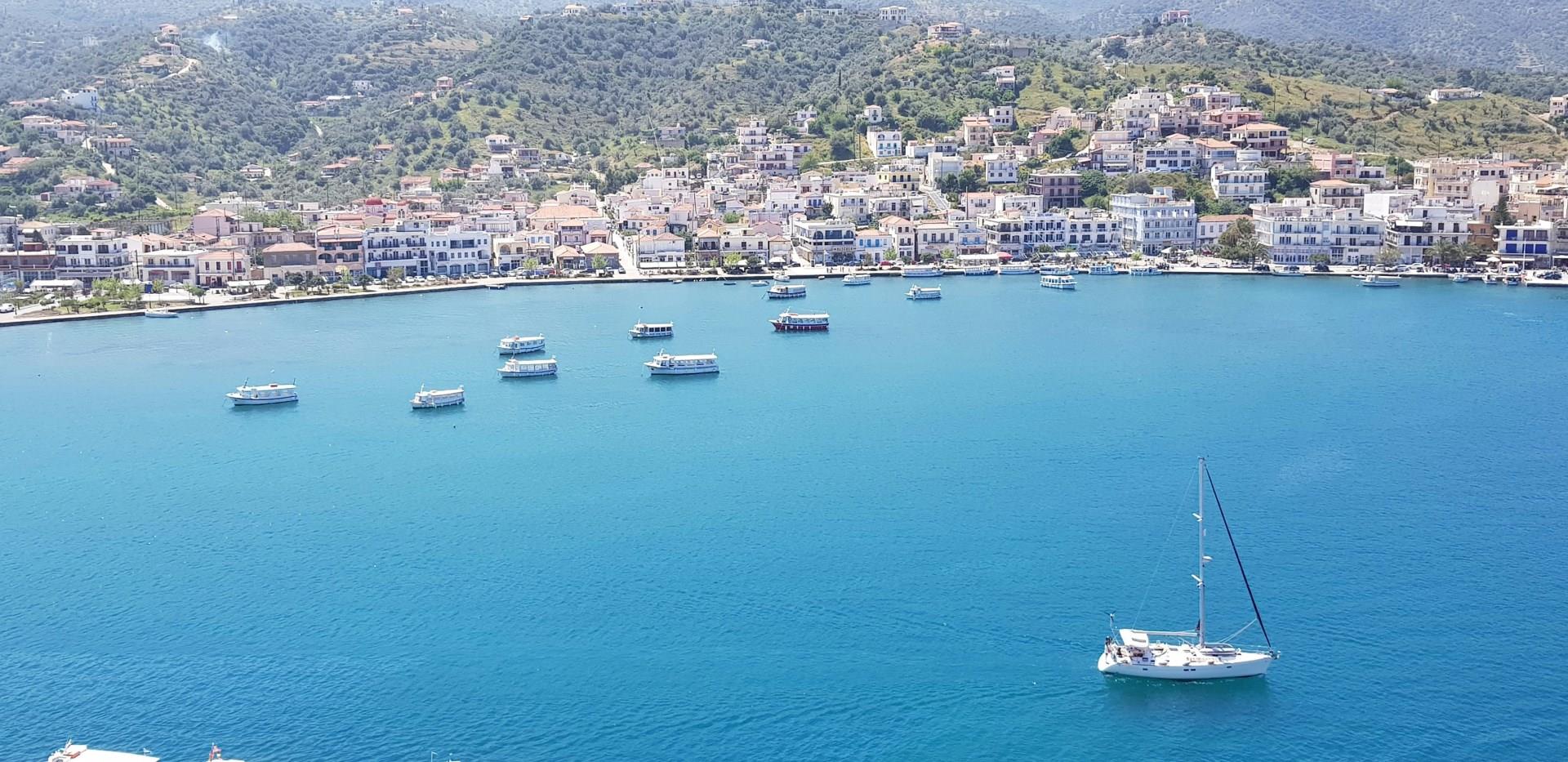
Poros
Poros, a small island in the Saronic Gulf of Greece, is known for its pine-covered hills, neoclassical architecture, and laid-back charm. Just an hour by ferry from Athens, it feels worlds away from the bustle of the capital, offering a slower pace and picturesque scenery.
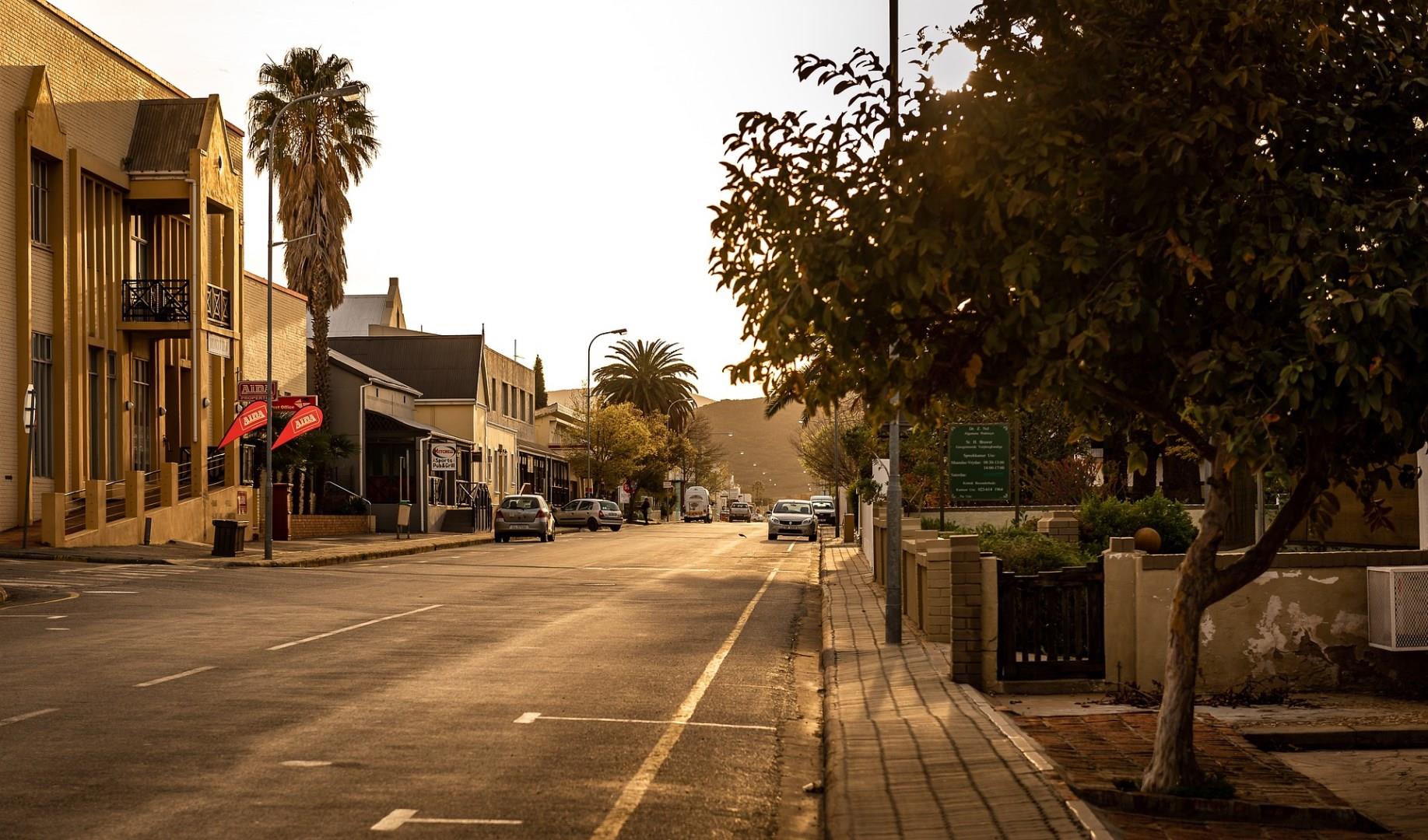
Montagu
Nestled in the heart of South Africa’s Western Cape, Montagu is a charming town renowned for its natural beauty and historical significance. Surrounded by rugged mountains and lush vineyards, Montagu is a gateway to the stunning Klein Karoo region. Visitors are drawn to its remarkable architecture, particularly the well-preserved Cape Dutch and Victorian buildings that line the streets, reflecting the town’s rich history.

Savuti
Savuti, located in the northern part of Botswana, is a prime destination for those seeking an extraordinary wildlife experience. Nestled within the Chobe National Park, Savuti is renowned for its dynamic landscapes and prolific game viewing opportunities. This area is particularly famous for its seasonal changes, where the Savuti Channel, a once-dry riverbed, transforms into a vibrant waterway during periods of flooding.
