

Dominica
Dominica, known as the “Nature Island of the Caribbean,” is a haven for eco-tourists and adventure seekers. Nestled between the French islands of Guadeloupe and Martinique, this lush island boasts a remarkable landscape of volcanic mountains, dense rainforests, and stunning waterfalls. Dominica’s most iconic natural wonder is the Boiling Lake, the second-largest hot spring in the world.

Heraklion
The capital of Crete, Heraklion is a Greek port city and a popular stop on Mediterranean and Greek cruises. The city is an historical marvel, replete with archaeological wonders and remnants of the region's past. Highlights include the Heraklion Archaeological Museum, the Rocca a Mare Fortress, the Venetian Loggia, and just past the city limits, the Palace of Knossos.

Taha'a
Sharing a common lagoon with Raiatean and accessible only by boat, Taha'a produces about 80% of all vanilla in French Polynesia. Taha'a is the only island in the Society Islands that can be completely circled by boat inside the protected lagoon.
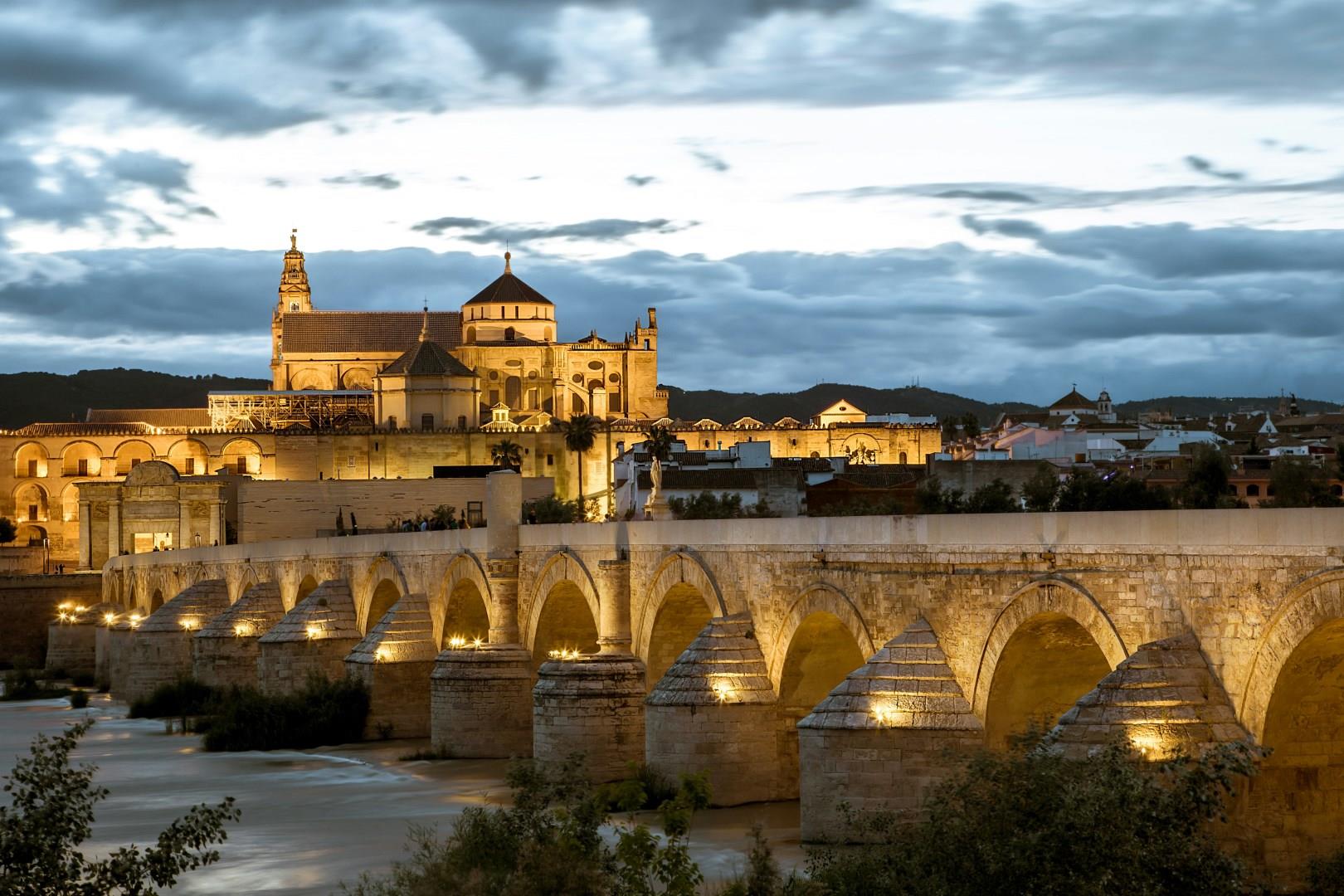
Córdoba
Córdoba, located in the heart of Andalusia, was once the most advanced city in Western Europe. During the 10th century, it served as the capital of Al-Andalus and was a center for learning, science, and art. Today, visitors walk the same streets that philosophers, poets, and physicians once crossed. The city’s most famous landmark, the Mezquita-Catedral, reflects its layered past. The red and white horseshoe arches inside are one of the most photographed interiors in Spain.

Rotterdam
If you find yourself in Rotterdam, there's a strong chance you've arrived by water. This popular port city (the second largest in the Netherlands) has gone through an architectural renaissance since World War II, with daring, innovative structures dotting the city (cube houses!) and defining its skyline. Café culture is on the rise here, so grab yourself a table and a cup.
