

Canada
Canada spans an immense and diverse landscape, offering experiences that range from cosmopolitan city life to some of the most pristine wilderness on Earth.
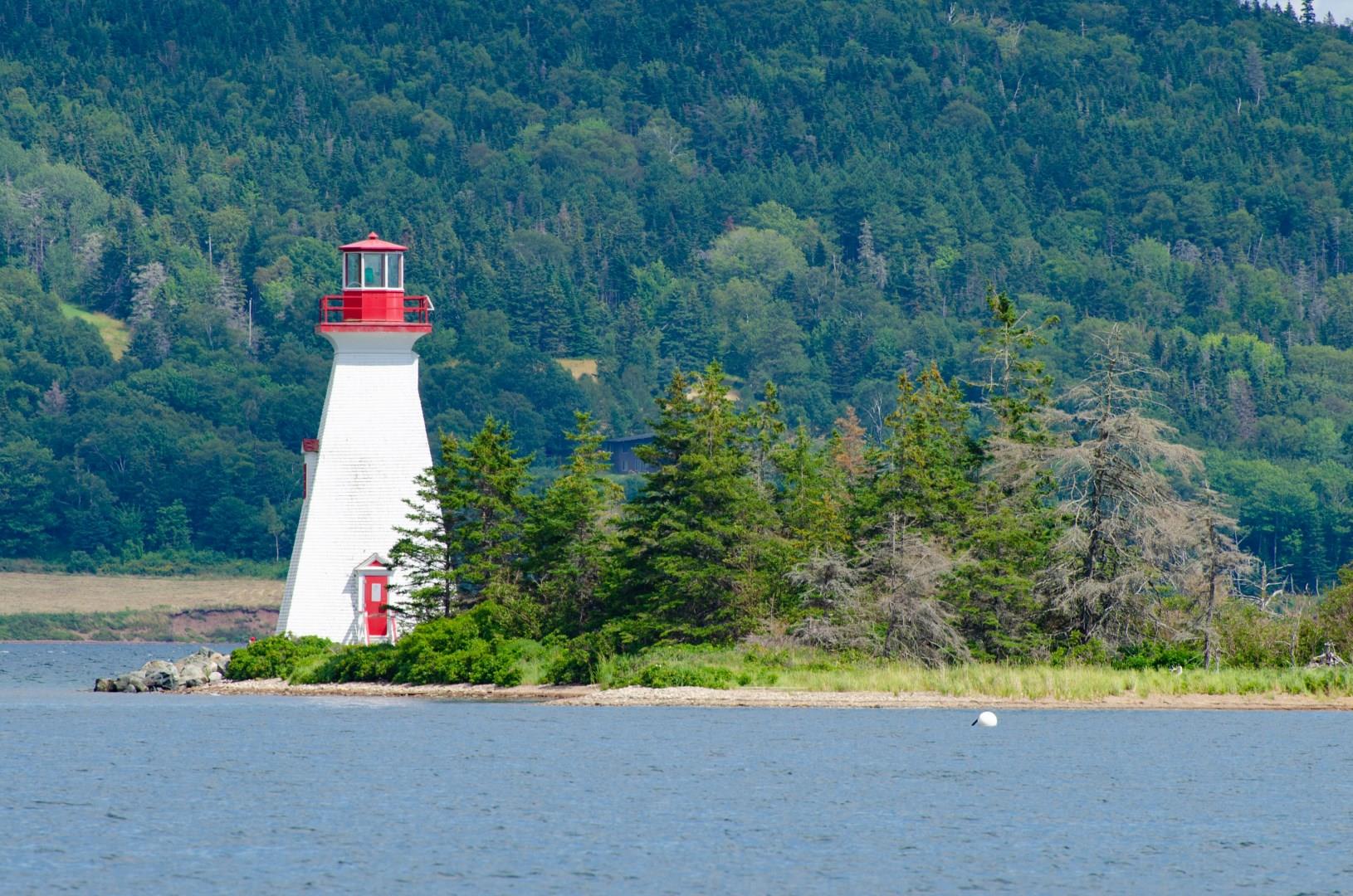
Baddeck, Cape Breton Island
Baddeck sits along the calm waters of the Bras d’Or Lake on Cape Breton Island in Nova Scotia, a village with deep roots and stories to tell. Its name comes from an Indigenous word thought to mean “place with an island near,” a nod to nearby Kidston Island and the long history of the Mi’kmaq people in the area. A highlight for many visitors is the Alexander Graham Bell National Historic Site, where the legacy of one of history’s most inventive minds comes alive.

Dominica
Dominica, known as the “Nature Island of the Caribbean,” is a haven for eco-tourists and adventure seekers. Nestled between the French islands of Guadeloupe and Martinique, this lush island boasts a remarkable landscape of volcanic mountains, dense rainforests, and stunning waterfalls. Dominica’s most iconic natural wonder is the Boiling Lake, the second-largest hot spring in the world.

Tulum
Tulum, a jewel of the Riviera Maya, is a blend of ancient history, vibrant culture, and pristine natural beauty. Perched on a cliff overlooking the turquoise Caribbean Sea, the Tulum Ruins stand as one of the last cities built and inhabited by the Maya civilization. The well-preserved El Castillo, Temple of the Frescoes, and Temple of the Descending God offer insight into the architectural prowess and spiritual life of the ancient Maya.

Fez
A series of gates surrounds the two centers of ancient, medieval Fez (sometimes spelled Fes). The principal axes link the center to the gates and a street surrounds the heart of the old city. The Kairouan quarter, which is longer, is crossed by an artery. Narrow, tortuous pedestrian streets, covered passages, stairs and numerous dead-ends make up the dense layout with few urban squares.
