
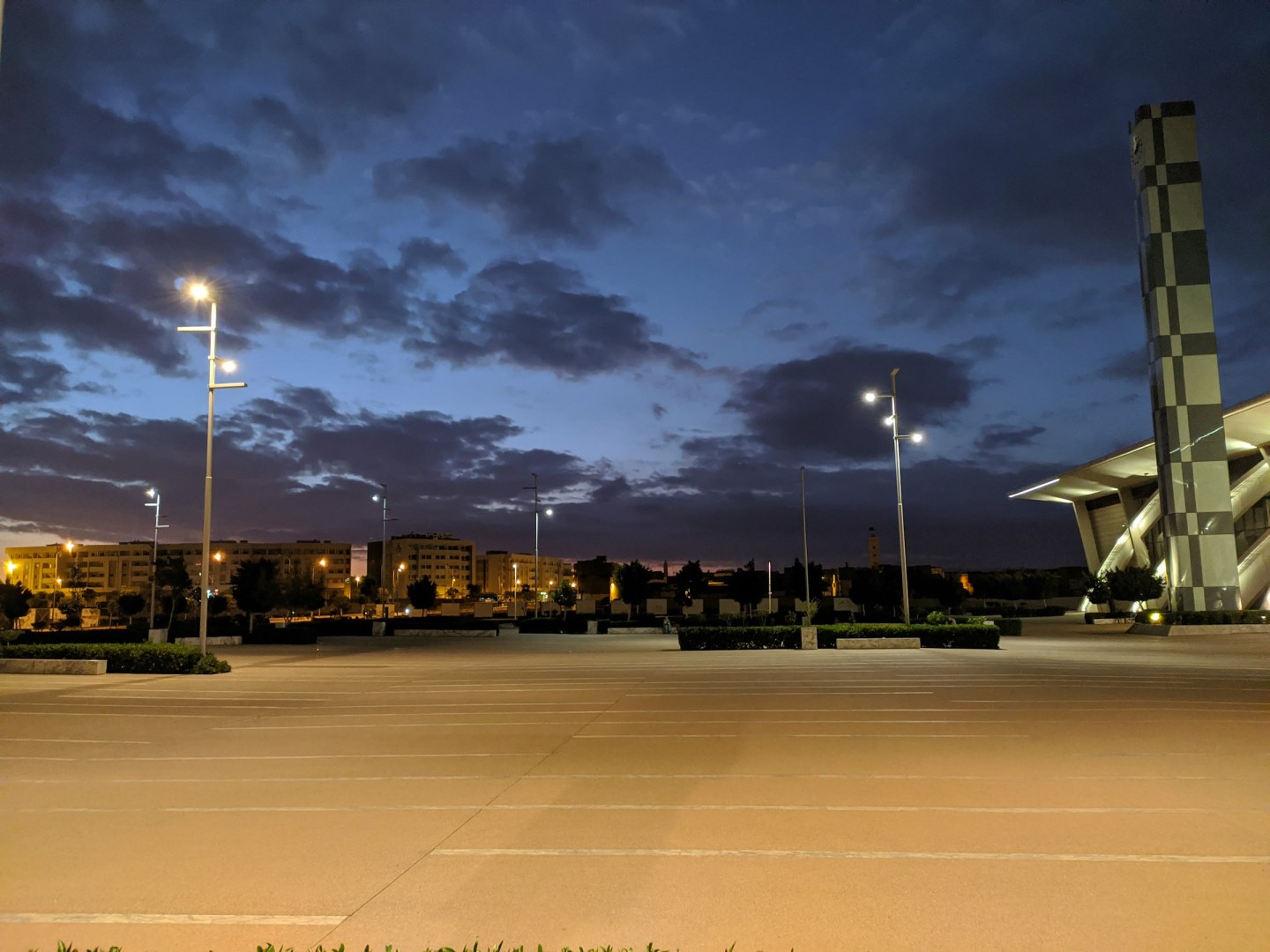
Oujda
The capital of eastern Morocco, Oujda stands on the border with Algeria. Its privileged geographic position makes it a center for Maghreb tourism and a meeting point of routes between Morocco and other North African countries. Many streams run from the northern slopes to irrigate the well-kept gardens and orchards. Crossing these imposing mountains affords a magnificent panoramic view of Oujda.
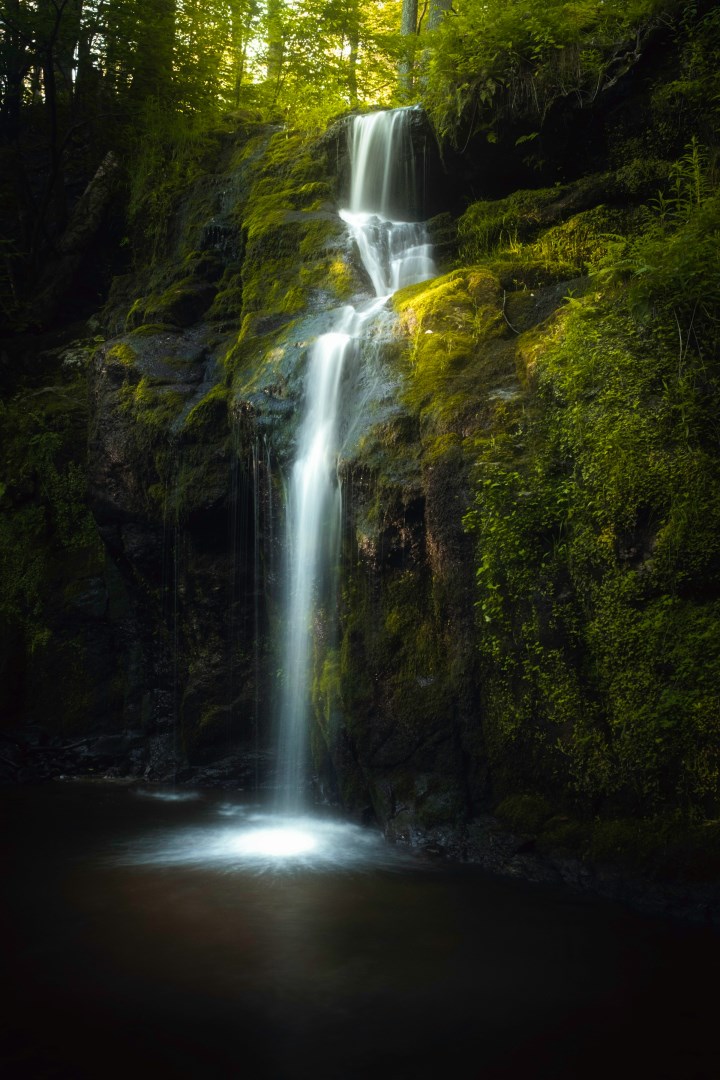
Washington
Washington is a small town in Litchfield County, Connecticut, set among wooded hills, lakes, and rural valleys in the northwestern part of the state. Its landscape includes farmland, stone walls, forest roads, and several reservoirs and ponds, with the Shepaug River flowing through the surrounding countryside.

Nile River
The River Nile, most often associated with Egypt and its ancient civilizations, actually flows through eight other countries including Uganda, Ethiopia, Sudan, and Kenya. It is formed by two major tributaries, the White Nile and Blue Nile, and is considered by many to be the longest river in the world when measured from its source waters in Rwanda and Burundi.
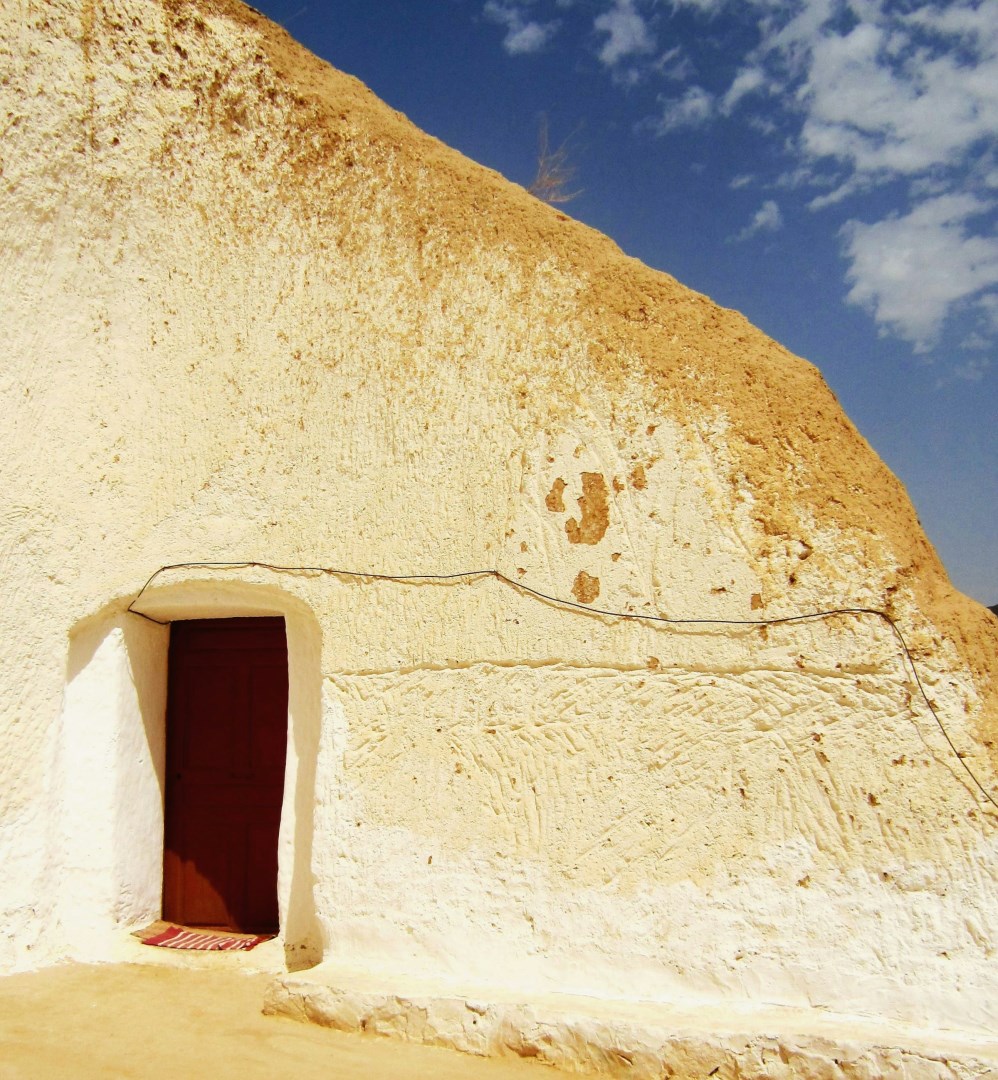
Douz
Douz is a town in southern Tunisia on the edge of the Sahara, where date-palm oases meet the dunes of the Grand Erg Oriental. The town is often regarded as a gateway to the sandy desert, with dunes beginning close to the built-up area and extending toward the wider Sahara. Palm groves provide a strong contrast to the surrounding dry landscape, while nearby Chott el-Jerid forms a vast salt depression with bright mineral surfaces and mirages.

South Africa
South Africa is a country where landscapes and cultures unfold in remarkable variety. From the rugged cliffs of the Cape of Good Hope to the open plains of Kruger National Park, it offers experiences shaped by both nature and history.
