
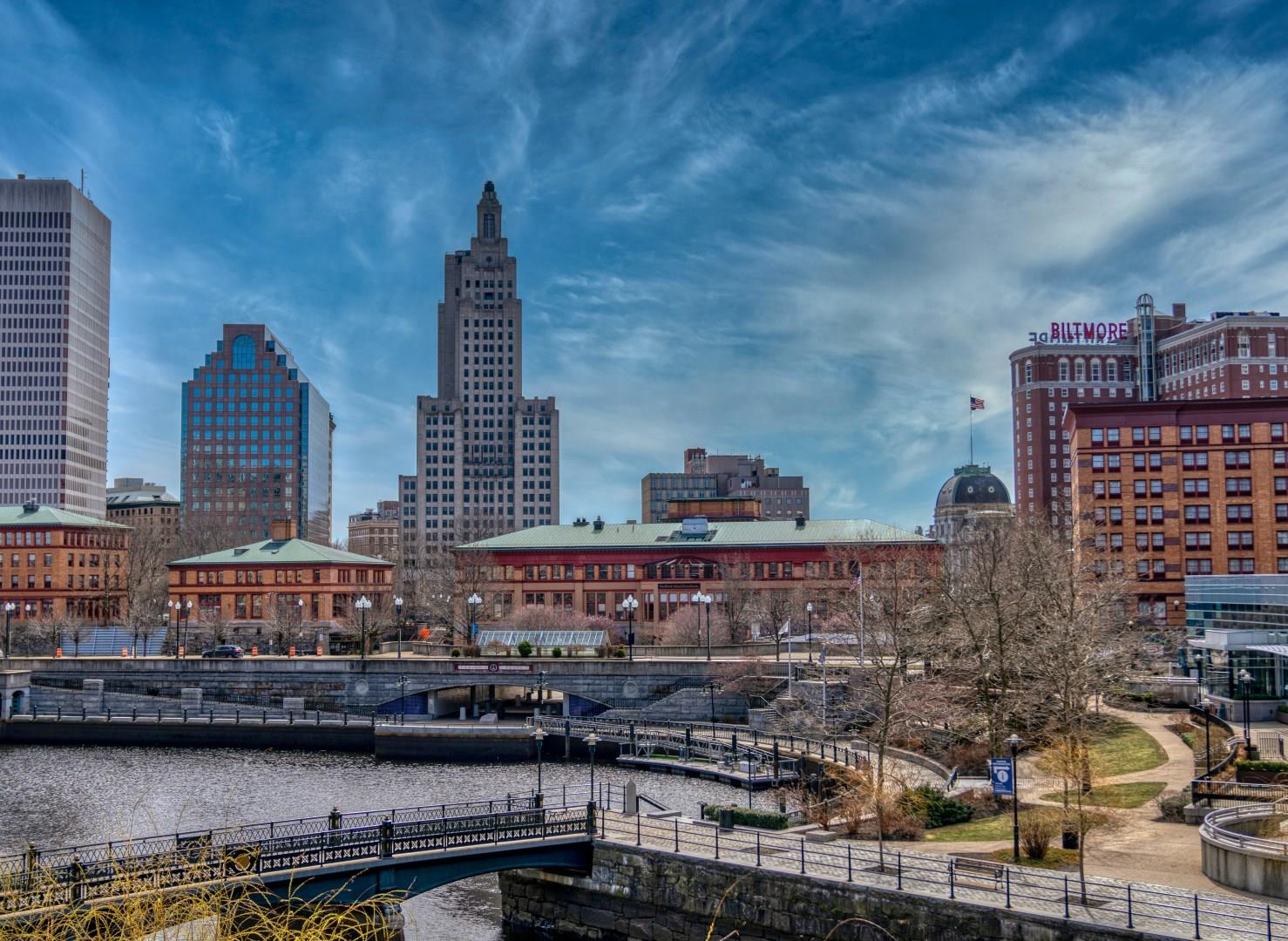
Providence
Providence, Rhode Island blends deep colonial roots with a strong creative pulse. Founded in 1636 by Roger Williams, the city became known for its dedication to religious freedom and independent thought. Walking along Benefit Street, visitors pass rows of 18th- and 19th-century homes, many of which are impeccably preserved and marked with historical plaques. The Rhode Island State House, with one of the world’s largest self-supported marble domes, towers over the downtown area and offers public
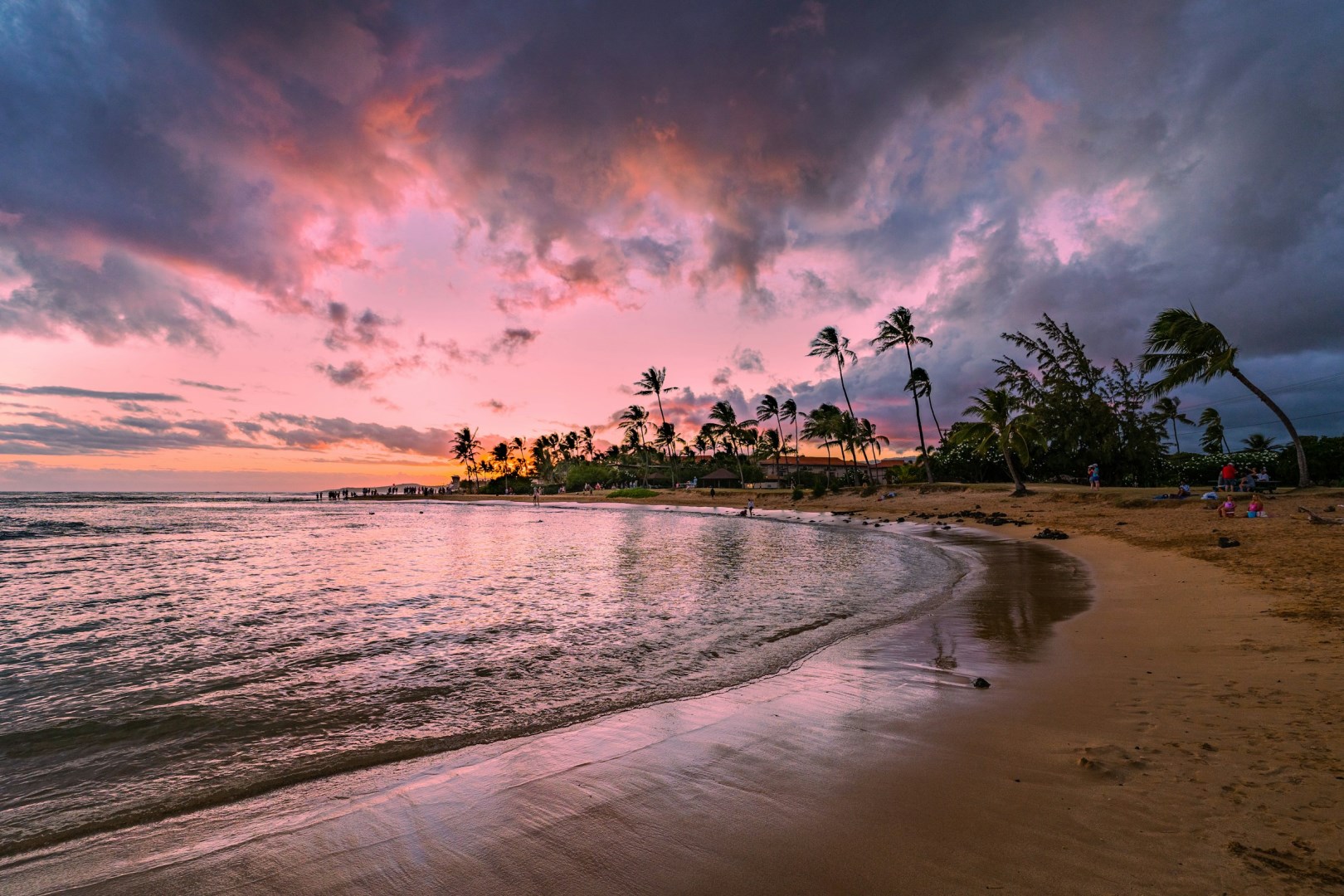
Poʻipū
Poʻipū is a coastal community on the southern shore of Kauaʻi, known for sunny weather, sandy beaches, and access to the island’s sheltered southern coastline. Its landscape includes beaches, lava-rock formations, palm-lined resorts, residential neighborhoods, and open coastal areas. Poʻipū Beach Park is the main public gathering place, with several connected sandy areas and shallow water that can be suitable for swimming when ocean conditions allow.

Naboisho Conservancy
Naboisho Conservancy is a community-owned wildlife conservation area bordering Kenya’s Maasai Mara National Reserve in Narok County. The conservancy protects open savanna, grasslands, acacia woodland, and seasonal rivers that provide habitat for a wide range of wildlife. It was established through agreements between local Maasai landowners and conservation partners, creating a model in which tourism revenue supports communities while land is maintained for wildlife.
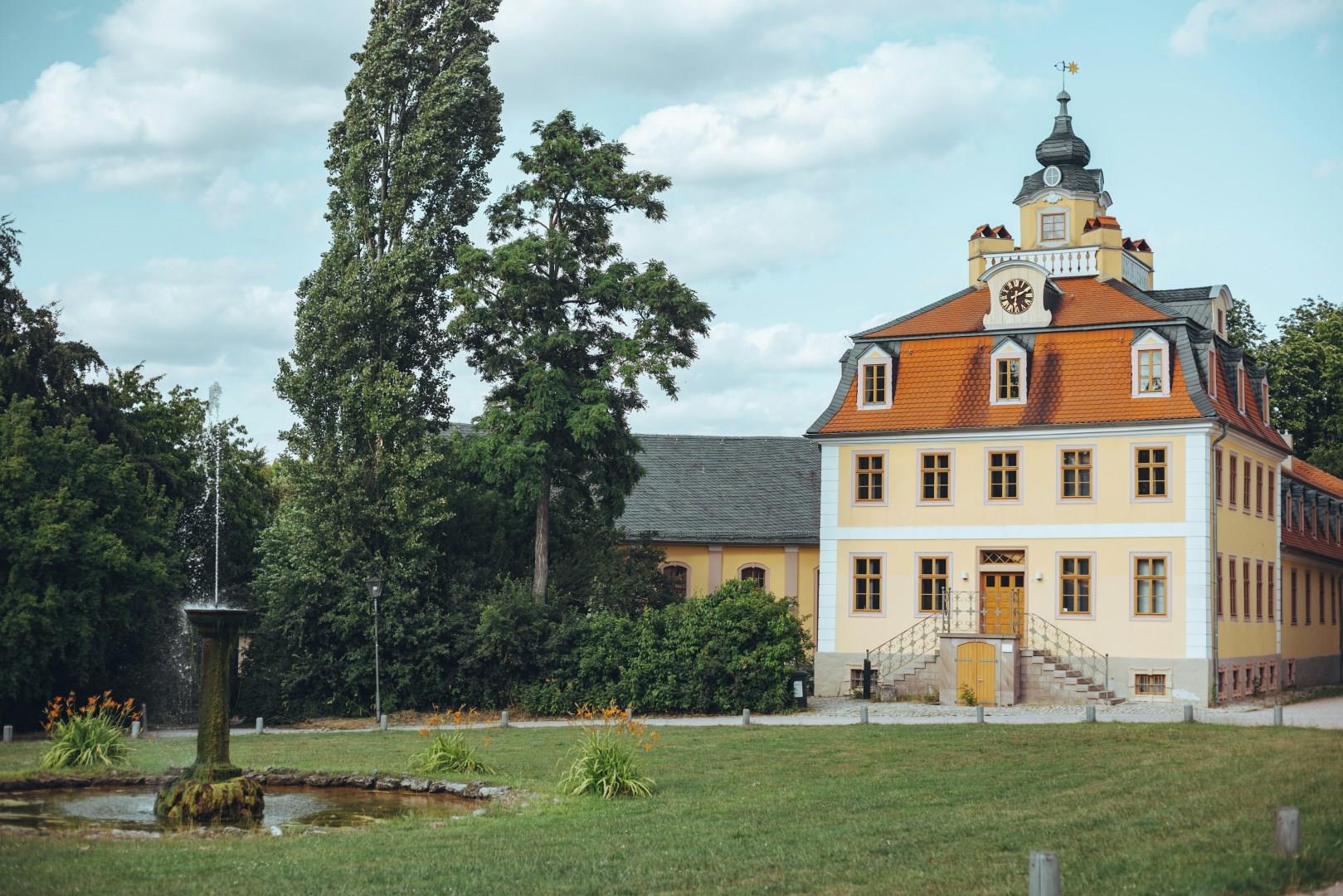
Weimar
Weimar, located in the heart of Germany’s Thuringia region, is a city renowned for its cultural heritage, classical architecture, and pivotal role in European history.
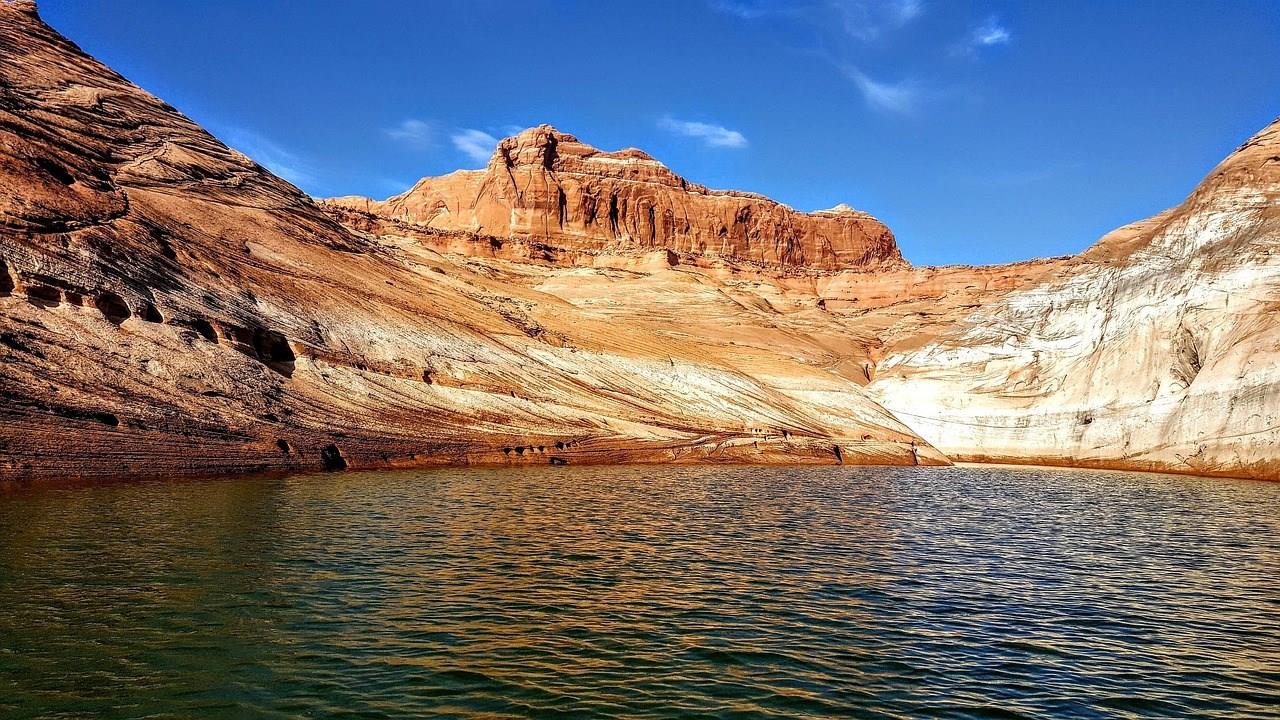
St. George
St. George, Utah, is a desert city in the state’s southwest corner, celebrated for its striking red rock landscapes, mild climate, and proximity to some of the American West’s most iconic natural wonders.
