

Pemba Island
Pemba Island, located off the coast of Tanzania in the Indian Ocean, offers an idyllic escape for travelers seeking pristine natural beauty and cultural depth. Known as the "Green Island" for its lush, tropical landscapes, Pemba is a quieter, less-visited alternative to its famous neighbor Zanzibar. The island is a haven for those interested in diving and snorkeling, as its coral reefs teem with marine life, from colorful fish to graceful sea turtles.

Clarksville
Clarksville, located along the Cumberland River in northwestern Tennessee, is a historic city that blends military heritage, cultural attractions, and scenic natural surroundings. Established in the late 18th century, Clarksville grew as a river trading hub and later became closely linked to Fort Campbell, a major U.S. Army base, which has shaped much of the city’s identity and economy.
Flinders Island Tasmania
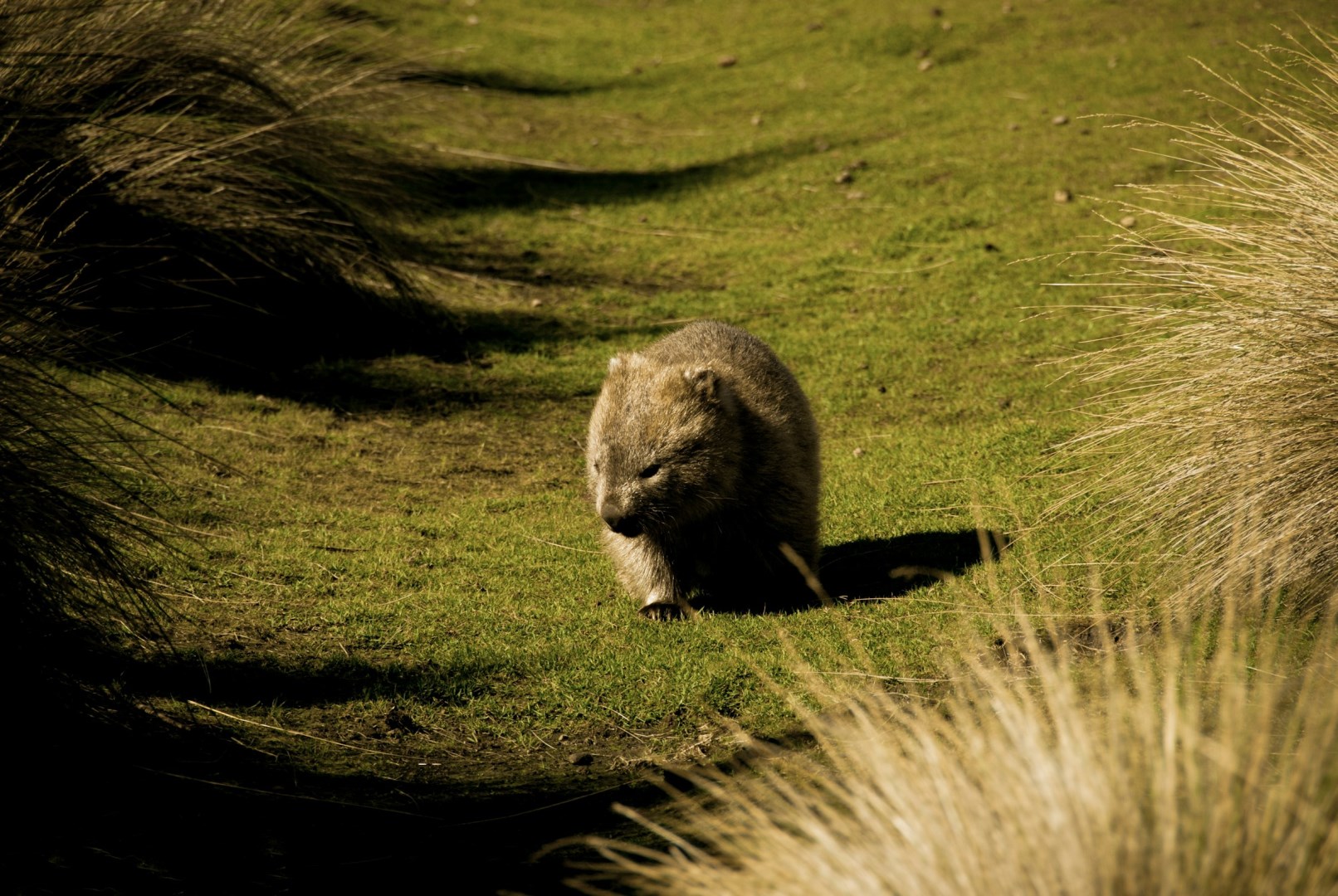
Flinders Island is the largest island in the Furneaux Group, located in Bass Strait between mainland Australia and Tasmania. Covering a landscape of rugged mountains, rolling farmland, white-sand beaches, and granite headlands, it is known for its remote character and rich natural environment.
Grenoble
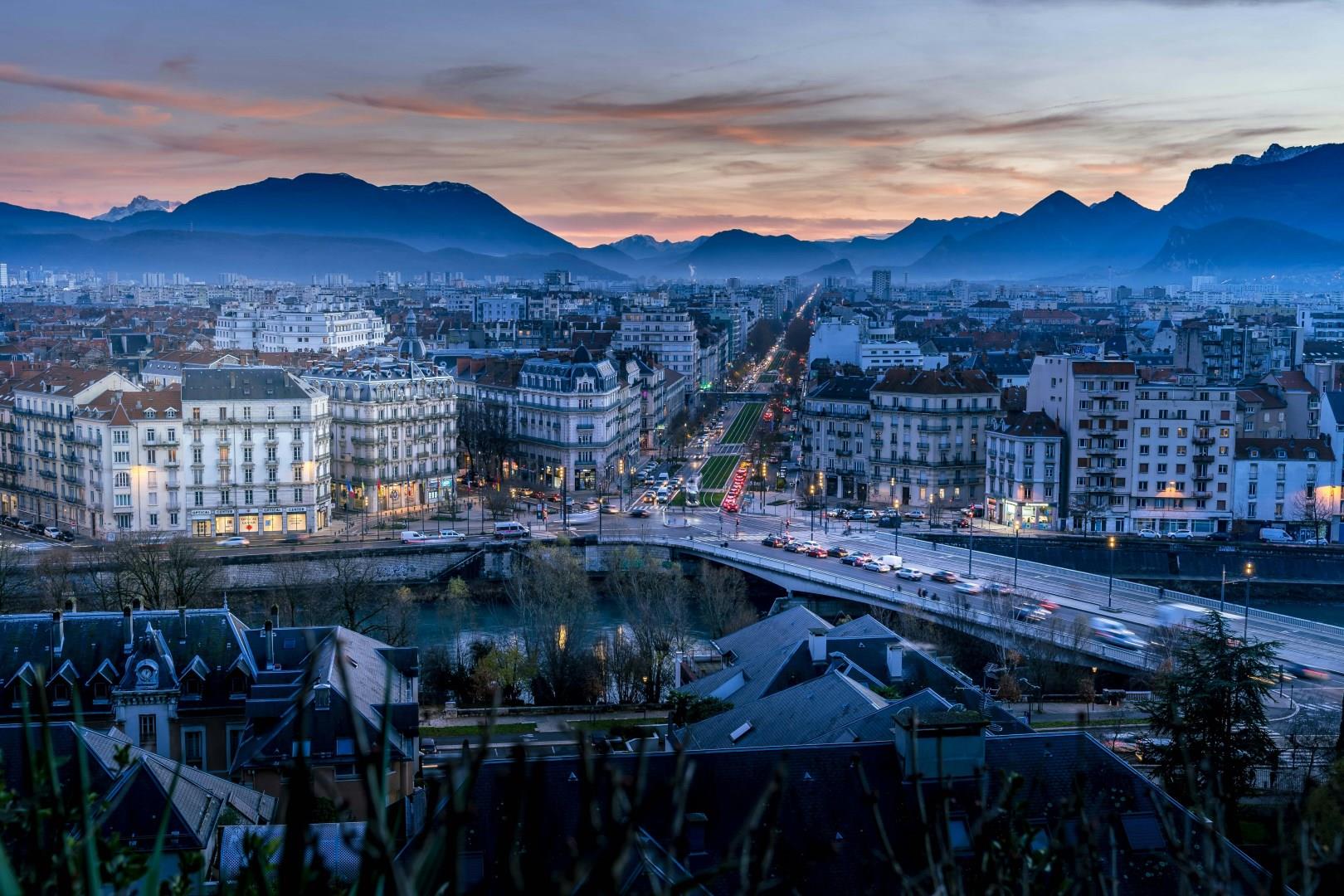
Grenoble sits at the meeting point of three Alpine mountain ranges in southeastern France, giving it a setting that feels both dramatic and lived-in. With origins dating back to Roman times, the city has long been a crossroads of trade, science, and political thought.
Erfurt
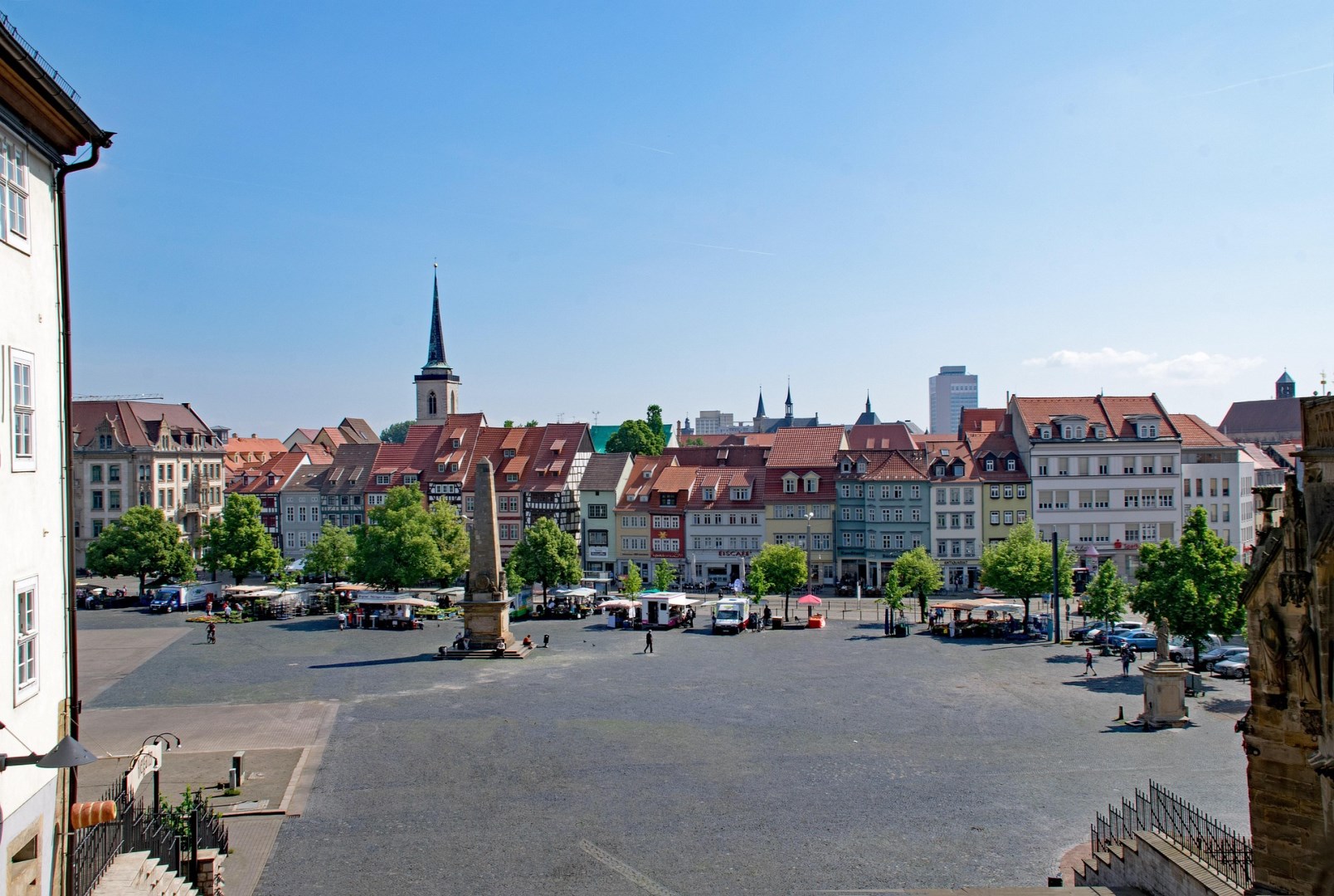
The skyline of Erfurt is shaped by dozens of churches, monasteries, and convents thrusting their pointed steeples upward to the sky. In the Middle Ages, Erfurt was known as "Thuringian Rome" because of its religious orders. The impressive twin churches on the Domberg (Cathedral Hill), the Roman Catholic St. Mary's Cathedral (14th century) and the Roman Catholic Parish church St. Severus with a flight of 70 outdoor steps leading from the Cathedral Square up the hill to the churches.
