
Potosi
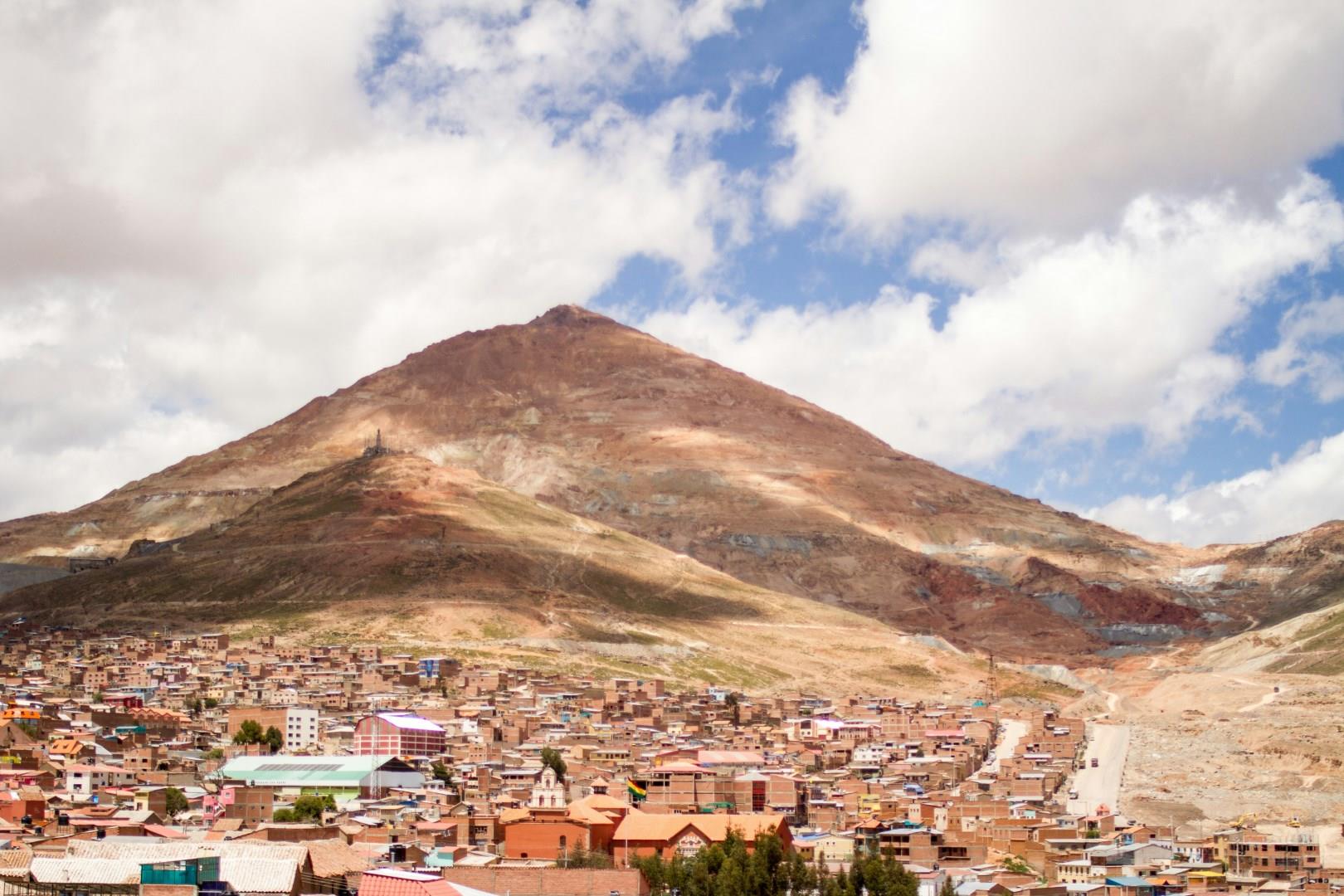
Potosí rises on the Altiplano of southern Bolivia and for centuries it was one of the richest cities in the world because of what lies just beyond its streets. At the foot of Cerro Rico (“Rich Mountain”), silver was discovered in the mid-1500s, and within a few decades the city became a center of mining and wealth that shaped global trade and economies.

Dominica
Dominica, known as the “Nature Island of the Caribbean,” is a haven for eco-tourists and adventure seekers. Nestled between the French islands of Guadeloupe and Martinique, this lush island boasts a remarkable landscape of volcanic mountains, dense rainforests, and stunning waterfalls. Dominica’s most iconic natural wonder is the Boiling Lake, the second-largest hot spring in the world.
Tozeur
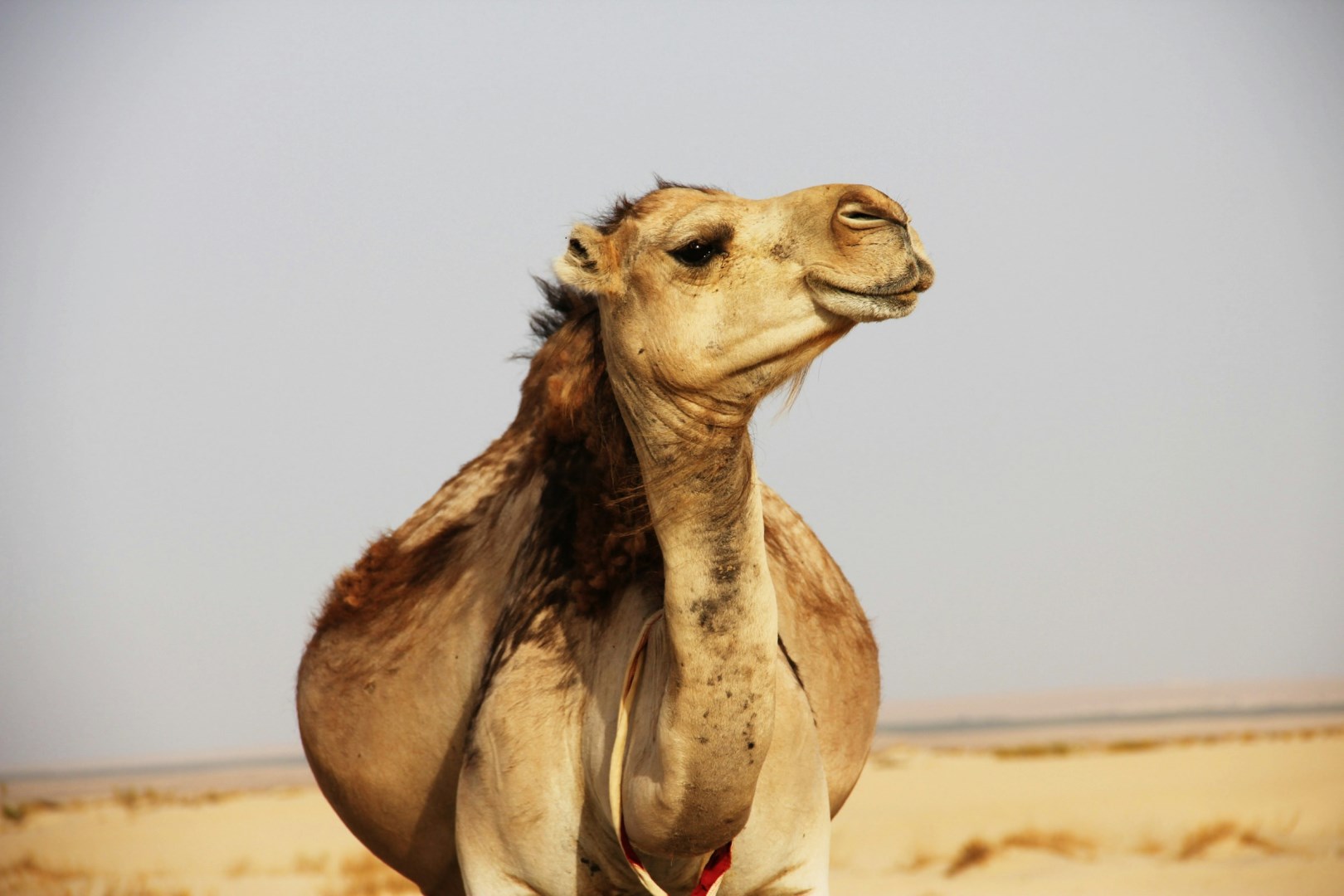
Tozeur is an oasis city in southwestern Tunisia, located on the northern edge of the Sahara near the vast salt lake of Chott el-Jerid. Its extensive date-palm groves create a green belt around a city otherwise surrounded by dry plains and desert landscapes. Tozeur is especially recognized for its distinctive brick architecture, with geometric patterns formed from small, locally made bricks decorating walls and gateways.
Port Vila
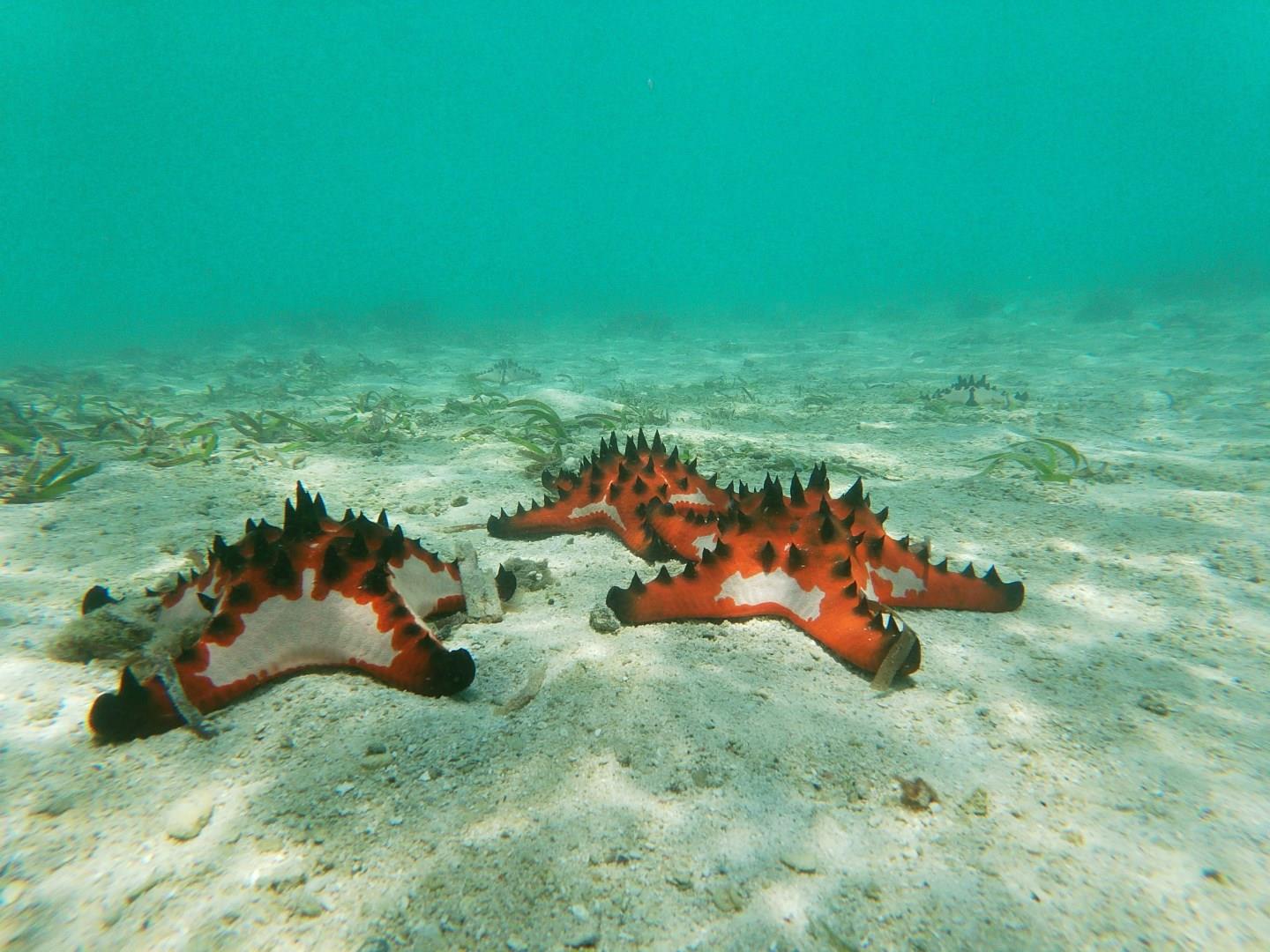
Port Vila, the vibrant capital of Vanuatu, offers a captivating blend of natural beauty, rich culture, and relaxed island charm. Nestled on the southern coast of Efate Island, Port Vila is renowned for its picturesque harbor, lush landscapes, and bustling market scene. Visitors can immerse themselves in the local culture at the Port Vila Market, where colorful stalls brim with fresh produce, handcrafted souvenirs, and traditional island fare.
Calf of Man
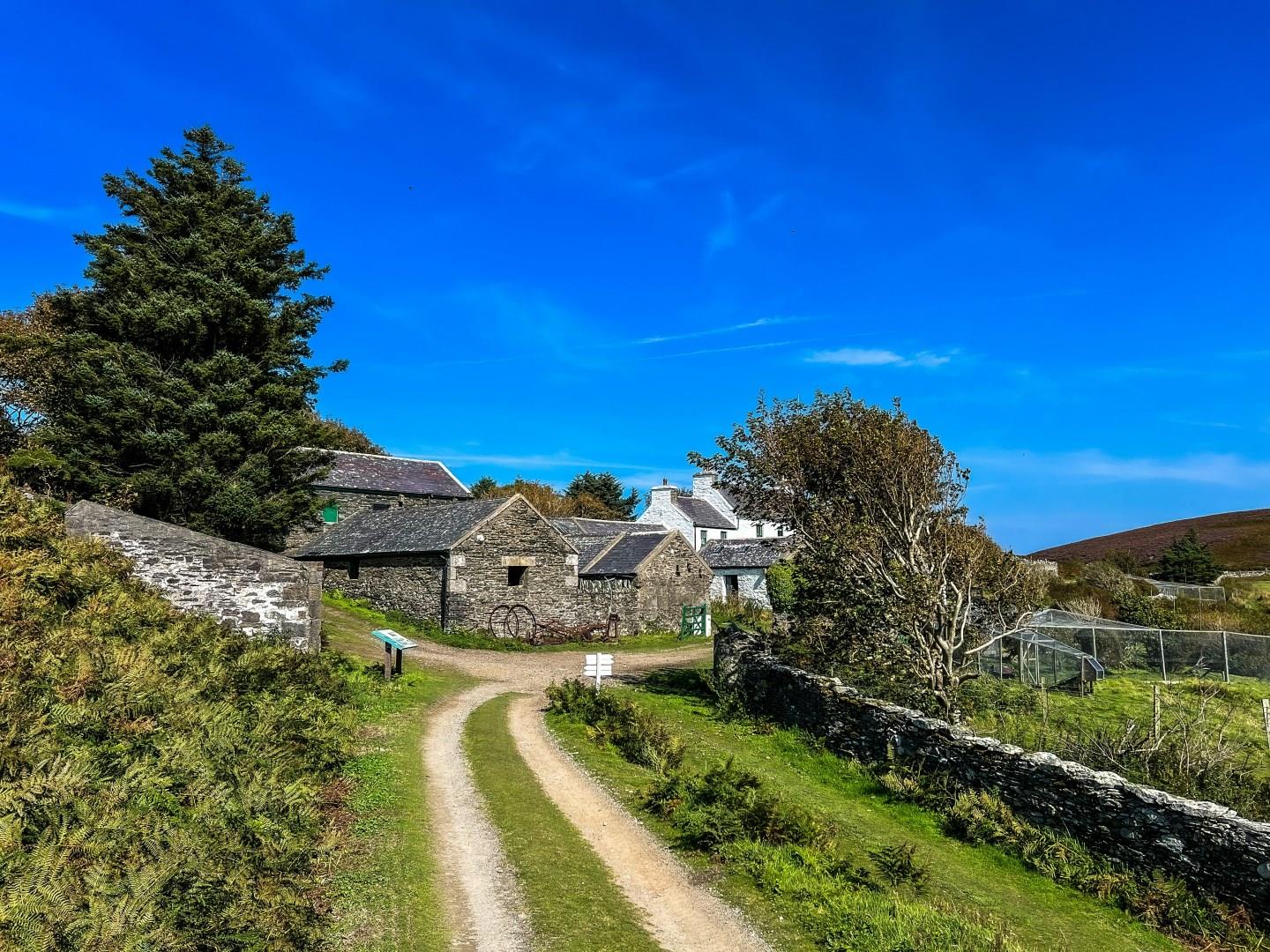
The Calf of Man, a small island off the southwest coast of the Isle of Man, offers a rare glimpse into a quieter side of the Irish Sea. Covering just over 260 acres, this uninhabited island is known primarily for its rich birdlife and dramatic coastal cliffs. Visitors often arrive by boat from nearby Port Erin, embarking on guided tours that reveal the island’s importance as a bird sanctuary.
