

Palermo, Sicily
Palermo, the vibrant capital of Sicily, Italy, is a city where history, culture, and gastronomy converge in a kaleidoscope of experiences. A walk through Palermo is like stepping into a living museum, where Byzantine, Arab, Norman, and Baroque influences blend seamlessly. The Palermo Cathedral, a masterpiece of architectural evolution, showcases a mix of styles from its Norman origins to later Baroque and Neoclassical elements.
Ulaanbaatar
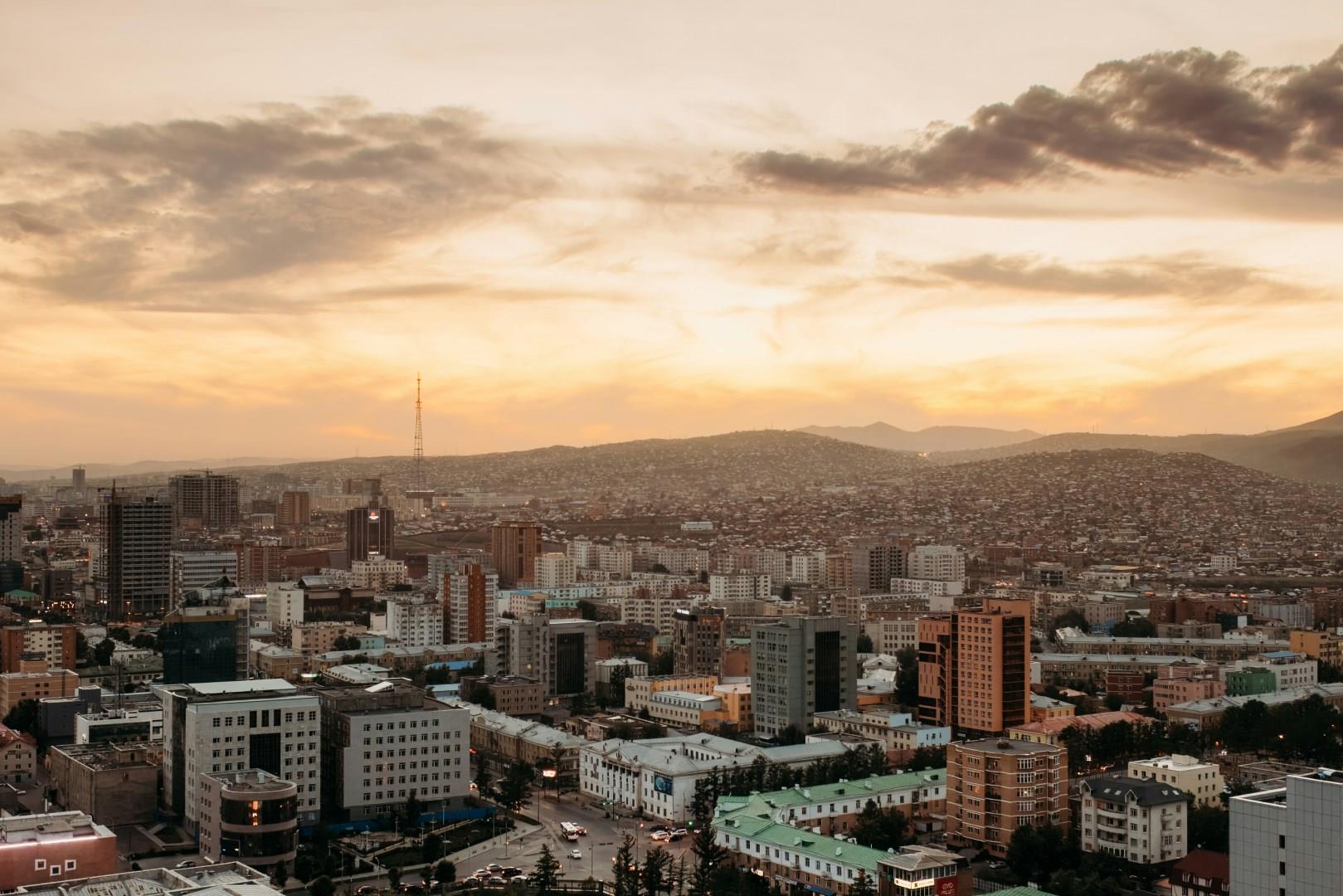
Ulaanbaatar, the capital of Mongolia, is a city where tradition and modern life intertwine. Nestled in a valley surrounded by mountains, it serves as the country’s cultural, political, and economic hub. The city’s skyline features a mix of Soviet-era architecture, Buddhist monasteries, and contemporary high-rises.
Mae Taeng
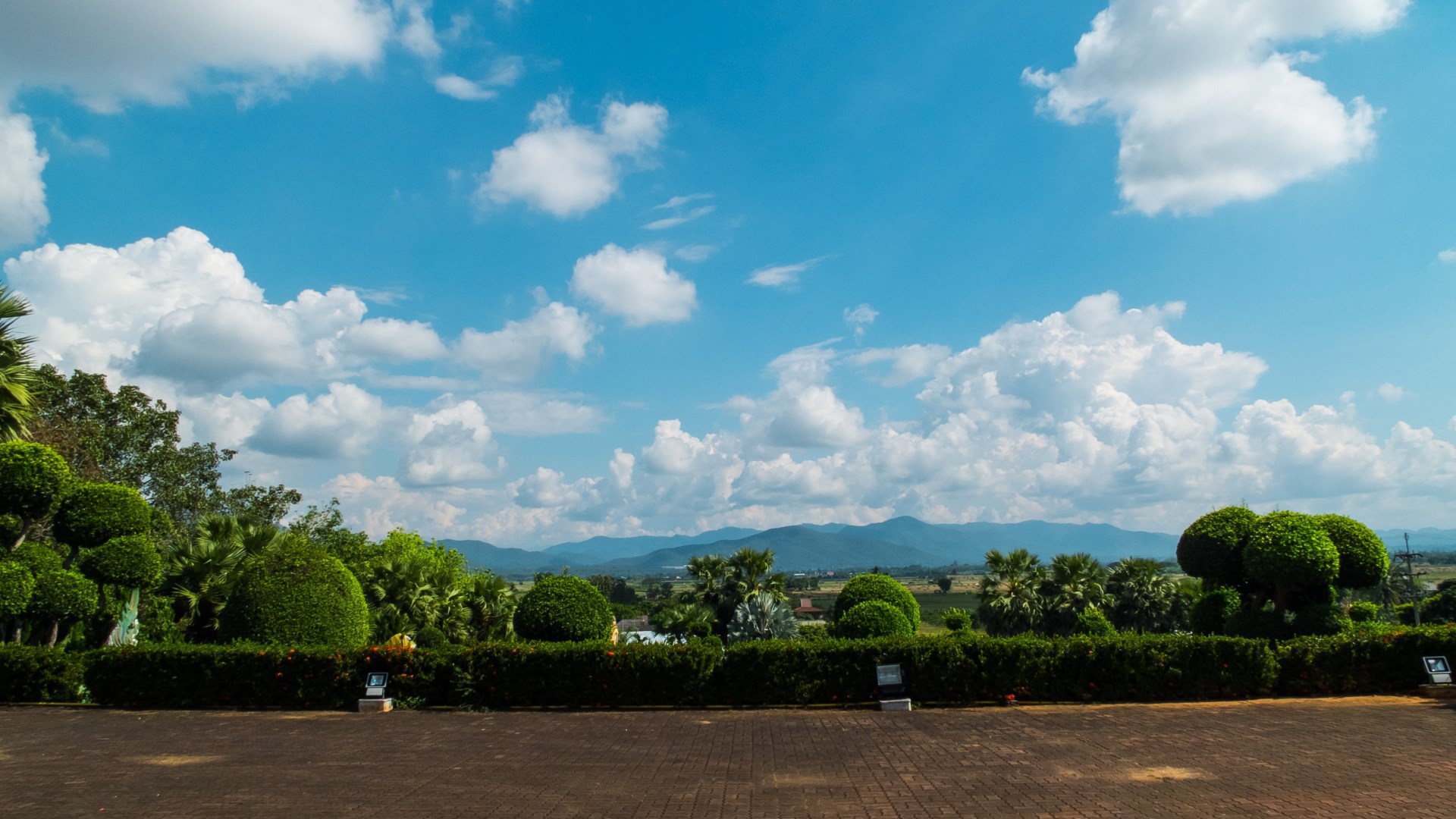
Set in the lush northern hills of Mae Taeng, Chiang Mai Province, Thailand, this district offers a quieter gateway into Thailand’s countryside. Just beyond the bustle of Chiang Mai, the landscape shifts into rolling mountains, dense forests, and winding rivers. The Mae Taeng River flows steadily through the valley, shaping both the scenery and daily life.
Cederberg
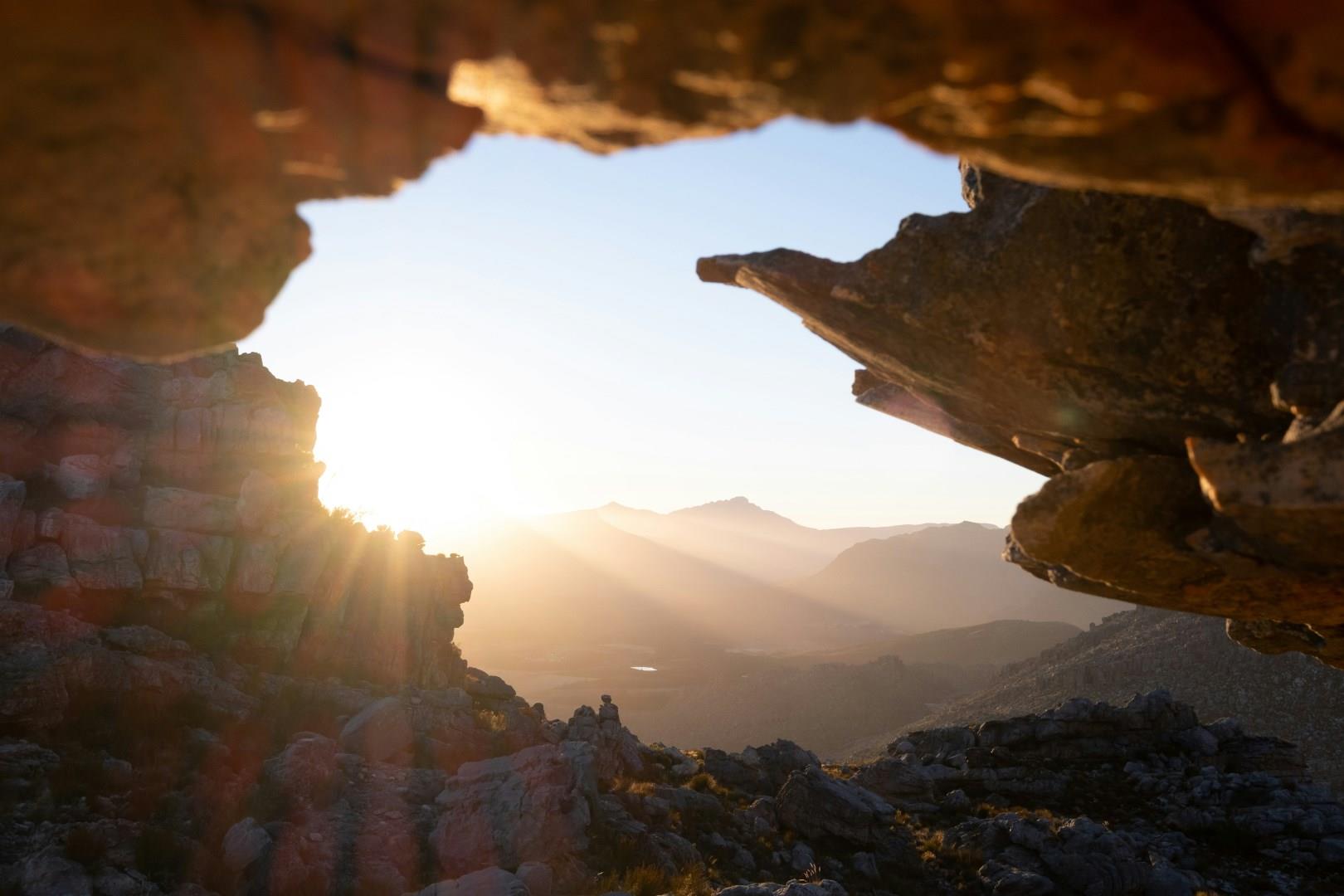
The Cederberg region in the Western Cape of South Africa is a striking land of rocky ridges, wide skies, and quiet valleys. Less than three hours’ drive from Cape Town, the jagged sandstone mountains rise in shapes that seem carved by giants, and shady kloofs hide wonders like ancient rock art that tell stories from thousands of years ago. Hikes to natural landmarks like Wolfberg Arch and the Maltese Cross take visitors deep into terrain shaped by time.
Hardangerfjord
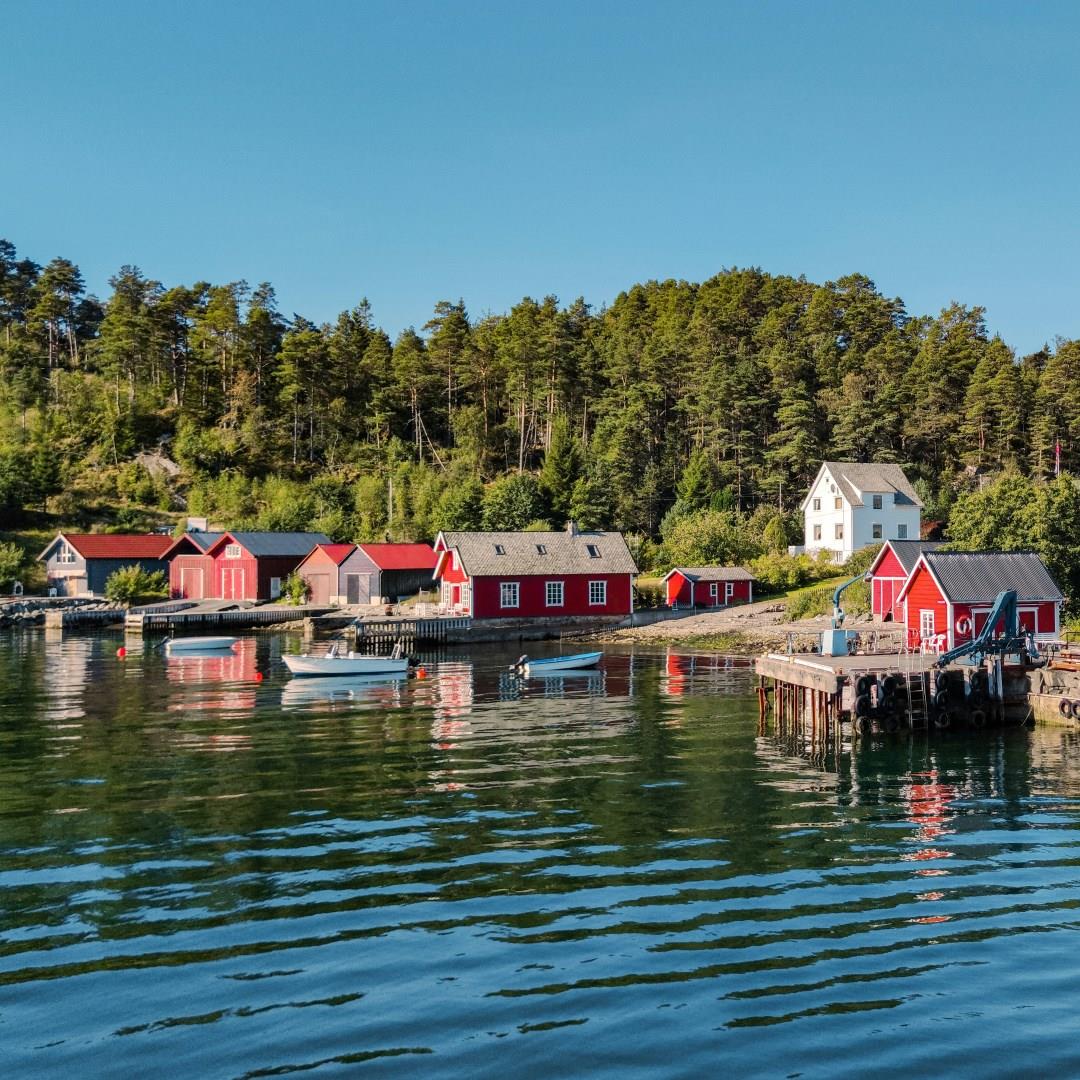
Hardangerfjord is one of Norway’s most iconic fjords, stretching over 170 kilometers through western Norway and surrounded by steep mountains, waterfalls, and orchards. Historically, the fjord has been central to regional life, providing a transportation route for fishing, trade, and fruit cultivation. Its combination of natural grandeur and human activity has shaped a landscape that is both dramatic and lived-in.
