
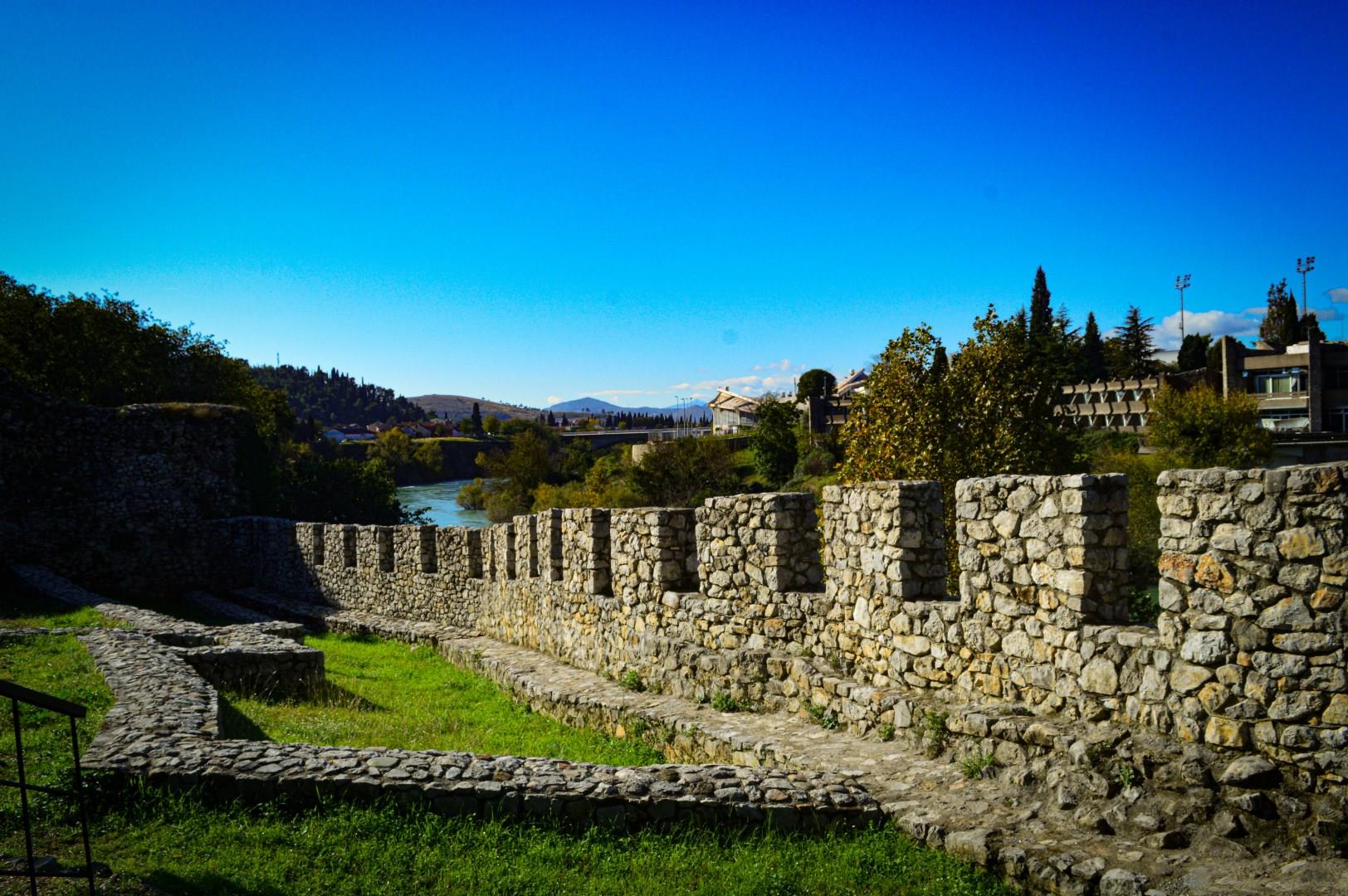
Podgorica
Podgorica, the capital of Montenegro, showcases the country’s contrasting landscapes and deep-rooted history. Although much of the city was rebuilt after World War II, traces of its Roman and Ottoman past still remain. Visitors can explore the ruins of Doclea, a Roman settlement just outside the city, where surviving columns and mosaics give a glimpse into life nearly two millennia ago.

Nagasaki
This beautiful port city and capital of the Nagasaki Prefecture is located on the island of Kyushu.
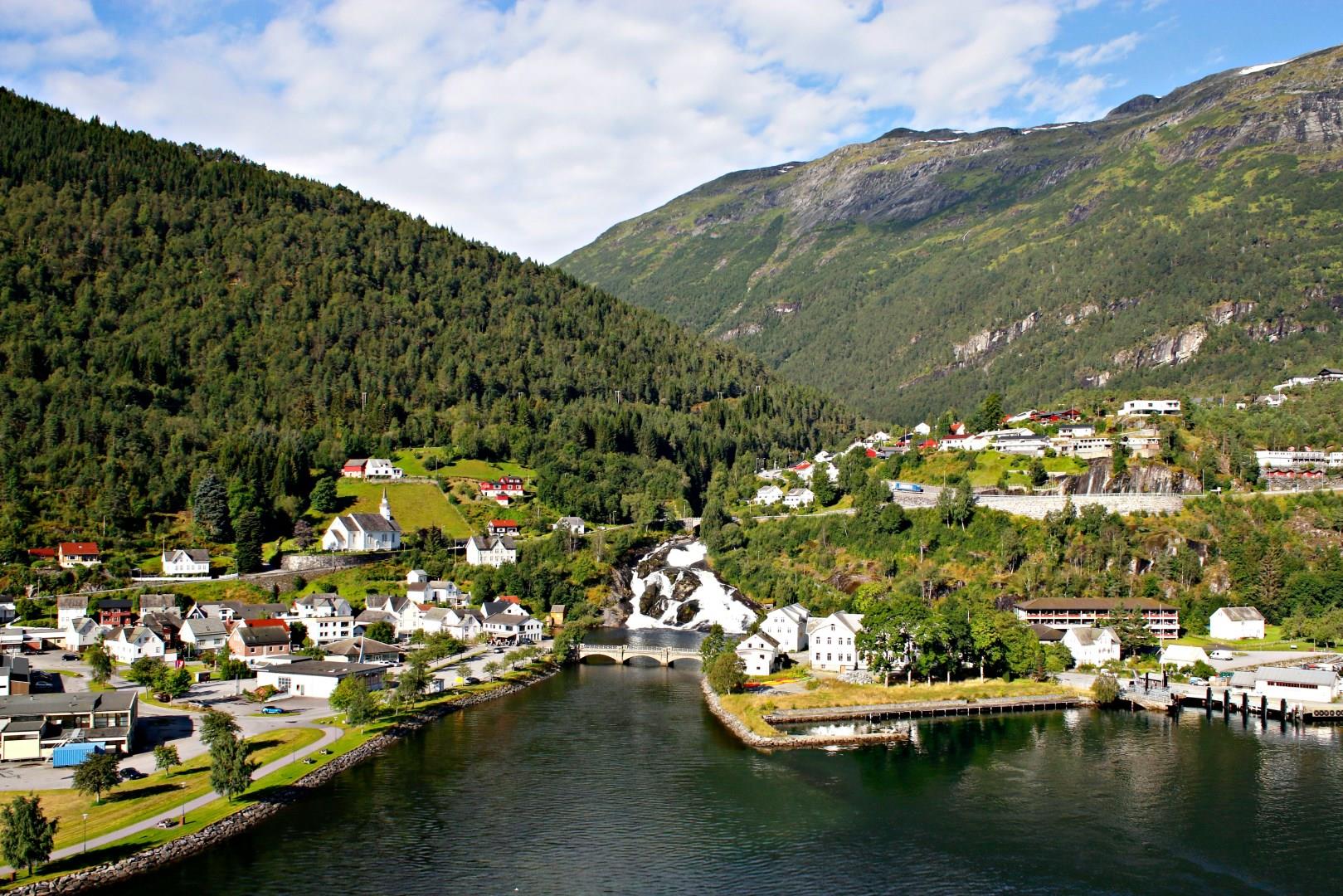
Hellsylt
Hellesylt, a small village on Norway’s western coast, sits at the entrance to the famous Geirangerfjord and offers scenery that feels almost otherworldly. Steep mountains rise sharply on all sides, their slopes cut by ribbons of waterfalls that plunge into deep blue water. One of the most striking sights is the Hellesylt Waterfall, which thunders past the heart of the village and can be admired from several pedestrian bridges.

Osaka
Osaka is a city that thrives on contrasts with centuries-old castles sit just blocks from neon-lit arcades and high-speed trains. Once known as “Japan’s kitchen” during the Edo period, Osaka played a key role in rice trading and food distribution across the country. Today, visitors can walk the grounds of Osaka Castle, originally built in the 16th century by Toyotomi Hideyoshi, and take in panoramic city views from the top floor of its museum.
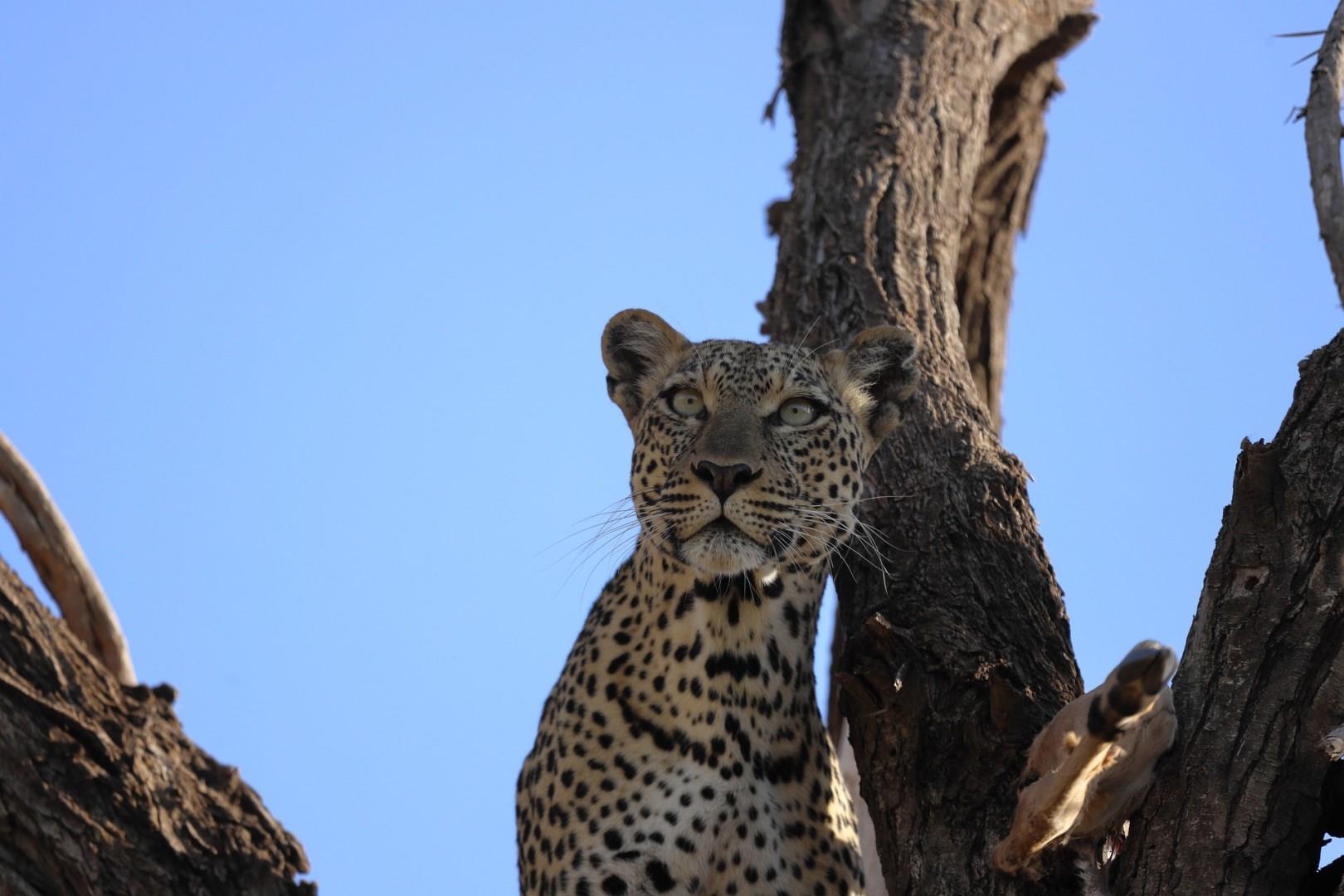
Samburu and Shaba Reserves
Samburu and Shaba Reserves are some of the most pristine reserves in Kenya, and protect a habitat surprisingly rich in wildlife. The Reserves provide the chance to see many species not found elsewhere in Kenya, such as Grey's zebra, the rare beisa oryx and the Somali ostrich.
