
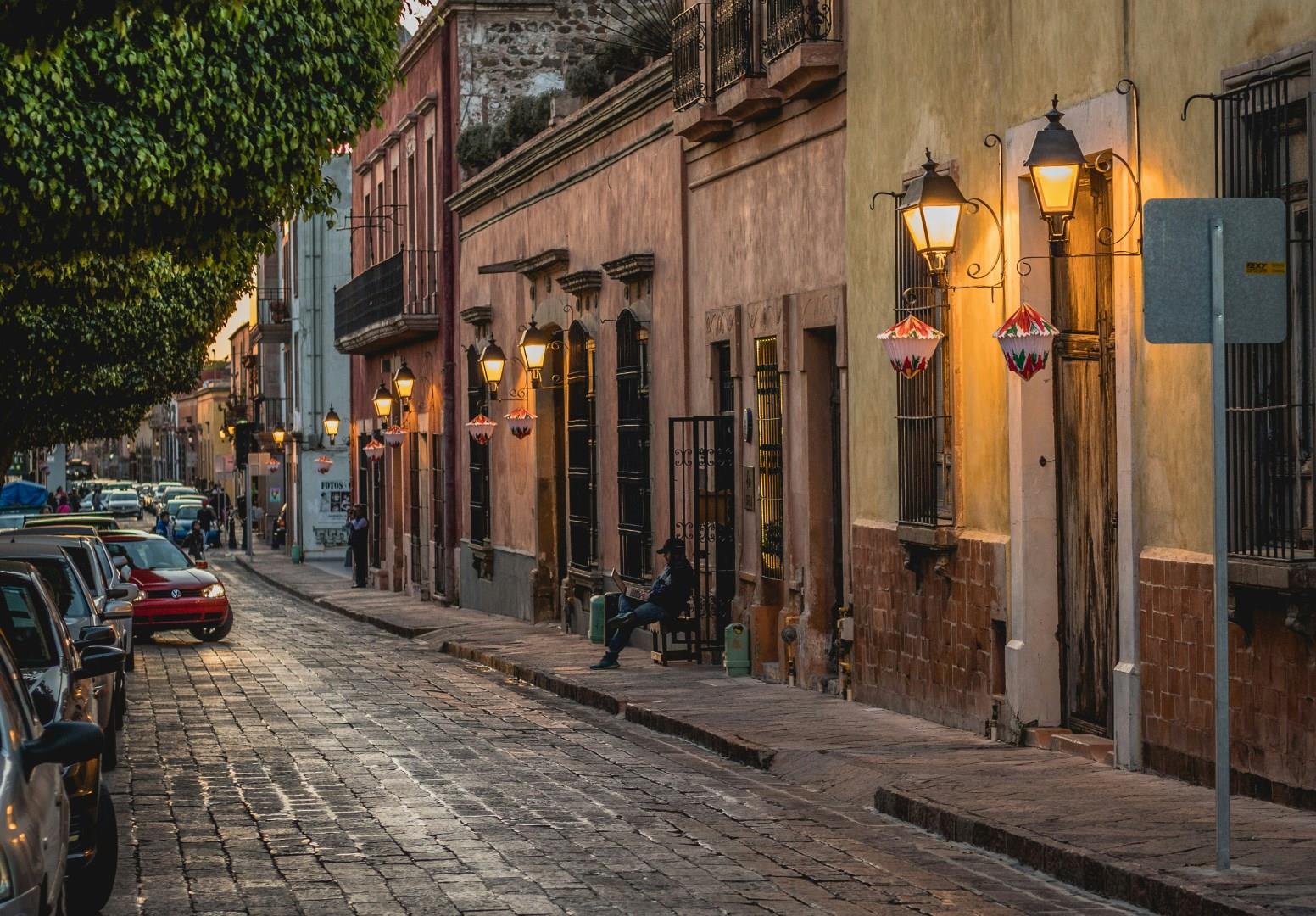
Querétaro
Querétaro, located in the heart of central Mexico, is a city where centuries of history are still visible in daily life. Its historic center, a UNESCO World Heritage Site, features narrow streets, elegant plazas, and baroque churches that reflect its colonial past. One of the city’s most iconic landmarks is the massive aqueduct, built in the 18th century with 74 stone arches stretching nearly a mile across the landscape.
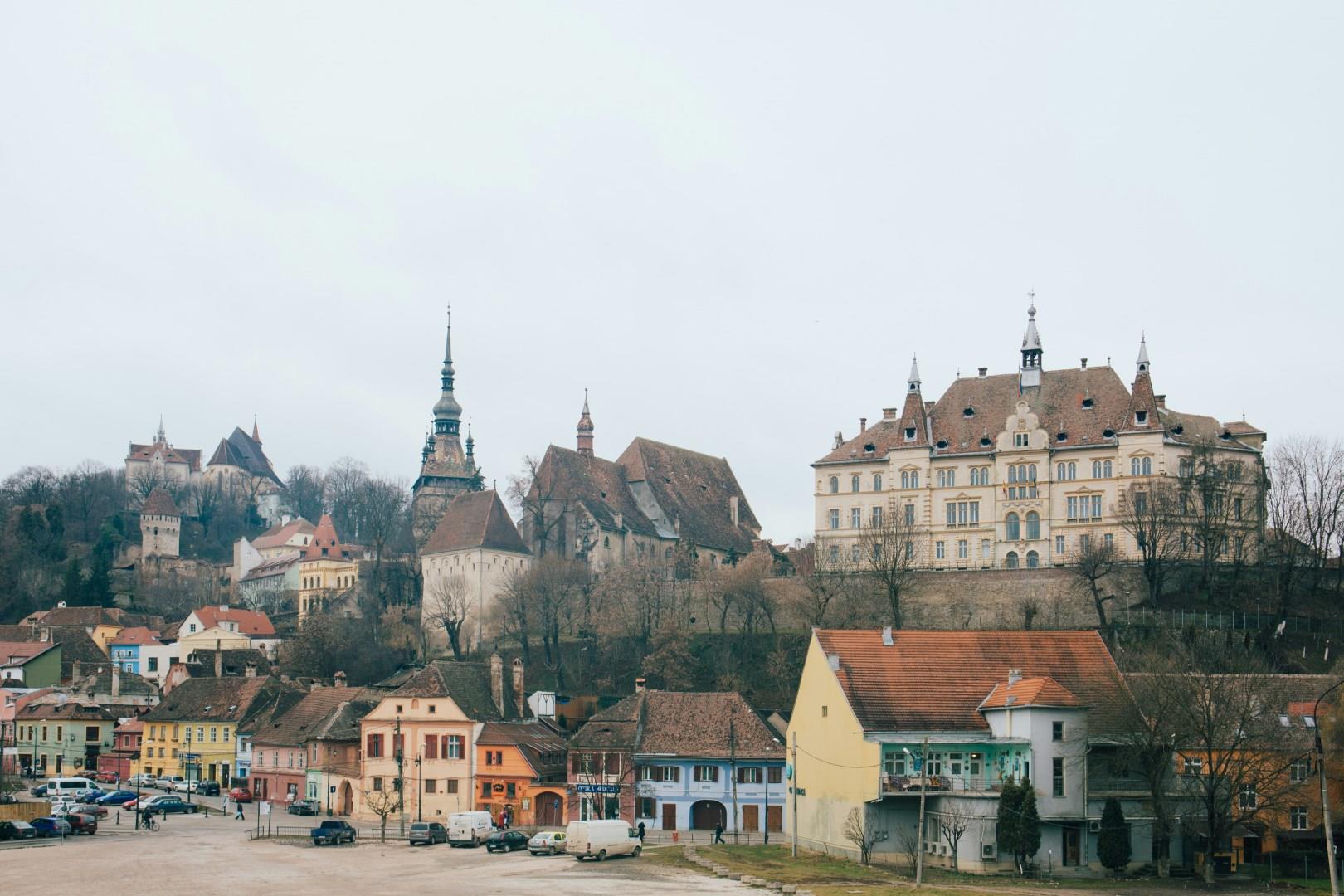
Sighisoara
Sighisoara rises above the Târnava Mare River as one of the few medieval citadels in Europe that is still lived in and admired today. Its historic center has been on the UNESCO World Heritage List since 1999, recognized for its long history as a fortified Saxon settlement and its role in trade and defense on the edges of central Europe. Wander through cobbled alleys framed by pastel-colored houses, and the layers of time feel close at hand, from the city walls and guild towers to busy cafés.

Cook Islands
The Cook Islands, a group of 15 islands scattered across the South Pacific, offer a rare blend of Polynesian tradition and laid-back island charm. Rarotonga, the largest and most visited island, is ringed by a turquoise lagoon and backed by lush mountains. Visitors can circle the entire island in under an hour, stopping along the way for fresh coconut, beachside cafés, or a quick swim in the clear lagoon.

Nuuk
Nuuk, the vibrant capital of Greenland, offers a unique blend of Arctic beauty and modern living. Nestled between picturesque fjords and surrounded by rugged mountains, Nuuk is the gateway to exploring Greenland’s stunning natural landscapes. The city’s old harbor, with its colorful wooden houses, provides a charming introduction to Greenlandic culture and history. This area is perfect for leisurely strolls and offers striking views of the surrounding mountains and sea.
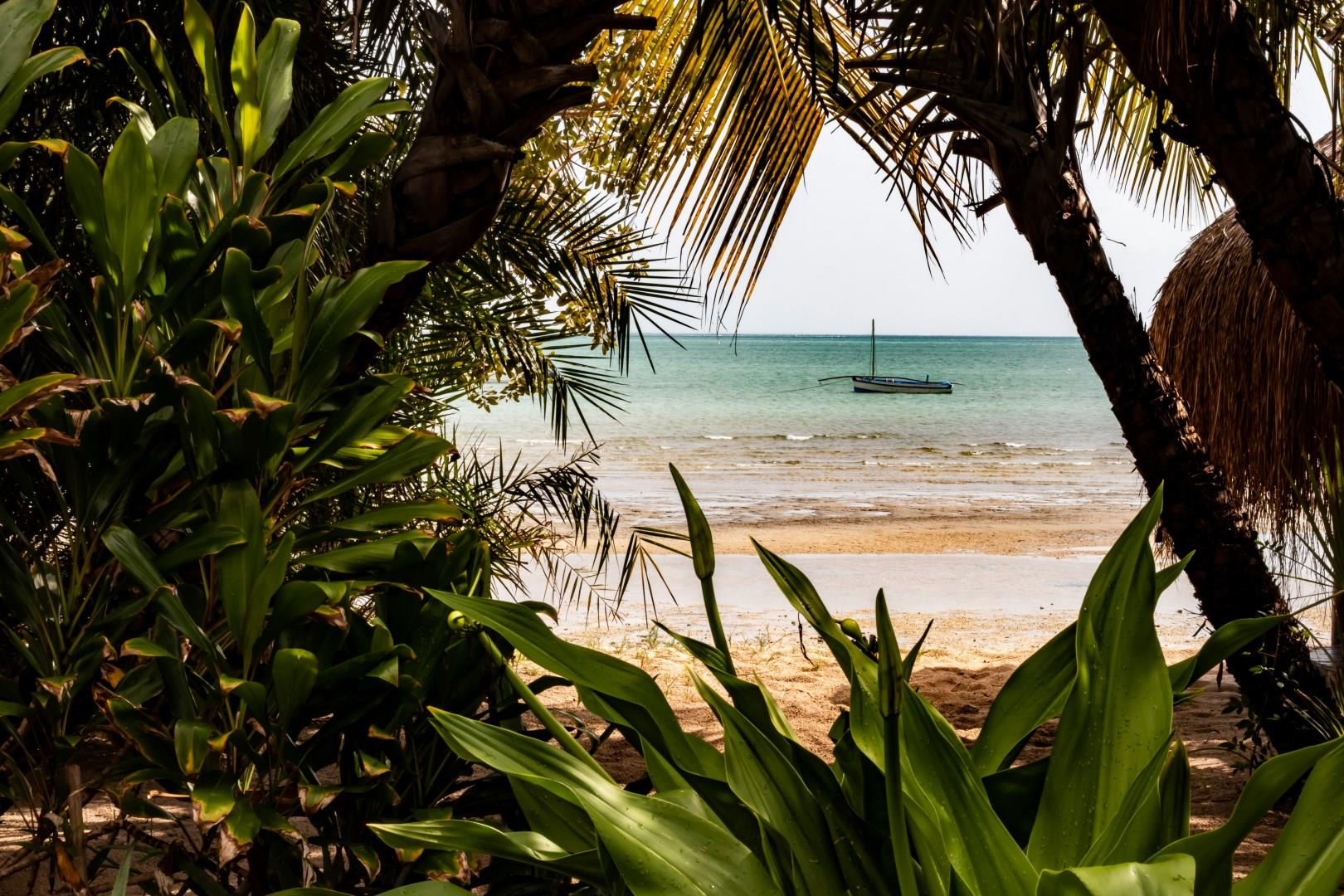
Benguerra Island
Benguerra Island, part of Mozambique’s Bazaruto Archipelago, is a tropical paradise known for its pristine beaches, turquoise waters, and rich marine life.
