

Melk
Nestled along the south bank of the Danube, this historical Austrian city bursts with charm. A favorite stop on European river cruises, the city's most famous attraction is Melk Abbey, which dates back to the 11th century. The original Benedictine structure was lost to fires and foreign invasion, then rebuilt during the 18th century in lavish Baroque style, including a library and inner church covered in magnificent frescoes and gilded fixtures.
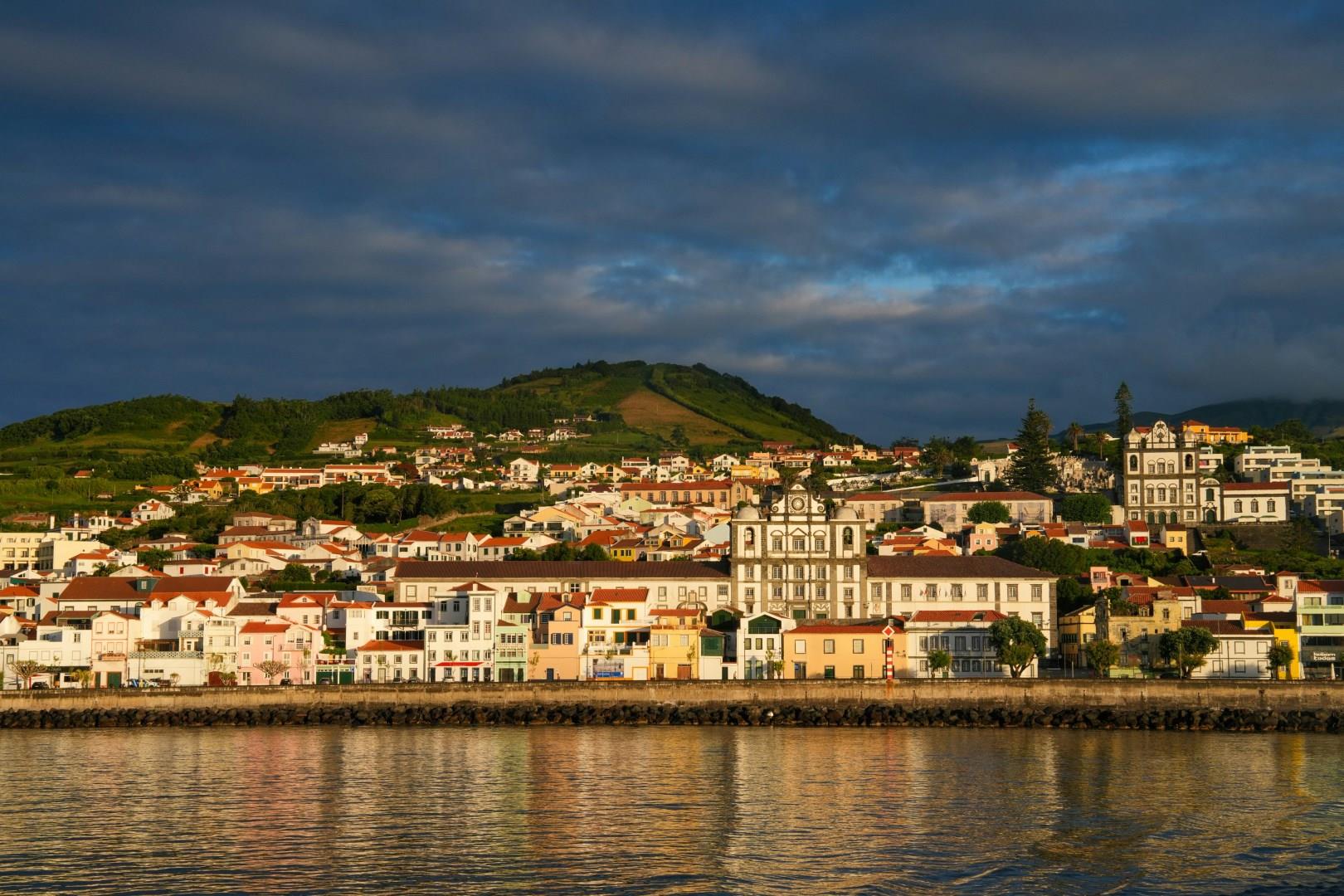
Horta Faial Island
Horta sits on the southeastern coast of Faial Island in the Azores, long defined by its position in the mid-Atlantic. For centuries it served as a critical stop for whaling ships, transatlantic sailors, and later yachts crossing between Europe and the Americas.
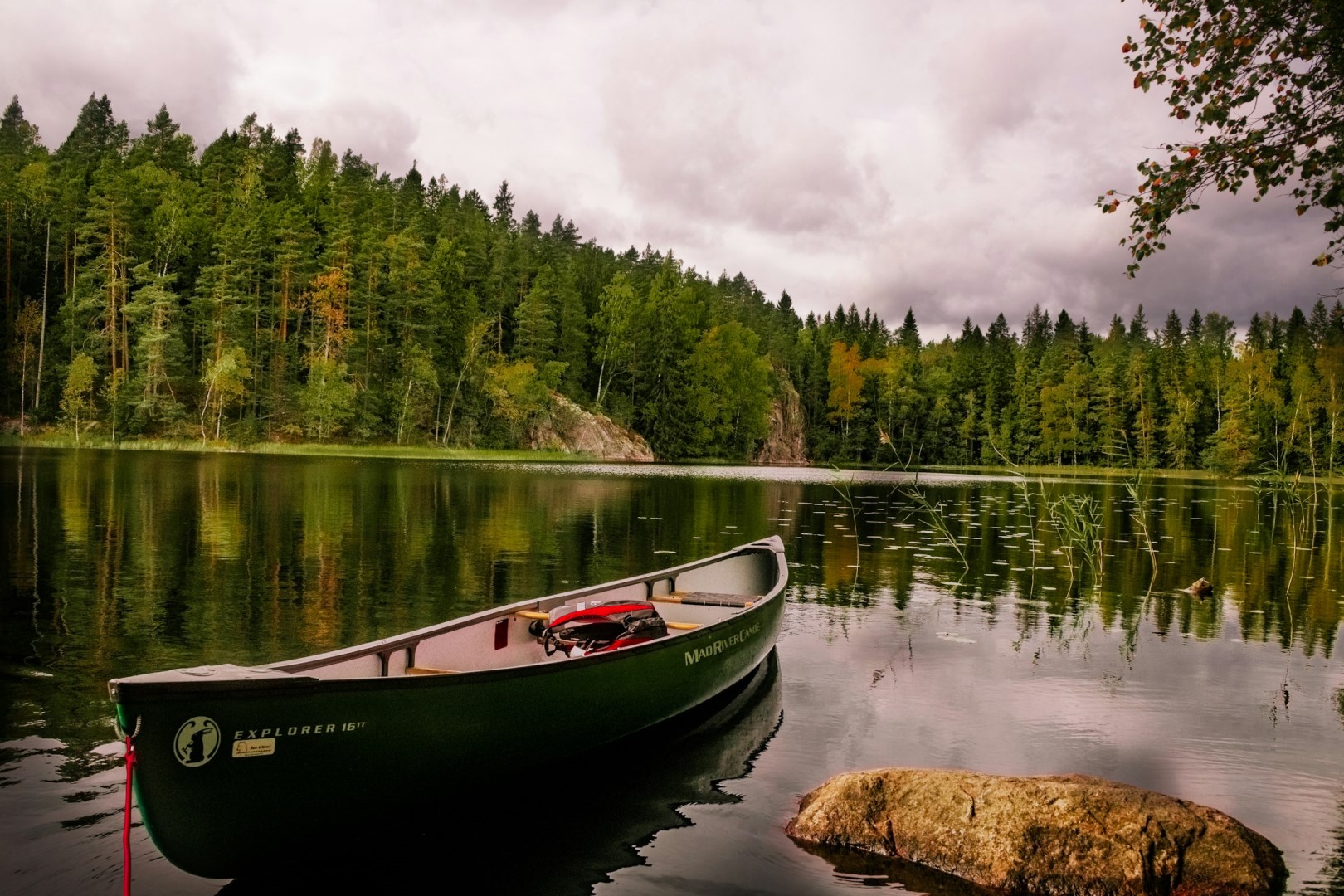
Nuuksio National Park
Nuuksio National Park is a protected landscape of forests, lakes, rocky hills, and wetlands in southern Finland, close to the Helsinki metropolitan area. The park lies mainly in Espoo and extends into Kirkkonummi and Vihti, yet its terrain feels far removed from the nearby urban region. Pine and spruce forests cover much of the area, while numerous small lakes occupy hollows between granite ridges.
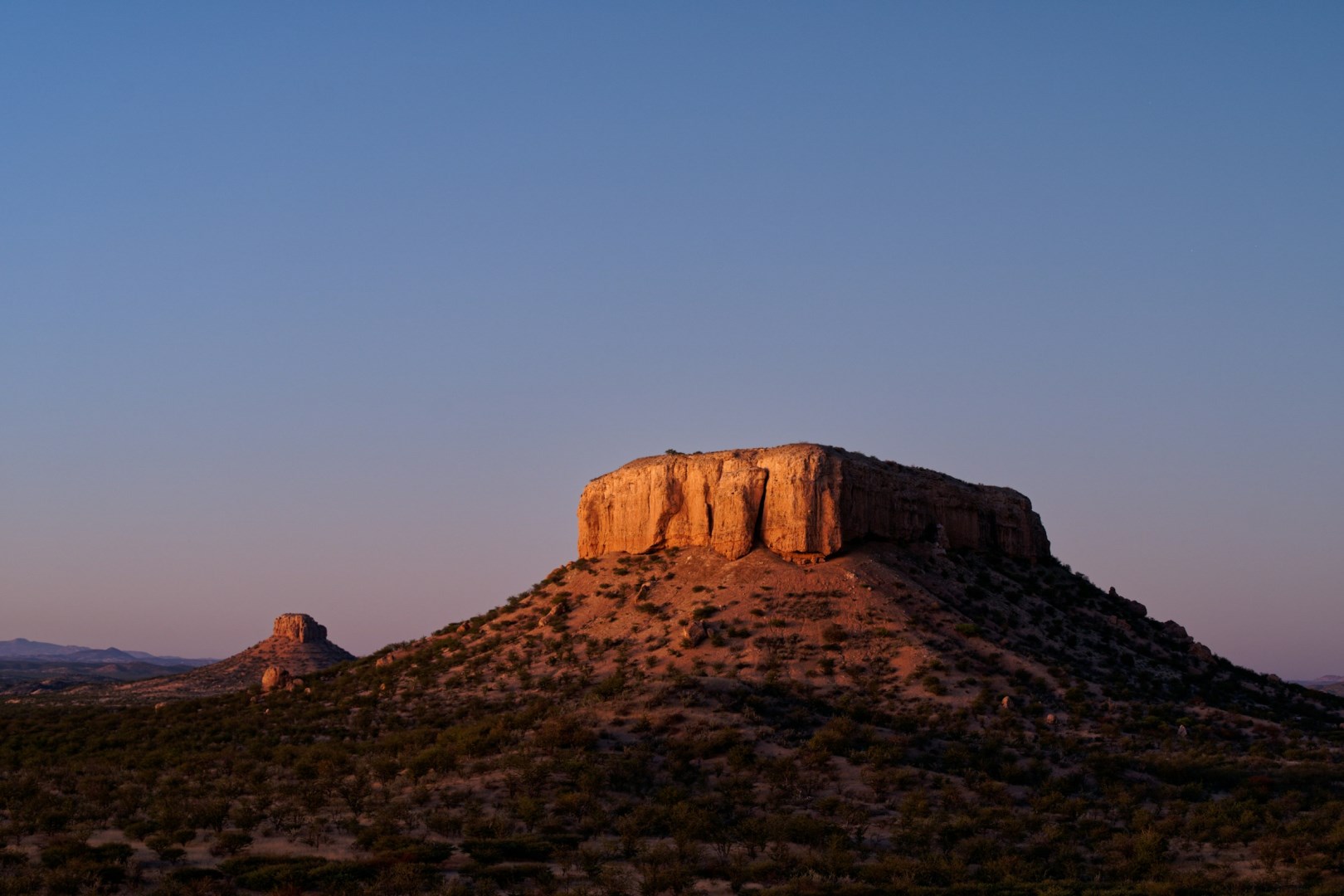
Outjo
Outjo is a small town in Namibia’s Kunene Region and an important stop on the route toward Etosha National Park and the dry landscapes of Damaraland. It sits among low hills and open bushveld, with the town serving as a practical center for travelers, local residents, and nearby farming communities. Its location makes it a useful base for exploring the southern part of Etosha, while roads from Outjo also lead toward Khorixas and Kamanjab.
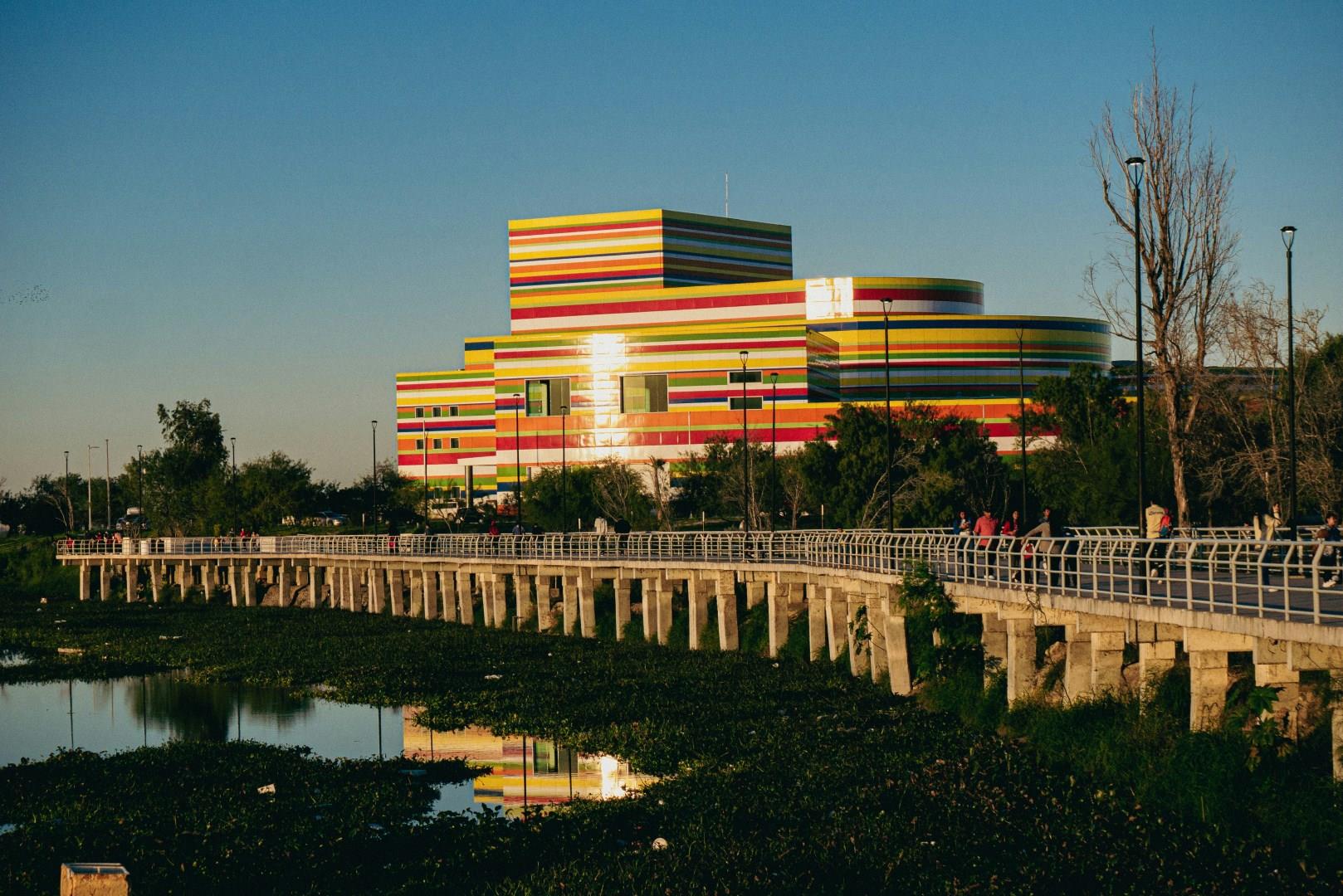
Reynosa
Reynosa, located along the northern border of Tamaulipas, is a city shaped by its position as a cultural and economic bridge between Mexico and the United States. Founded in 1749, Reynosa has grown into a vital manufacturing and trade center, but it also holds onto traditions that reflect both its regional roots and binational influences. The Plaza Principal is a popular gathering spot, often hosting live music and seasonal festivals.
