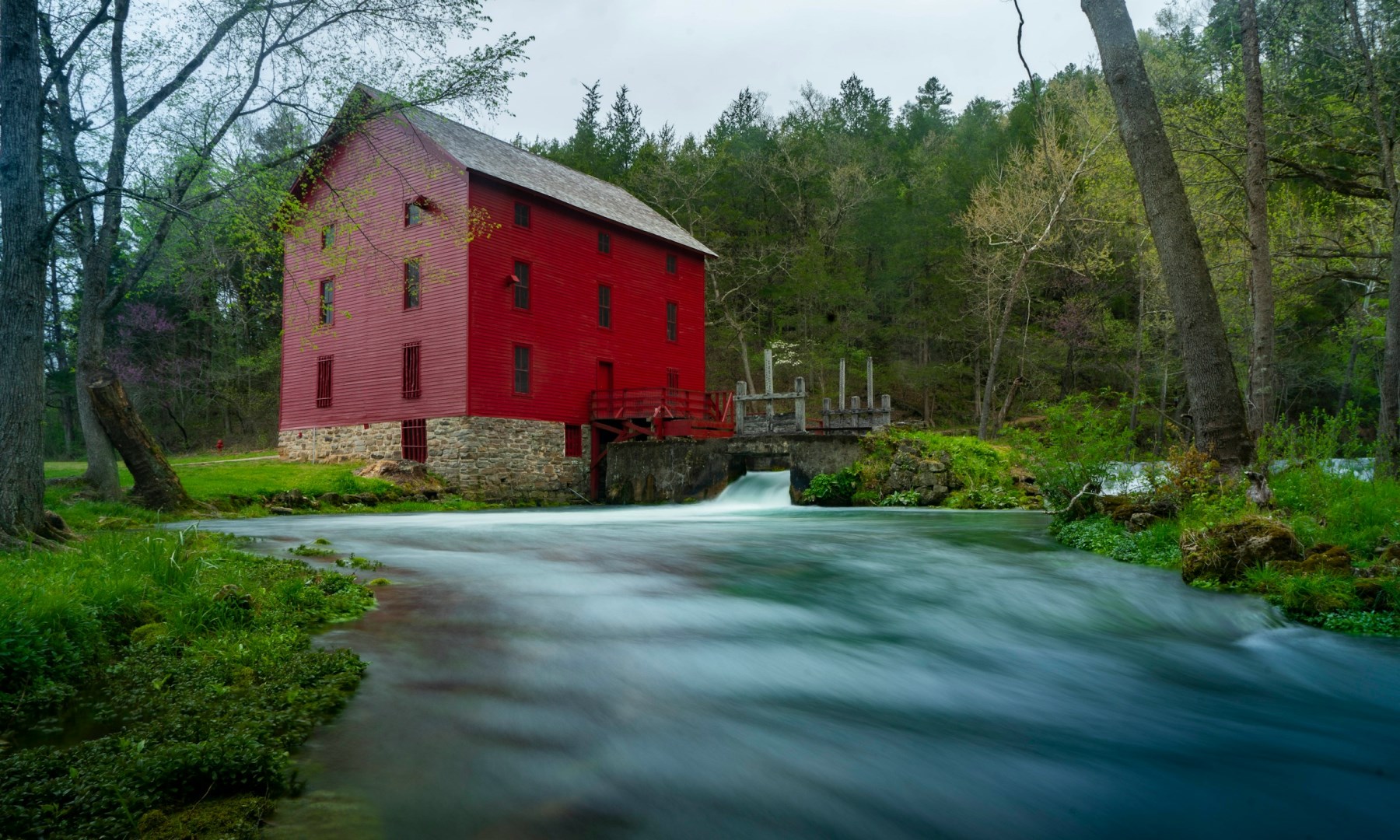
Missouri
Missouri, nestled in the heart of the United States, offers a rich tapestry of history, culture, and natural beauty. Begin your exploration in St. Louis, where the iconic Gateway Arch stands as a testament to westward expansion and American ambition. This architectural marvel not only offers breathtaking views of the Mississippi River but also houses the Museum of Westward Expansion, delving into the stories of pioneers and explorers who shaped the nation.
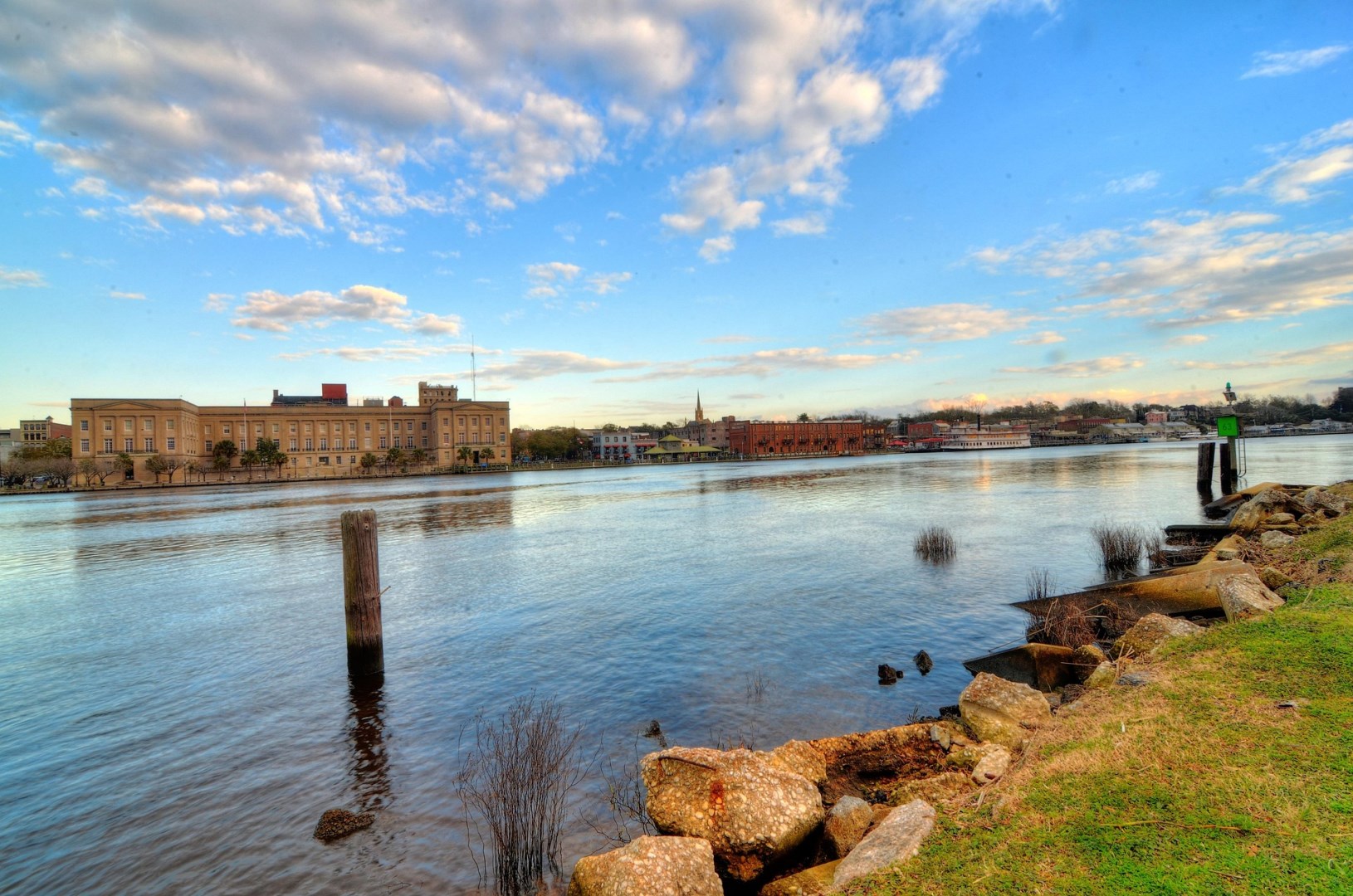
Wilmington
Wilmington was the only open seaport in the Confederacy from 1863 until the last months of the war - nearly two years. Visit Fort Fisher which kept the port open to blockade runners. Afterwards, tour another historic treasure, the Bellamy Mansion Museum of History and Design Arts. In 1865, it was commandeered as headquarters for the Union forces.

New Orleans
New Orleans is unlike any other city in the United States. Founded in 1718, it carries layers of French, Spanish, African, and Caribbean influence that can be felt in everything from its architecture to its street music. The French Quarter, the oldest neighborhood in the city, is full of iron-laced balconies, gas lamps, and narrow streets that echo with the sounds of live jazz.

Funchal
Nestled on the sun-drenched southern coast of Madeira, Funchal, the island's capital, offers an enchanting mix of old-world charm, vibrant culture, and natural beauty. This picturesque city, set against a backdrop of rugged mountains and the deep blue Atlantic Ocean, is known for its lush botanical gardens, stunning vistas, and year-round mild climate.

Bursa
Famous for its thermal baths and spas, it is said that the town was founded by Hannibal. It was originally called Prusa after Prusias I, king of Bithynia.