
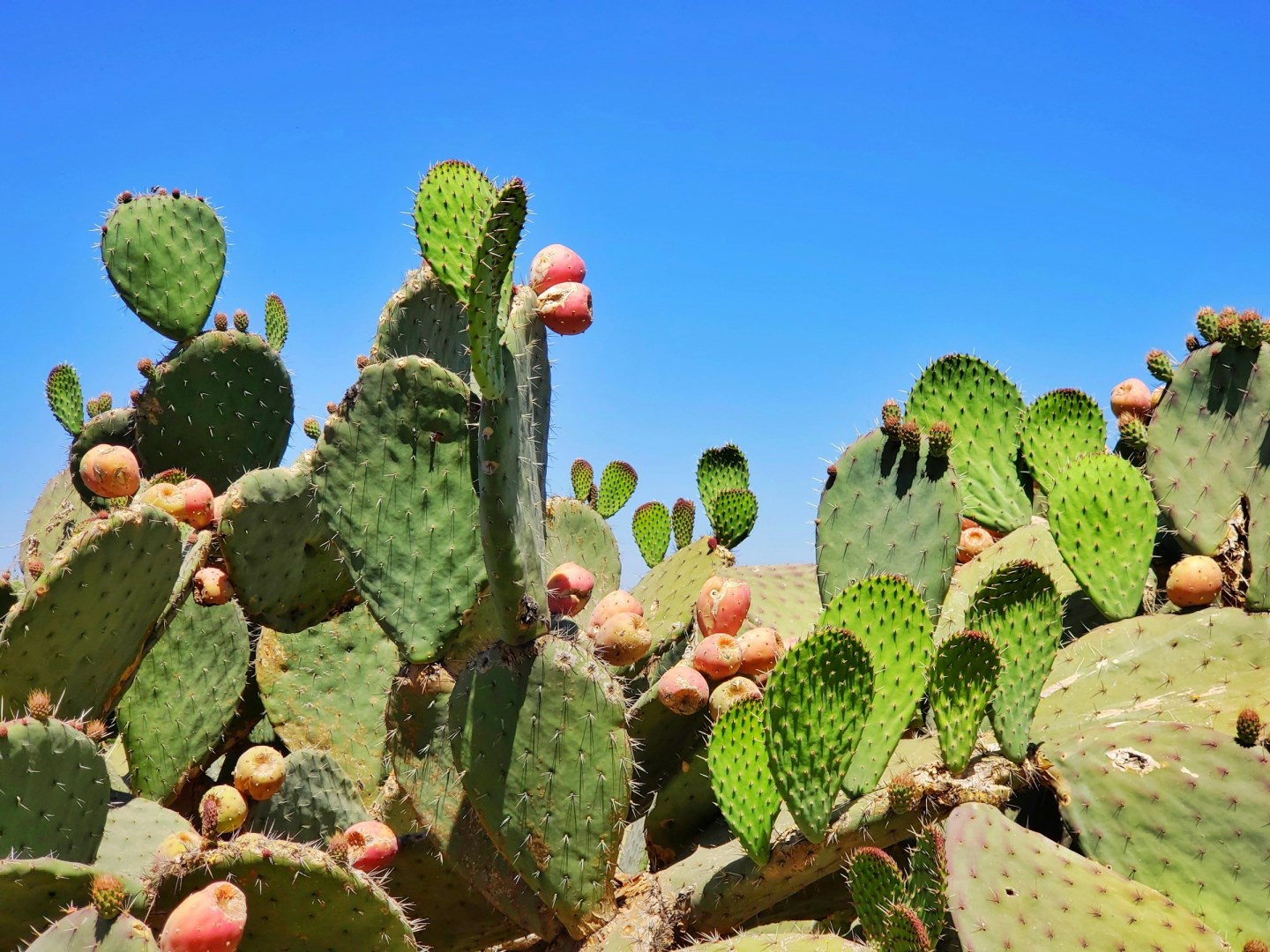
San Juan Teotihuacán
Mexico can be so much more than beautiful beaches. Discover the rich history, culture, and heart of Mexico in Teotihuacan.
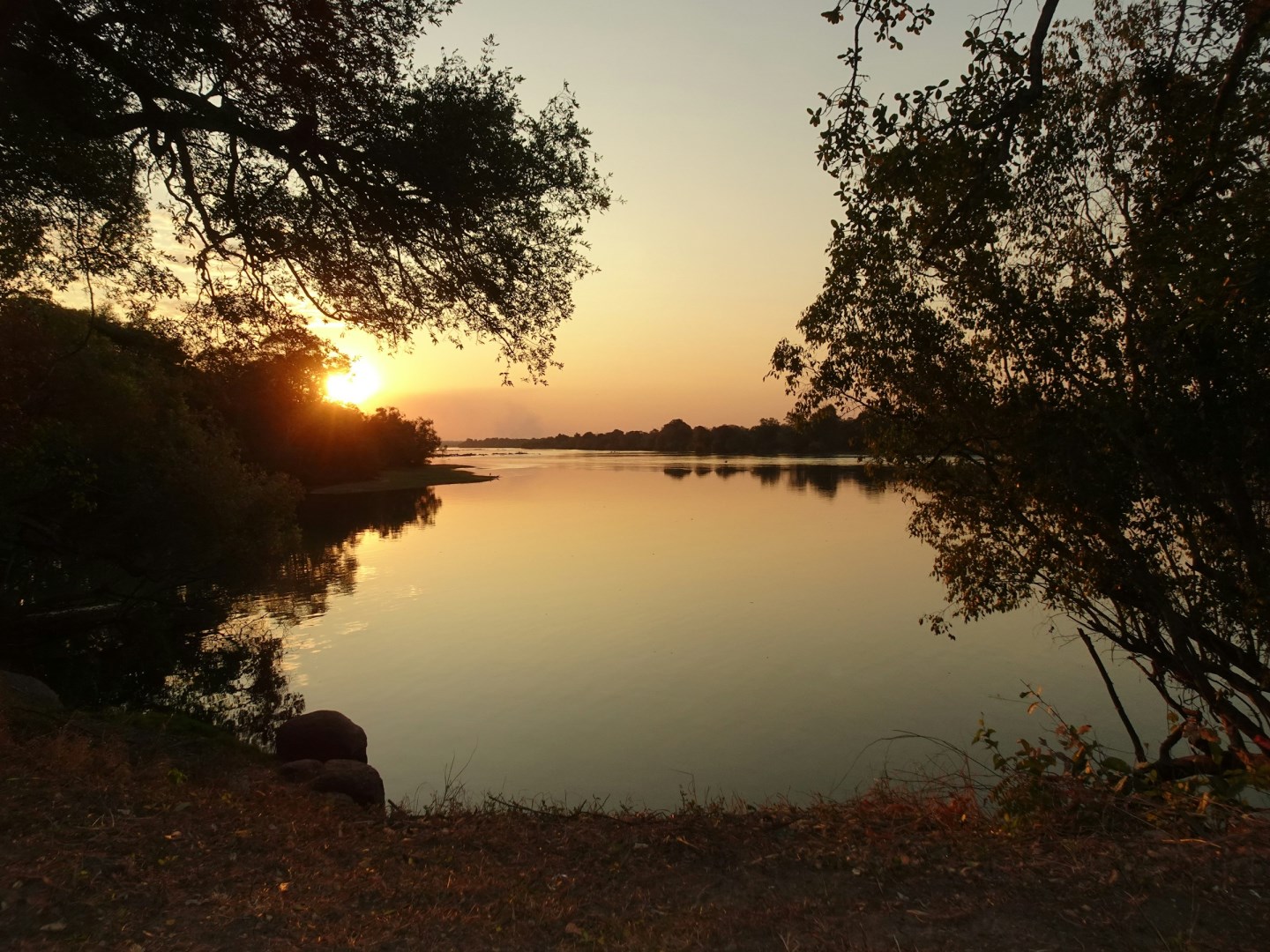
Kafue National Park
Kafue National Park is in western and central Zambia and is the country’s largest national park, covering about 22,400 square kilometers. The park takes its name from the Kafue River, which runs through the protected area and supports a wide range of wetlands, floodplains, grasslands, and woodland. Much of the park is covered by miombo woodland, while the northern Busanga Plains form extensive seasonal wetlands that become open grassland as floodwaters recede.

Manila
Manila is the capital of the Philippines and a densely built city on the eastern shore of Manila Bay. It serves as a major center for government, commerce, education, and the arts, while its neighborhoods reveal different layers of Filipino life. The Pasig River connects the city to the wider metropolitan area, and the waterfront remains an important part of its setting. Manila is especially known for Intramuros, the walled historic district at the heart of the city.
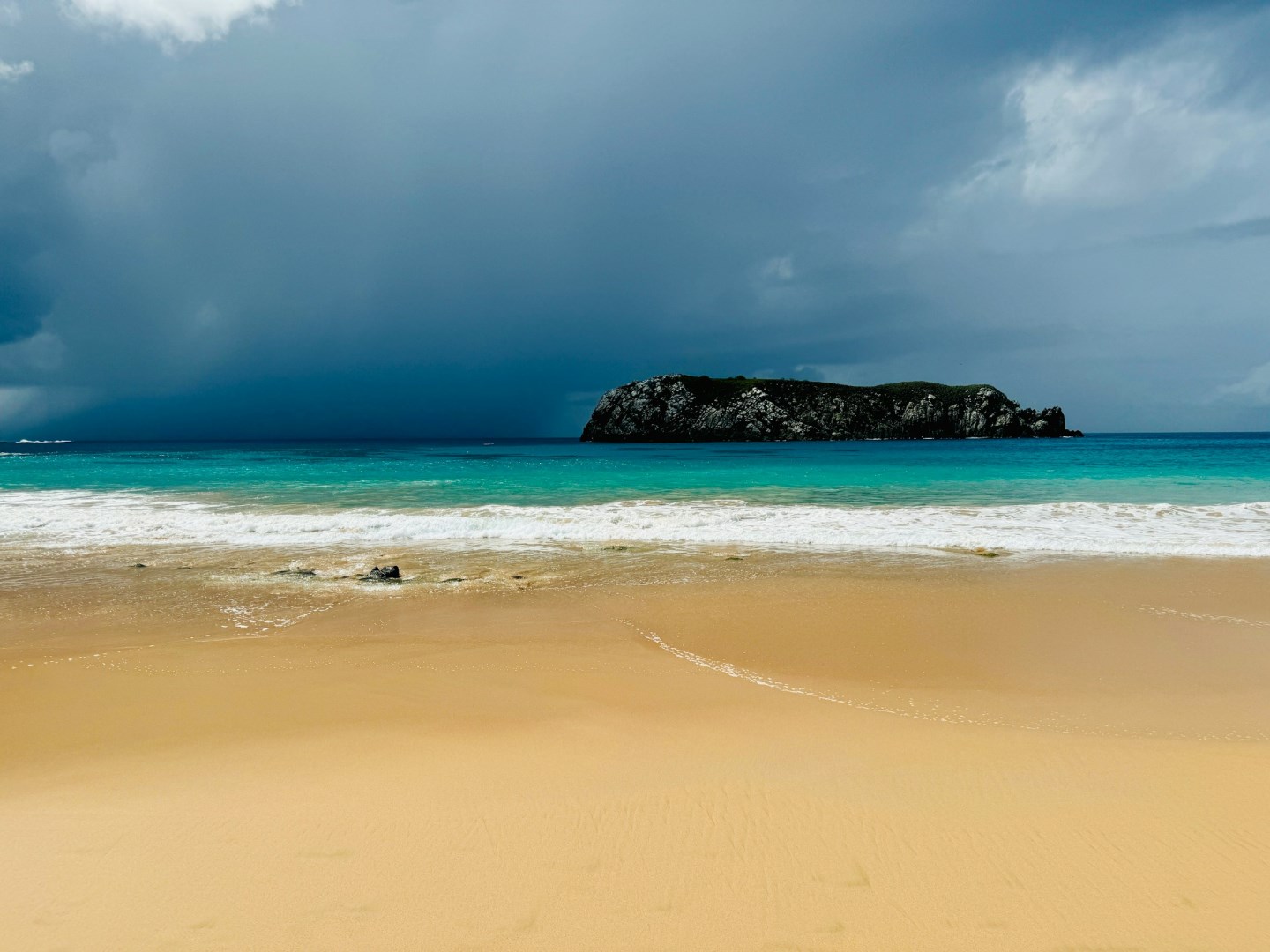
Fernando de Noronha
Fernando de Noronha is a volcanic archipelago in the Atlantic Ocean, belonging to the Brazilian state of Pernambuco. The archipelago consists of 21 islands and islets, with only the main island permanently inhabited. Much of the land and surrounding sea is protected through the Fernando de Noronha Marine National Park and the Fernando de Noronha Environmental Protection Area.
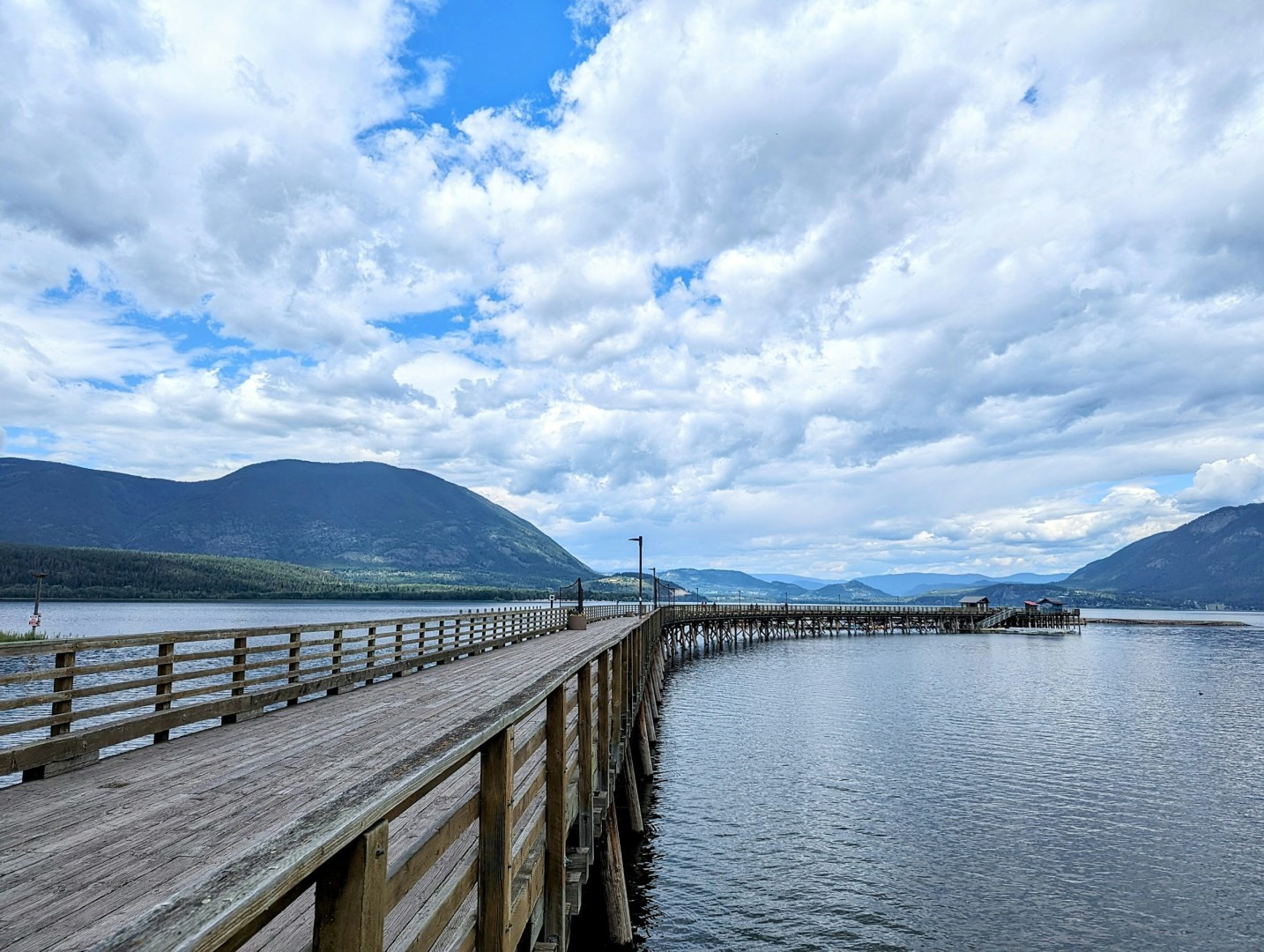
Salmon Arm
Salmon Arm is a community on the southern shore of Shuswap Lake in British Columbia’s Southern Interior. Its location places the city between Kamloops and Revelstoke, with the lake, surrounding hills, and forested valleys shaping the local landscape. The community takes its name from the southwest arm of Shuswap Lake, which was historically associated with salmon runs in the waterways entering the lake.
