Perros-Guirec
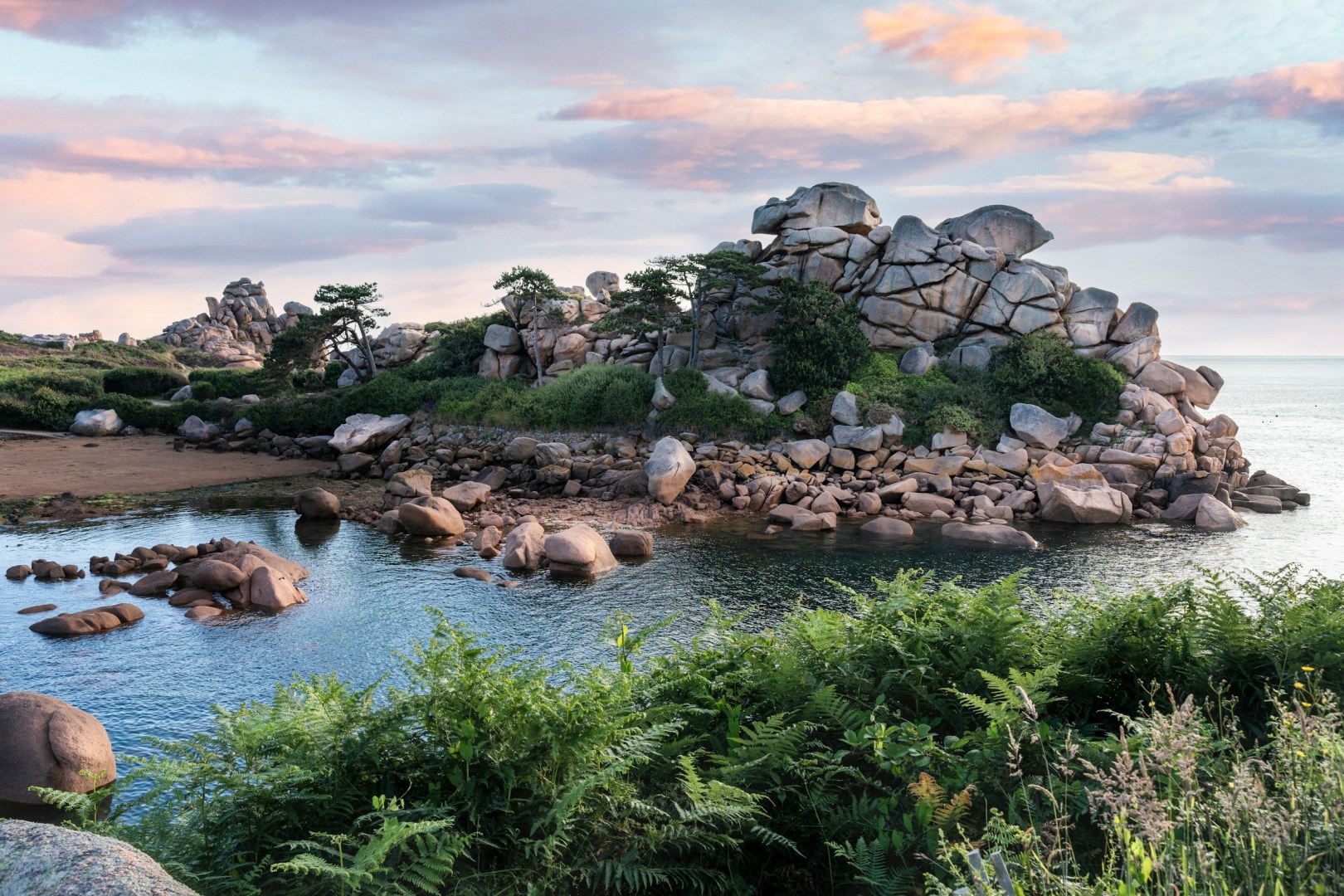
Saint Guirec was a Gallic monk who evangelized Perros Guirec in the 6th century. Known primarily as a health and tourist resort, Perros-Guirec is set on the stunning pink granite coast. Explore Trestraou Beach with its fabulous pink rock formation or the beach of Ploumanac'h where St.Guirec is buried. Perros-Guirec also is host to one of the main bird reserves.
Lincoln City
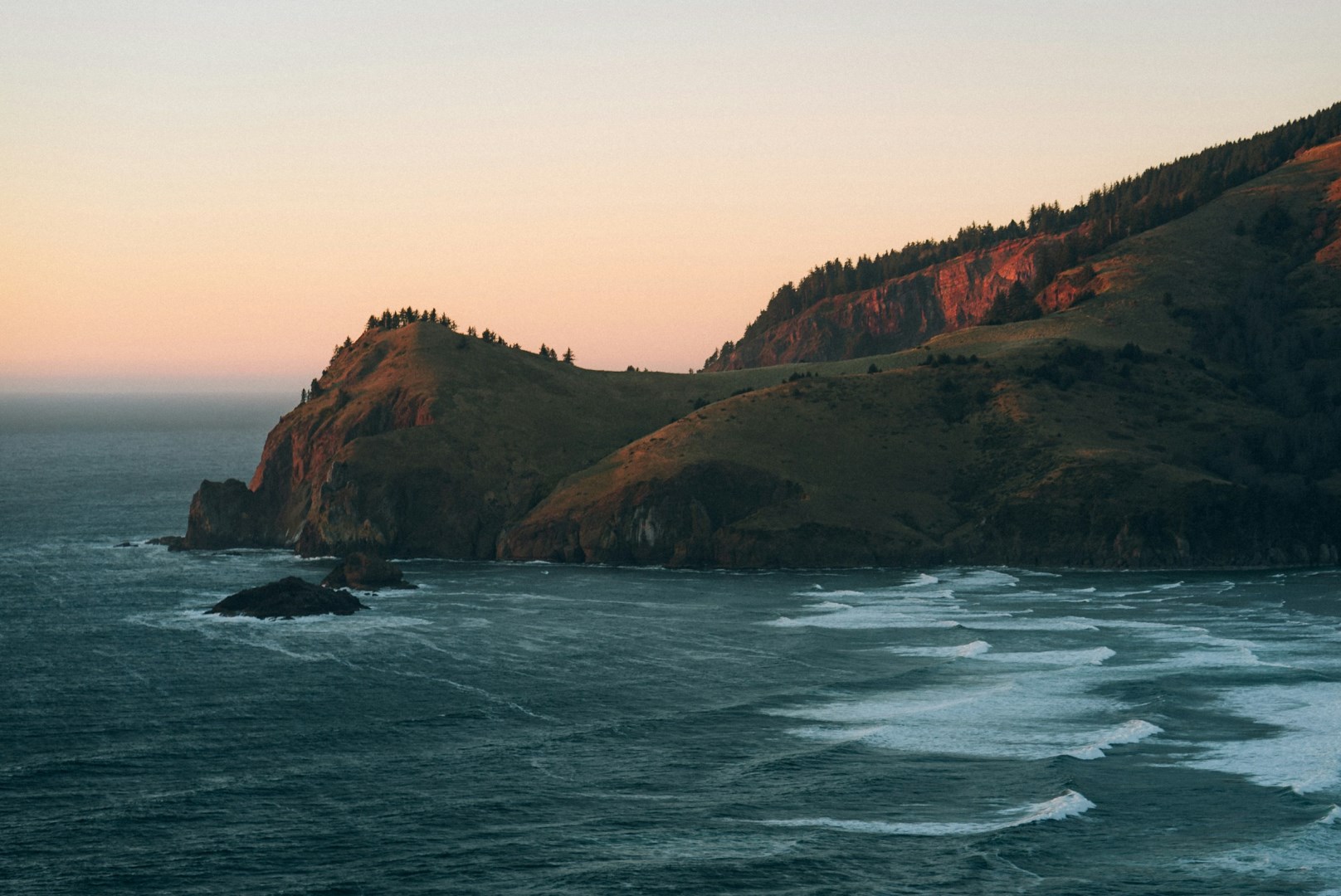
On the Oregon Coast, Lincoln City is more a collection of beach towns strung along 7.5 miles of ocean, than a city....Fans of sports or nature walks find pieces of heaven. River, lake or ocean, fishers can take their pick. The boutiques, shops, galleries and national brand factory outlets say that you've found a place where shopping really is a day at the beach.

Jalisco
Jalisco, a vibrant state on Mexico’s Pacific coast, offers a diverse tapestry of experiences that span history, culture, and natural beauty. The state capital, Guadalajara, is renowned for its rich cultural heritage and lively atmosphere
Aguas Calientes
Aguas Calientes, officially called Machupicchu Pueblo, sits in a narrow valley below the ruins of Machu Picchu, shaped almost entirely by geography and access. The town grew around the railway and hot springs that give it its name, becoming a necessary stopping point rather than a destination planned in advance. Its identity is closely tied to movement, with most people arriving on foot or by train and staying briefly before heading uphill.
Faro
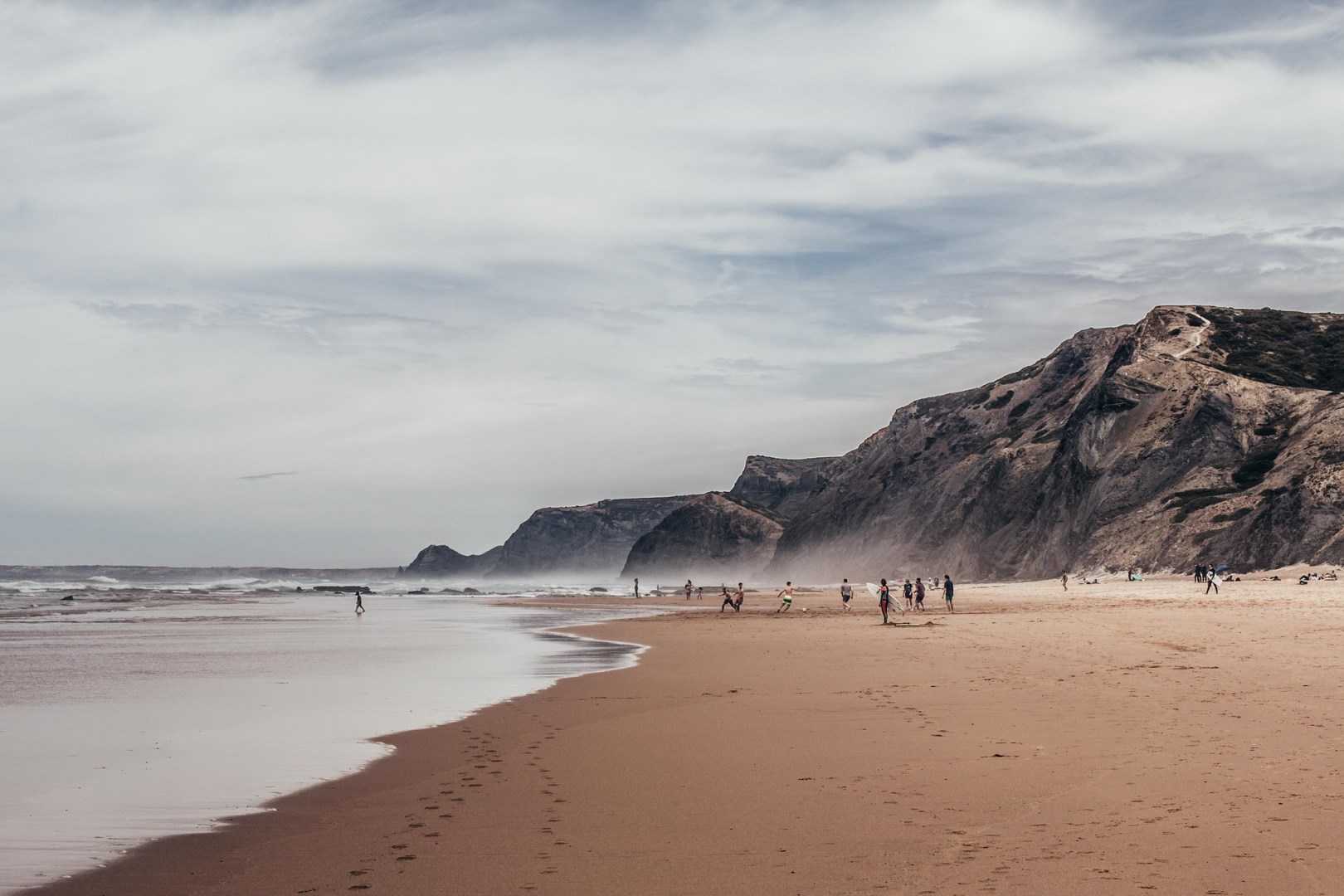
This is the most Moorish part of Portugal, the rich plain south of the Serra do Caldeirao, scalloped by the beaches and headlands of the Algarve. It is where, in early spring, blossoming almond trees carpet the still-brown hillsides with drifts of snow-like flowers, and the plain white facades of little houses are topped by intricately pierced chimneys that look like ice-cream cones.