

Bolivia
Bolivia is a country where altitude meets attitude high in the Andes with rich traditions that stretch back thousands of years. Its capital, La Paz, sits in a bowl-shaped valley surrounded by jagged peaks, making it one of the highest cities in the world. Cable cars glide over the city’s rooftops, linking markets, museums, and neighborhoods in a way that doubles as both transport and sightseeing. From here, visitors can easily reach the Moon Valley.
Réunion
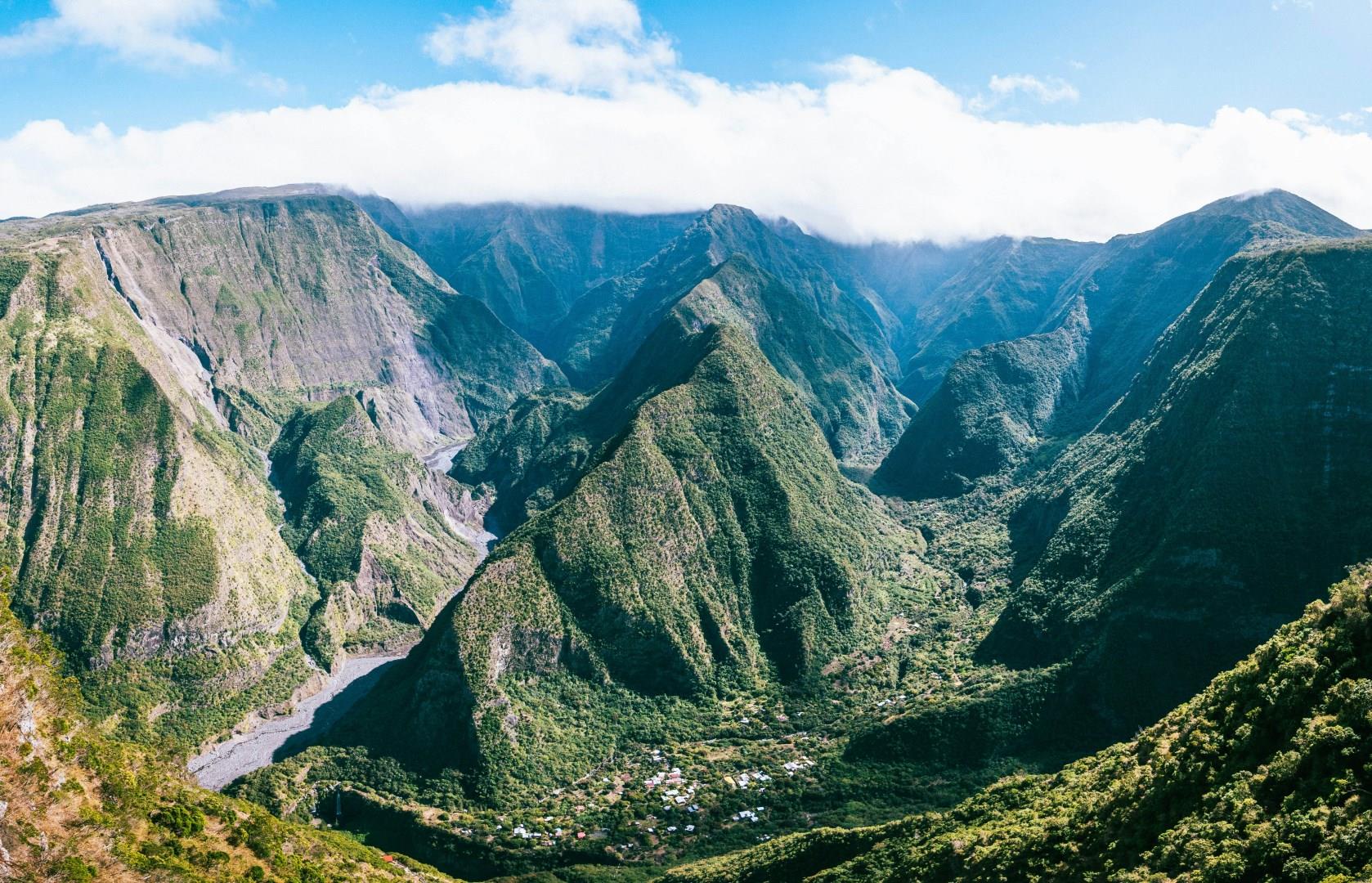
Réunion, a French overseas department in the Indian Ocean, lies east of Madagascar and combines European and Creole influences in a tropical setting. Its volcanic landscapes, lush forests, and coastal towns make it an extraordinary destination for those seeking both culture and nature.
Florø
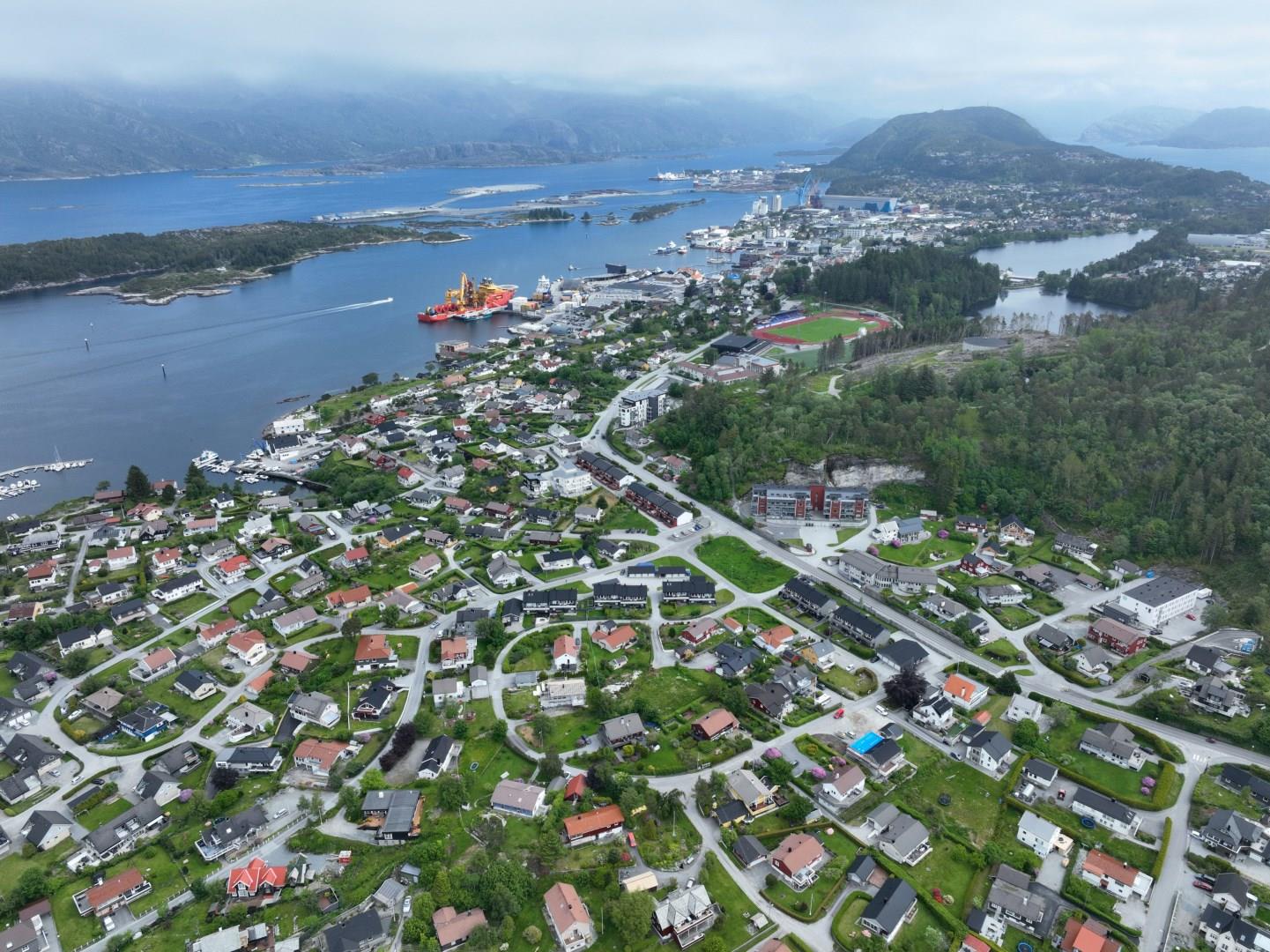
Florø, the westernmost town in Norway, sits right at the edge of the sea as a small, coastal town with deep maritime roots and front-row views of the North Atlantic. Established in 1860 as a herring fishing hub, Florø still carries the rhythm of the ocean in daily life. Though small in size, the town serves as a jumping-off point to explore the rugged coastline, scenic fjords, and a collection of islands that each have their own stories and scenery.

Jeddah
Jeddah sits along Saudi Arabia’s Red Sea coast and has long served as a gateway between the Arabian Peninsula and the wider world. For centuries, merchants, pilgrims, and travelers passed through its port on the way to Mecca, shaping a city known for openness and exchange.
Mexico City
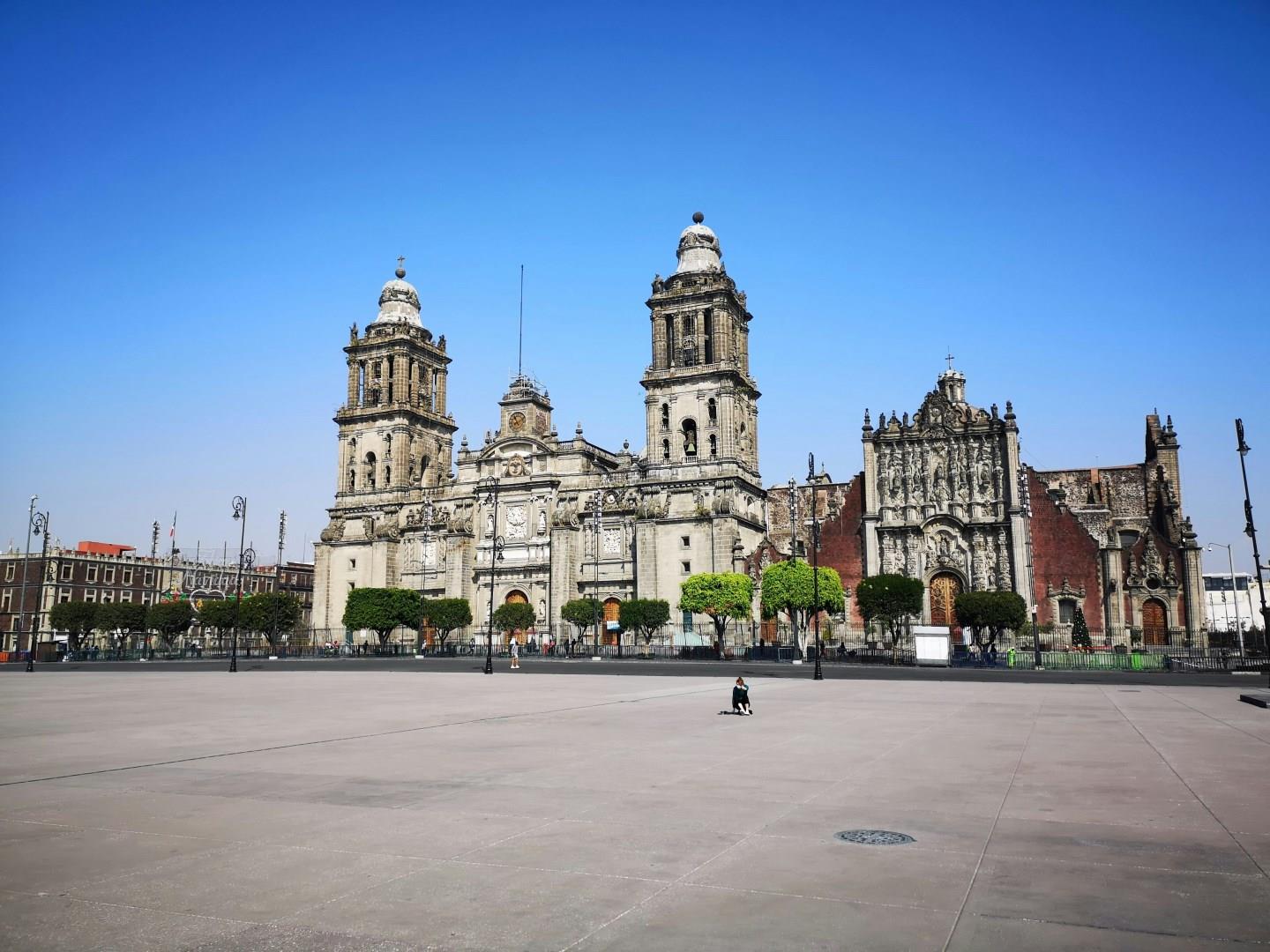
Mexico City sits on the high plateau of central Mexico, layered with more than seven centuries of history and culture. Built atop the ruins of the Aztec capital Tenochtitlán, the city reflects a continuous dialogue between Indigenous foundations, Spanish colonial influence, and modern urban life.
