Black Forest
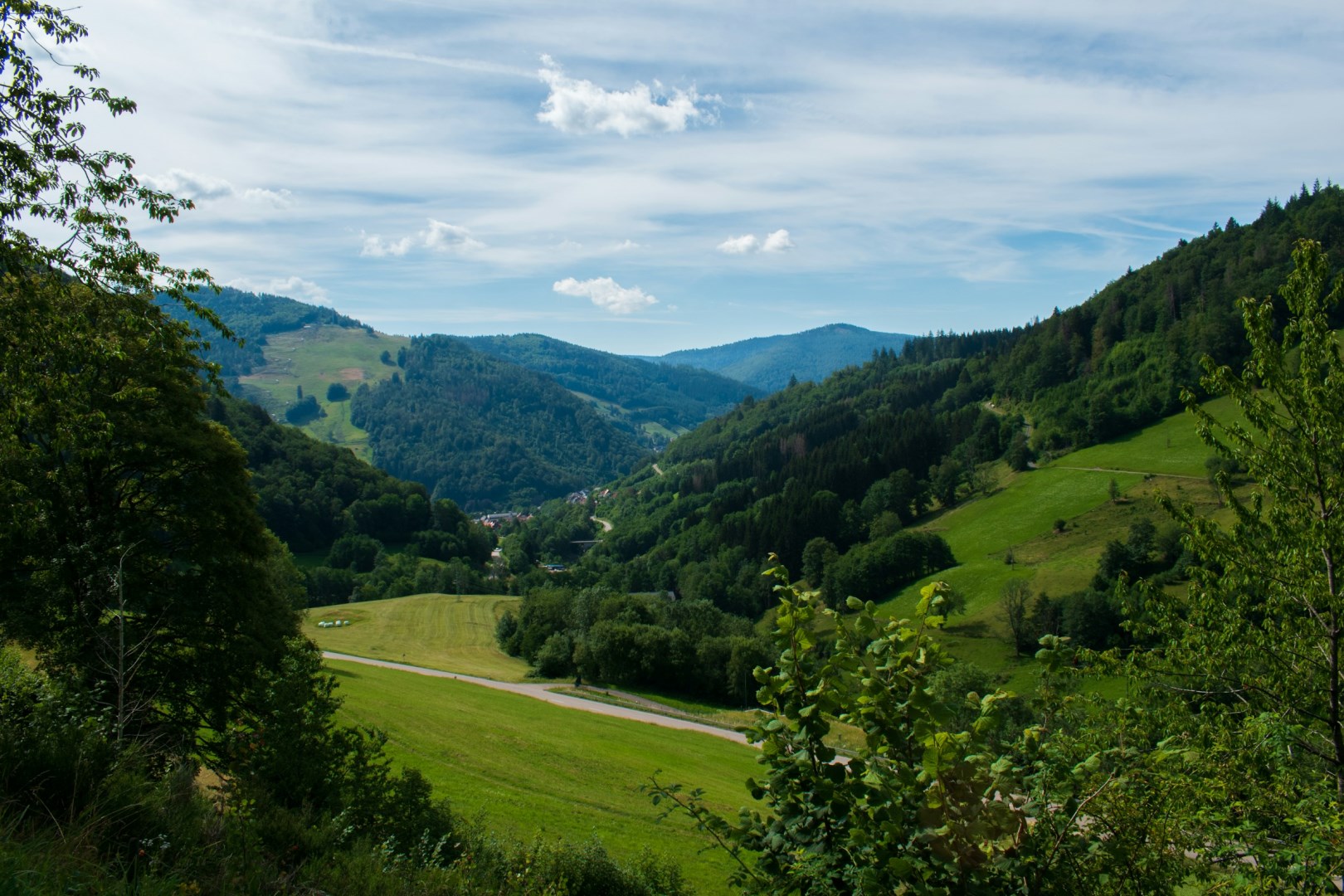
The Black Forest is a mountainous region of southwest Germany between the Rhine and Neckar rivers, near Baden and Wurtemburg. A part of the ancient Hercynian forest, it is a year-round resort area that is famous for its clock and toy industries.
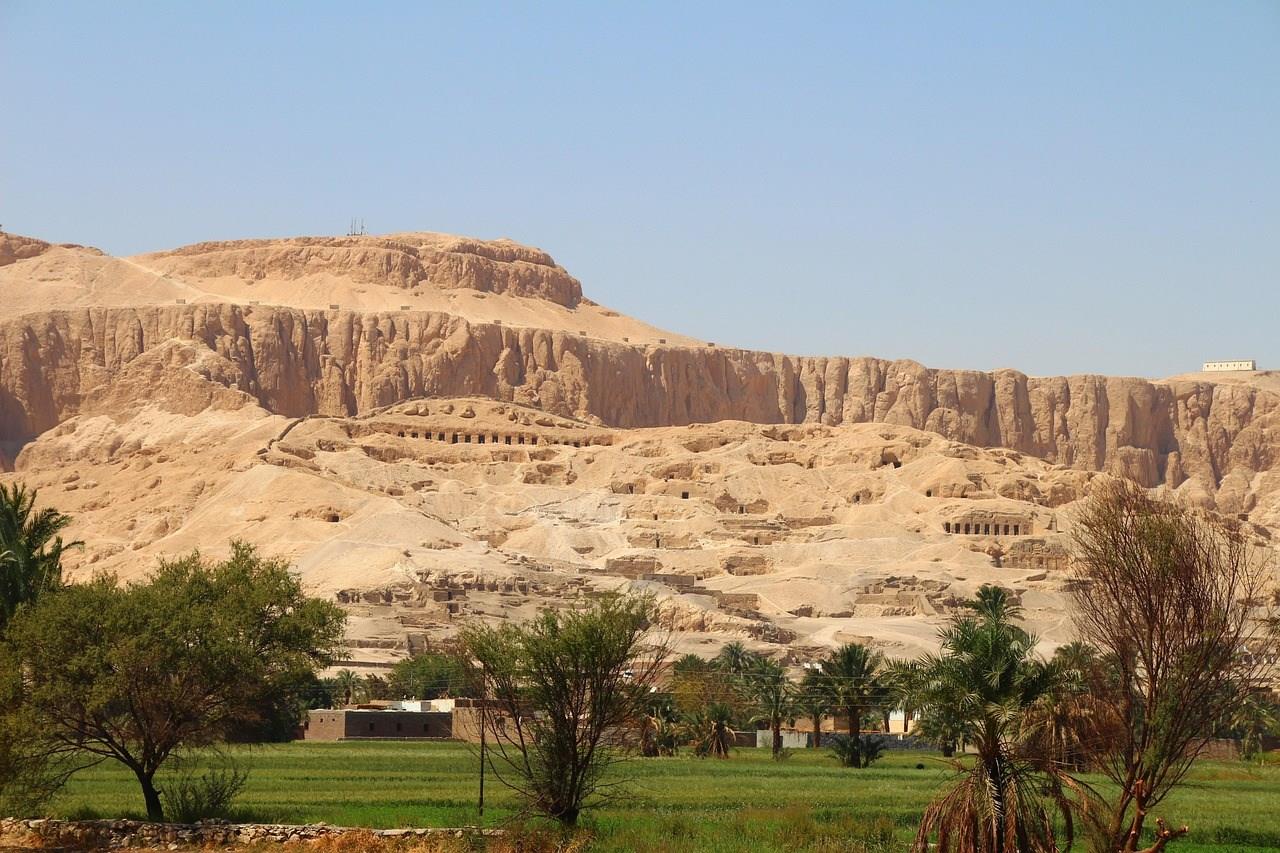
Valley of the Kings and Queens
The Valley of the Kings and the Valley of the Queens, located on the west bank of the Nile near Luxor, Egypt, are two of the world’s most significant archaeological sites. For over 500 years during the New Kingdom (16th–11th centuries BCE), these valleys served as the burial grounds for pharaohs, queens, and high-ranking nobles.

Garden of the Gods
Garden of the Gods, located in Colorado Springs, is a breathtaking natural wonder renowned for its stunning red rock formations and striking geological features. This public park is famous for its towering sandstone spires, some reaching heights of over 300 feet, which create a dramatic contrast against the backdrop of the snow-capped Pikes Peak.
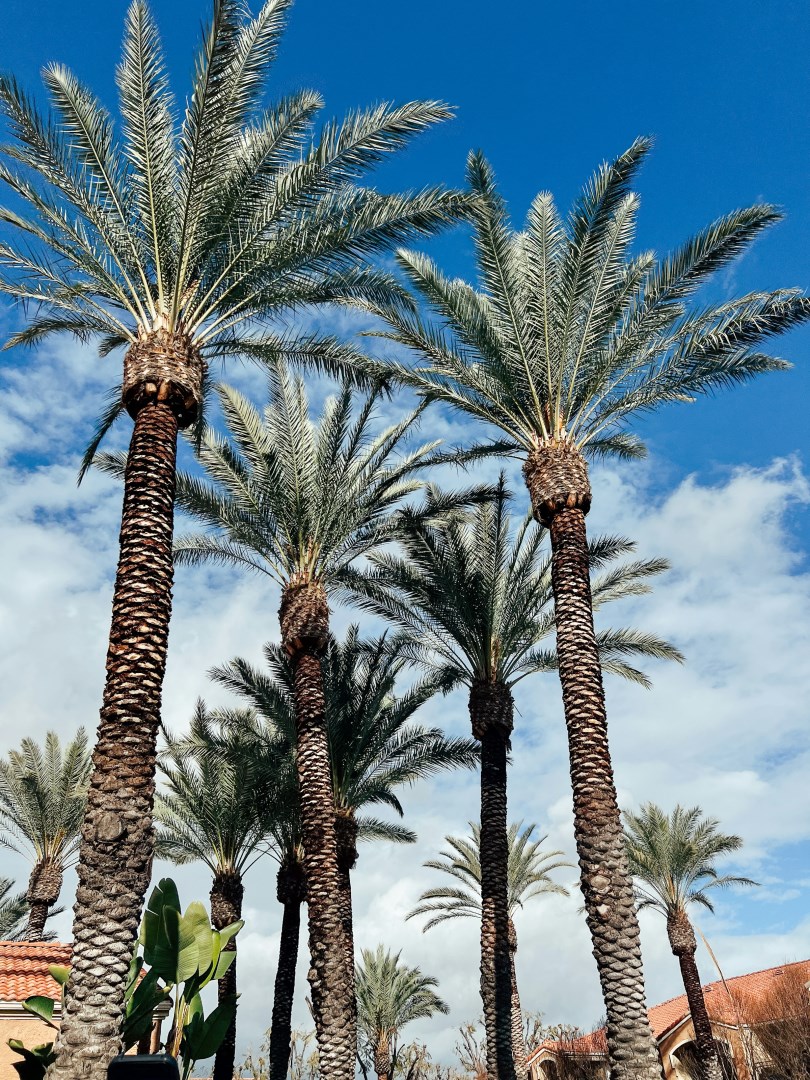
Ontario
Ontario is a city in Southern California’s Inland Empire, located in San Bernardino County at the foot of the San Gabriel Mountains. The city occupies a landscape that has been shaped by agriculture, residential development, and transportation infrastructure, with the mountains providing a prominent backdrop to the north.
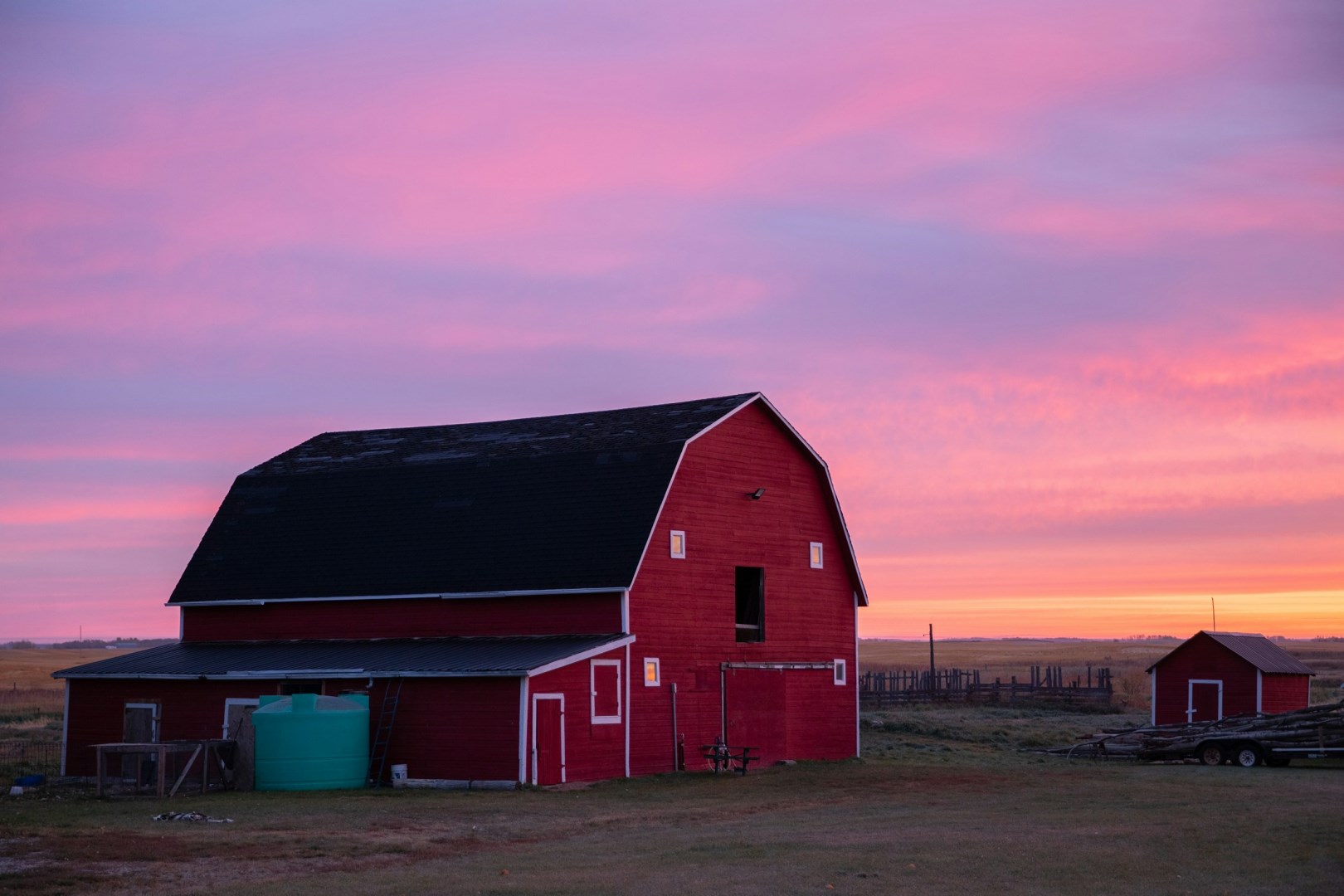
Saskatchewan
Regina is the provincial capital of Saskatchewan. Covering an area of 251,699 sq. miles, this Canadian heartland is ripe with sprawling farmlands and fertile soil producing almost one-third of North America's wheat supply. The Metis people populate a sparse area of the territory's northern wilderness of lakes, swamps and forest.