
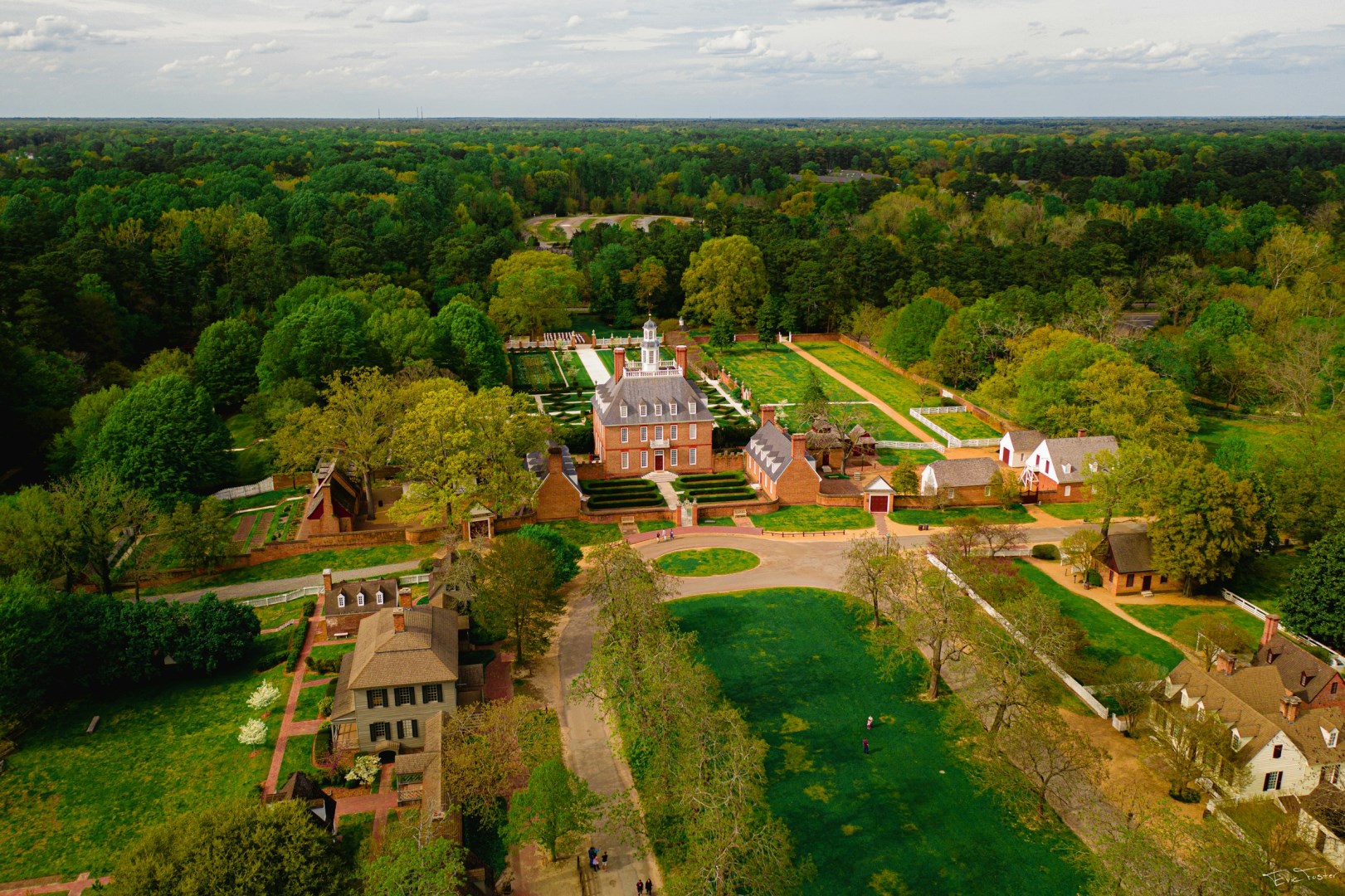
Williamsburg
Williamsburg, Virginia offers visitors the unusual opportunity to walk through a fully reconstructed 18th-century city. As the capital of the Virginia Colony from 1699 to 1780, Williamsburg played a key role in early American politics and daily life. Today, Colonial Williamsburg spans over 300 acres and includes historic buildings, working tradespeople, and costumed interpreters who bring the Revolutionary era to life.
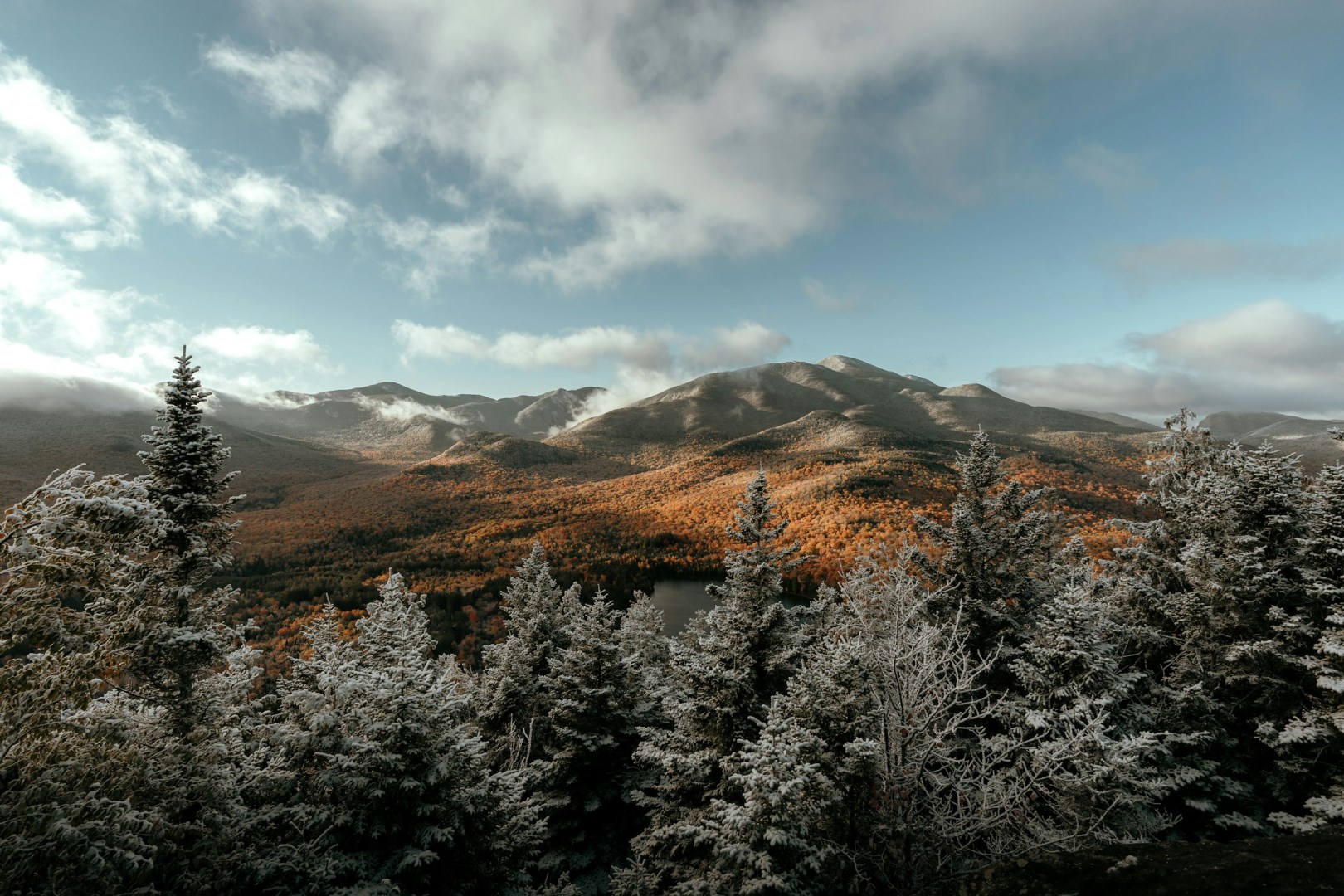
Adirondack Mountains
The Adirondack Mountains occupy a vast region of northern New York, surrounded by forests, lakes, rivers, and small communities. The mountains form part of the much larger Adirondack Park, which covers about six million acres and includes both public and private land. The landscape ranges from broad lake valleys to rugged high peaks, with Mount Marcy rising as New York’s highest summit. Towns such as Lake Placid, Saranac Lake, Keene, and Lake George provide gateways into the mountains, while the

Imatra
Imatra, Finland, is a hidden gem nestled near the Russian border, known for its stunning natural beauty and rich history. A key draw is the Imatrankoski Rapids, one of Finland's oldest tourist attractions dating back to the 18th century. These powerful rapids, located on the Vuoksi River, have captivated visitors for centuries, including Russian nobility like Catherine the Great.
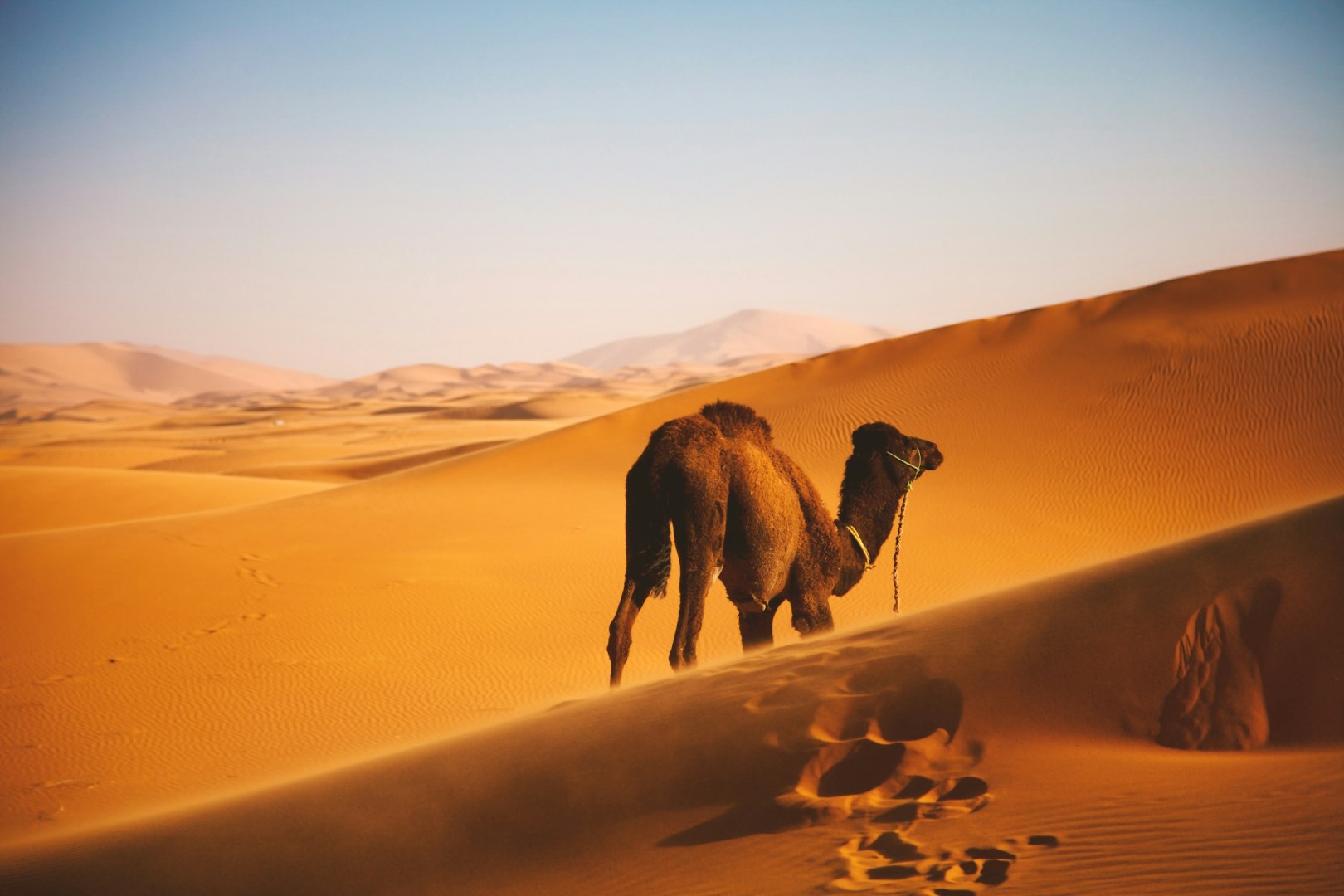
Erg Chebbi
Erg Chebbi is a large field of wind-shaped sand dunes in southeastern Morocco, near the village of Merzouga in the Drâa-Tafilalet region. It forms one of Morocco’s best-known Sahara landscapes, rising abruptly from the surrounding rocky desert. The dunes stretch for roughly 28 kilometres from north to south, with some of the highest crests reaching about 150 metres. Their deep orange and golden tones change noticeably with the position of the sun.

Cordoba
Argentina's second largest city, founded 400 years ago by Conquistadores, Cordoba is built at the edge of the Pampas and in thefoothills of the Andes Mountains. It is a university town that maintains the charm of Colonial days and Spanish traditions.
