Vang Vieng
Vang Vieng, nestled along the banks of the Nam Song River in central Laos, is an adventurer's paradise surrounded by stunning limestone karsts and verdant landscapes. Known for its laid-back atmosphere and natural beauty, this small town has transformed from a backpacker haven into a more sophisticated destination offering a mix of adventure, relaxation, and cultural experiences.
Eugene
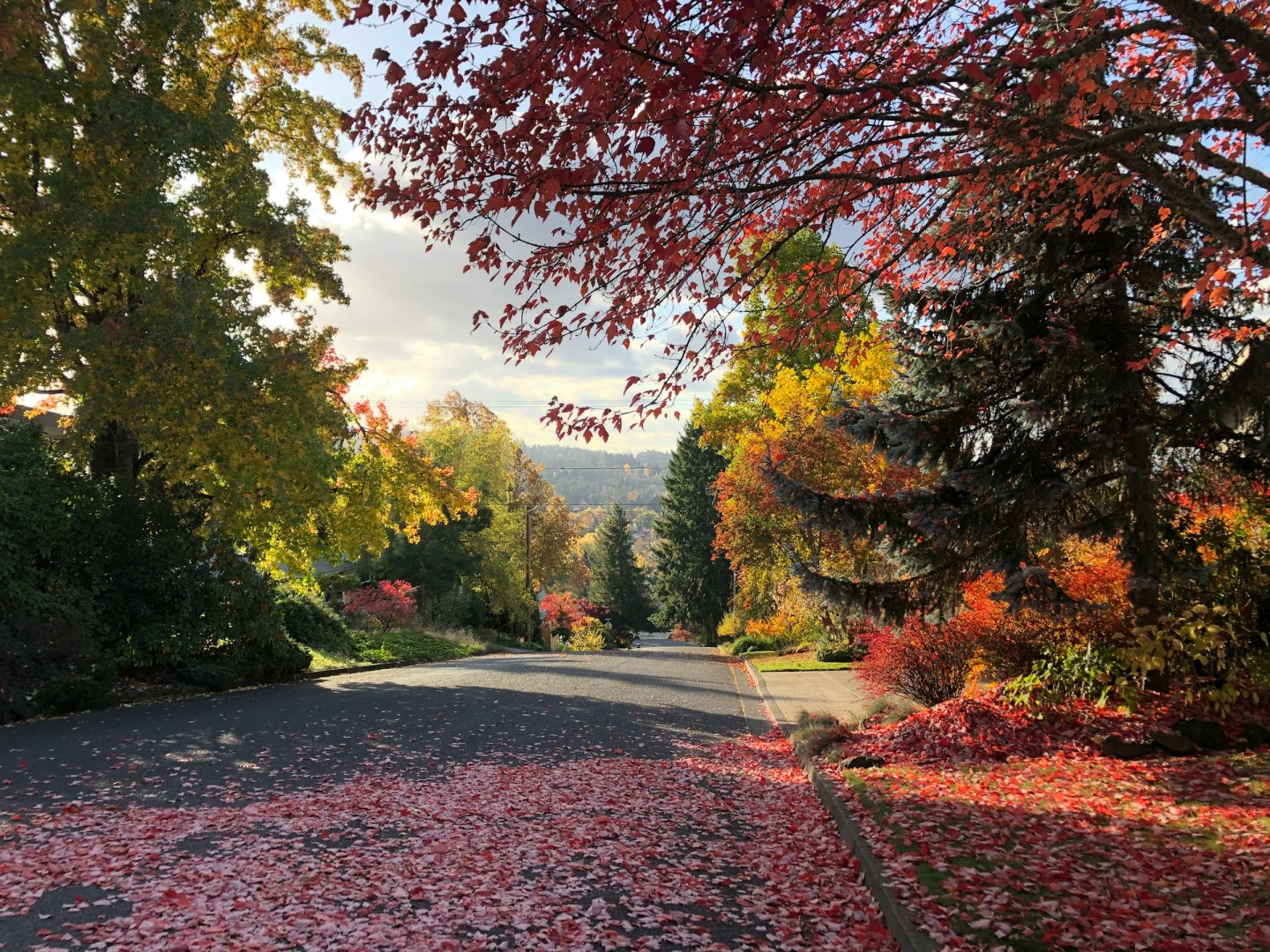
Eugene is home of the University of Oregon. It is a culturally and athletically diverse city. Bicycling magazine rates it as one of the top cycling communities in the country because of its numerous scenic bike baths. The Saturday Market features musical performers, arts and crafts, and fresh produce. Neighboring Springfield is the gateway to the McKenzie River Recreation Area, featuring whitewater rafting and camping.

Dominica
Dominica, known as the “Nature Island of the Caribbean,” is a haven for eco-tourists and adventure seekers. Nestled between the French islands of Guadeloupe and Martinique, this lush island boasts a remarkable landscape of volcanic mountains, dense rainforests, and stunning waterfalls. Dominica’s most iconic natural wonder is the Boiling Lake, the second-largest hot spring in the world.
Brasília
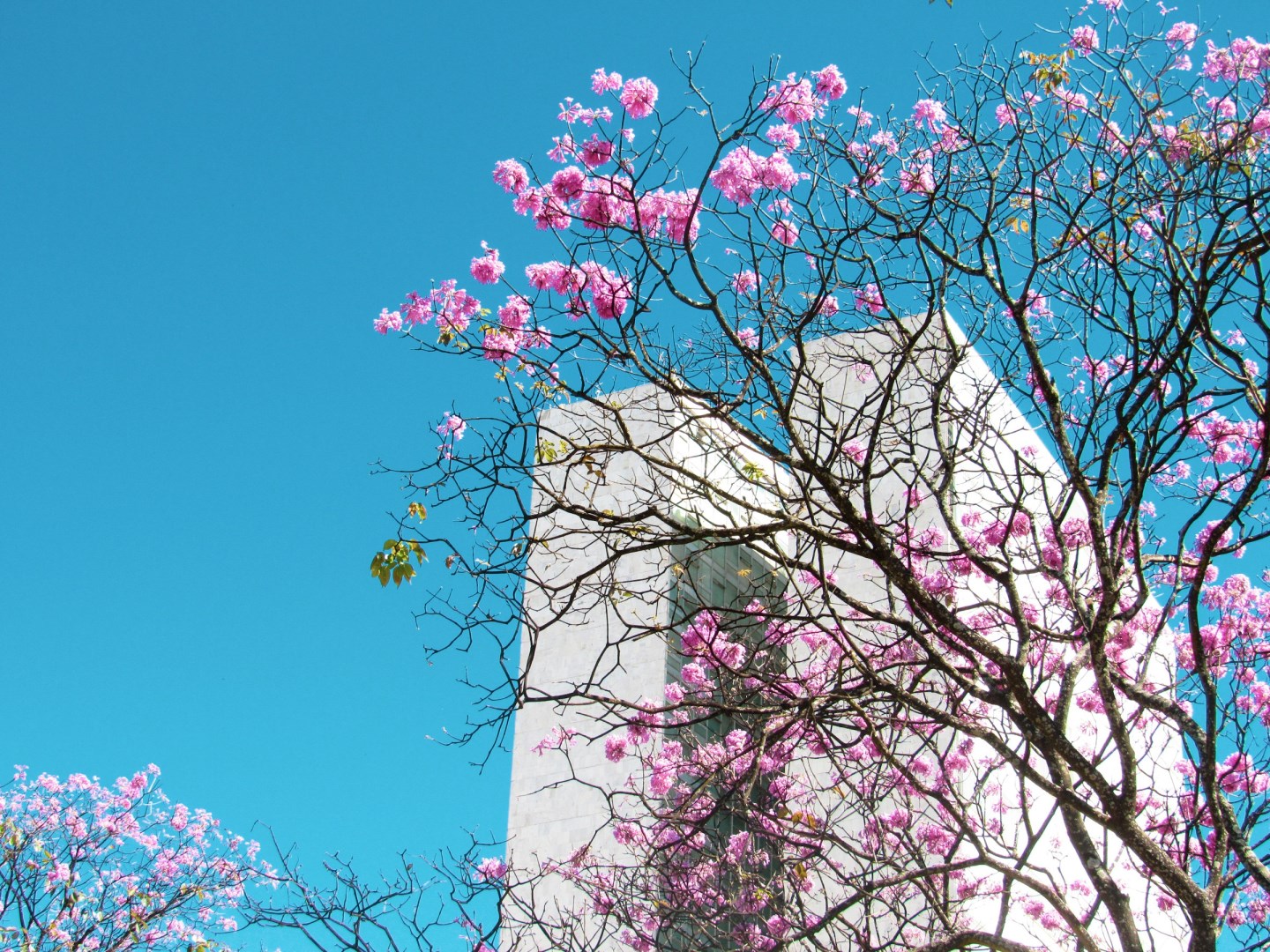
Brasília may be a World Heritage Site, but it is only of interest to town planning and architecture students, and those keen to witness the folly of man on a metropolitan scale. It must have looked good on paper, and still looks good in photos, but in the flesh, forget it. Designed by architect Oscar Niemeyer, urban planner Lucio Costa, and landscape architect Burle Marx, the city was built in an incredible three years between 1957 and 1960.
Madang
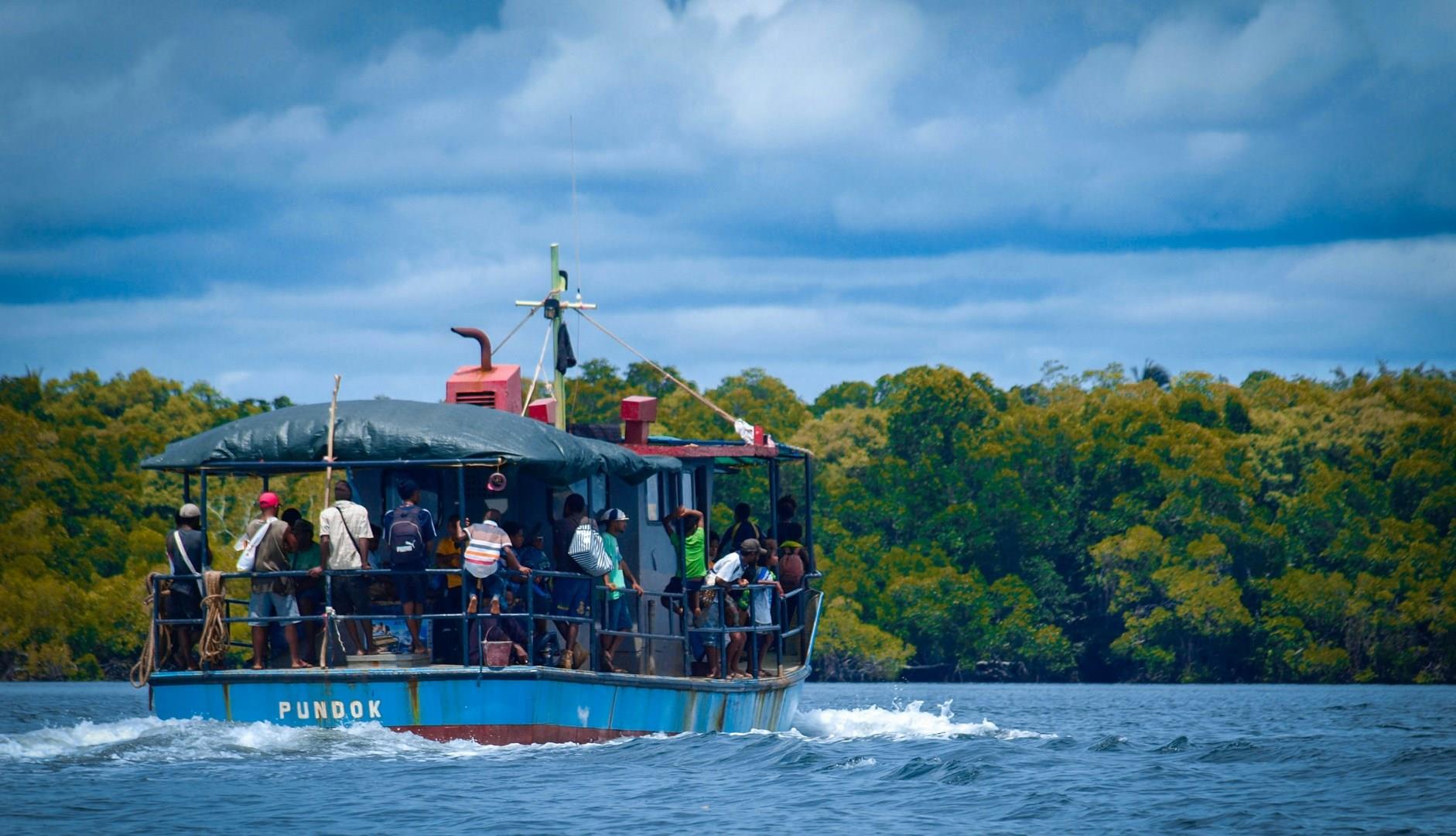
Madang, perched on the edge of Astrolabe Bay, feels like a well-kept secret of Papua New Guinea that’s framed by lush jungles and dotted with volcanic isles. Every June, Madang pulses with energy at the annual Madang Festival. Villages from across the province gather for ceremonies where dancers don feathered costumes, shells, and body paint. The beat of kundu drums rises through the air and stories woven in movement.