
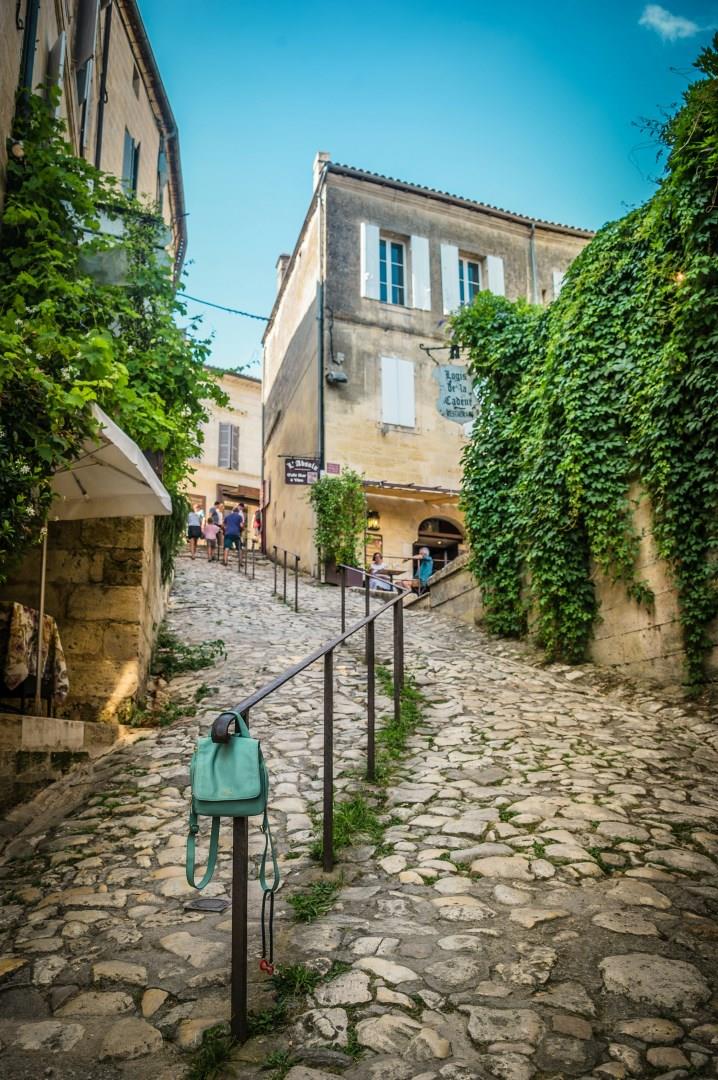
Saint-Émilion
Saint-Émilion, nestled in the heart of southwest France, is a living monument to centuries of craftsmanship, faith, and wine-making. Recognized as a UNESCO World Heritage Site since 1999, this medieval town sits on a limestone plateau surrounded by vineyards that date back to Roman times. Visitors can explore cobbled streets that wind past centuries-old stone houses, descend into underground catacombs carved by monks, and visit the astonishing Monolithic Church.
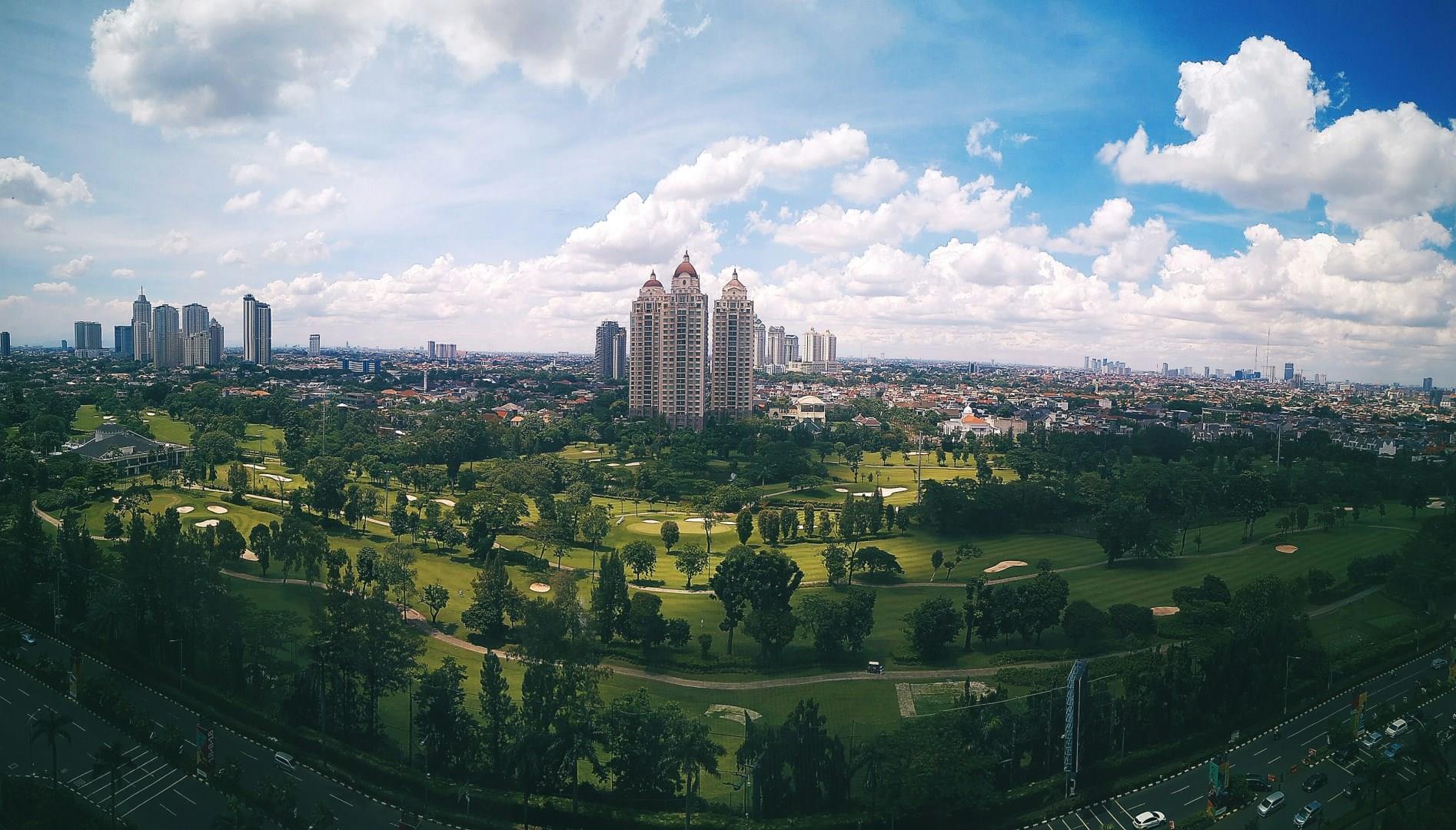
Jakarta
Jakarta, the capital of Indonesia, is a city where centuries of history meet modern energy. Located on the island of Java, it has long been a hub for trade and culture, drawing influences from across Asia, the Middle East, and Europe.

Umbria
Nestled in the heart of Italy, Umbria is often called the "Green Heart of Italy" due to its lush landscapes and rolling hills. This region offers visitors a tranquil escape from the bustling cities, with medieval hilltop towns, rich history, and exceptional cuisine. Perugia, Umbria's capital, is a cultural hub known for its well-preserved Etruscan history, including the Etruscan Well and Arco Etrusco, a gateway dating back to the third century BC.
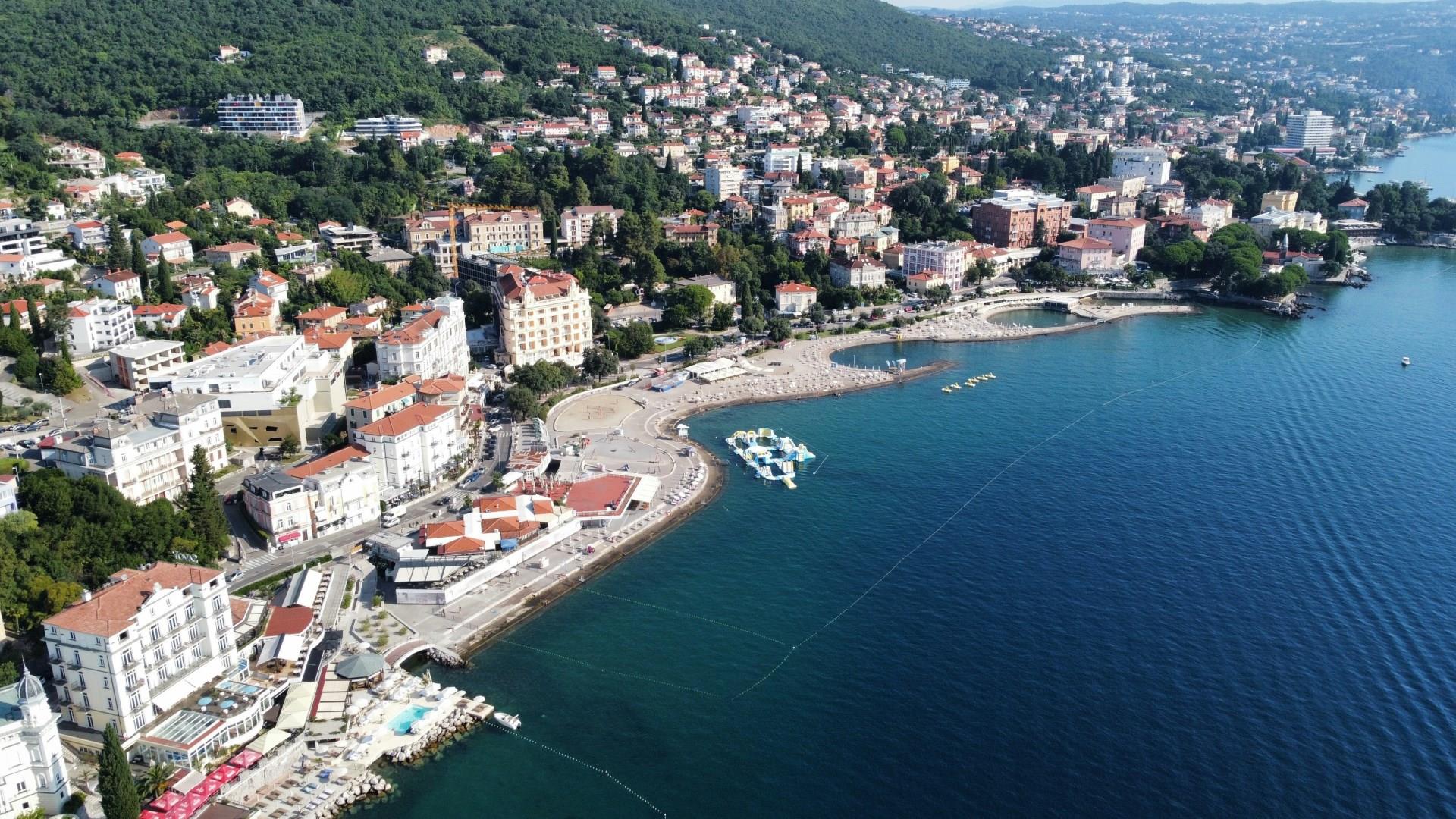
Opatija
Opatija, located on Croatia’s Kvarner Bay, has been drawing visitors since the 19th century, when Austro-Hungarian aristocrats built grand villas along its Adriatic shoreline. Today, many of those same buildings still stand with some restored as luxury hotels and others preserved as cultural landmarks. The town’s most recognizable structure, Villa Angiolina, opened in 1844 and marked the start of Opatija’s rise as a fashionable seaside resort.
Aguas Calientes
Aguas Calientes, officially called Machupicchu Pueblo, sits in a narrow valley below the ruins of Machu Picchu, shaped almost entirely by geography and access. The town grew around the railway and hot springs that give it its name, becoming a necessary stopping point rather than a destination planned in advance. Its identity is closely tied to movement, with most people arriving on foot or by train and staying briefly before heading uphill.
