Albania
Albania offers travelers a surprising and diverse experience shaped by centuries of influence. Visitors can explore the ancient city of Butrint, a UNESCO World Heritage Site with Greek, Roman, Byzantine, and Venetian ruins set against a lagoon. In Berat and Gjirokastër stone houses stack along steep hillsides, giving visitors the sense of walking through a living museum. These towns offer an authentic window into daily Albanian life.
Cape Perpetua
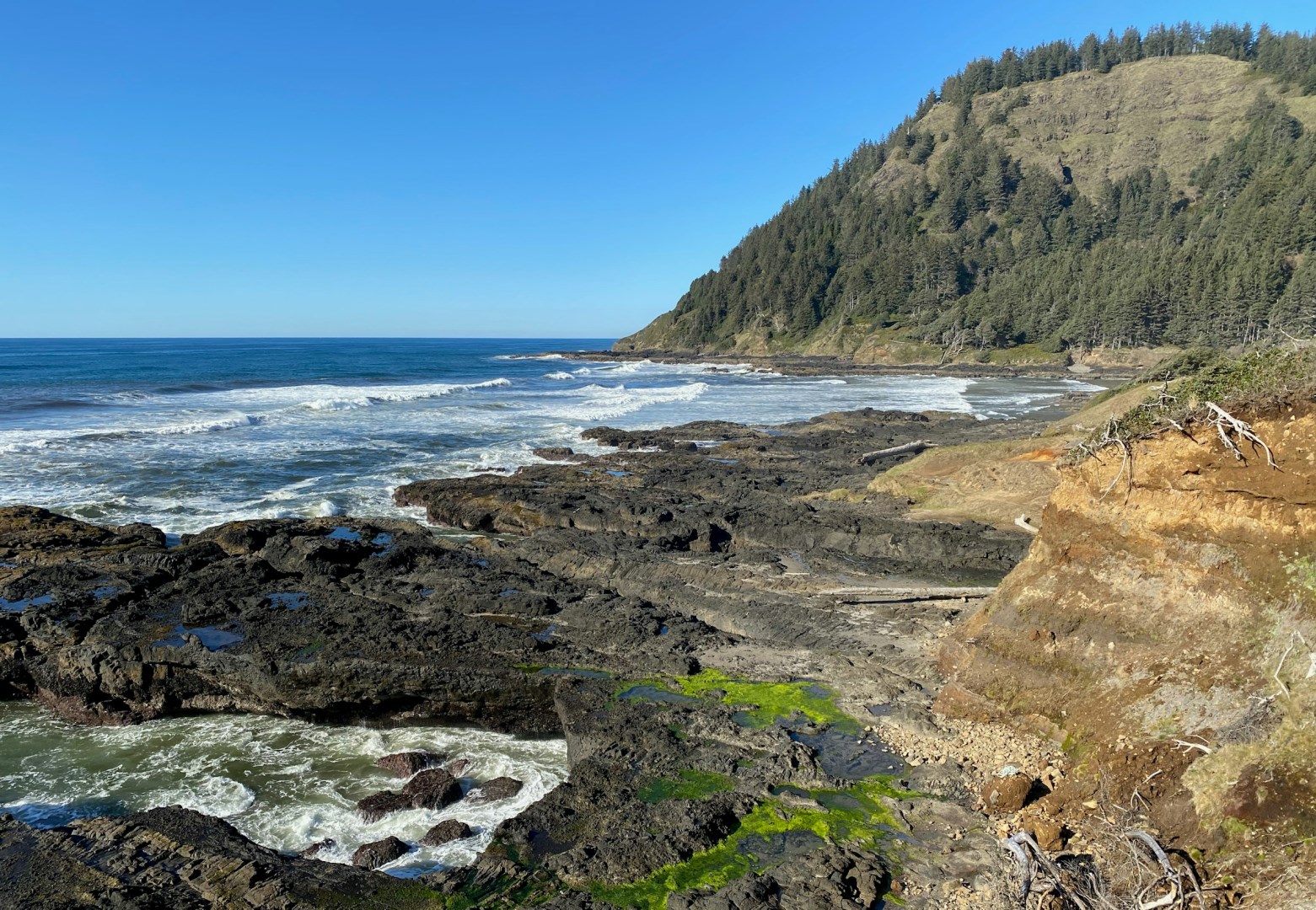
Cape Perpetua is a rugged headland on the central Oregon Coast, rising above the Pacific Ocean south of Yachats. The area is part of the Siuslaw National Forest and combines dense coastal forest with steep cliffs, rocky beaches, tide pools, and open ocean views.
Skadar Lake National Park
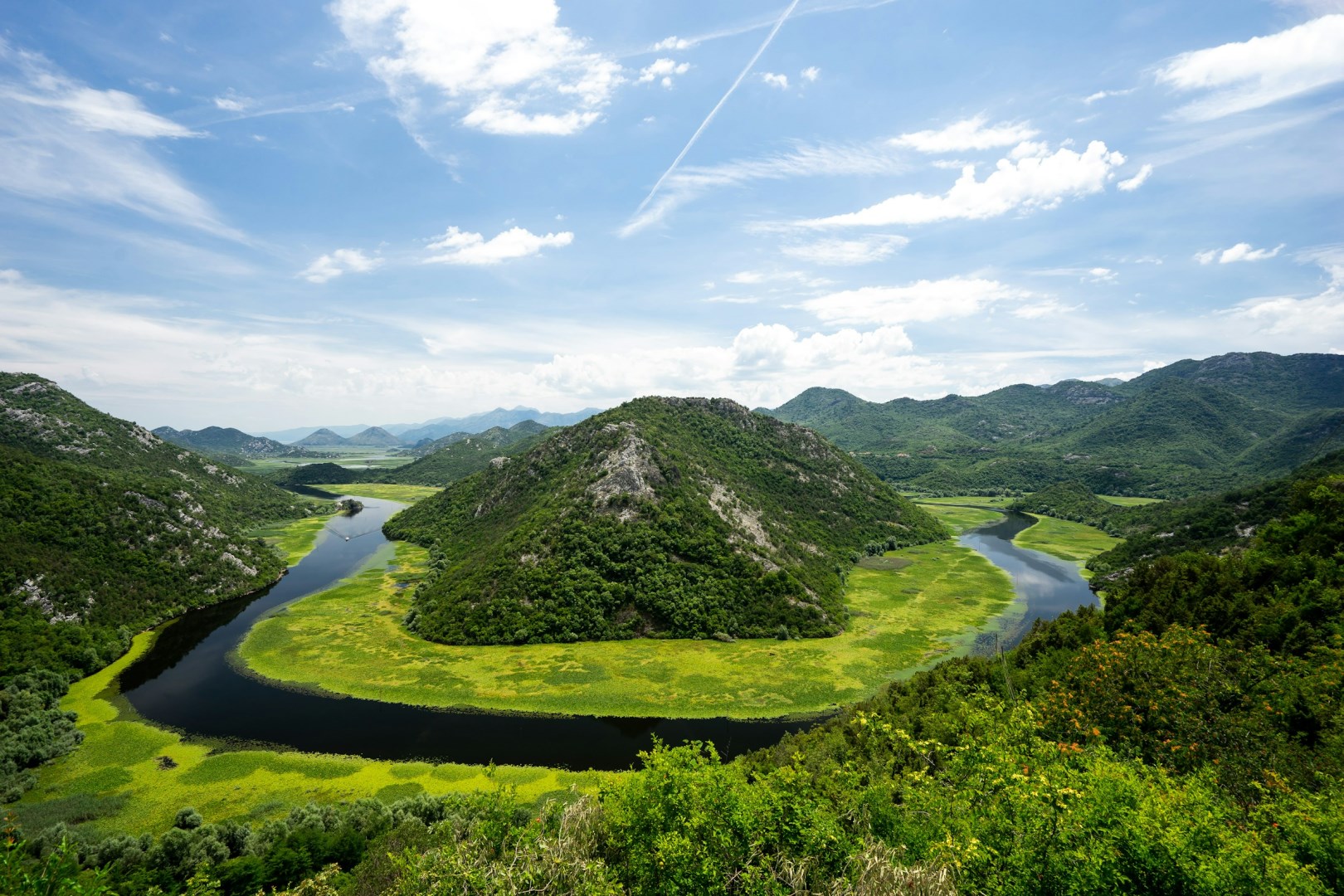
Skadar Lake National Park protects the Montenegrin side of Lake Skadar, the largest lake in the Balkans, near the country's southern border with Albania. The lake expands and contracts with seasonal water levels, creating a landscape of marshes, reed beds, open water, rocky shores, and low hills. The park is especially important for wetland wildlife and contains a rich variety of fish, plants, and birds.
Jurmala
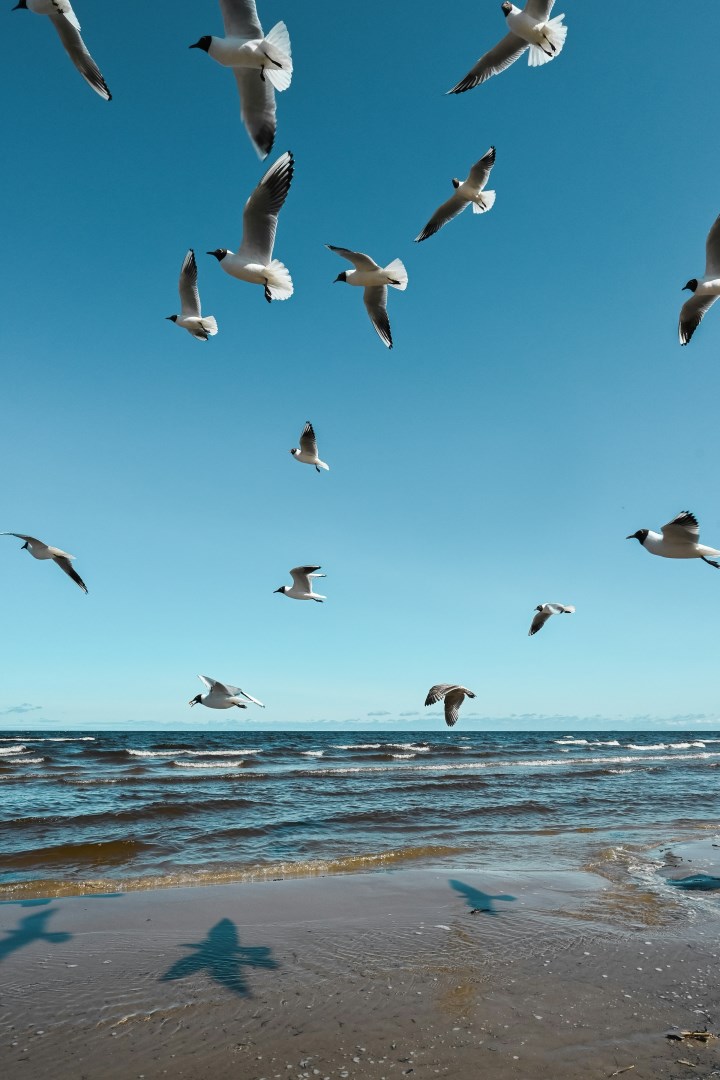
Jūrmala, Latvia’s famed seaside resort, stretches along 33 kilometers of white sandy beaches kissed by the Baltic Sea. Its wooden architecture, featuring colorful villas from the early 20th century, tells the story of its history as a retreat for the well-to-do during the Russian Empire. Visitors strolling the Jomas Street promenade will find a lively atmosphere filled with cafes, boutiques, and galleries, alongside peaceful spots where the sea breeze encourages relaxation.
Baños de Agua Santa
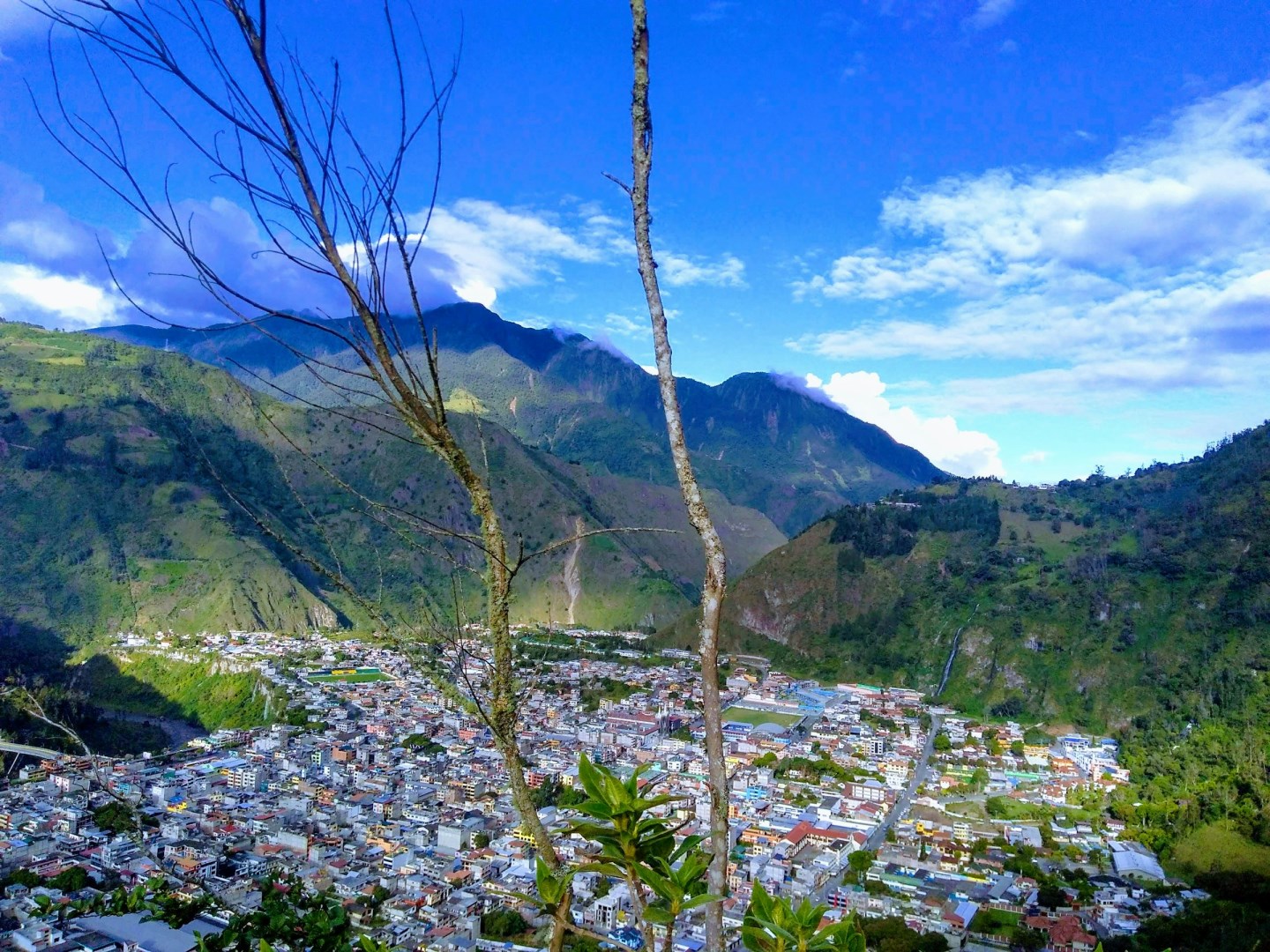
Baños de Agua Santa is a small city in Ecuador's Tungurahua Province, set in a narrow valley on the eastern slopes of the Andes. The city sits beneath the active Tungurahua volcano and is surrounded by steep, green mountains, waterfalls, and forested hills. Its full name refers to the thermal springs that have long been associated with the town. Baños also marks a transition between the high Andes and the warmer Amazon basin, giving the surrounding landscape a mixture of mountain and subtropical