
Bayeux
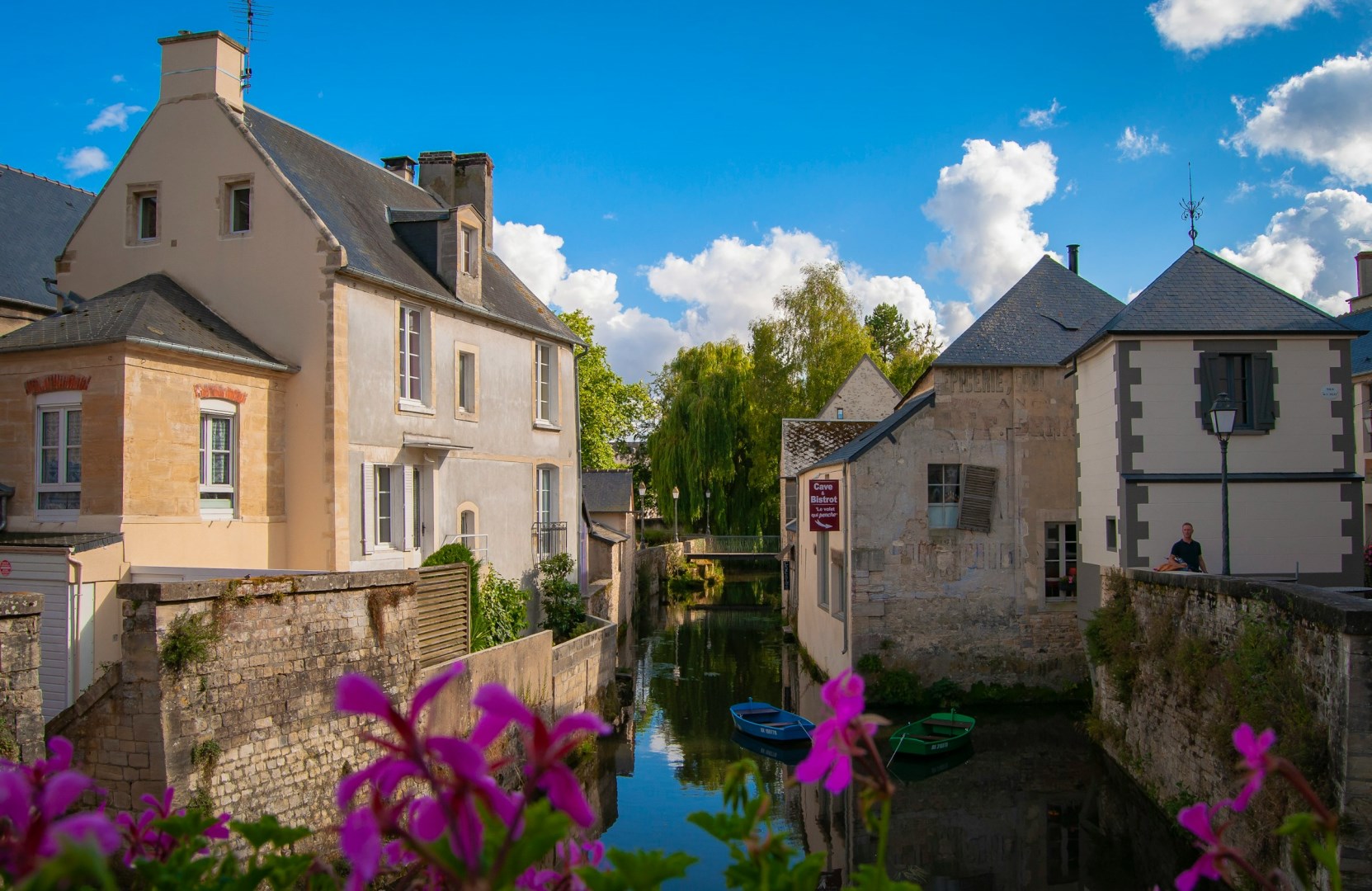
Bayeux is a historic town in Normandy, northern France, set near the Aure River and within easy reach of the Normandy coast. Its compact centre contains medieval streets, timber-framed houses, stone buildings, and gardens surrounding the imposing Bayeux Cathedral. The town is especially known for the Bayeux Tapestry, an extraordinary embroidered work that depicts the Norman Conquest of England and is displayed at the Musée de la Tapisserie de Bayeux.
Sesriem
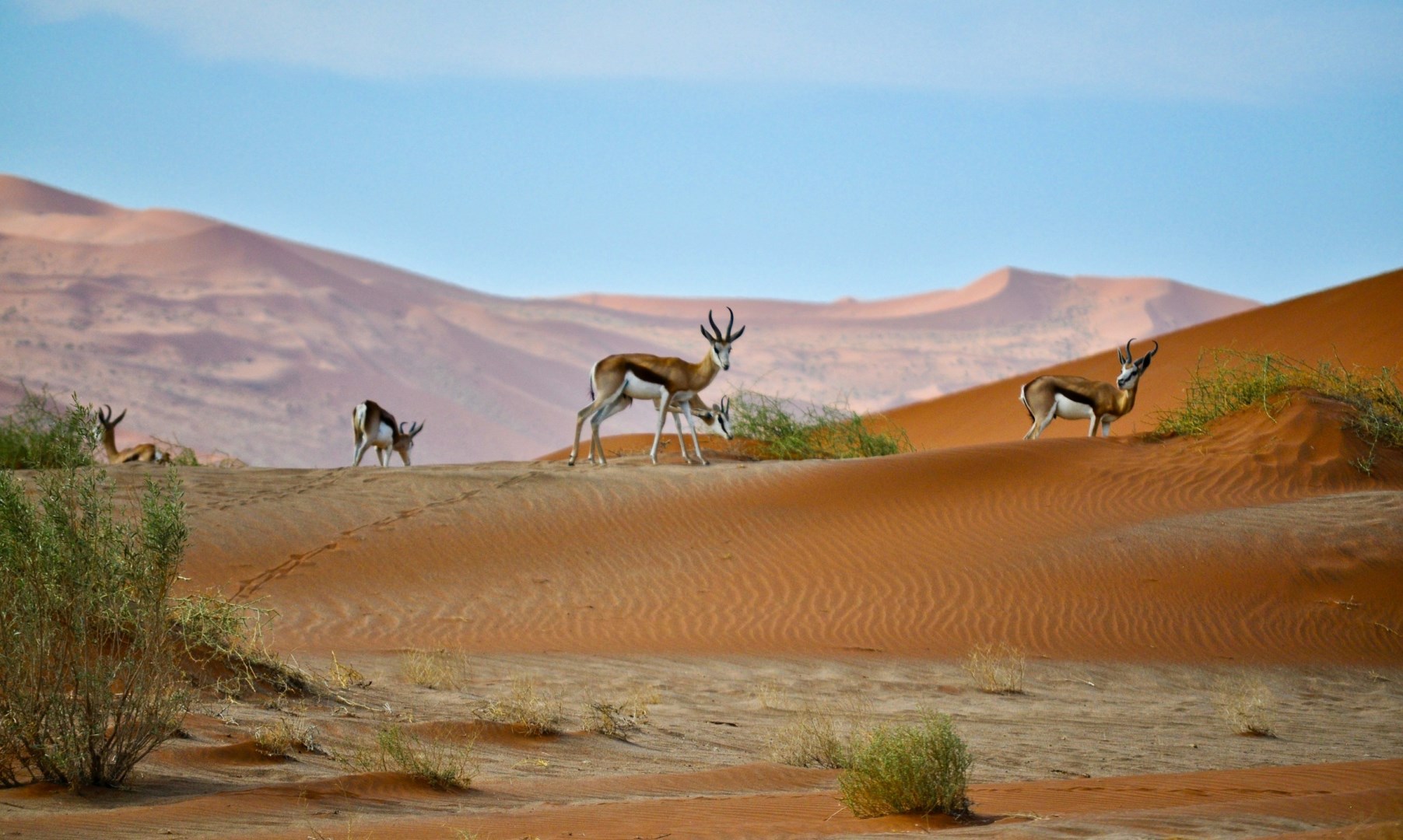
Sesriem, located in the heart of Namibia’s Namib Desert, serves as the gateway to the world-famous Sossusvlei and Deadvlei, two of Namibia’s most iconic landscapes. The dramatic red dunes of the Namib Desert, some of the highest in the world, are an awe-inspiring sight, particularly at sunrise when the light casts long shadows, creating an otherworldly contrast of colors.
Miltenberg
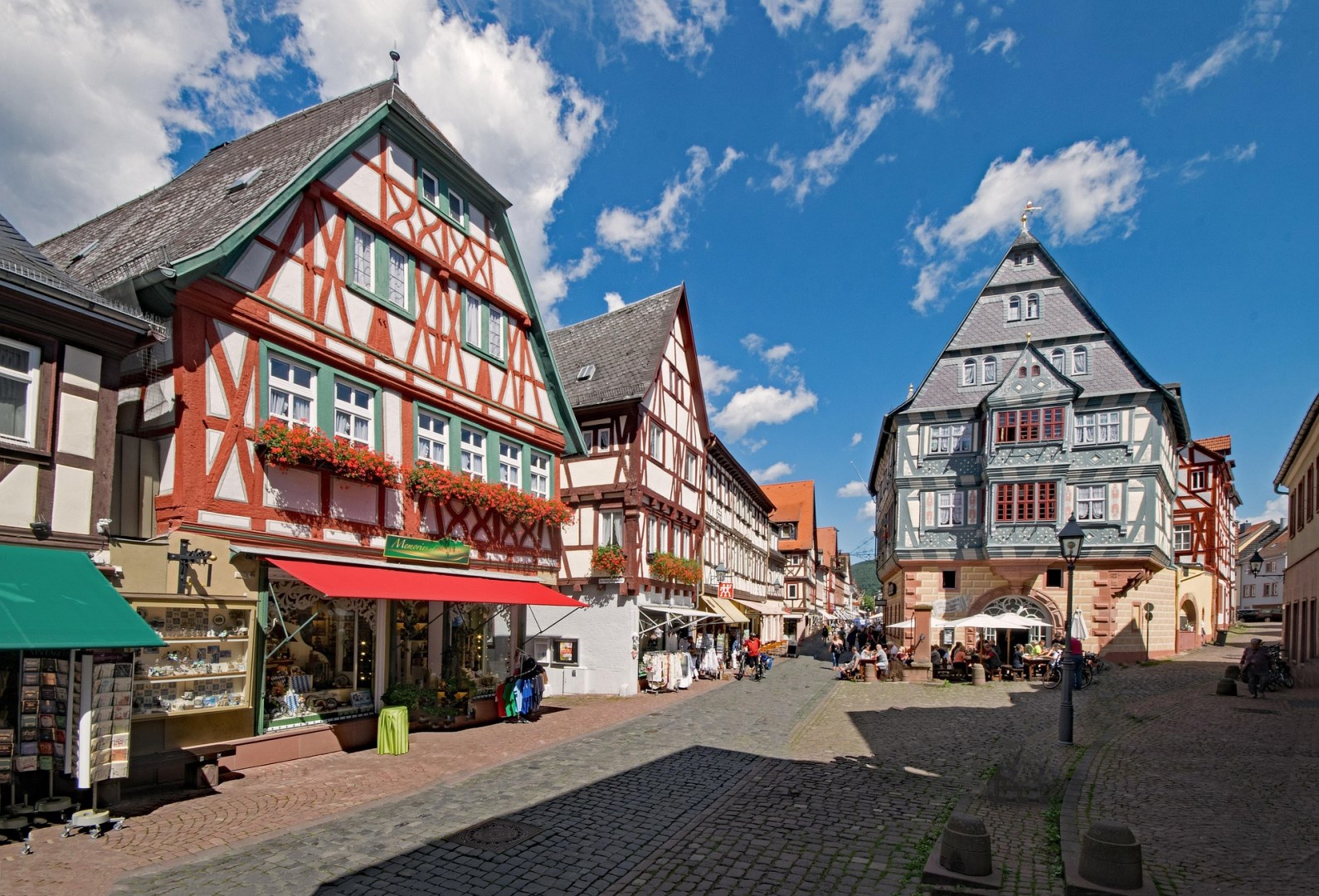
Set along a gentle curve of the Main River in Bavaria, the town of Miltenberg presents a streetscape that feels carefully preserved rather than rebuilt. Rows of half-timbered houses line a single main street, their wooden beams and painted facades forming one of the most photographed scenes in Germany. The old market square, known as the Schnatterloch, draws attention with its sandstone fountain and tightly packed historic buildings, creating a setting that has remained largely unchanged.

Longyearbyen
Longyearbyen, the northernmost settlement of its size in the world, offers a unique and captivating experience in the Arctic archipelago of Svalbard, Norway. Nestled between icy peaks and sprawling glaciers, this remote town is a gateway to exploring the rugged beauty of the Arctic landscape.

San Cristóbal Island
One of San Cristobal Island's most popular visitor sites is Cerro Brujo, with its expansive white sand beach and a lagoon that locals once used as a salt mine but now offers excellent snorkeling opportunities. Another must-see is Kicker Rock, a fascinating rock formation that looks like a boot from one angle (hence its English name) and like a sleeping lion from another (thus its Spanish name, Roca León Dormido).
