Weligama
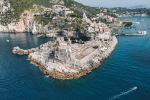
Weligama is a coastal town in Sri Lanka’s Southern Province, centered on a broad, gently curving bay between Galle and Matara. The sheltered shape of Weligama Bay creates relatively manageable waves along much of the beach, making the town especially well known for beginner-friendly surfing. Fishing remains an important part of local life, with traditional boats operating from the shoreline and the surrounding coast still associated with stilt fishing. The town combines a working coastal setting

Gili Air
Gili Air is the easternmost of the three Gili Islands, located just off the northwest coast of Lombok in West Nusa Tenggara. The small island is surrounded by coral reefs and shallow tropical waters, with sandy beaches and coconut palms lining much of its coast. Gili Air has a resident community and a more relaxed settlement pattern than Gili Trawangan, while still offering guesthouses, restaurants, cafés, and dive centers.
Otjiwarongo
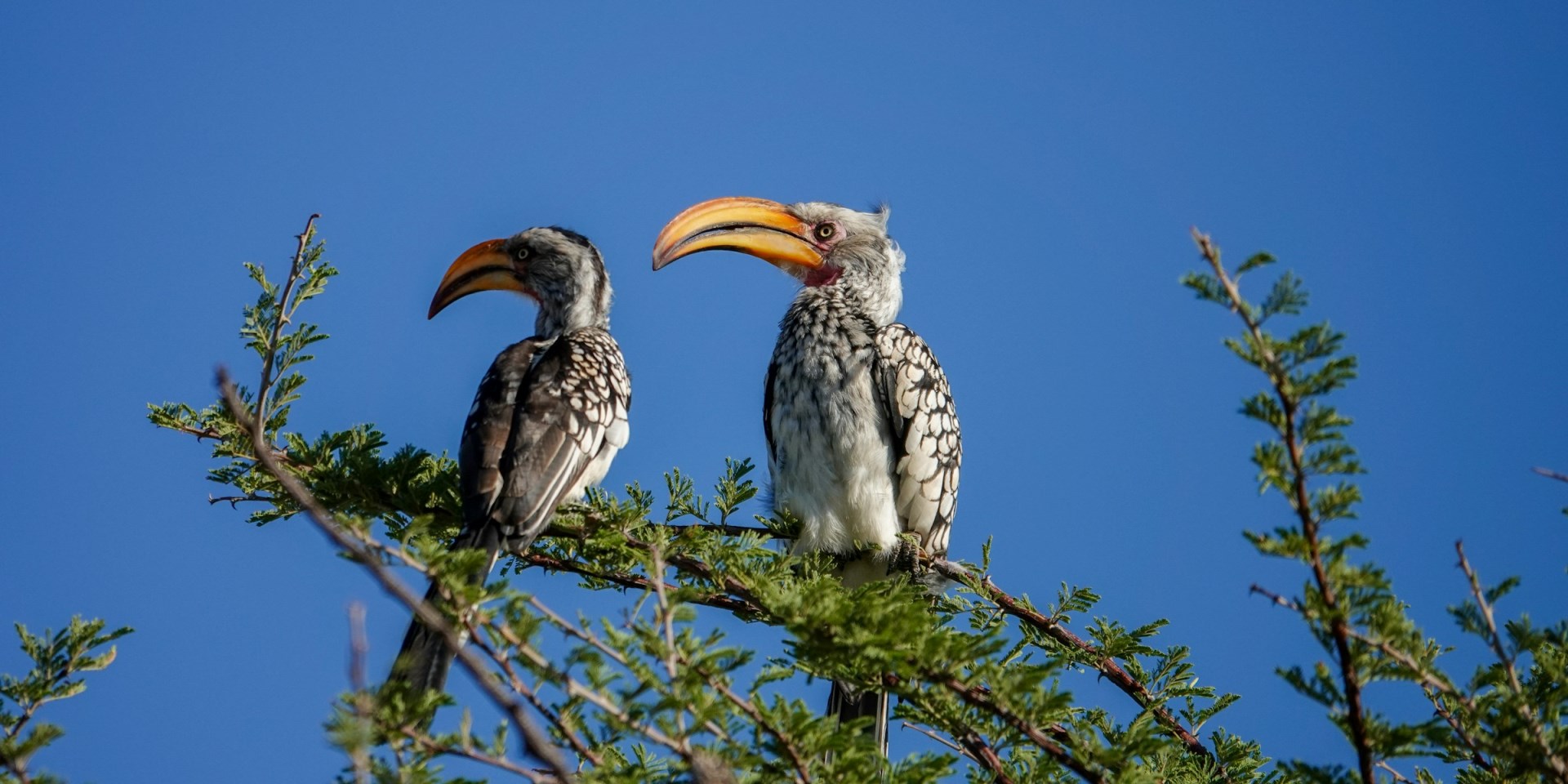
Nestled in the heart of Namibia, Otjiwarongo offers a unique blend of natural beauty and cultural charm. As a gateway to the country's northern wildlife reserves, this vibrant city serves as an ideal base for exploring nearby attractions. The city is renowned for its proximity to the Cheetah Conservation Fund (CCF), a world-leading organization dedicated to the protection of these magnificent creatures.
Tarangire National Park
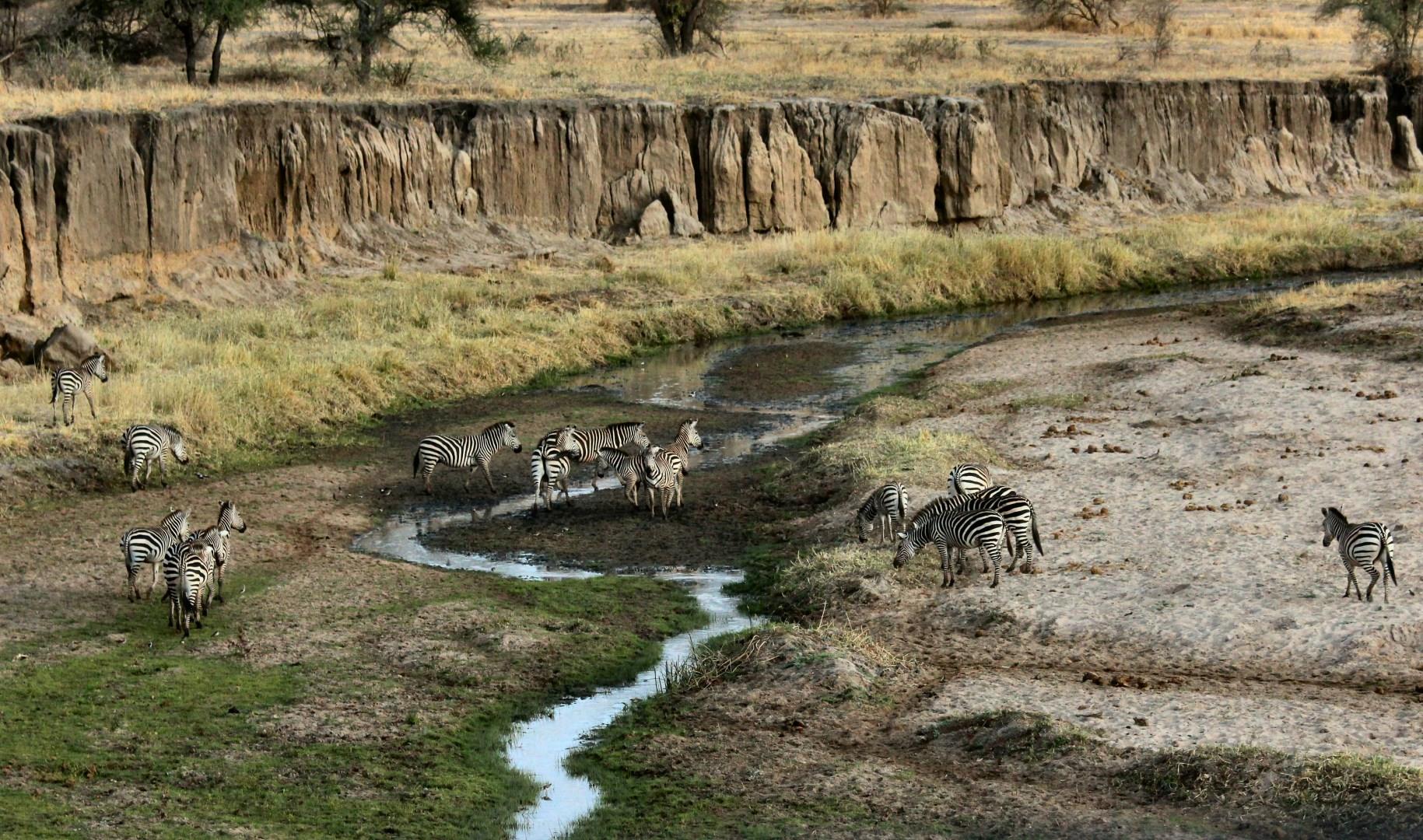
Tarangire National Park, a stunning gem in northern Tanzania, offers an unparalleled safari experience amid its diverse landscapes and wildlife. Renowned for its dense population of elephants, the park's vast baobab-studded plains and swamps create a dramatic setting that brings you face-to-face with these magnificent creatures. The park is home to over 300 bird species, including the strikingly beautiful Lilac-breasted Roller and the majestic Secretary Bird.
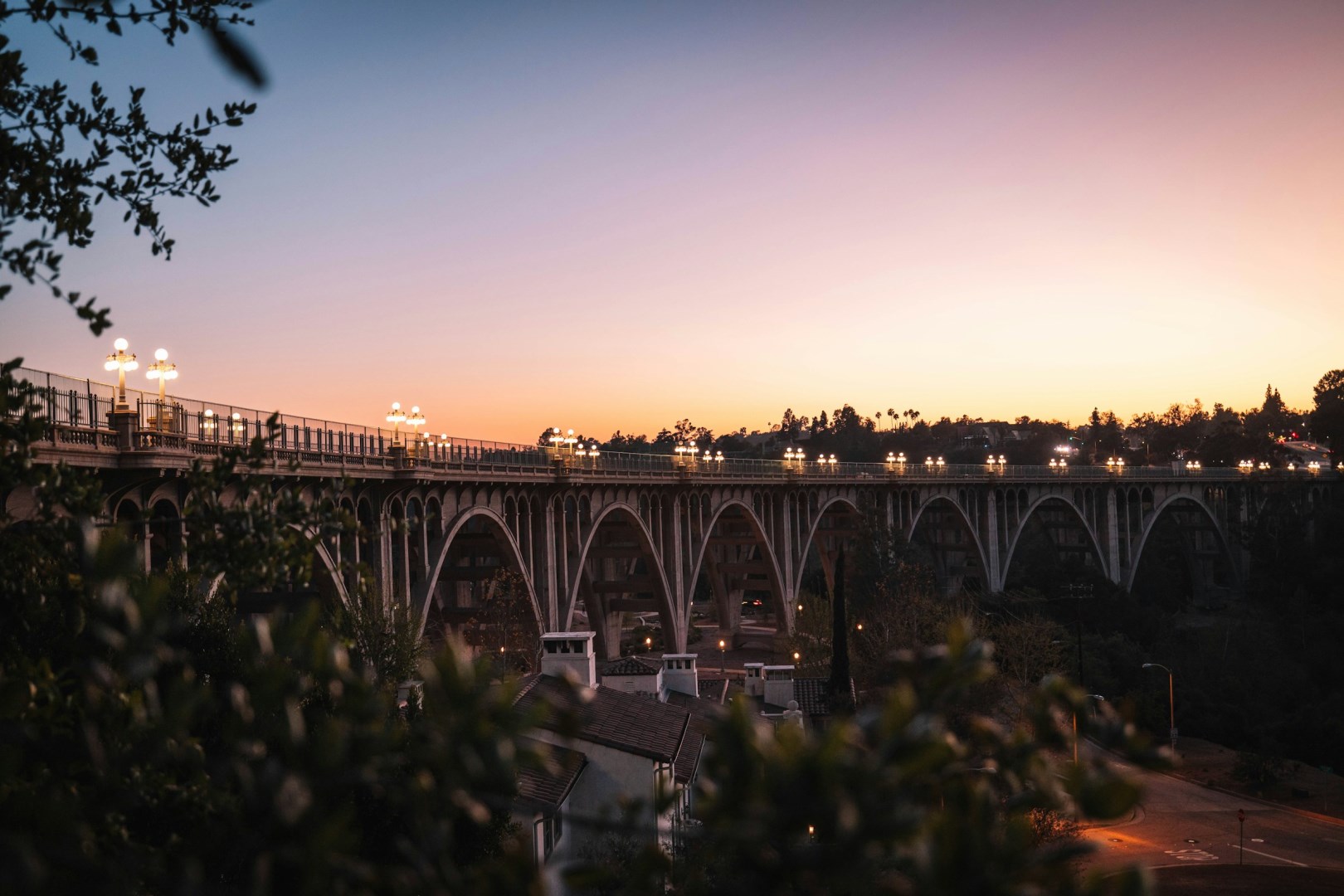
Pasadena
Pasadena is a city in Southern California set at the foot of the San Gabriel Mountains, about ten miles northeast of downtown Los Angeles. It is known for its historic neighborhoods, Craftsman architecture, cultural institutions, and long association with the Tournament of Roses. Tree-lined streets and distinct districts give the city a character separate from the larger Los Angeles area.