The South Orkney Islands, lying in the icy waters of the Southern Ocean northeast of the Antarctic Peninsula, are a remote and rarely visited corner of the world. This small archipelago, claimed by both the United Kingdom and Argentina, is largely uninhabited except for a few research stations.
Malta, a small island nation in the heart of the Mediterranean, offers visitors a rich blend of history and vibrant local culture. Its capital, Valletta, is a UNESCO World Heritage site filled with grand Baroque architecture, narrow streets, and significant historical landmarks like St. John’s Co-Cathedral, home to masterpieces by Caravaggio. The city's fortifications tell stories of centuries of military importance, guarding one of Europe’s busiest harbors.
Welcome to Ittoqqortoormiit, where the stark beauty of the Arctic landscape meets a rich Inuit heritage. Located at the edge of the Scoresby Sound fjord system, this remote town offers a rare glimpse into life above the Arctic Circle. With a population of around 350 residents, Ittoqqortoormiit is a haven for those seeking solitude and adventure. Visit the Scoresby Sound to marvel at its spectacular fjords and towering cliffs, a natural wonder that’s a must-see for nature enthusiasts.
Pushkar, a small town in the state of Rajasthan, India, is a unique blend of spirituality, culture, and natural beauty. Nestled around the serene Pushkar Lake, this holy town is a major pilgrimage site for Hindus, home to the rare Brahma Temple, one of the very few in the world dedicated to Lord Brahma, the creator god in Hinduism. The temple's striking architecture, with its red spire and intricate marble carvings, draws thousands of devotees and curious travelers alike.
Modern-day Colorado Springs is flourishing, as the second largest city in Colorado. Fortunately, the unique features which attracted people long ago still remain. Nature entices with her array of textures and striking colors. People from all over the world visit to appreciate the countless natural and man-made attractions the Pikes Peak region has to offer.
Photo Credit: Photo by Uzuri Safaris Tanzania on Unsplash
Photo Credit: Photo by Dmitrii Zhodzishskii on Unsplash
Photo Credit: Photo by Tom kitto on Unsplash
Photo Credit: Photo by Nad Hemnani on Unsplash
Photo Credit: Photo by Tanzania Wild Sky on Unsplash
Photo Credit: Photo by Uzuri Safaris Tanzania on Unsplash
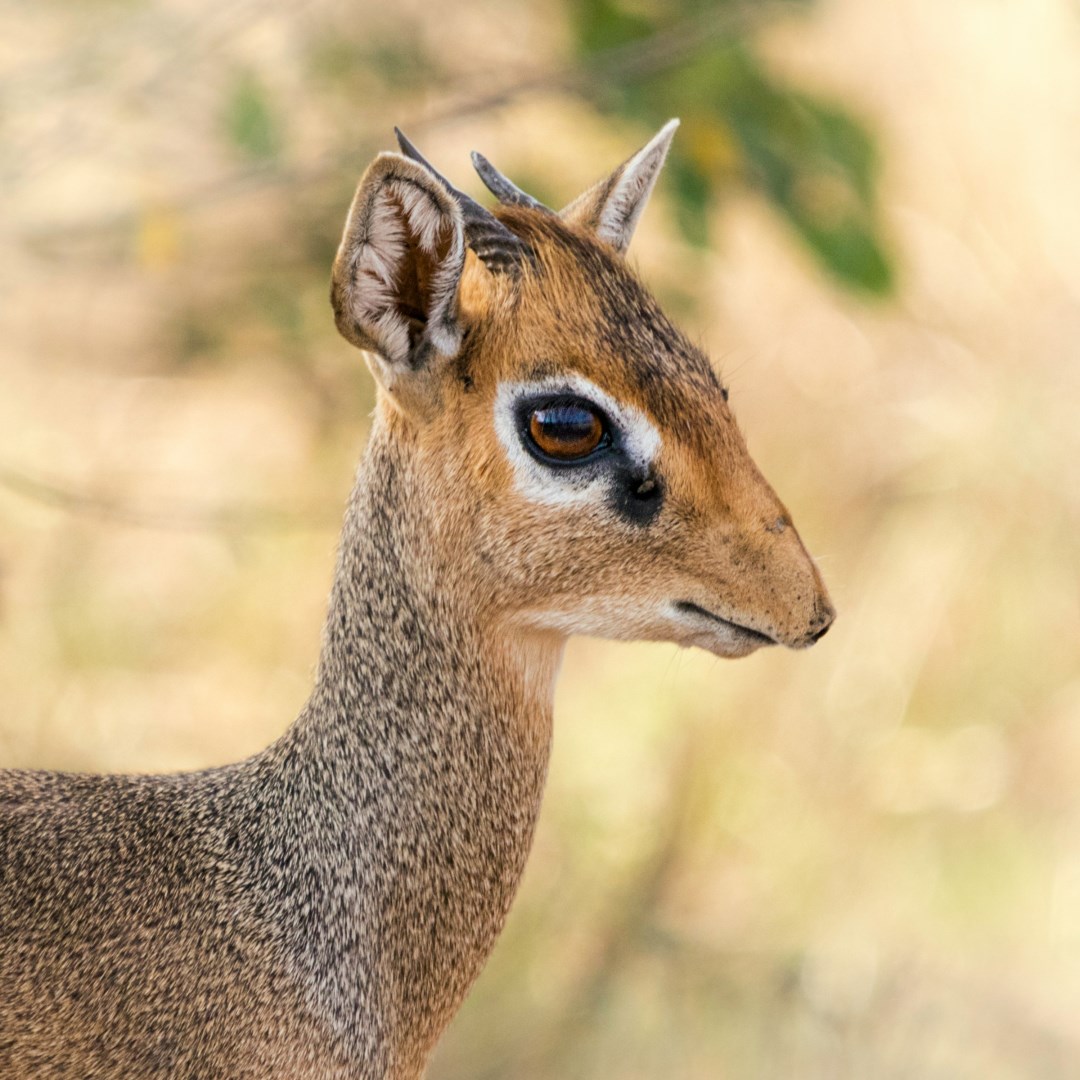
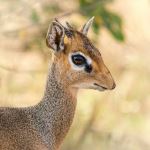
dik-dik
Photo Credit: Photo by Team Mfina on Unsplash
Photo Credit: Photo by Felix Rottmann on Unsplash
Photo Credit: Photo by Matt Benn on Unsplash
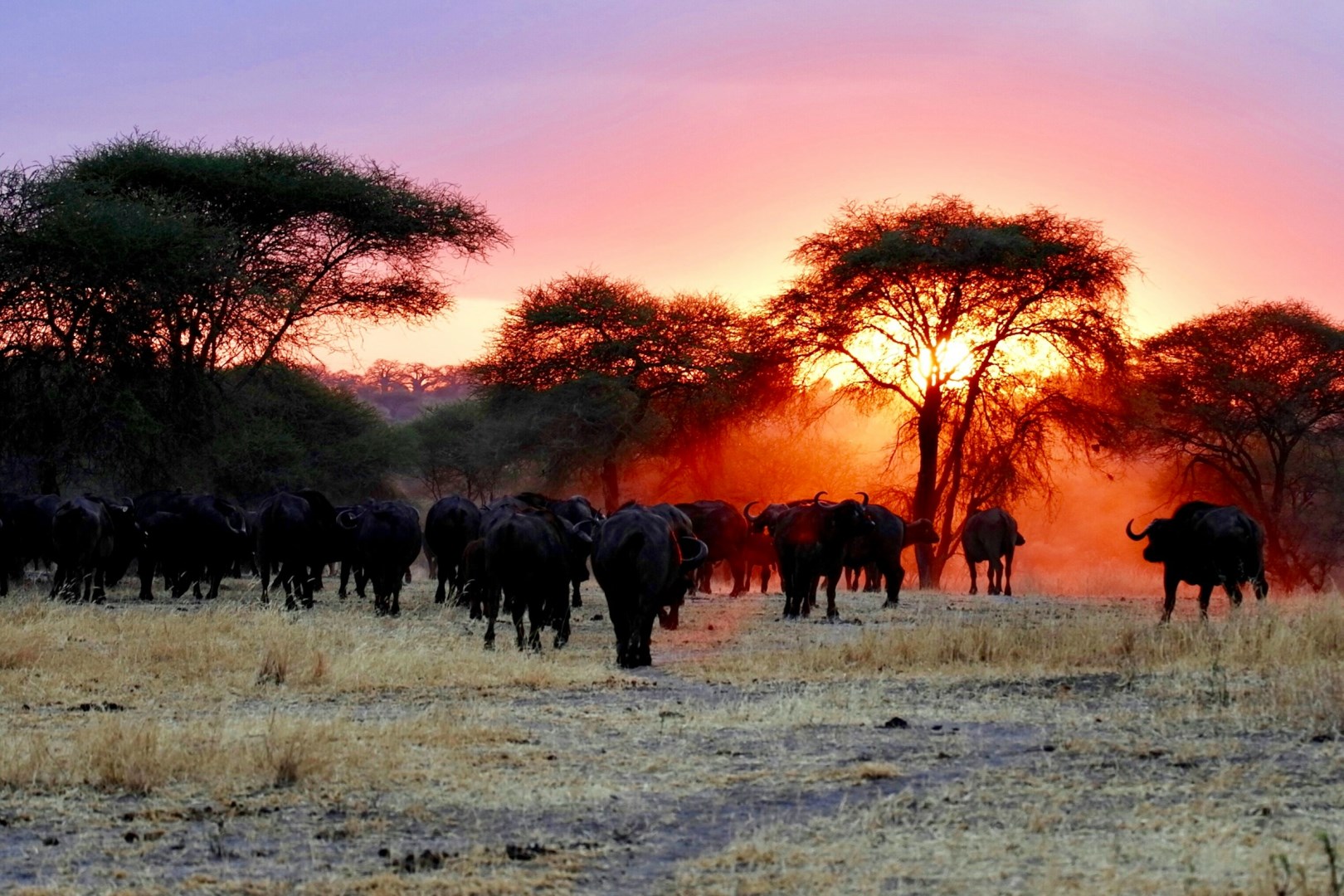
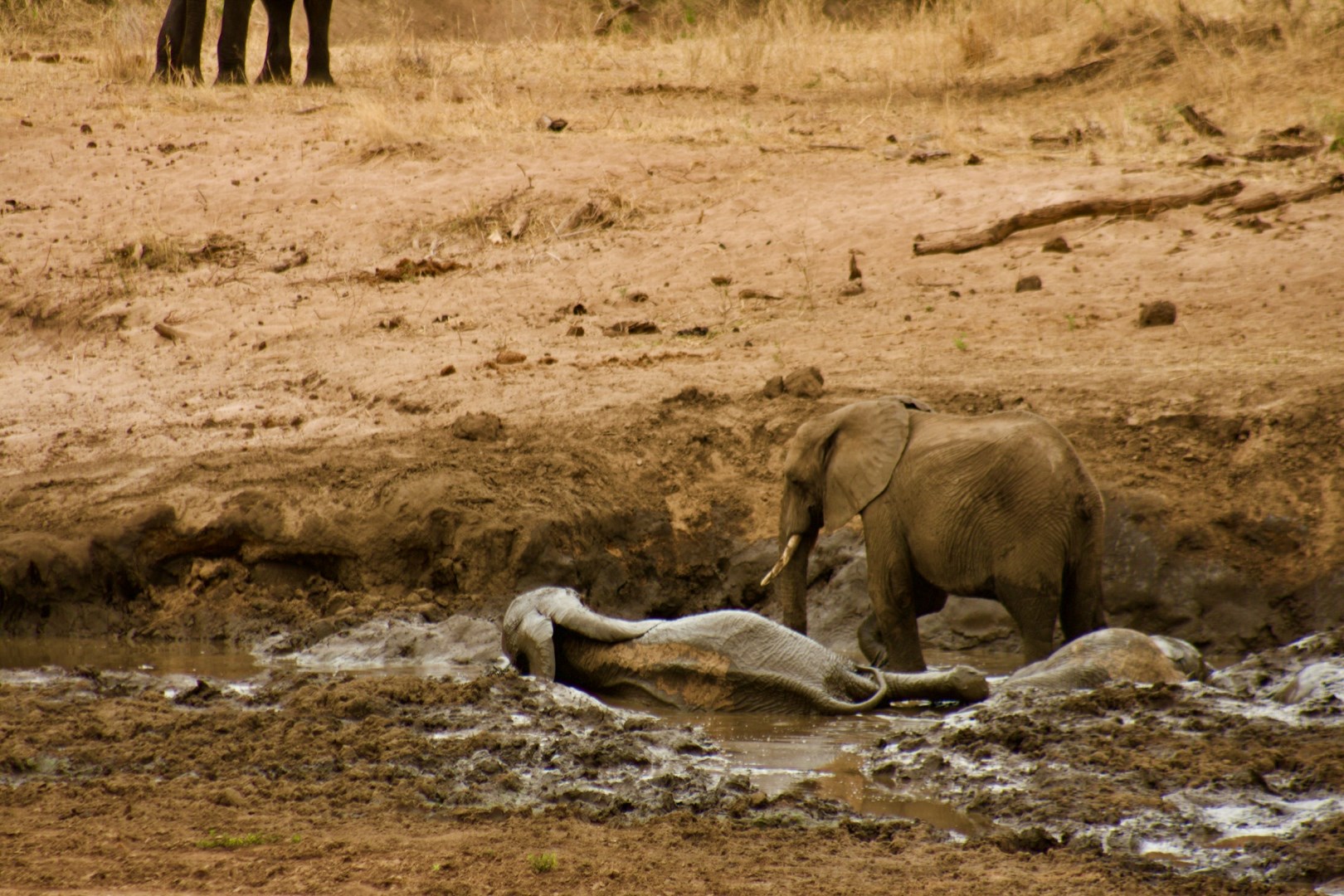
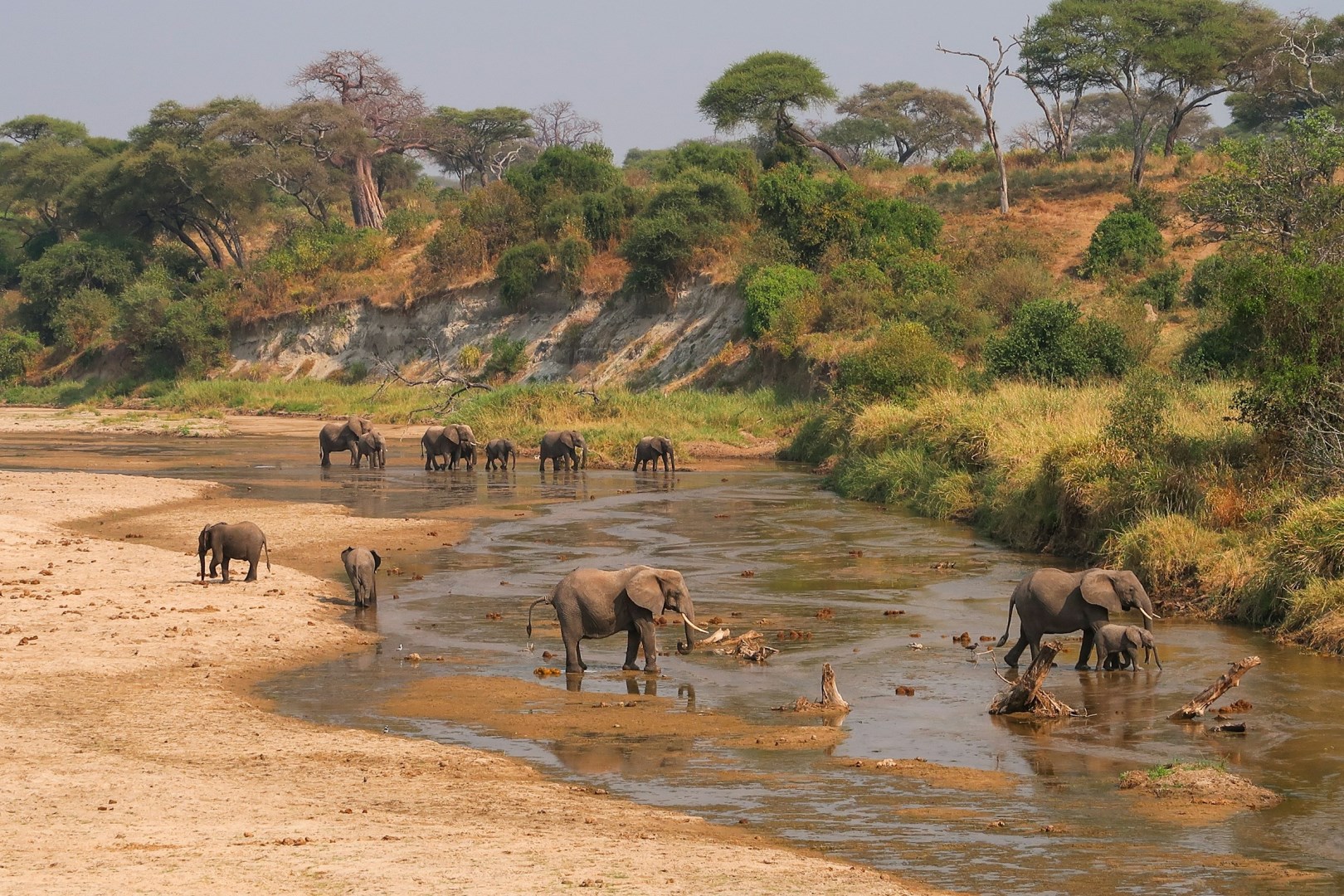
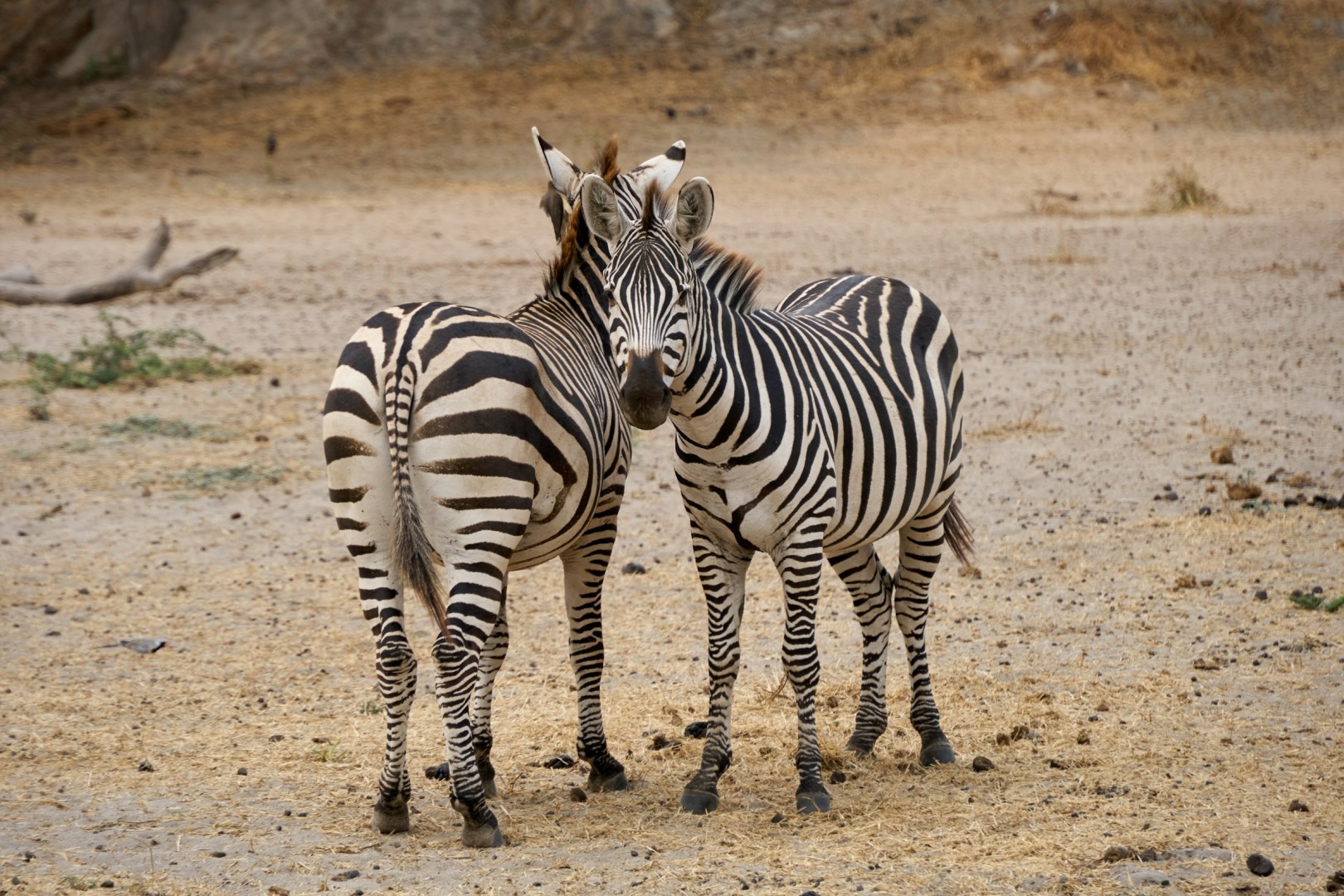
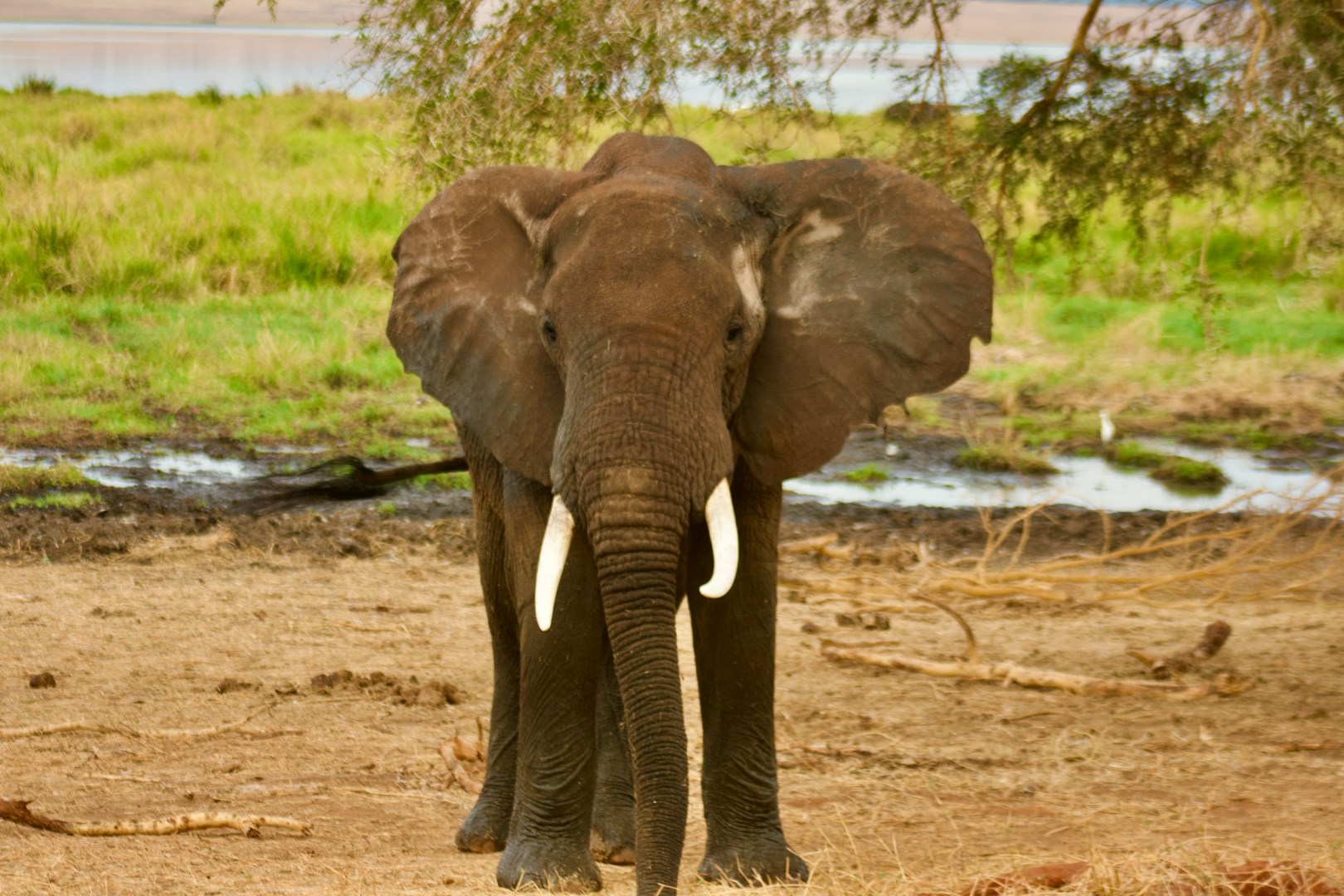
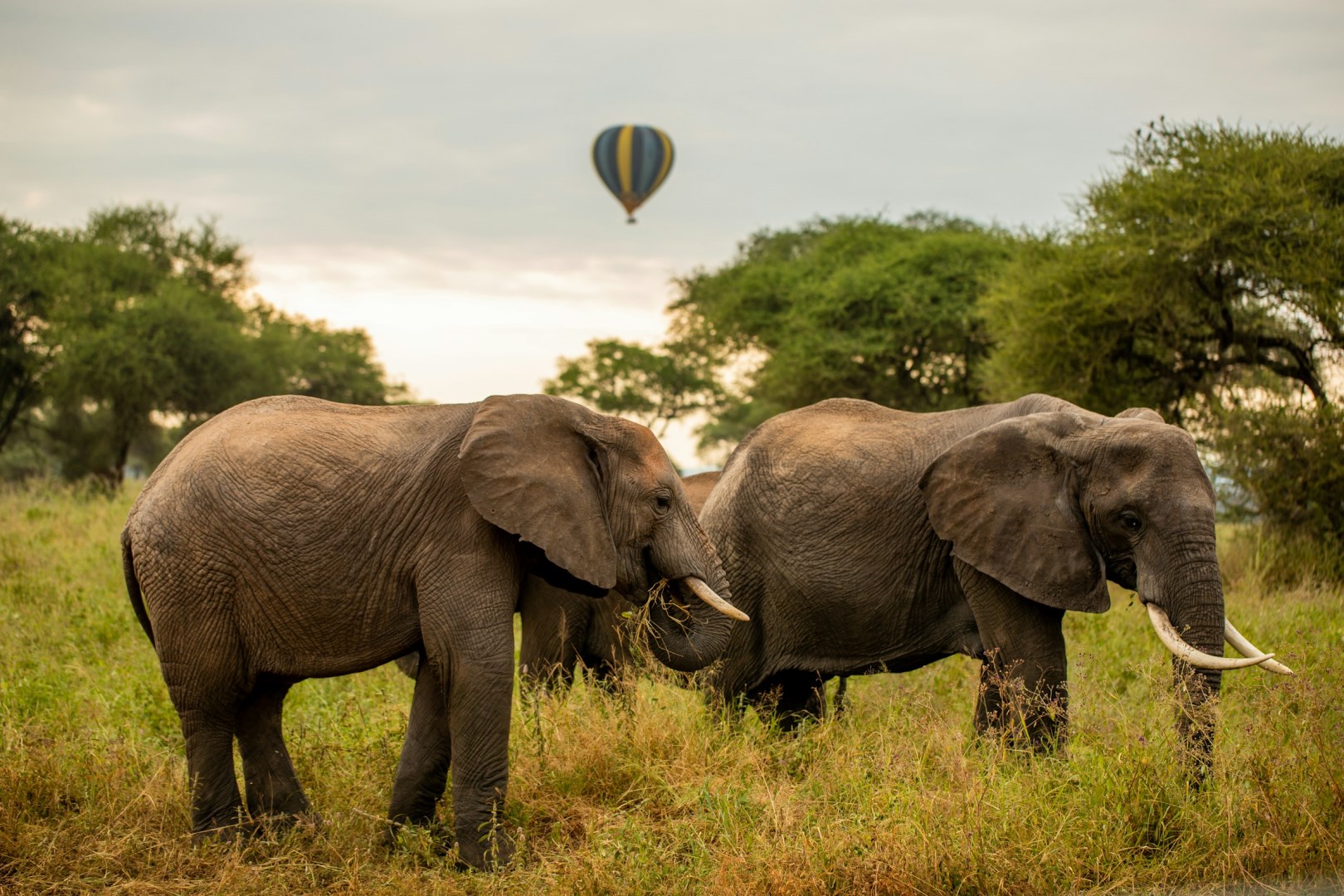
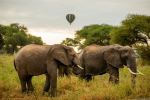
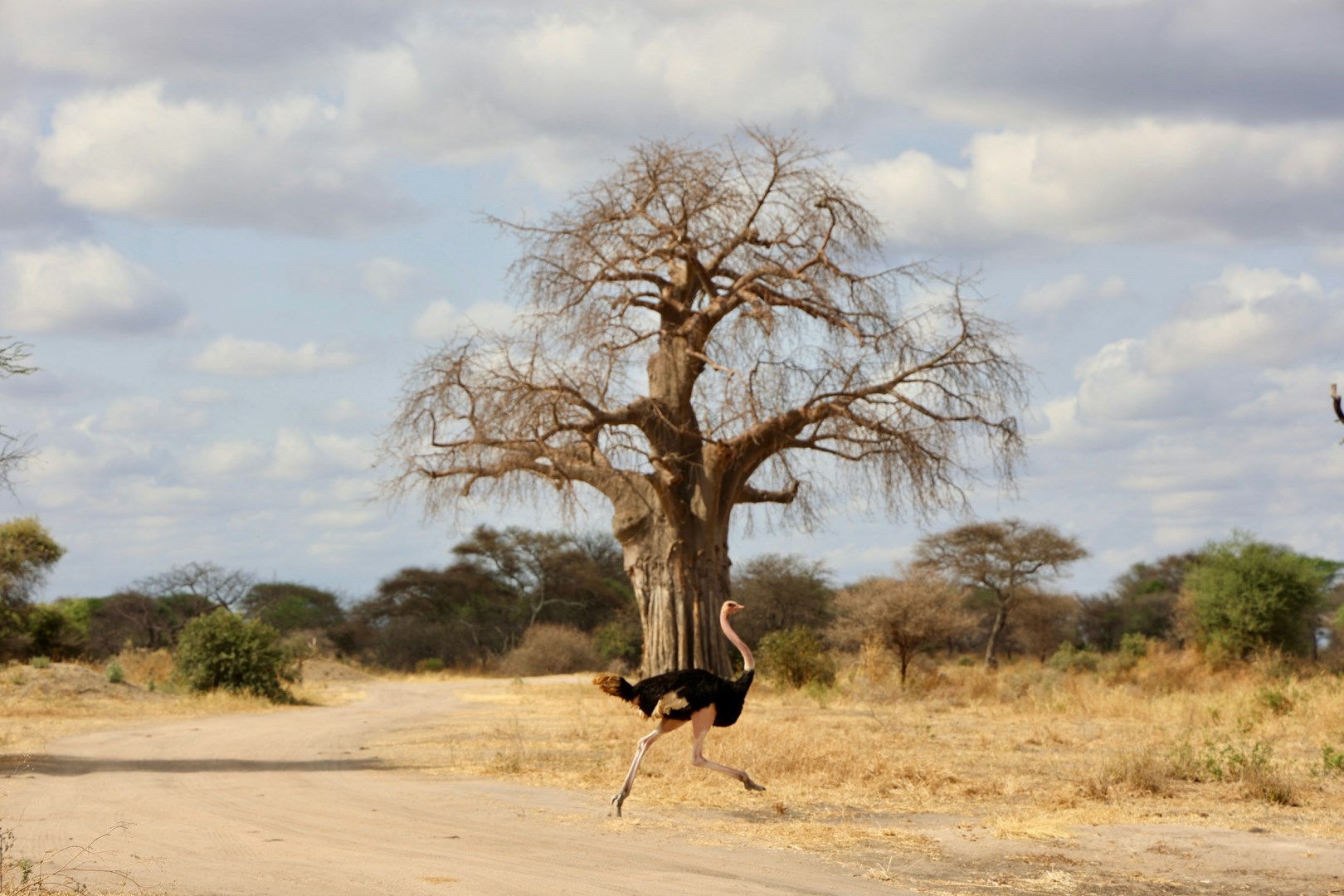
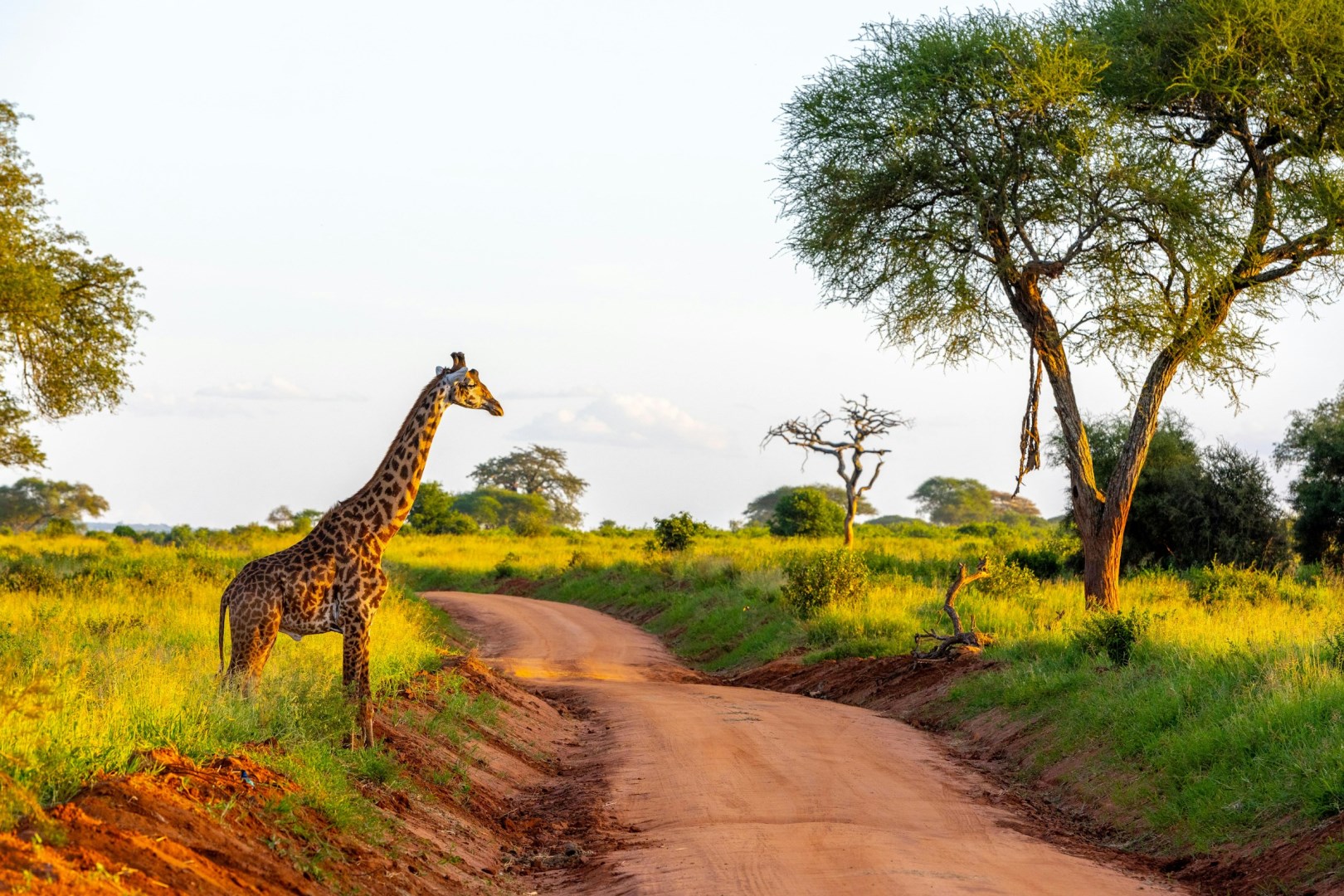
Tarangire National Park, a stunning gem in northern Tanzania, offers an unparalleled safari experience amid its diverse landscapes and wildlife. Renowned for its dense population of elephants, the park's vast baobab-studded plains and swamps create a dramatic setting that brings you face-to-face with these magnificent creatures. The park is home to over 300 bird species, including the strikingly beautiful Lilac-breasted Roller and the majestic Secretary Bird.
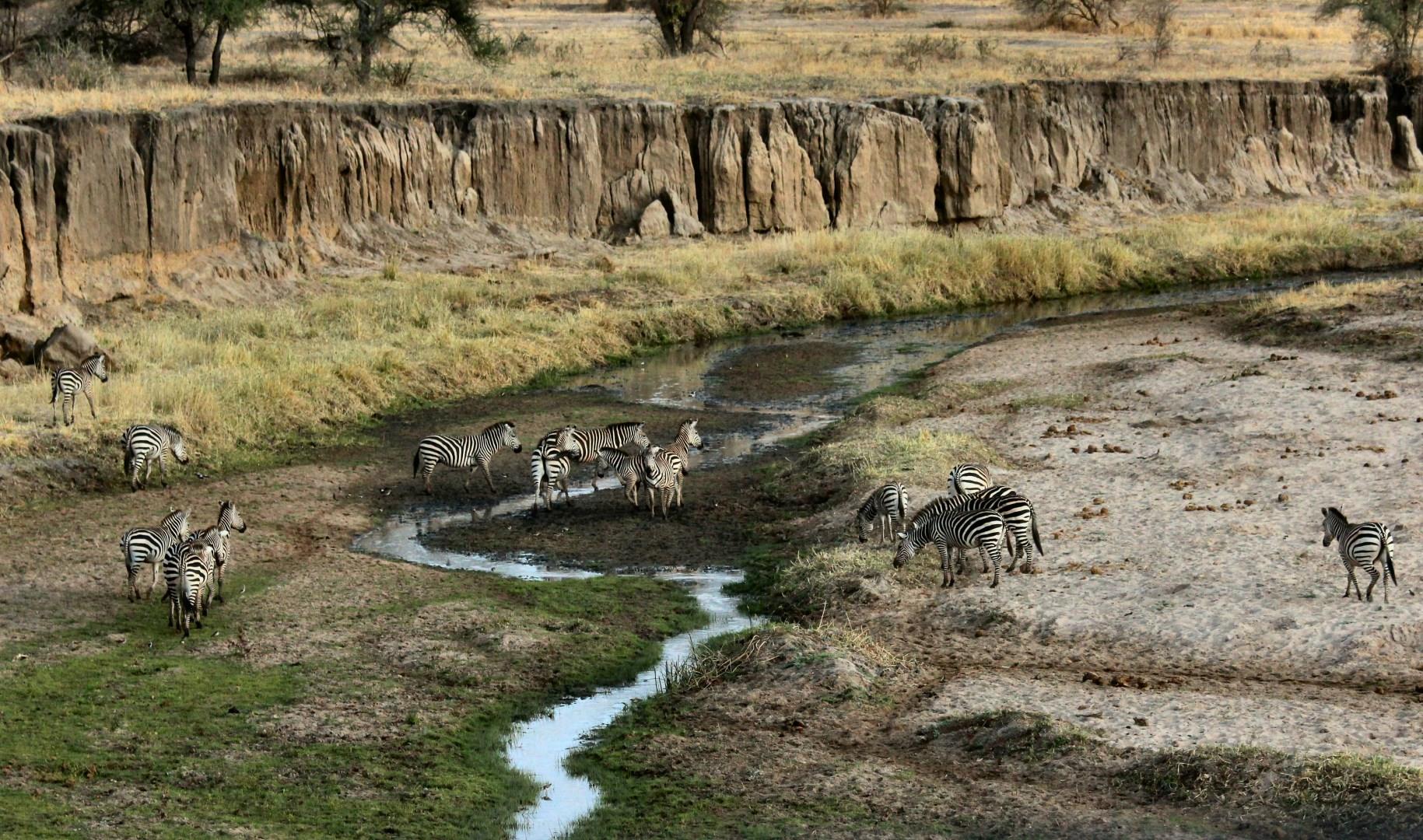
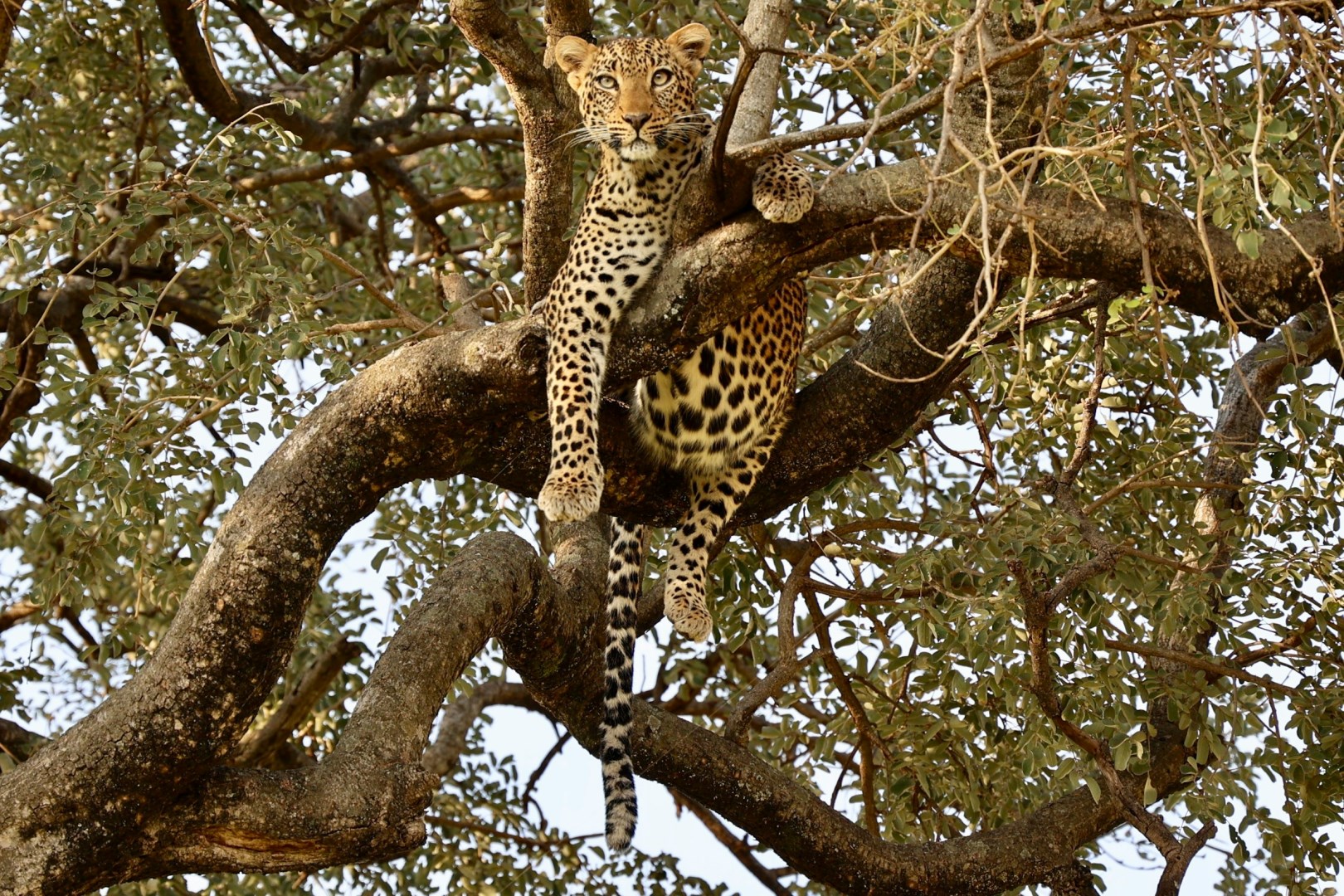
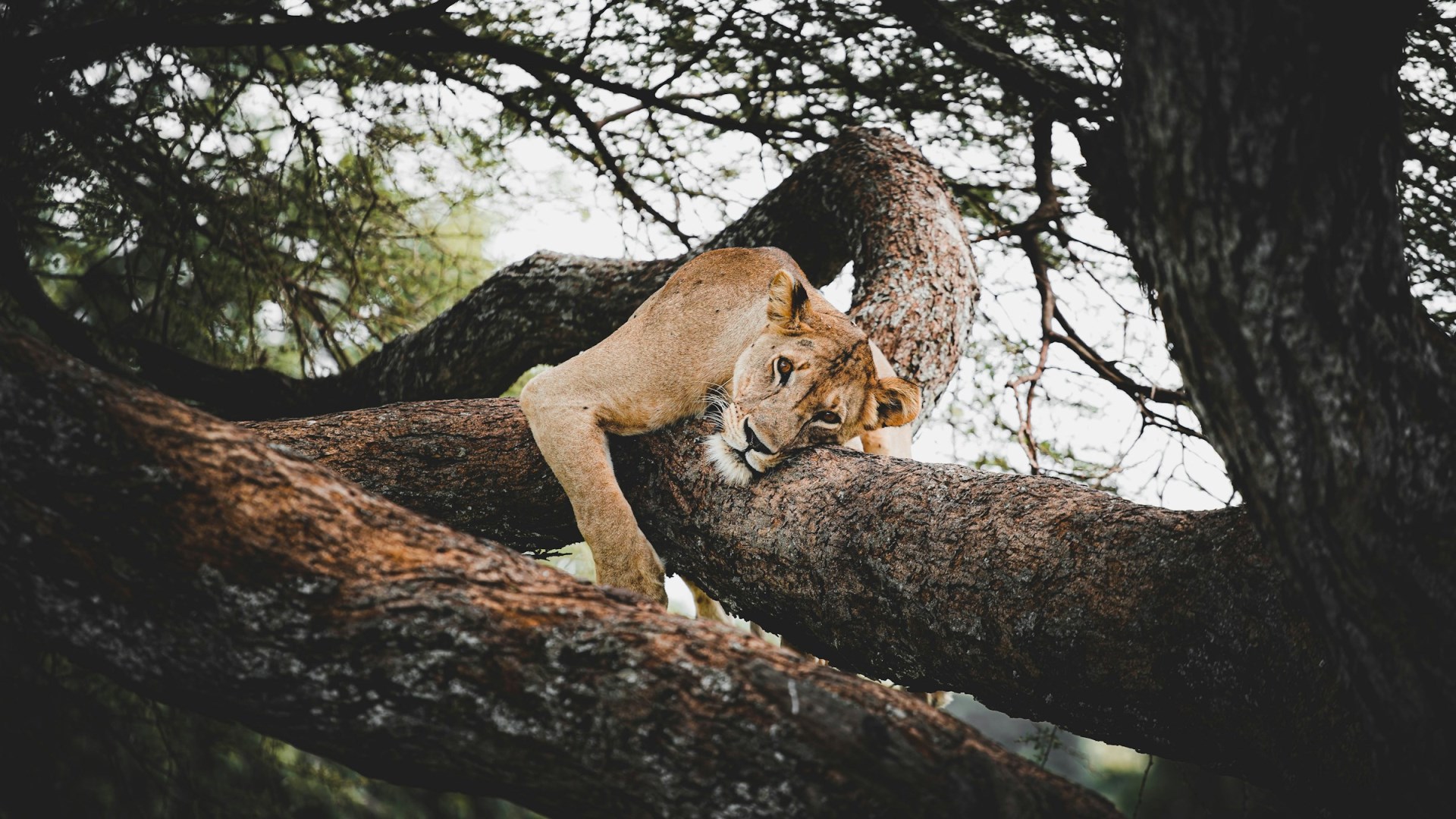
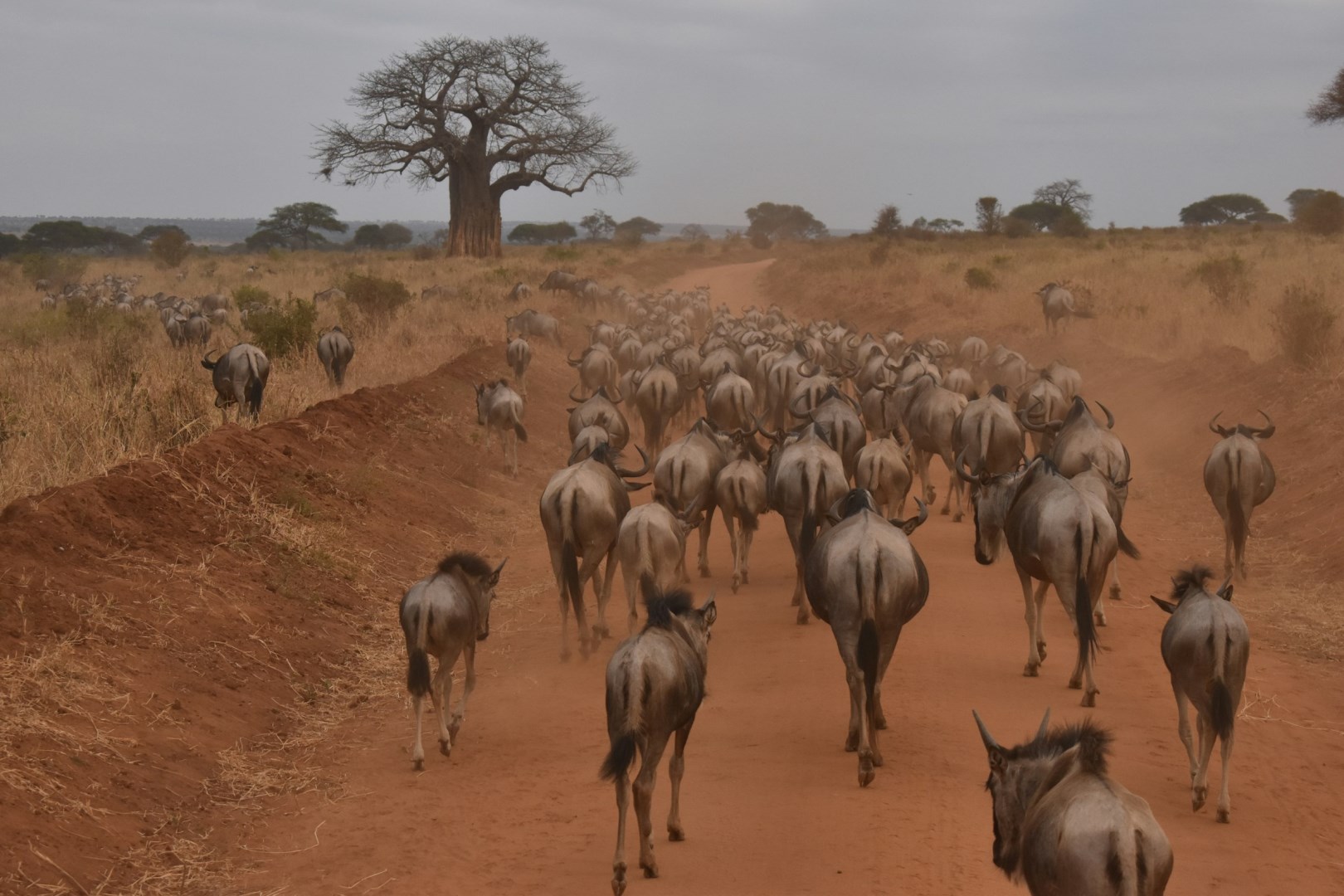
The park’s unique topography includes the Tarangire River, which serves as a vital water source and attracts a variety of wildlife, especially during the dry season. Visitors can witness large herds of elephants, often seen feeding on the ancient baobabs, along with lions, leopards, and wildebeest in their natural habitat. The changing scenery of savannah, swamps, and forested hills provides a dramatic backdrop for game drives and walking safaris, offering a truly immersive wildlife experience.
A notable feature of Tarangire is its ability to offer remarkable wildlife sightings year-round. The park's water sources ensure that animal sightings are rich even during the off-peak seasons, unlike some other parks where wildlife density may vary with the seasons. For birdwatchers and nature enthusiasts, Tarangire provides a rich tableau of species and ecosystems that are particularly accessible from the well-maintained lodges and campsites throughout the park.
Fun fact: Tarangire National Park is named after the Tarangire River, which runs through it and is a crucial water source for the park’s wildlife. During the dry season, the river becomes a focal point for wildlife, creating spectacular opportunities for viewing large concentrations of animals.