Kavala
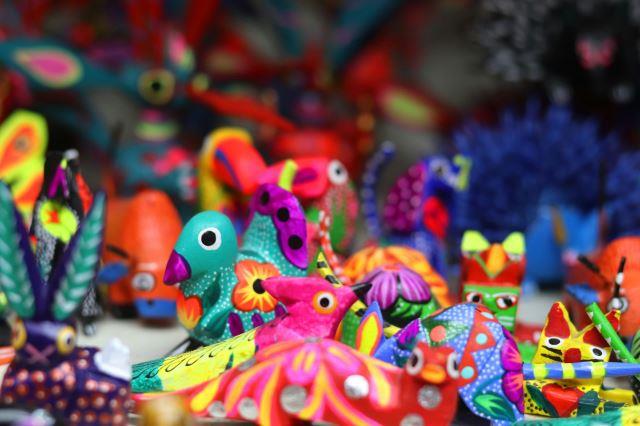
Situated on the northeastern coast of Greece, Kavala is a picturesque port city popular for its archaeological treasures, historic old town, and scenic beach. Be sure to explore the city's best known sites, including the Panagia neighborhood, the Kavala Castle, the towering Aqueduct, and the Kavala Archaeological Museum.

Kehl
Originating as a tiny fishing village in 1038, modern Kehl has become an important link between Germany and France. Rhine River cruises most often use Kehl as their gateway to the much larger and better-known Strasbourg. The savvy traveler, though, might choose to skip the jaunt across the river and enjoy many similar sights, shopping and cuisine as those offered in the teeming French city.
Saxon
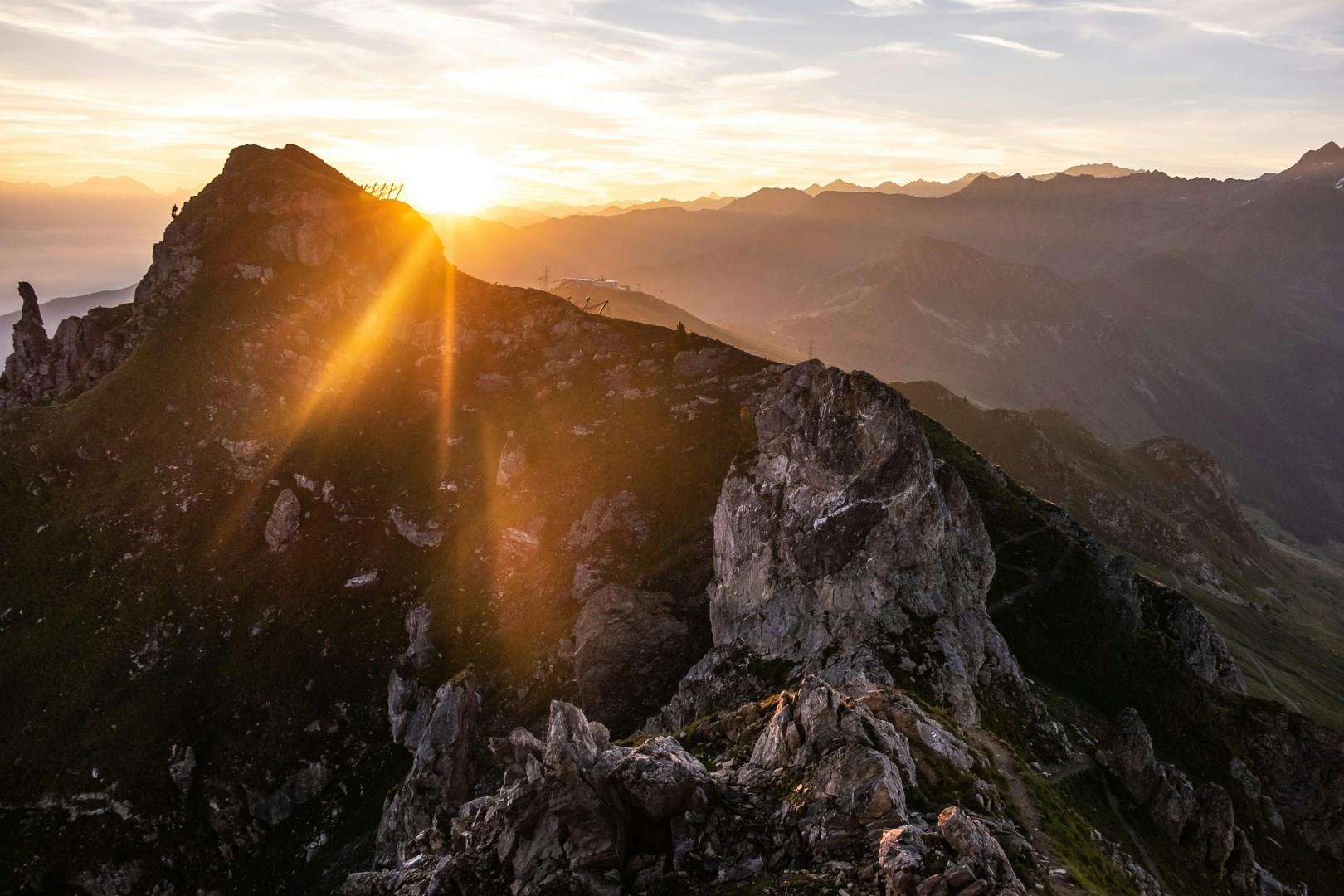
Surrounded by dramatic Alpine scenery, Saxon has long been known for its orchards and vineyards, benefitting from the region’s sunny microclimate.

Valdez
Located just north of Chugach National Forest and nestled in an inlet of Prince William Sound, charming Valdez is a small Alaskan city known for its proximity to stunning glaciers, canyons, forests, and natural wildlife. Highlights include Valdez Glacier Lake, Keystone Canyon, and the Valdez Museum. The region's untouched natural beauty will astound you on your next Alaskan cruise!
Brasília
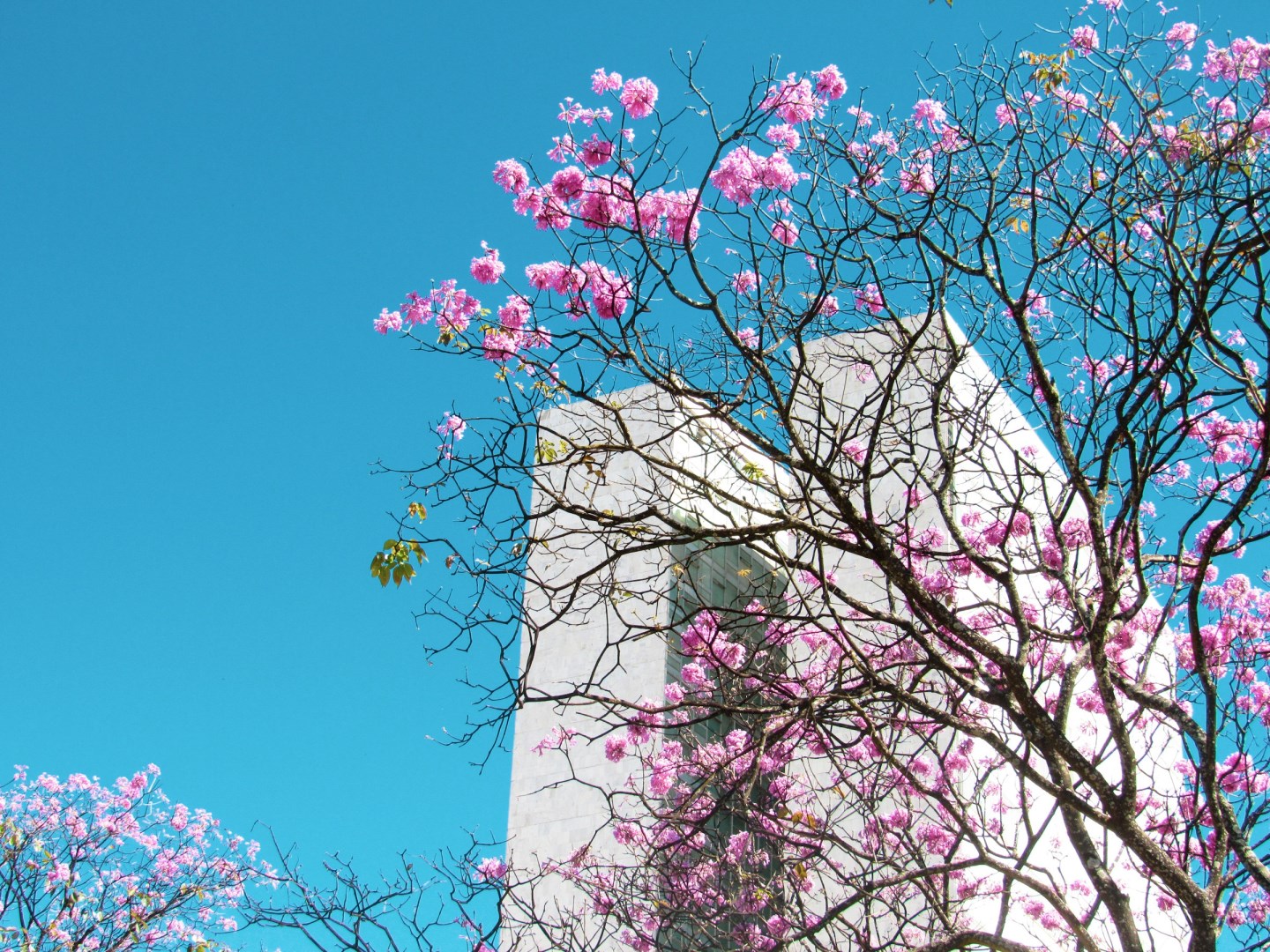
Brasília may be a World Heritage Site, but it is only of interest to town planning and architecture students, and those keen to witness the folly of man on a metropolitan scale. It must have looked good on paper, and still looks good in photos, but in the flesh, forget it. Designed by architect Oscar Niemeyer, urban planner Lucio Costa, and landscape architect Burle Marx, the city was built in an incredible three years between 1957 and 1960.