Colon
Northwest of Panama City lies the capital city of Colón, a gateway to the Panama Canal.

Pompeii
Pompeii, Italy, is a mesmerizing time capsule that invites travelers to step back into the world of ancient Rome. Once a thriving city, Pompeii was abruptly buried under volcanic ash and pumice following the catastrophic eruption of Mount Vesuvius in 79 AD. This tragic event preserved the city in remarkable detail, allowing visitors today to walk the cobbled streets and witness a snapshot of Roman life, from grand villas and bathhouses to bakeries and amphitheaters.

Jodhpur
Jodhpur, often called the "Blue City" of India, is located on the edge of the Thar Desert in the state of Rajasthan. The city is famous for the blue-painted houses in its old quarter, which create a striking contrast against the golden hue of the desert landscape.

Belém
Belém do Pará sits at the edge of the Amazon, where river and bay meet in a landscape with activity and color. The Ver-o-Peso Market spreads along Guajará Bay, welcoming early morning boats laden with fresh fish, herbs, fruits, and Amazonian goods. Recognized by UNESCO as a Creative City of Gastronomy, the local cuisine marries Indigenous, Portuguese, and African traditions to create dishes found nowhere else.
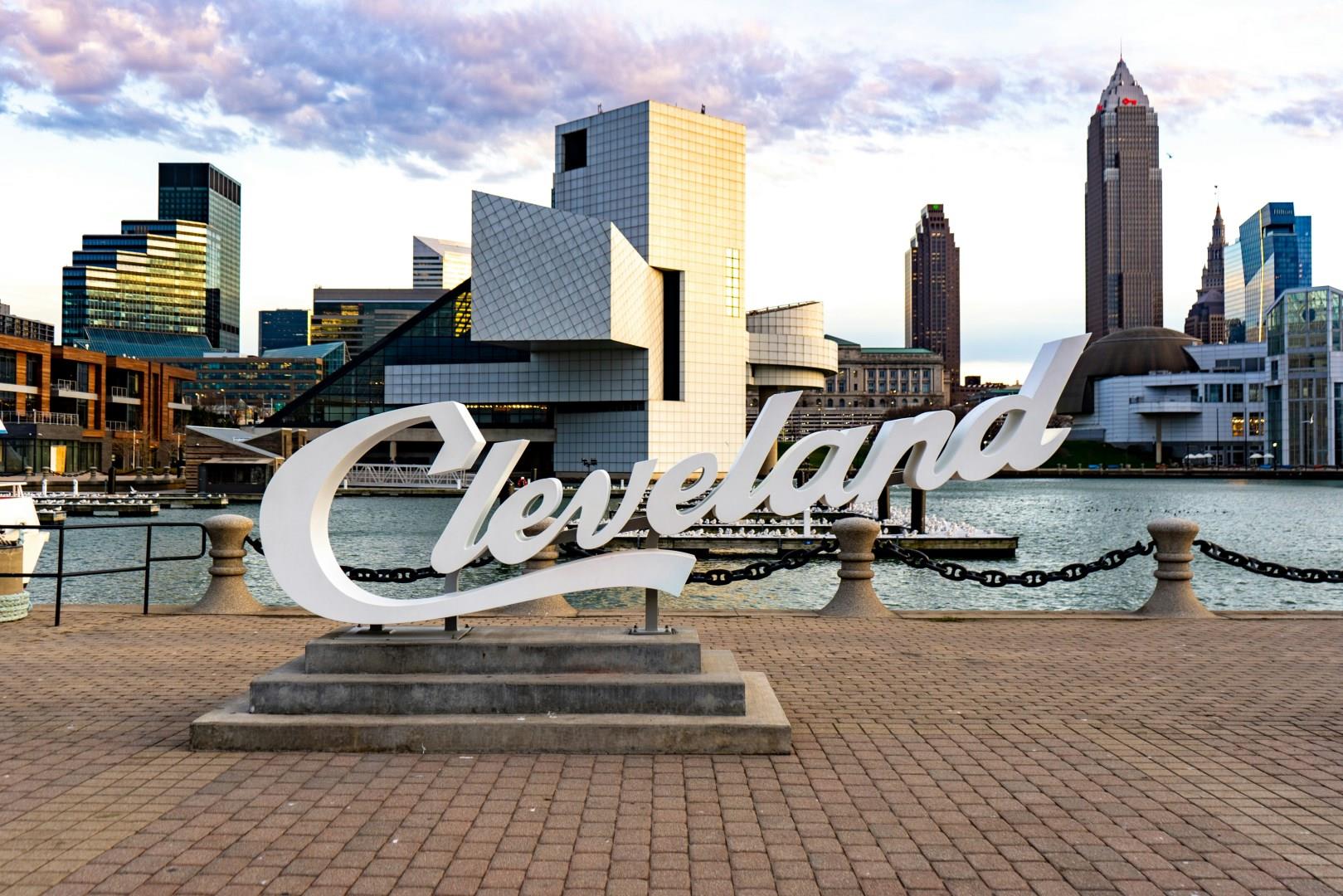
Cleveland
Cleveland, Ohio is a city with grit, pride, and a surprising amount of charm. Perched along the southern shore of Lake Erie, it blends industrial roots with a strong cultural identity. One of its most iconic attractions is the Rock & Roll Hall of Fame, where visitors can view everything from Prince’s custom guitars to handwritten lyrics by The Beatles. The museum brings history to life through rotating exhibits, film screenings, and live performances on the lakefront plaza.