
Mâcon is a riverside town in the Saône et Loire department of southern Burgundy, set where the Saône River curves gently through the countryside. Walking through the town naturally leads visitors from the riverfront toward its historic streets, where the past seems to linger in every corner. In the heart of Mâcon’s historic district, pedestrians find streets lined with notable sites.
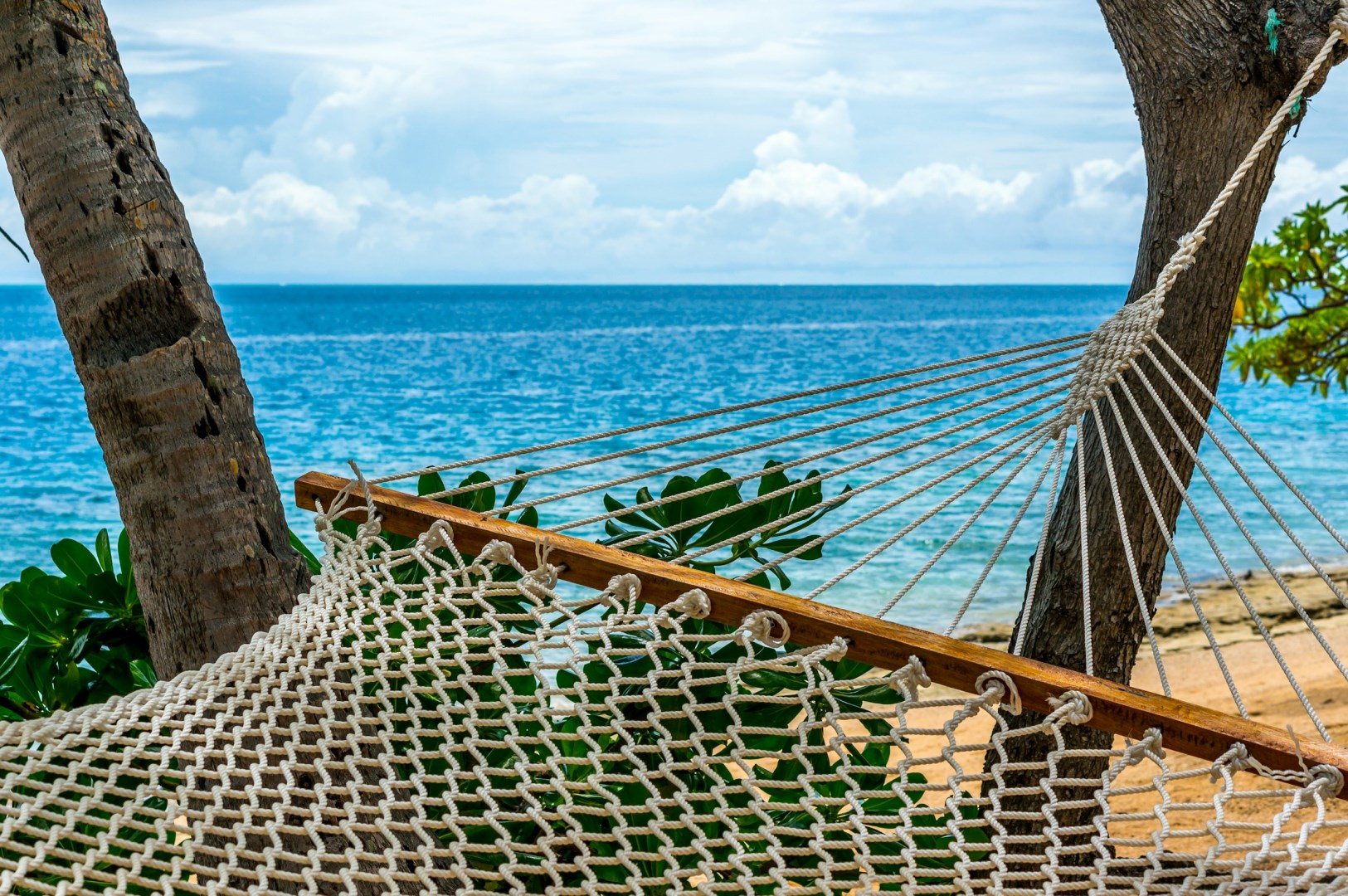
Set among Fiji’s Mamanuca Islands, Malolo Island combines a lush, hilly interior with palm-fringed beaches, clear lagoons, and coral-rich waters. Visitors can spend their days swimming, snorkelling, kayaking, or sailing before settling into the island’s unhurried pace.
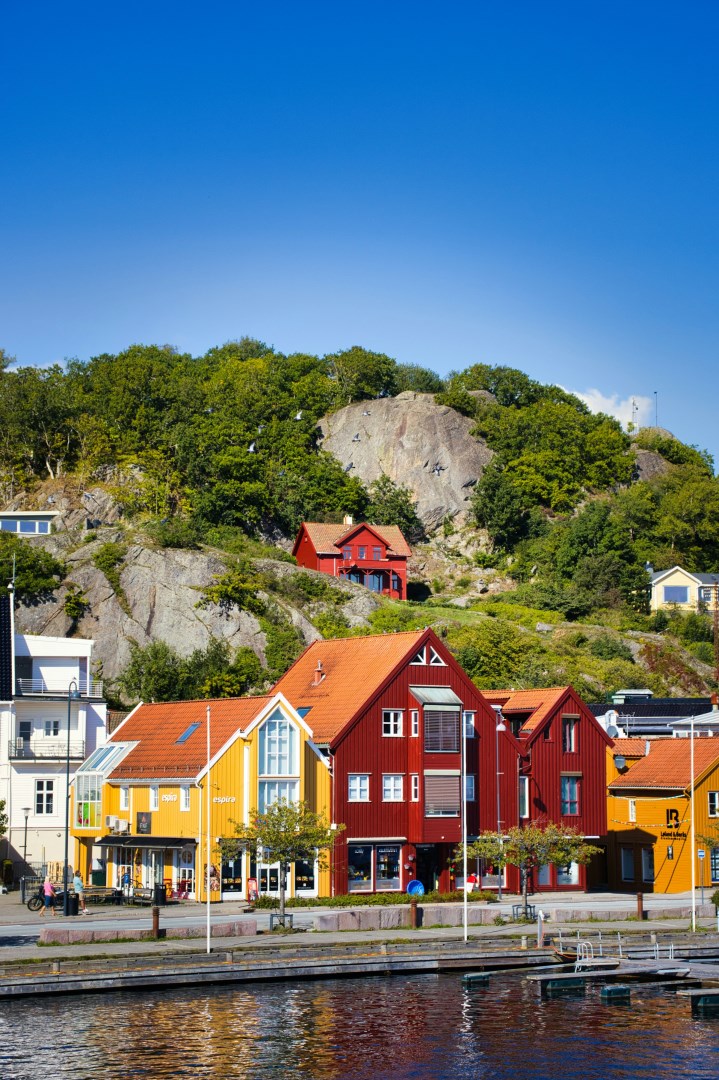
Mandal is a coastal town in Agder, southern Norway, situated where the Mandalselva River reaches the Skagerrak. It is known for its wooden town center, sandy beaches, and connection to the surrounding archipelago and river landscape. The town’s historic core contains narrow streets and closely spaced white-painted wooden houses, while the waterfront follows the river and harbor.
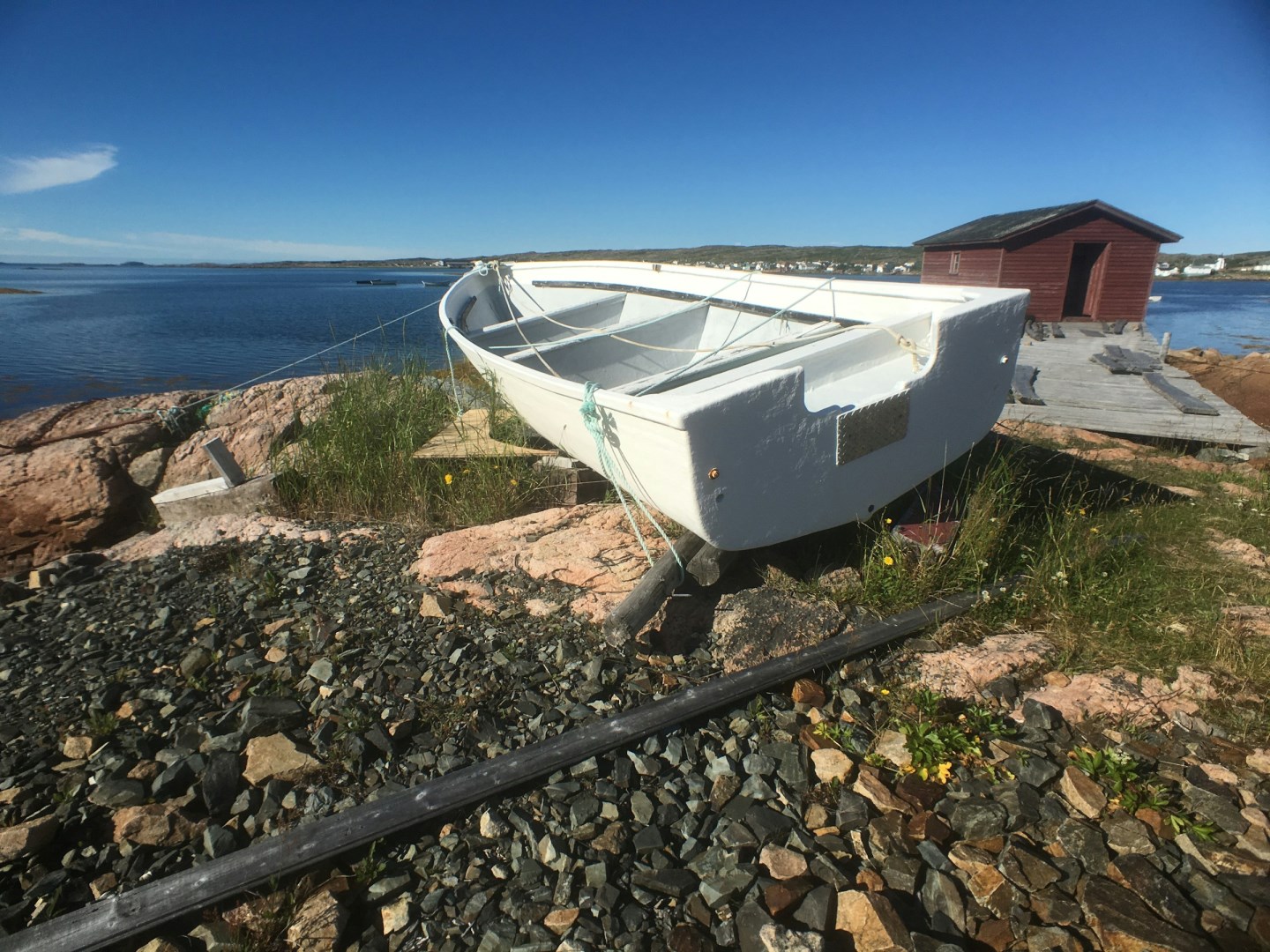
Fogo Island is a large offshore island in Newfoundland and Labrador, set in the North Atlantic and reached by ferry from Farewell on Newfoundland’s northeast coast. Its landscape is defined by rocky headlands, small coves, rolling hills, exposed coastal trails, and scattered fishing communities. Eleven communities occupy the island, including Fogo, Joe Batt’s Arm, and Tilting, each with its own character and relationship to the sea.
Nunavut comprises a major portion of Northern Canada, and most of the Canadian Arctic Archipelago. Its vast territory makes it the fifth-largest country subdivision in the world, as well as the largest in North America.
No airport, a single unnamed village, clear waters and white-sand beaches make Mayreau a quiet, rustic getaway. About 200 people live on this 1.5 mile (2.5km) long island just west of the Tobago Cays. Most visitors arrive via small cruise ships that dock at Saline Bay on the southwestern shore - making the island's other beaches best for seclusion. Salt Whistle Bay, at the northern end of the island, is protected from rough Atlantic breakers by a long narrow arm. This gorgeous bay has clear waters, beautiful white sands, calm swimming conditions and a protected anchorage for visiting yachts. The 20 minute walk from the village (near the middle of the western coast) to Salt Whistle Bay follows a path lined by cacti and scored by birdsong. There's a good view from the hilltop stone church at the northern side of the village.
Take a time machine to another century. One road, one pick up truck and more farm animals than citizens. Hunt for sea shells, sunbathe and surrender to the peace and quiet that make this a most serene island.
Other Popular Destinations in St. Vincent & the Grenadines
Bequia
Bequia, the largest of the Grenadines, is a hidden gem in the Caribbean Sea that captivates visitors with its unspoiled beauty and warm, welcoming atmosphere. Often described as the "island in the clouds," Bequia (pronounced "Bek-way") offers a tranquil escape where turquoise waters meet lush green hills. The island's charm lies in its simplicity—no sprawling resorts or crowded beaches, just a peaceful haven where time seems to stand still.
Kingstown
Kingstown, the vibrant capital of St. Vincent and the Grenadines, is a captivating blend of Caribbean charm and historical intrigue. Located on the southwestern coast of the island of St. Vincent, this bustling port city offers a gateway to explore both its colonial past and vibrant present. Start your exploration at the Fort Charlotte which overlooks Kingstown Harbor.