
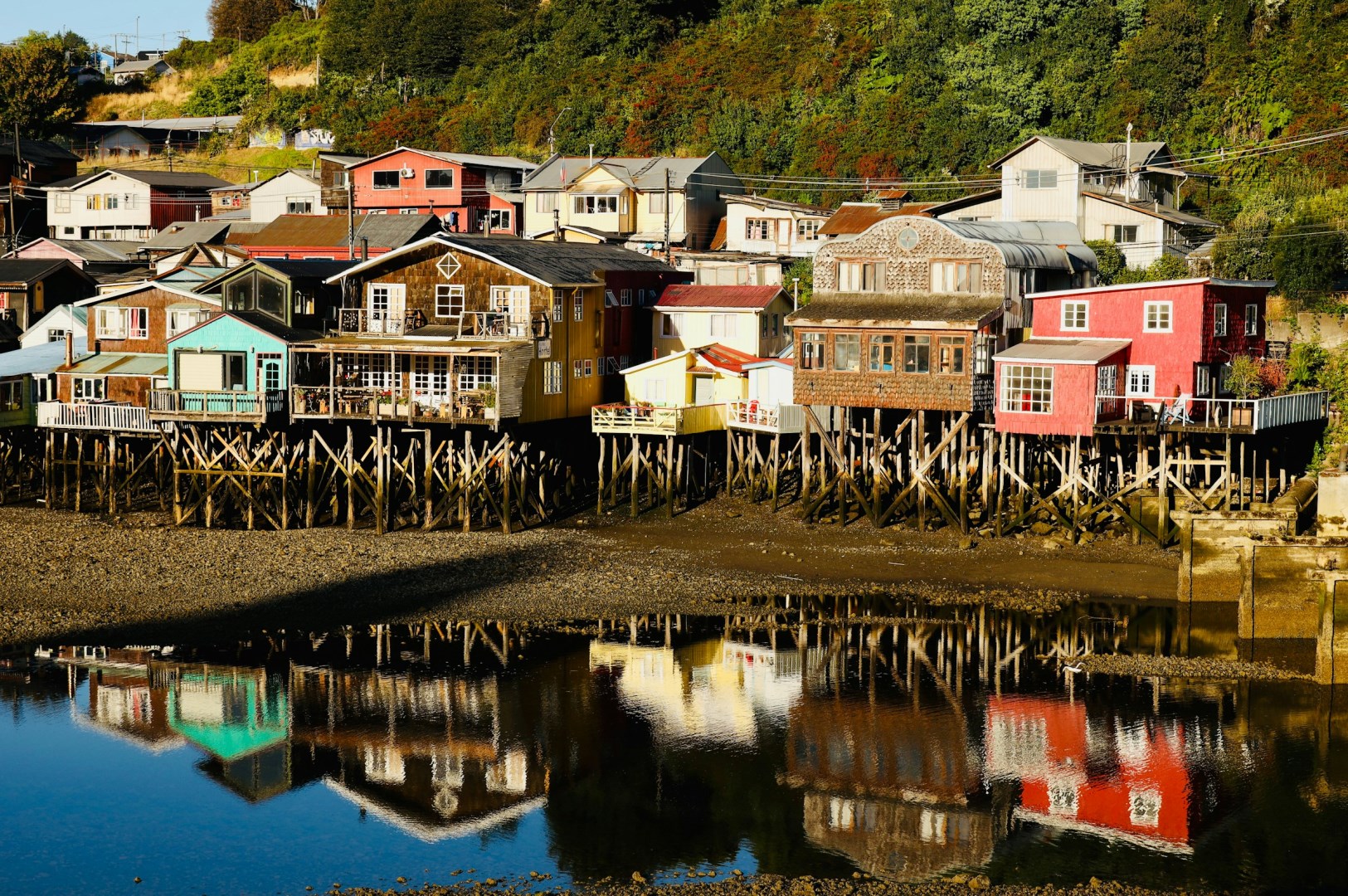
Castro is the capital of Chiloé Province on the island of Chiloé in southern Chile, set along the eastern shore of the Gulf of Corcovado. The city is recognized for its distinctive waterfront, hillside neighborhoods, and traditional wooden architecture. Its most recognizable feature is the palafitos, houses built on wooden stilts above the tidal edge, particularly around the Gamboa and Río neighborhoods.
Gaze in awe at the majestic beauty of Icelandic fjords in Isafjordur, a small and remote fishing village on the coast of Iceland. Once a hub for maritime activities, Isafjordur is now a cultural center and offers a variety of museums to immerse you in the culture and history of the region.
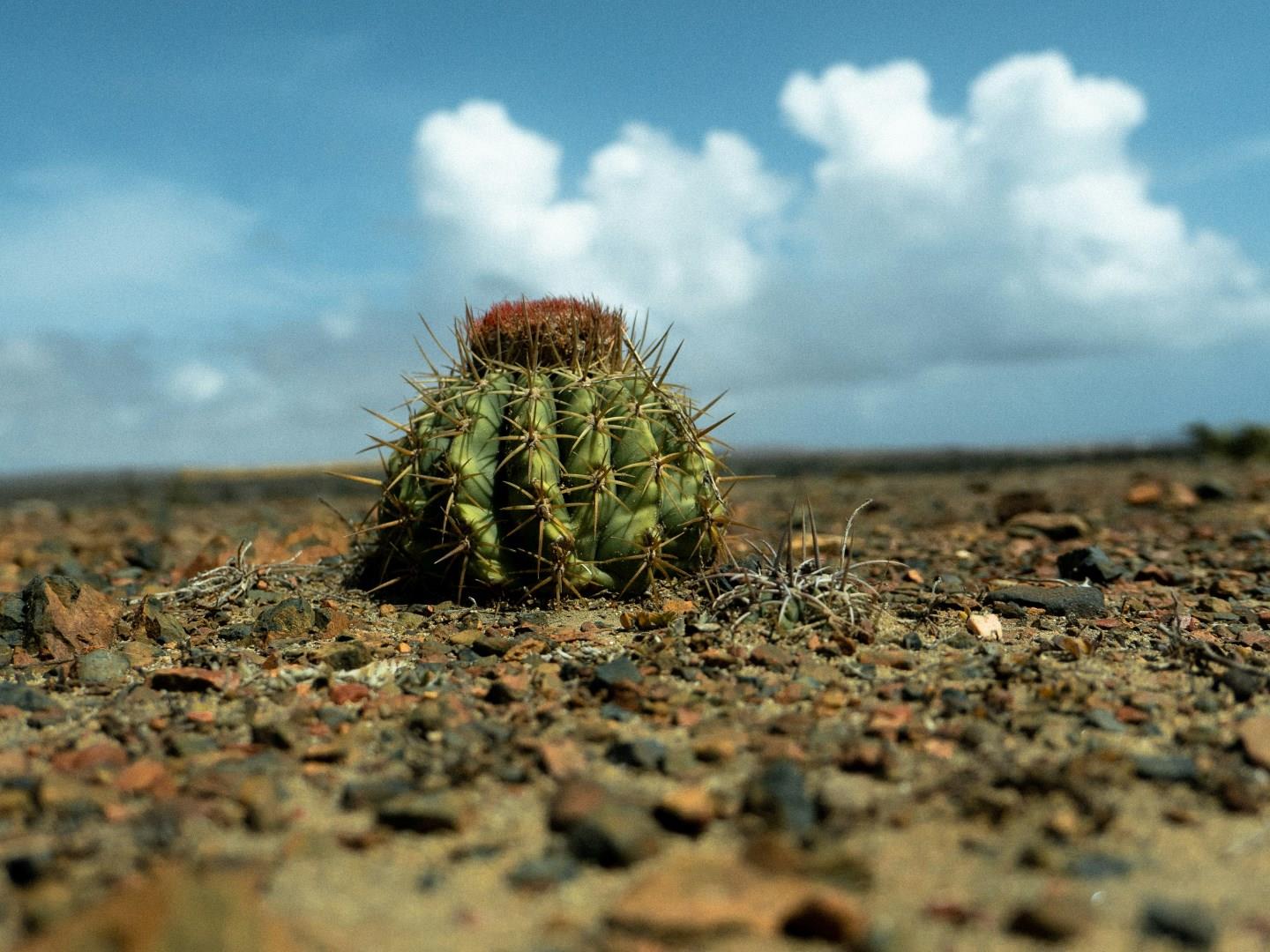
Arikok National Park, covering nearly 20% of Aruba, is a striking showcase of the island’s rugged landscapes, cultural history, and biodiversity. Unlike the postcard image of Aruba’s white-sand beaches, Arikok reveals a wilder side, with windswept hills, desert-like terrain, and dramatic limestone cliffs meeting the sea.
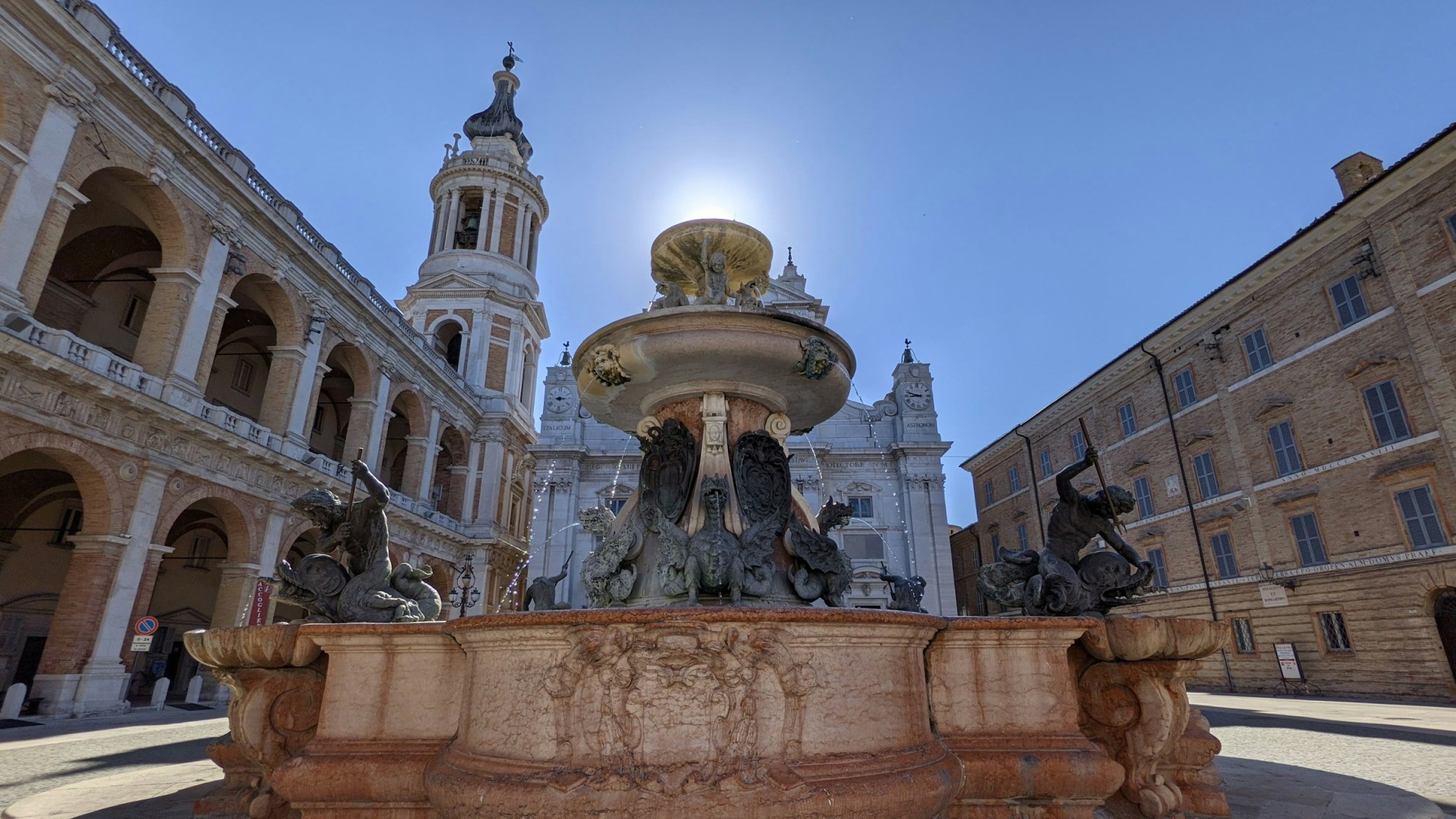
High on a hill, dominating the sea, Loreto is a small city that lives solely for the "Santa Casa", one of the most famous and revered monuments of Christianity. According to tradition, it was the Virgin Mary's birth house, which up until that time was kept intact and venerated in Palestine, then flown by angels from Nazareth to the Adriatic Coast and set on a green hill of laurels on the night of December 10, 1294; hence the name Loreto.
No airport, a single unnamed village, clear waters and white-sand beaches make Mayreau a quiet, rustic getaway. About 200 people live on this 1.5 mile (2.5km) long island just west of the Tobago Cays. Most visitors arrive via small cruise ships that dock at Saline Bay on the southwestern shore - making the island's other beaches best for seclusion. Salt Whistle Bay, at the northern end of the island, is protected from rough Atlantic breakers by a long narrow arm. This gorgeous bay has clear waters, beautiful white sands, calm swimming conditions and a protected anchorage for visiting yachts. The 20 minute walk from the village (near the middle of the western coast) to Salt Whistle Bay follows a path lined by cacti and scored by birdsong. There's a good view from the hilltop stone church at the northern side of the village.
Take a time machine to another century. One road, one pick up truck and more farm animals than citizens. Hunt for sea shells, sunbathe and surrender to the peace and quiet that make this a most serene island.
Other Popular Destinations in St. Vincent & the Grenadines
Bequia
Bequia, the largest of the Grenadines, is a hidden gem in the Caribbean Sea that captivates visitors with its unspoiled beauty and warm, welcoming atmosphere. Often described as the "island in the clouds," Bequia (pronounced "Bek-way") offers a tranquil escape where turquoise waters meet lush green hills. The island's charm lies in its simplicity—no sprawling resorts or crowded beaches, just a peaceful haven where time seems to stand still.
Kingstown
Kingstown, the vibrant capital of St. Vincent and the Grenadines, is a captivating blend of Caribbean charm and historical intrigue. Located on the southwestern coast of the island of St. Vincent, this bustling port city offers a gateway to explore both its colonial past and vibrant present. Start your exploration at the Fort Charlotte which overlooks Kingstown Harbor.