
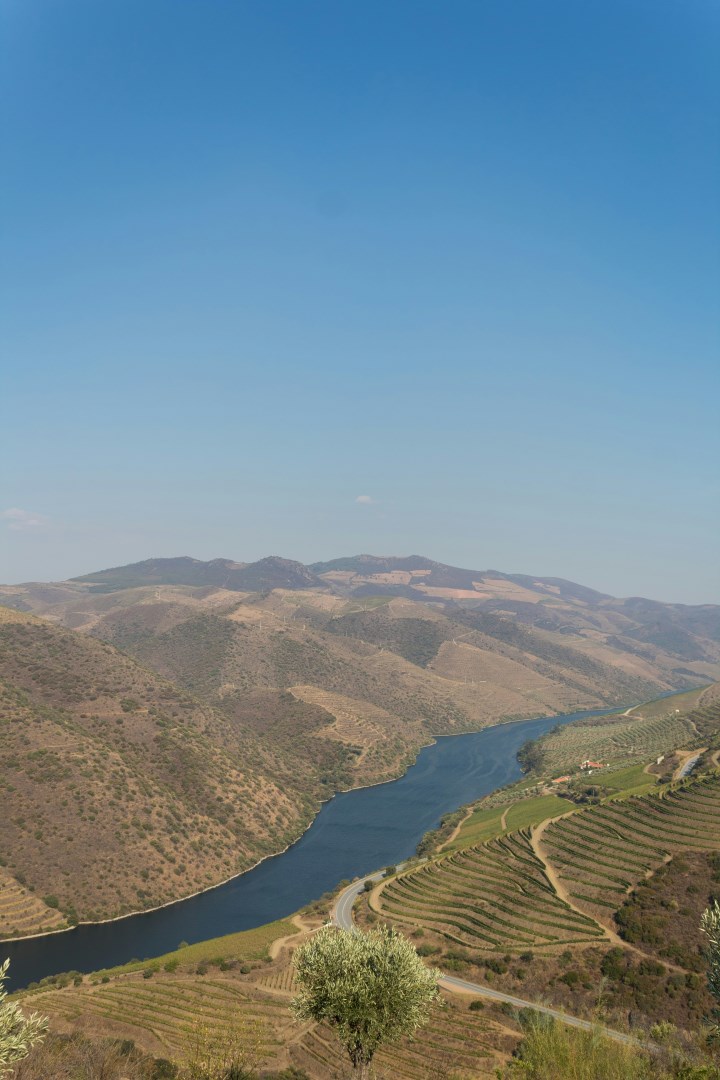
Coa Valley lies in northeastern Portugal near the Douro River, in a landscape shaped by steep hills, schist cliffs, vineyards, olive groves, and almond trees. The area is best known for its open-air prehistoric rock engravings, spread across the banks of the Coa River and protected as a UNESCO World Heritage Site.
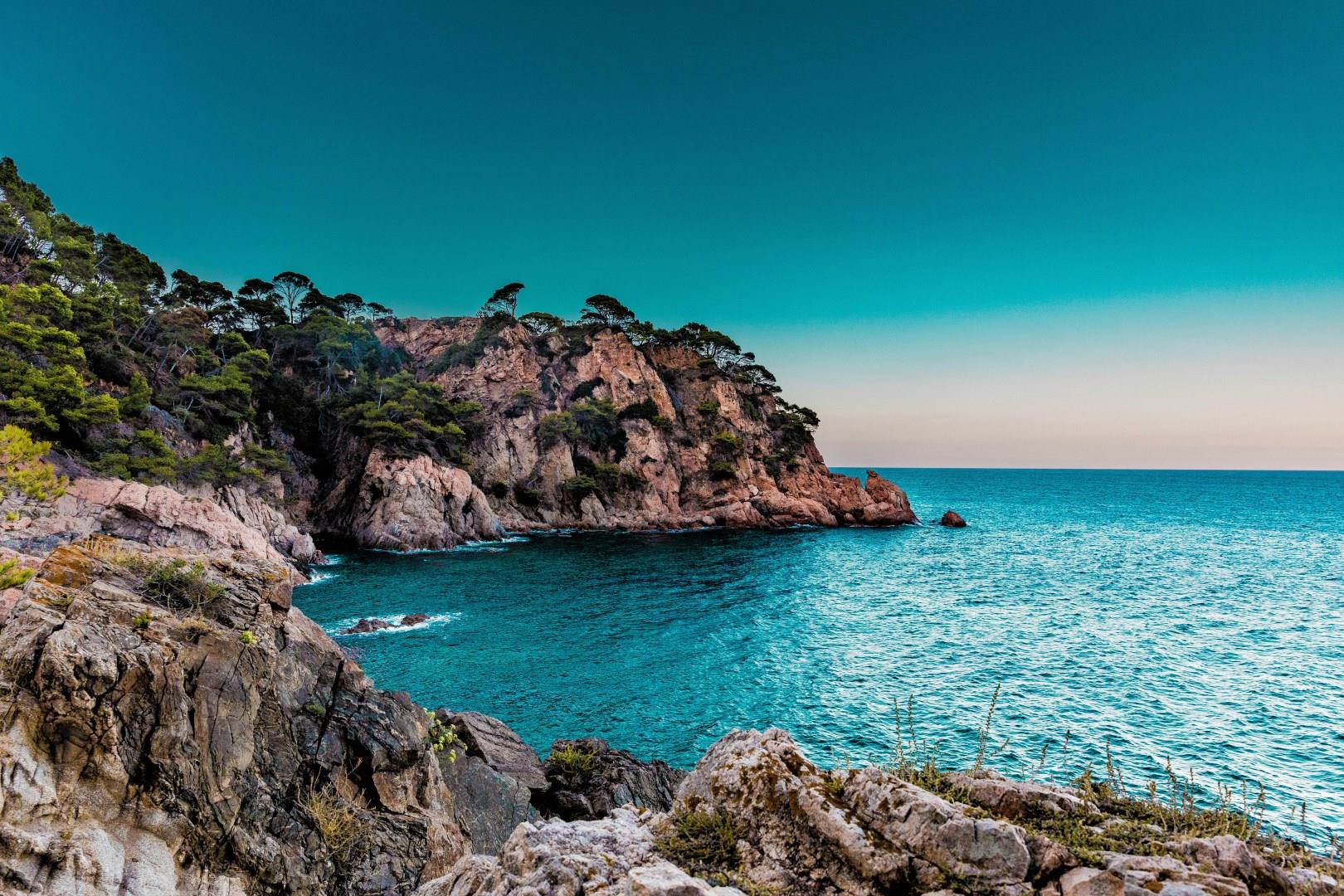
Marbella, located between the Mediterranean Sea and the Sierra Blanca mountains, is often associated with its luxury resorts and famous marina, Puerto Banús. But beyond the polished storefronts and designer yachts, the city has a layered past. Its old town, known as Casco Antiguo, is a well-preserved network of narrow streets built during Moorish rule, with whitewashed buildings, flower-filled balconies, and hidden plazas like Plaza de los Naranjos, which dates back to the 15th century.
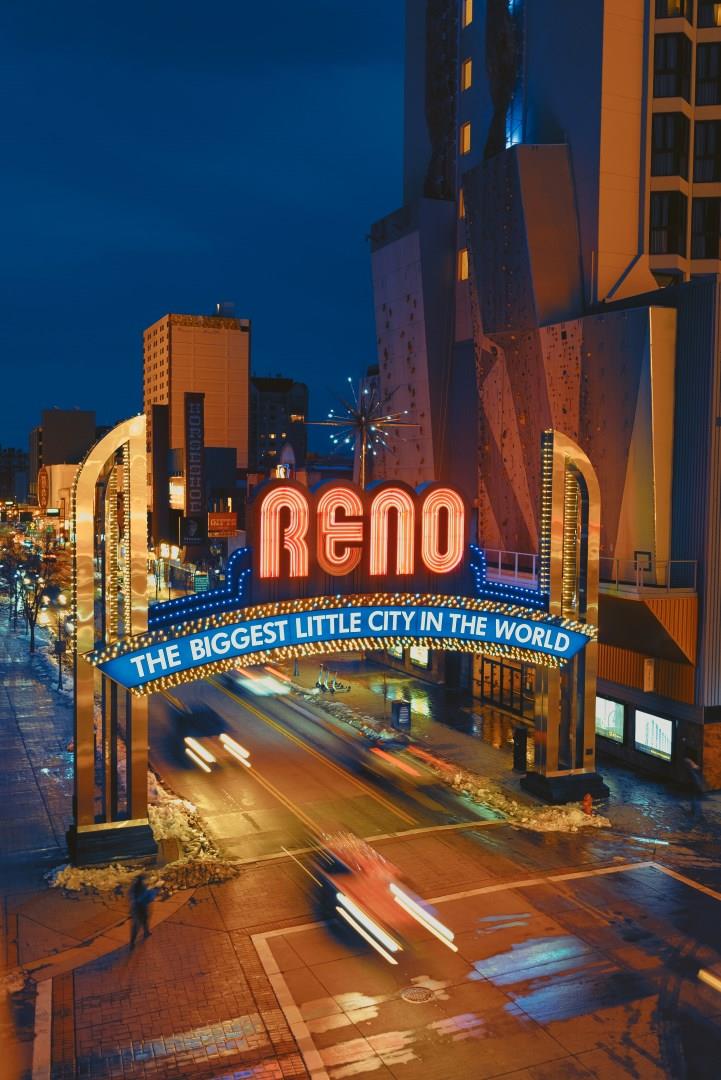
Reno, Nevada is known as “The Biggest Little City in the World” and has evolved well beyond its casino roots. Today, it’s a city where vintage neon signs share the skyline with vibrant murals and historic train depots sit beside riverside coffee shops. The Truckee River runs through downtown, anchoring the city with a scenic Riverwalk lined with public art, restaurants, and the sounds of rushing water.
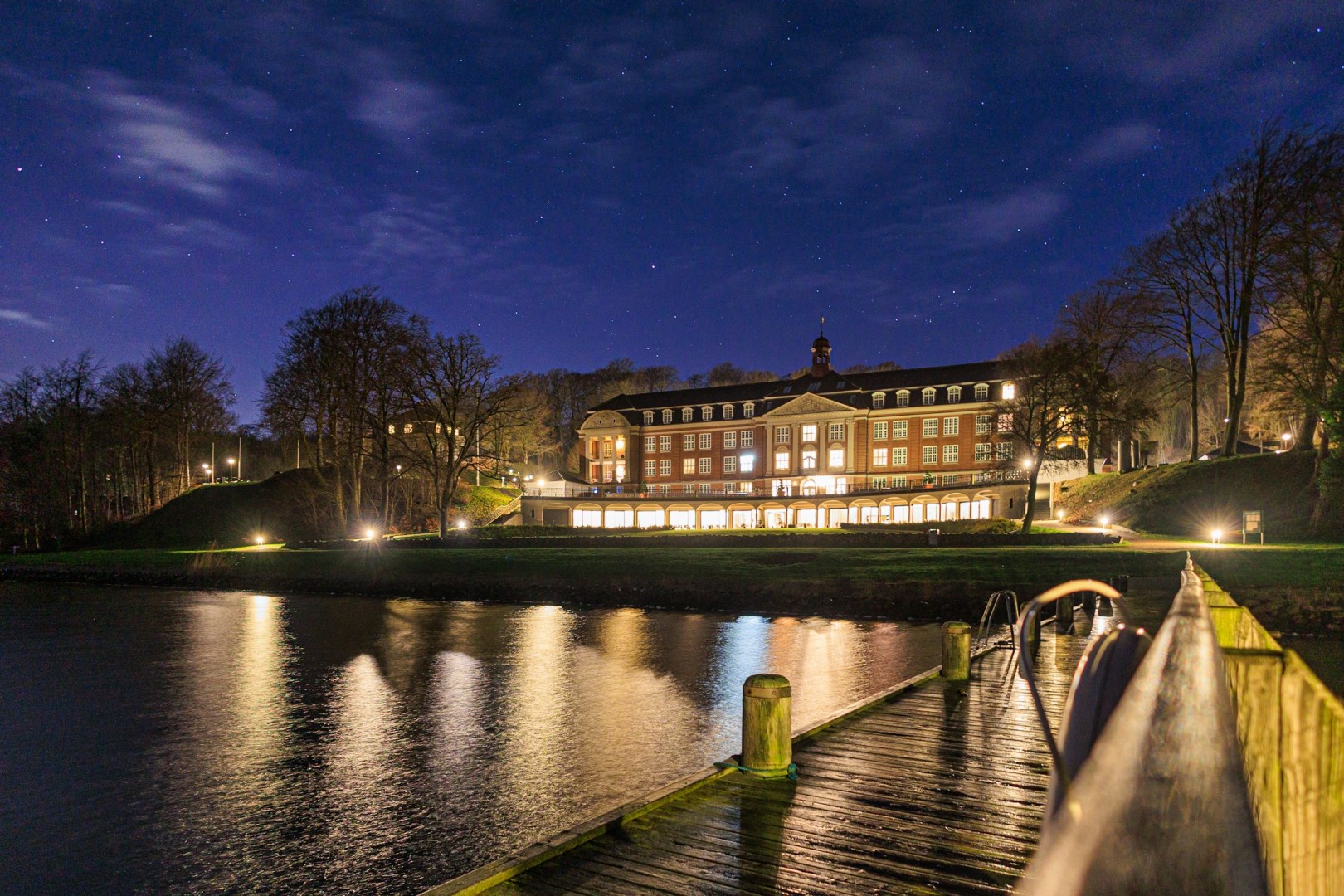
The town is beautifuly situated near the forest and the water, and the varied countryside all around provides lots to see and do. Kolding is a modern town with roots deep in history, and the many activities, events and holiday opportunities available here ensure that there's always something for everyone. Places to visit include: Koldinghus Castle, Trapholt Museum of Art, Geographical Gardens and more.
No airport, a single unnamed village, clear waters and white-sand beaches make Mayreau a quiet, rustic getaway. About 200 people live on this 1.5 mile (2.5km) long island just west of the Tobago Cays. Most visitors arrive via small cruise ships that dock at Saline Bay on the southwestern shore - making the island's other beaches best for seclusion. Salt Whistle Bay, at the northern end of the island, is protected from rough Atlantic breakers by a long narrow arm. This gorgeous bay has clear waters, beautiful white sands, calm swimming conditions and a protected anchorage for visiting yachts. The 20 minute walk from the village (near the middle of the western coast) to Salt Whistle Bay follows a path lined by cacti and scored by birdsong. There's a good view from the hilltop stone church at the northern side of the village.
Take a time machine to another century. One road, one pick up truck and more farm animals than citizens. Hunt for sea shells, sunbathe and surrender to the peace and quiet that make this a most serene island.
Other Popular Destinations in St. Vincent & the Grenadines
Bequia
Bequia, the largest of the Grenadines, is a hidden gem in the Caribbean Sea that captivates visitors with its unspoiled beauty and warm, welcoming atmosphere. Often described as the "island in the clouds," Bequia (pronounced "Bek-way") offers a tranquil escape where turquoise waters meet lush green hills. The island's charm lies in its simplicity—no sprawling resorts or crowded beaches, just a peaceful haven where time seems to stand still.
Kingstown
Kingstown, the vibrant capital of St. Vincent and the Grenadines, is a captivating blend of Caribbean charm and historical intrigue. Located on the southwestern coast of the island of St. Vincent, this bustling port city offers a gateway to explore both its colonial past and vibrant present. Start your exploration at the Fort Charlotte which overlooks Kingstown Harbor.