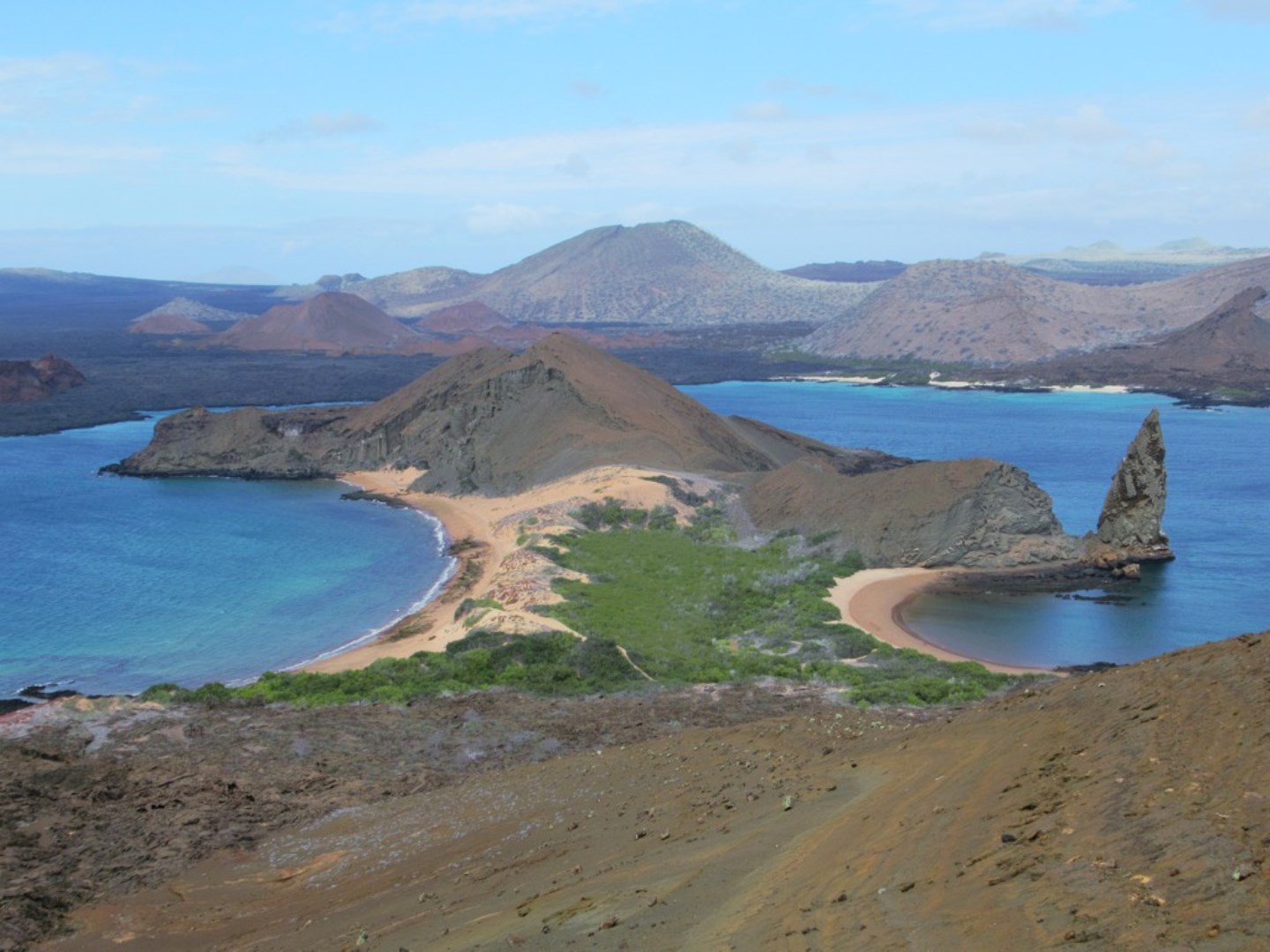
Sullivan Bay, located on the eastern shore of Santiago Island in Ecuador’s Galápagos archipelago, offers a landscape that feels almost otherworldly at first glance. Instead of lush greenery, visitors are greeted by wide stretches of hardened lava. These black, rippled fields tell a story written in fire, where molten rock once flowed freely before cooling into intricate patterns that can still be traced today.
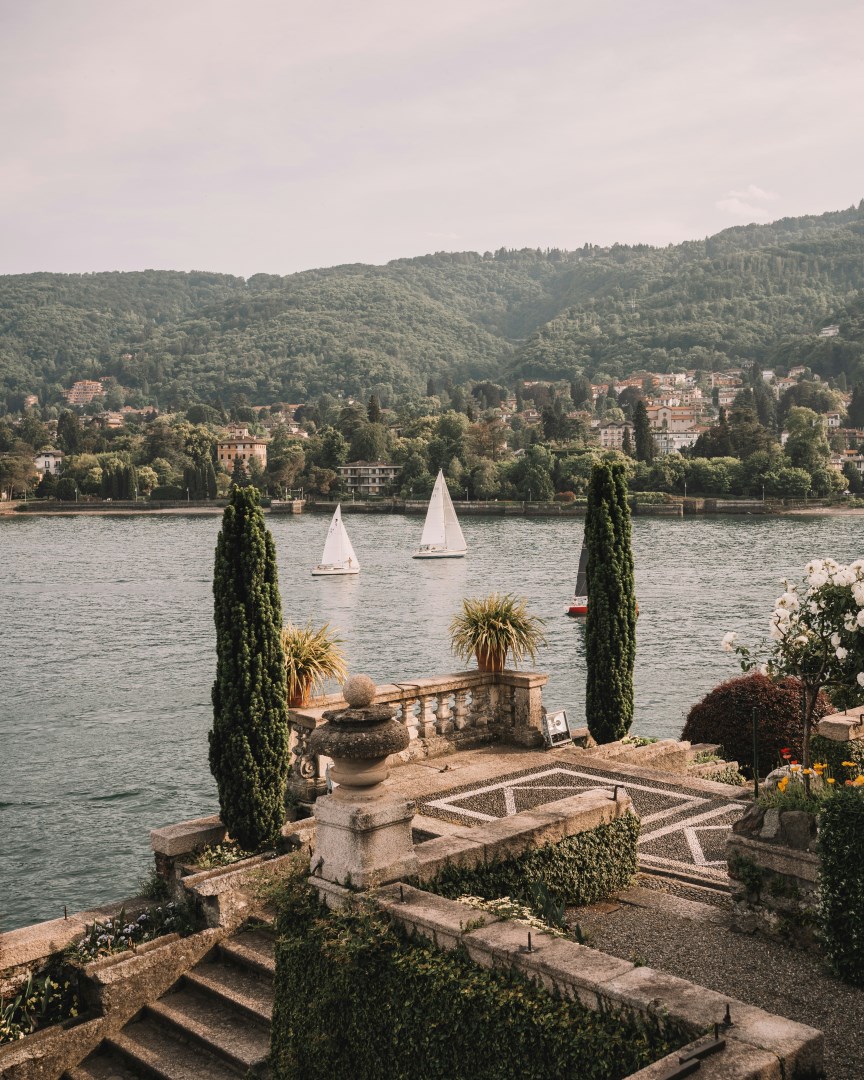
Set along the western shore of Lake Maggiore, Stresa is one of northern Italy’s most graceful lakeside towns. Its elegant promenade, framed by grandhotels and views of the Borromean Islands, has attracted travelers since the 19th century, from European nobility to writers like Ernest Hemingway.
This small yet charming city in Alaska's panhandle is a throwback to the gold rush era. Skagway is a well-preserved part of Klondike Gold Rush National Historical Park.
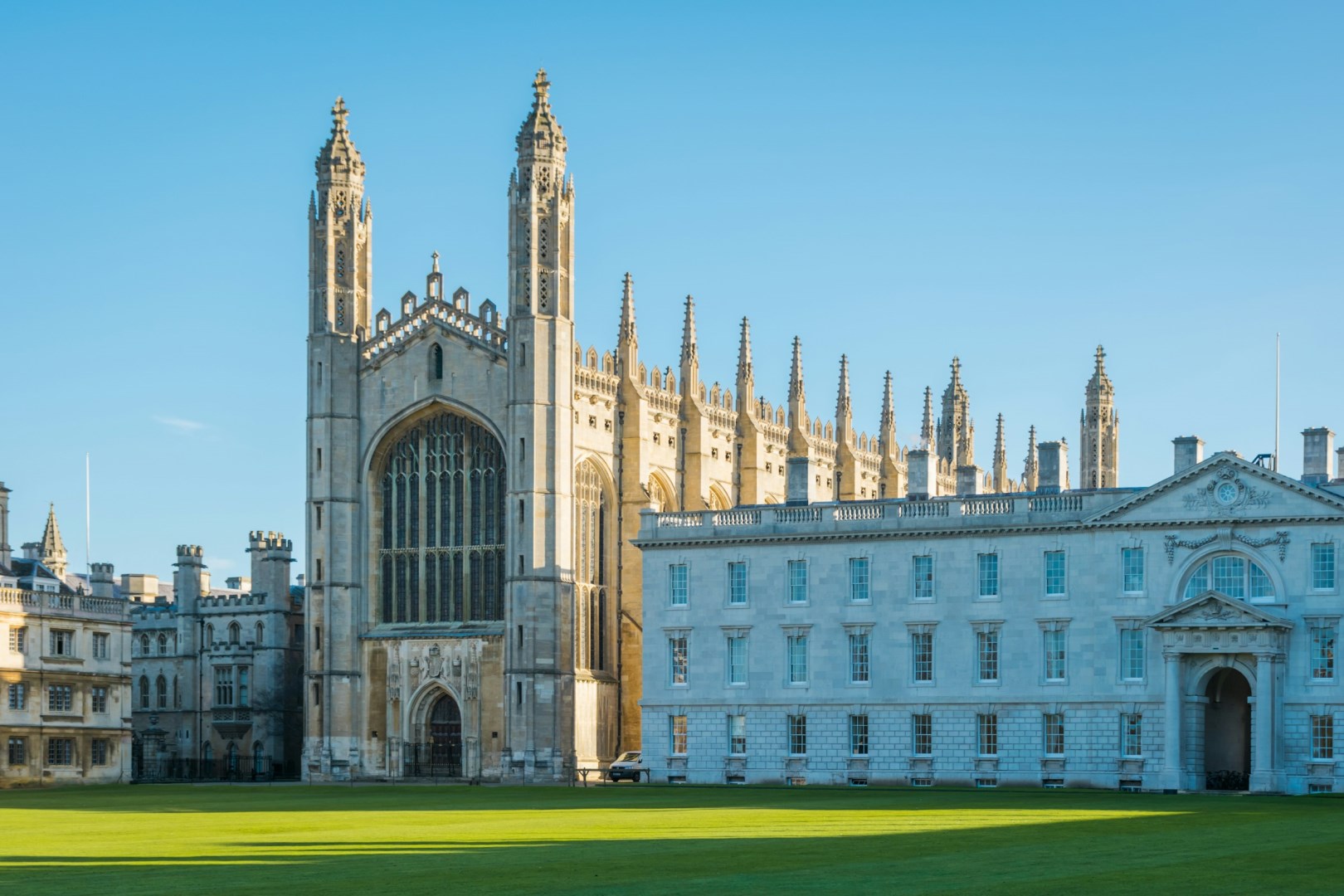
Cambridge, located in eastern England along the River Cam, is world-renowned for its prestigious university, historic architecture, and vibrant cultural scene. The city’s cobbled streets, centuries-old colleges, and medieval churches reflect a rich academic and architectural heritage, making it one of the most iconic university towns in the world.
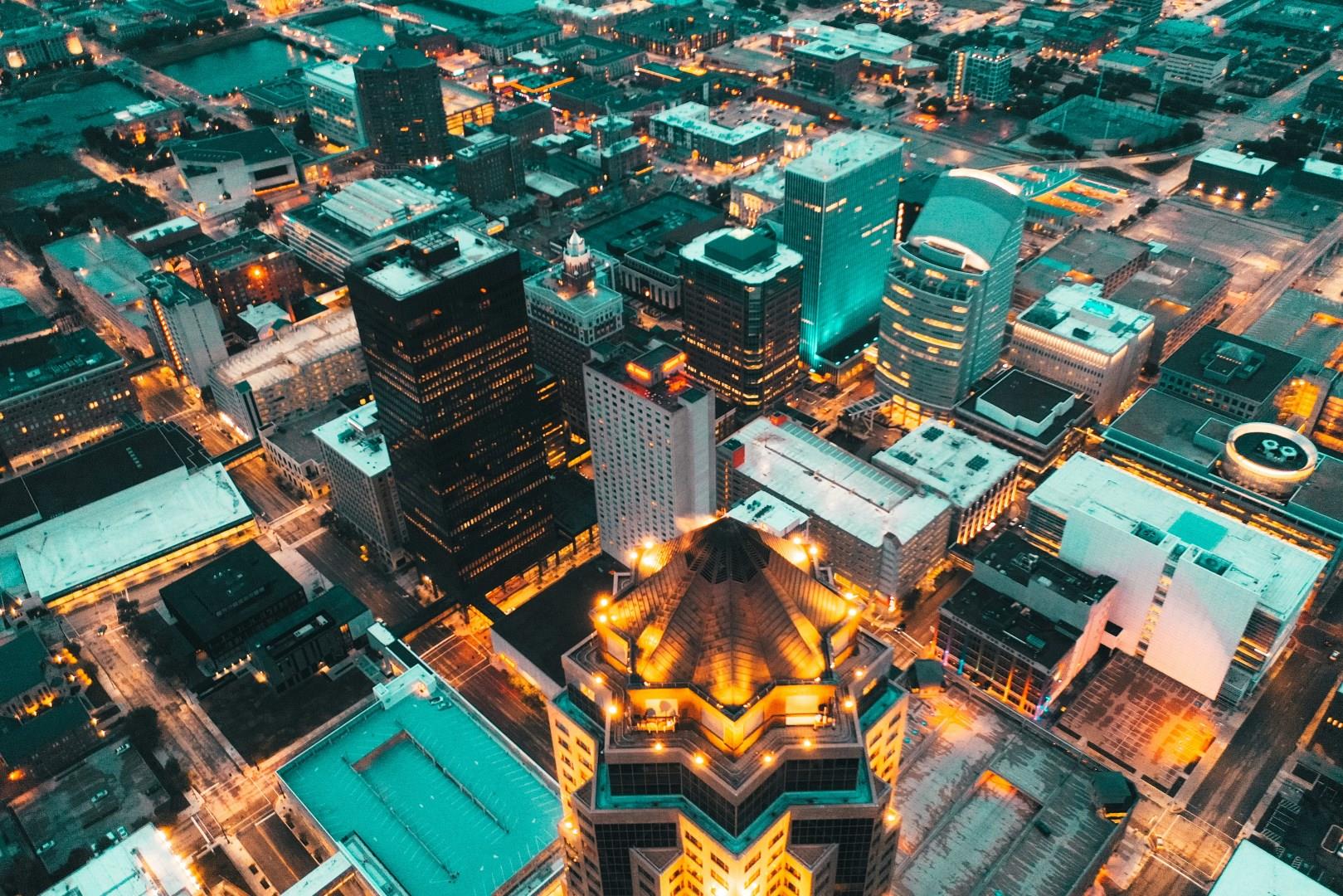
Des Moines, Iowa’s capital city, offers a refreshing take on Midwest travel with a blend of creativity, history, and community pride. Its downtown skyline is anchored by the gold-domed Iowa State Capitol, which offers free guided tours and a striking view from its hilltop perch. Just across the river, the East Village mixes old brick storefronts with indie shops, coffee houses, and vibrant murals. It's where old meets new, a theme that runs throughout the city’s evolving identity.
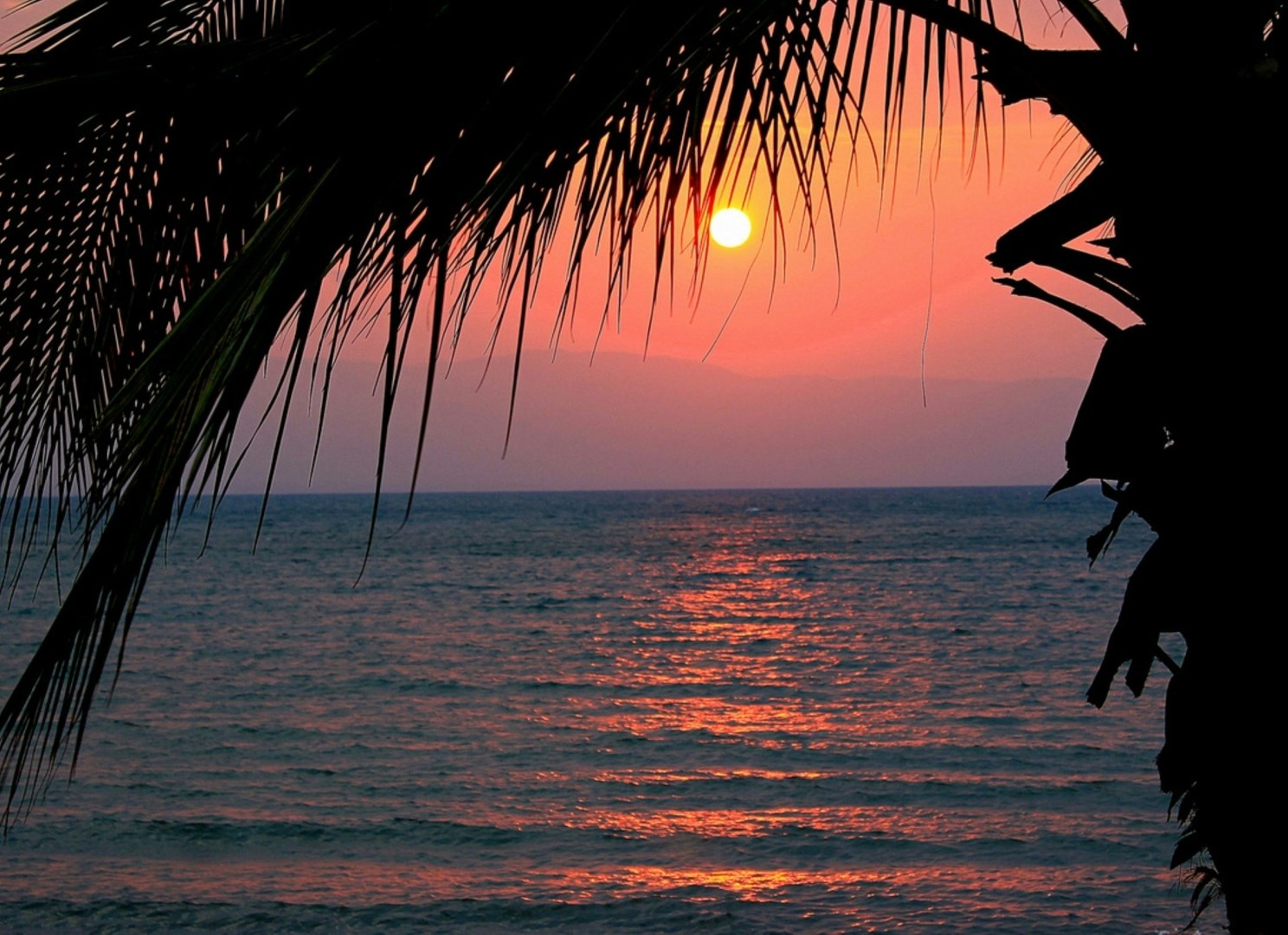
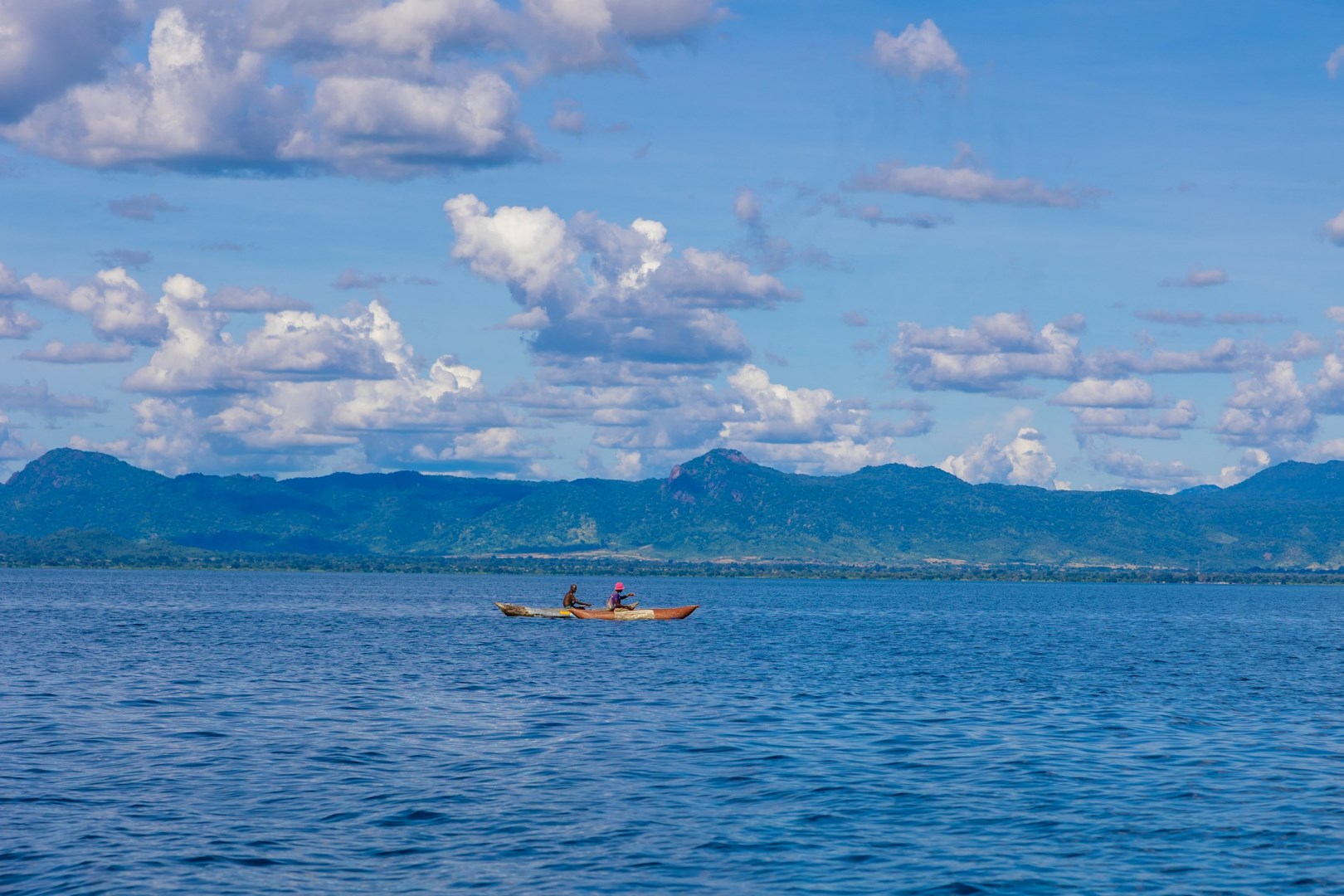
Lake Malawi - The Lake of Stars - is an immense inland sea of fresh, crystal clear water in which tropical fish abound. Its shores and the deserted islands which dot its surface are home to a variety of game and an abundance of exotic birdlife. Local fishermen leisurely paddle their traditional "mokoros", or dugouts, across its expanse, and the sun drenched serenity is but enhanced by the shriek of a Fish Eagle or the grunting of distant hippo.
Lake Malawi is one of a series of lakes in Africa's Rift Valley. It is the ninth largest lake in the world, with a surface area of about 30,000 square km, a length of about 580 km, and is approximately 704 meters deep. Lake Malawi has a very diverse bottom, ranging from rocky, to sandy, to heavily planted areas. As with Lake Tanganyika, the lower layers of the lake are completely devoid of oxygen and uninhabitable by fish. It was reported in "African Cichlids of Lakes Malawi and
Tanganyika-12th Ed." that there are 225 known species of cichlids in the lake, with 40+ species of non-cichlids. Lake Malawi's fish population is a prime food source for many Malawi inhabitants. Lake Malawi National Park, opened in 1980 near Monkey Bay, was put in place to protect the many cichlid species of the lake from extinction due to over-fishing and
collection for export.
Other Popular Destinations in Malawi
Lilongwe
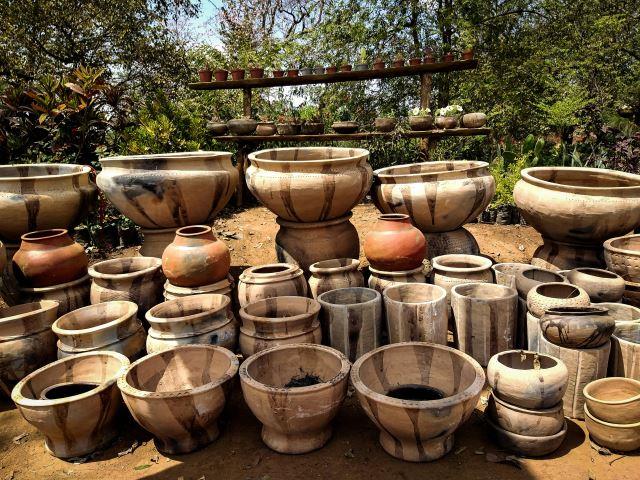
Lilongwe, the capital of Malawi, blends modern development with a laid-back atmosphere, offering visitors an introduction to the country’s culture and daily life. Markets are at the heart of Lilongwe’s character, with the bustling Old Town Market standing out as a must-visit. Here, traders sell everything from fresh produce and local crafts to colorful fabrics and handmade goods.
Zomba
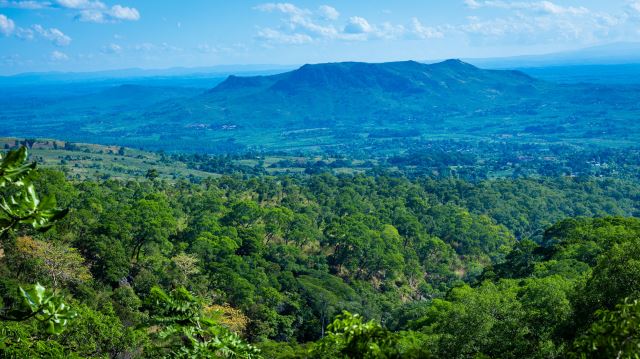
Zomba is a city in southern Malawi situated at the foot of the Zomba Plateau, a large mountain massif rising above the surrounding Shire Highlands. The city is known for its tree-lined streets, cooler climate, and access to forested mountain landscapes. Zomba Plateau dominates the local scenery, with steep slopes, streams, waterfalls, and broad viewpoints overlooking the plains below.