Originating as a tiny fishing village in 1038, modern Kehl has become an important link between Germany and France. Rhine River cruises most often use Kehl as their gateway to the much larger and better-known Strasbourg. The savvy traveler, though, might choose to skip the jaunt across the river and enjoy many similar sights, shopping and cuisine as those offered in the teeming French city.
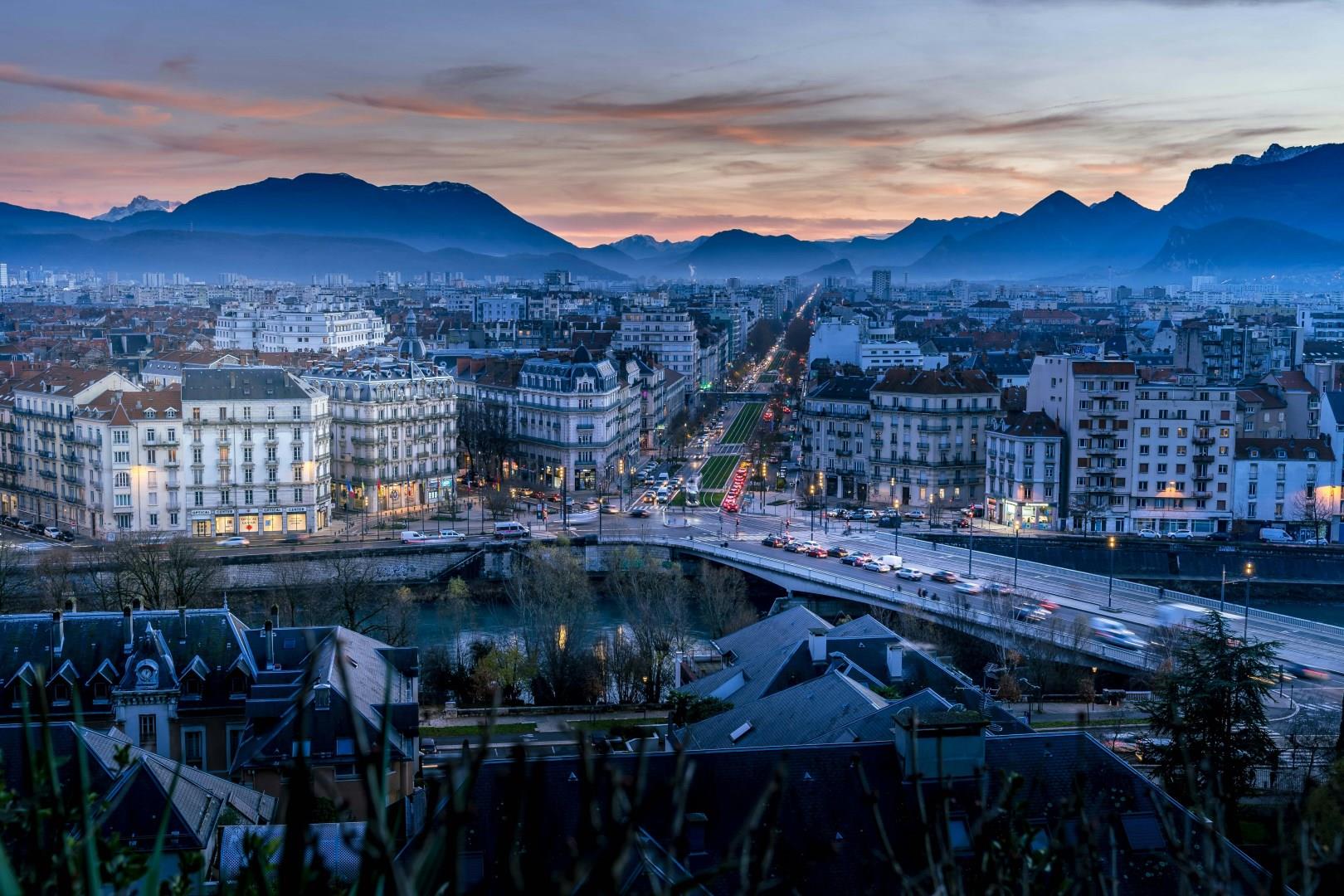
Grenoble sits at the meeting point of three Alpine mountain ranges in southeastern France, giving it a setting that feels both dramatic and lived-in. With origins dating back to Roman times, the city has long been a crossroads of trade, science, and political thought.
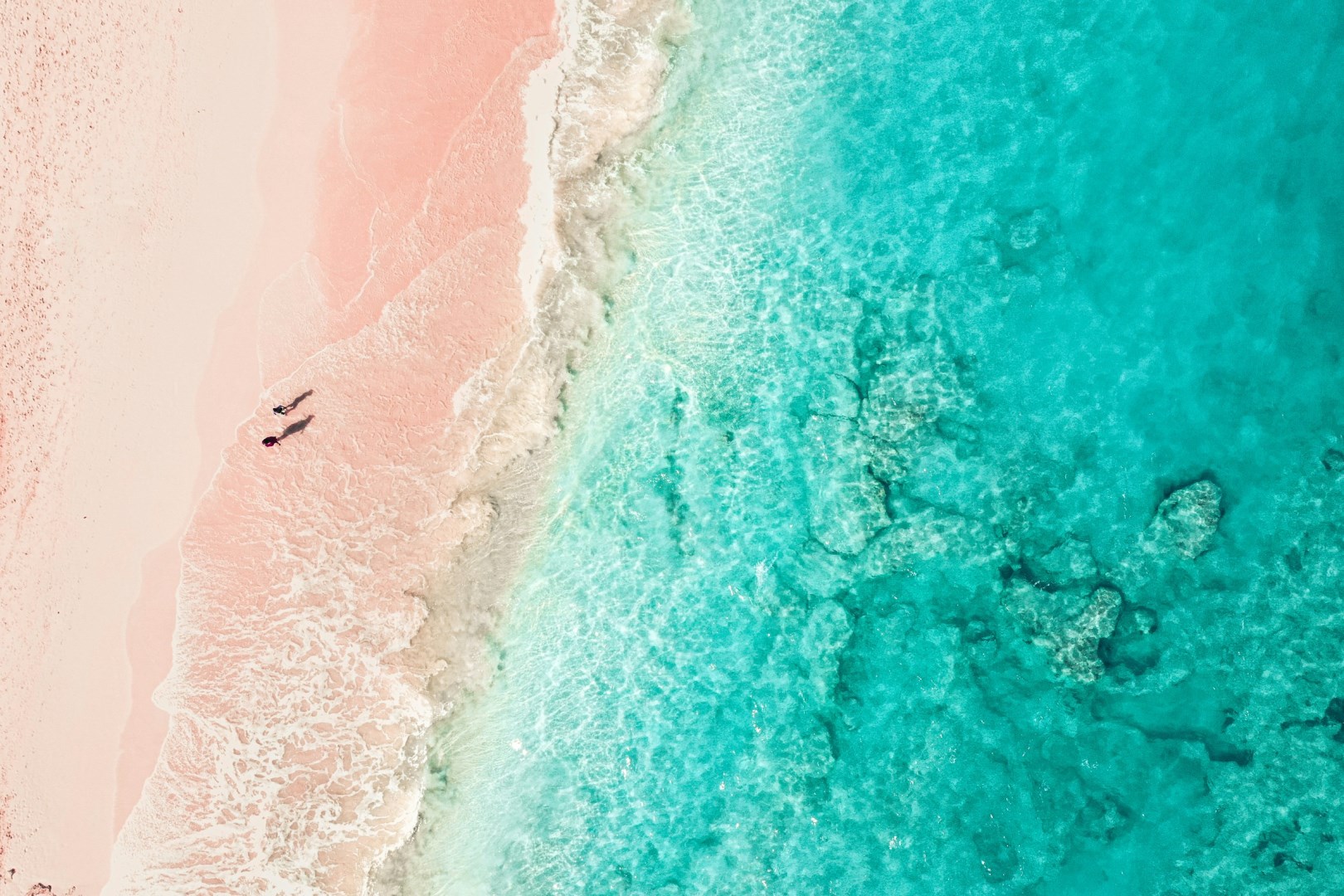
Elbow Beach is a long, gently curving stretch of pale pink sand on Bermuda’s South Shore in Paget Parish, close to Hamilton. The beach takes its name from its distinctive bend, which resembles an elbow when viewed from the water. Protective coral reefs offshore help create relatively calm conditions, making the beach suitable for swimming and body surfing.
Manaus, capital of Brazil’s Amazonas state, is a city that rises unexpectedly from the rainforest. Once the center of the global rubber boom in the late 1800s, Manaus still holds onto that legacy with surprising elegance. The Teatro Amazonas, an opulent opera house imported piece by piece from Europe, sits at the heart of the city, its pink façade and domed roof tiled in the colors of the Brazilian flag. Today, it hosts concerts, festivals, and curious visitors eager to step back in time.
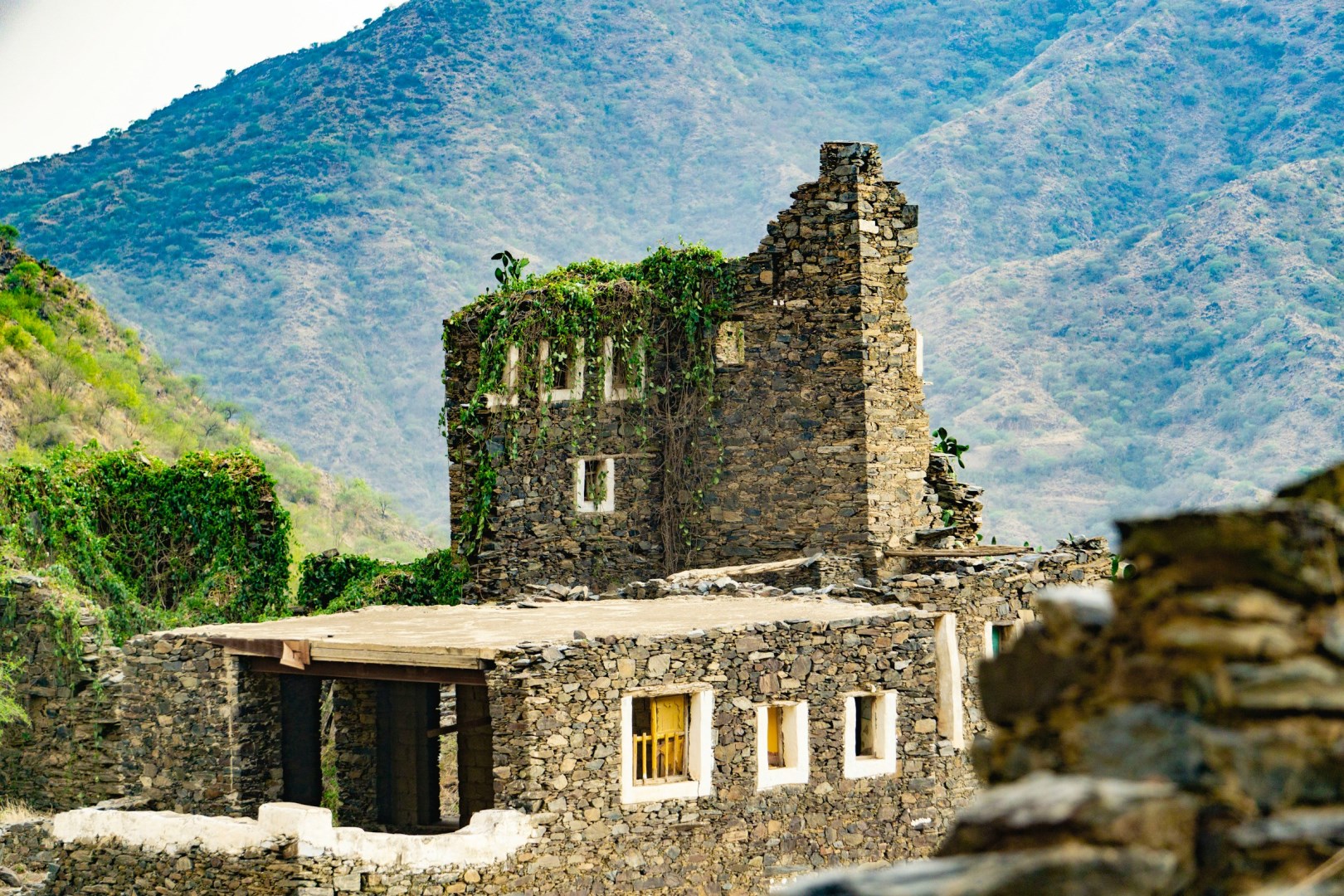
Abha, the capital of Saudi Arabia’s Asir Province, is a scenic mountain city set nearly 2,200 meters (7,200 feet) above sea level in the Sarawat Mountains. Known for its mild climate, lush green hills, and misty peaks, it stands in striking contrast to the country’s desert landscapes.
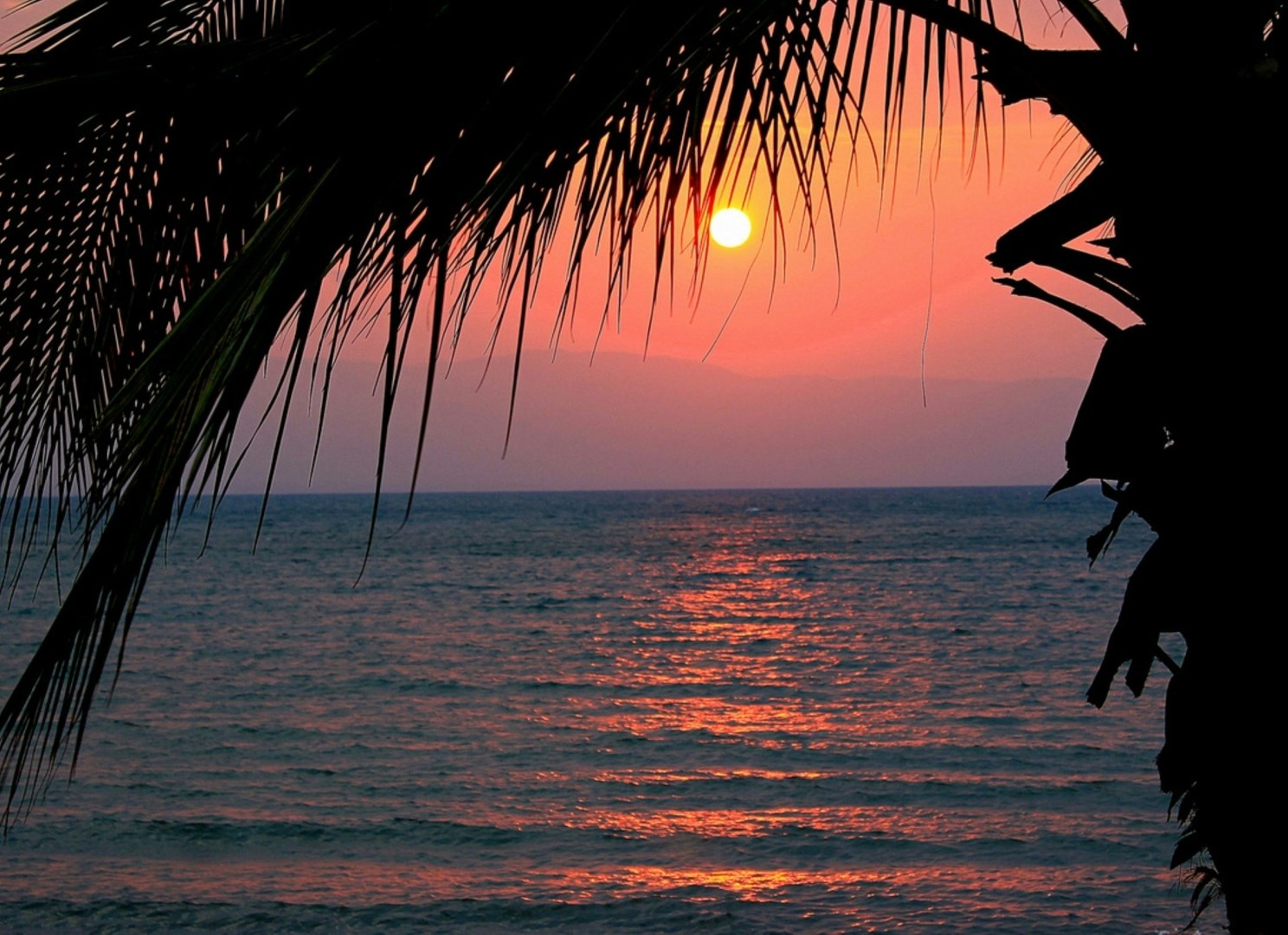
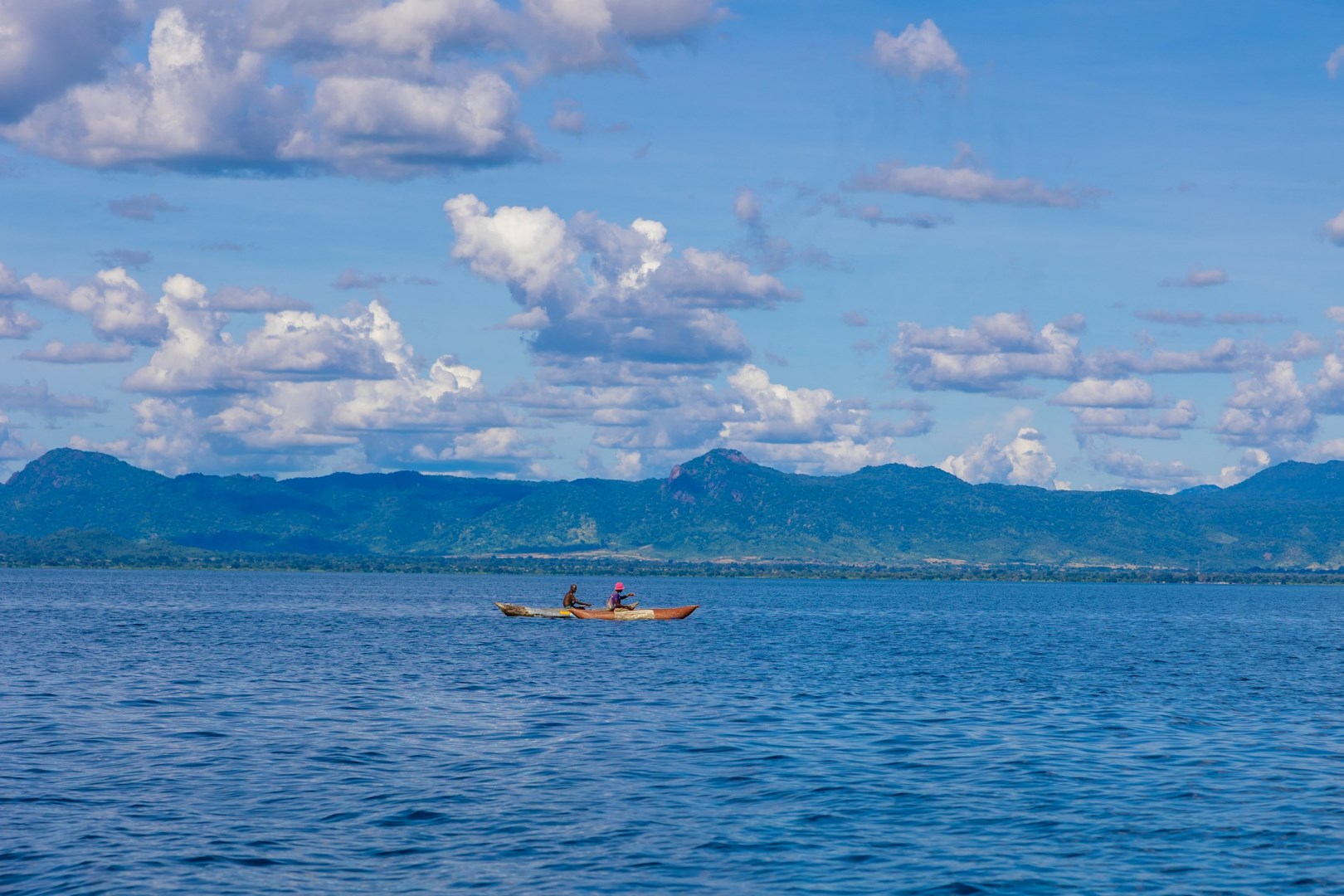
Lake Malawi - The Lake of Stars - is an immense inland sea of fresh, crystal clear water in which tropical fish abound. Its shores and the deserted islands which dot its surface are home to a variety of game and an abundance of exotic birdlife. Local fishermen leisurely paddle their traditional "mokoros", or dugouts, across its expanse, and the sun drenched serenity is but enhanced by the shriek of a Fish Eagle or the grunting of distant hippo.
Lake Malawi is one of a series of lakes in Africa's Rift Valley. It is the ninth largest lake in the world, with a surface area of about 30,000 square km, a length of about 580 km, and is approximately 704 meters deep. Lake Malawi has a very diverse bottom, ranging from rocky, to sandy, to heavily planted areas. As with Lake Tanganyika, the lower layers of the lake are completely devoid of oxygen and uninhabitable by fish. It was reported in "African Cichlids of Lakes Malawi and
Tanganyika-12th Ed." that there are 225 known species of cichlids in the lake, with 40+ species of non-cichlids. Lake Malawi's fish population is a prime food source for many Malawi inhabitants. Lake Malawi National Park, opened in 1980 near Monkey Bay, was put in place to protect the many cichlid species of the lake from extinction due to over-fishing and
collection for export.
Other Popular Destinations in Malawi
Lilongwe
Lilongwe, the capital of Malawi, blends modern development with a laid-back atmosphere, offering visitors an introduction to the country’s culture and daily life. Markets are at the heart of Lilongwe’s character, with the bustling Old Town Market standing out as a must-visit. Here, traders sell everything from fresh produce and local crafts to colorful fabrics and handmade goods.
Zomba
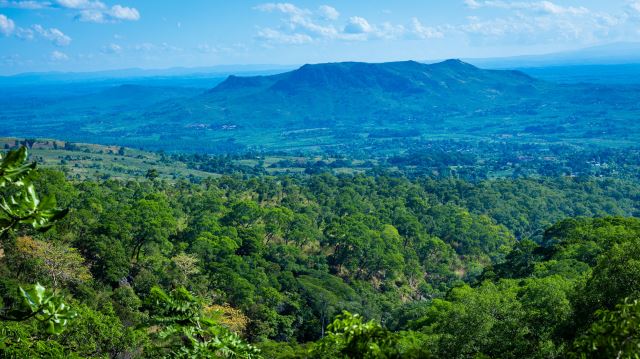
Zomba is a city in southern Malawi situated at the foot of the Zomba Plateau, a large mountain massif rising above the surrounding Shire Highlands. The city is known for its tree-lined streets, cooler climate, and access to forested mountain landscapes. Zomba Plateau dominates the local scenery, with steep slopes, streams, waterfalls, and broad viewpoints overlooking the plains below.