Braga
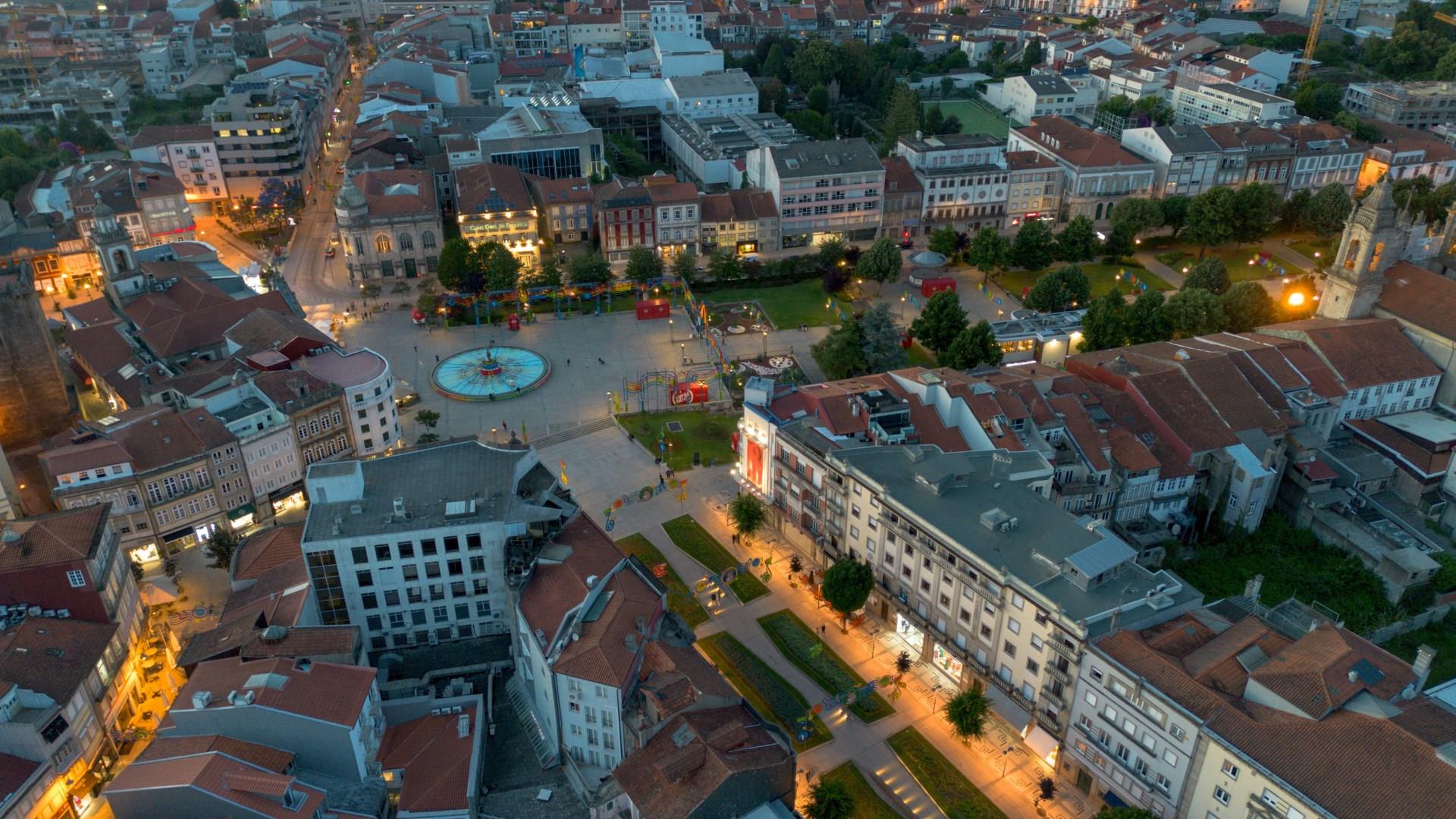
Braga, one of Portugal’s oldest and most vibrant cities, blends deep religious heritage with a youthful, energetic spirit. Founded over two millennia ago by the Romans as Bracara Augusta, the city has long been a center of faith and culture, earning it the nickname “the Rome of Portugal.”

Micronesia
Micronesia, officially the Federated States of Micronesia (FSM), is made up of more than 600 islands scattered across the western Pacific Ocean. Each of its four states (Yap, Chuuk, Pohnpei, and Kosrae) offers travelers something distinctly different. Ancient stone ruins, sapphire lagoons, volcanic peaks, and remote island communities all tell a story of resilience, connection, and seafaring heritage.
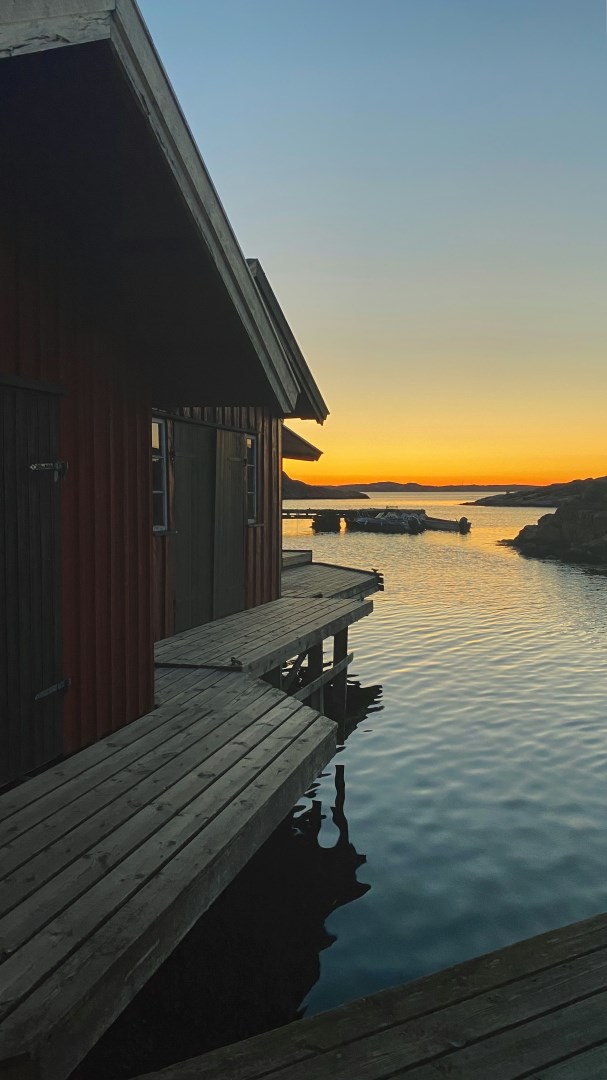
Lysekil
Lysekil is a coastal town in Västra Götaland County on Sweden’s western coast, situated at the edge of the Gullmarsfjorden and surrounded by the rocky landscape of Bohuslän. The town has a long connection with fishing, shipping, and maritime trade, while its waterfront remains active with boats, ferries, restaurants, and small harbors. Granite outcrops are a defining feature of the surrounding landscape, creating a rugged shoreline of cliffs, islands, and sheltered coves.
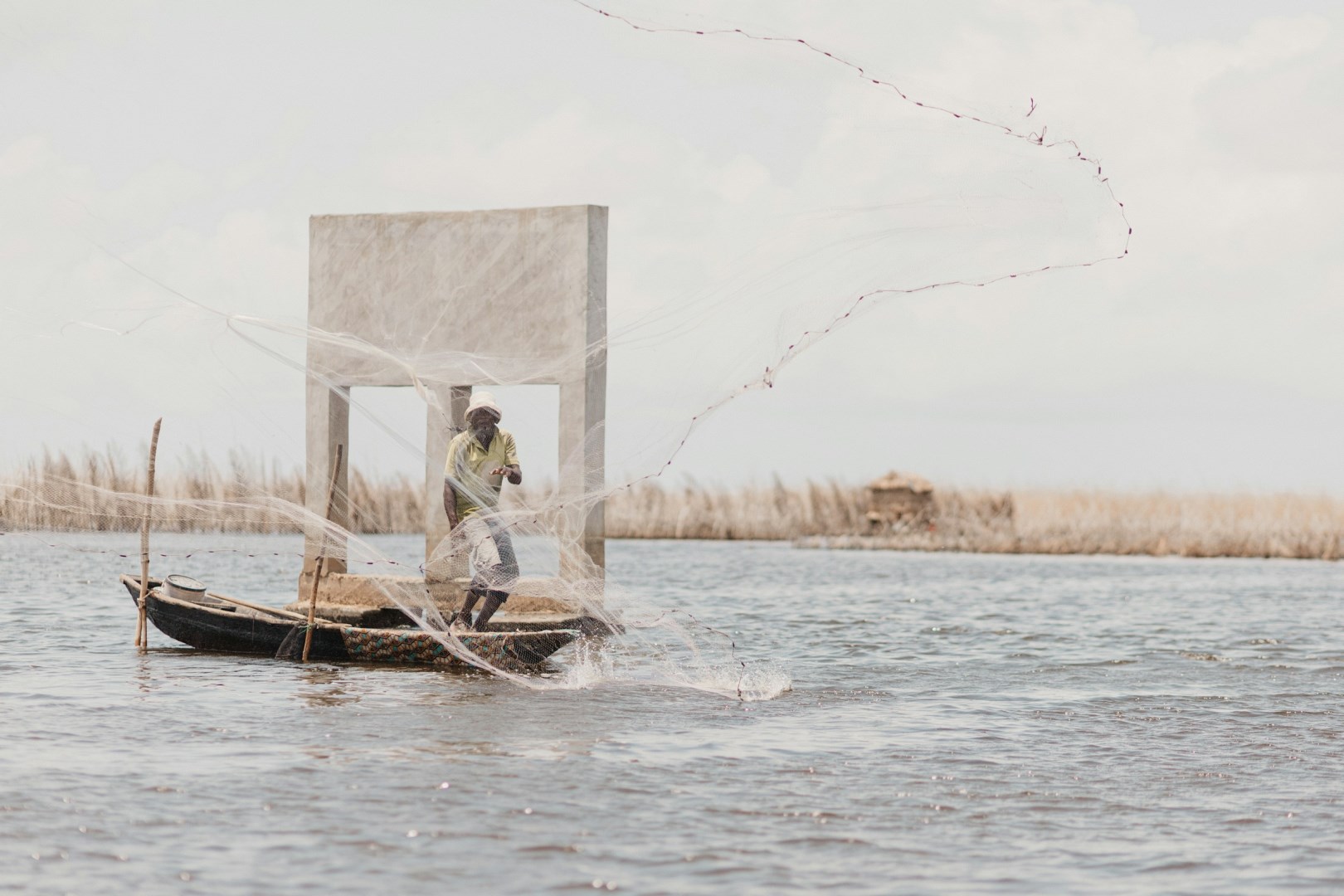
Cotonou
Cotonou, the Center de Promotion de l'Artisant is a lively spot where you can bargain for everything thats produced in Cotonou.
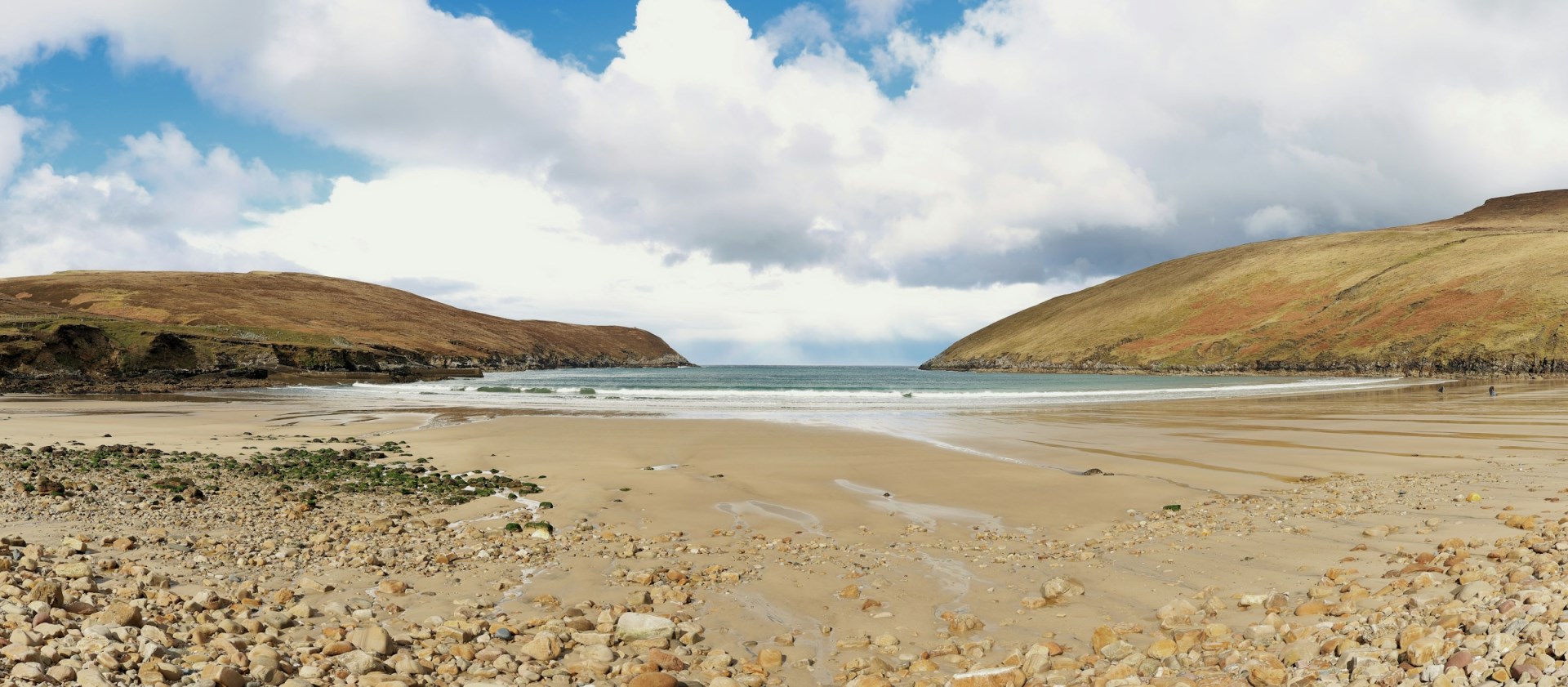
County Mayo
Mayo, located in the west of Ireland, is a region that encapsulates the natural beauty and historical depth of the Emerald Isle. Dominated by rugged landscapes and rolling hills, Mayo is a haven for those who love the great outdoors. The Croagh Patrick, Ireland's holy mountain, stands as a prominent feature, drawing pilgrims and hikers alike to its challenging ascent and breathtaking views.