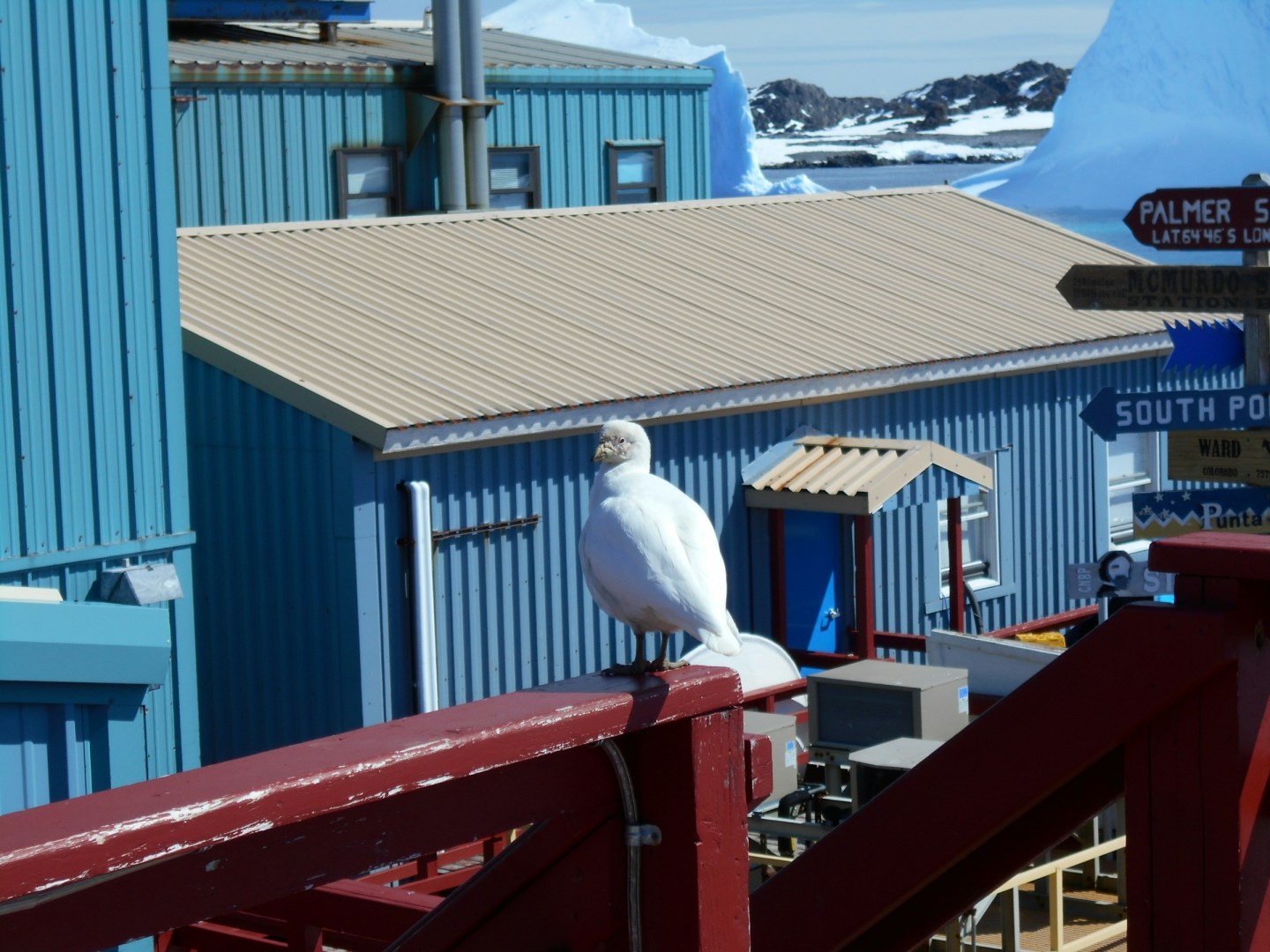
Palmer Station
The waters and shores around Palmer Island support characteristic Antarctic wildlife. Penguins, seals, and seabirds inhabit the wider archipelago, while whales may pass through the channels during periods when sea ice permits access. The surrounding landscape features steep mountain faces, glaciers, rocky islands, and narrow passages that create constantly changing views from the water.
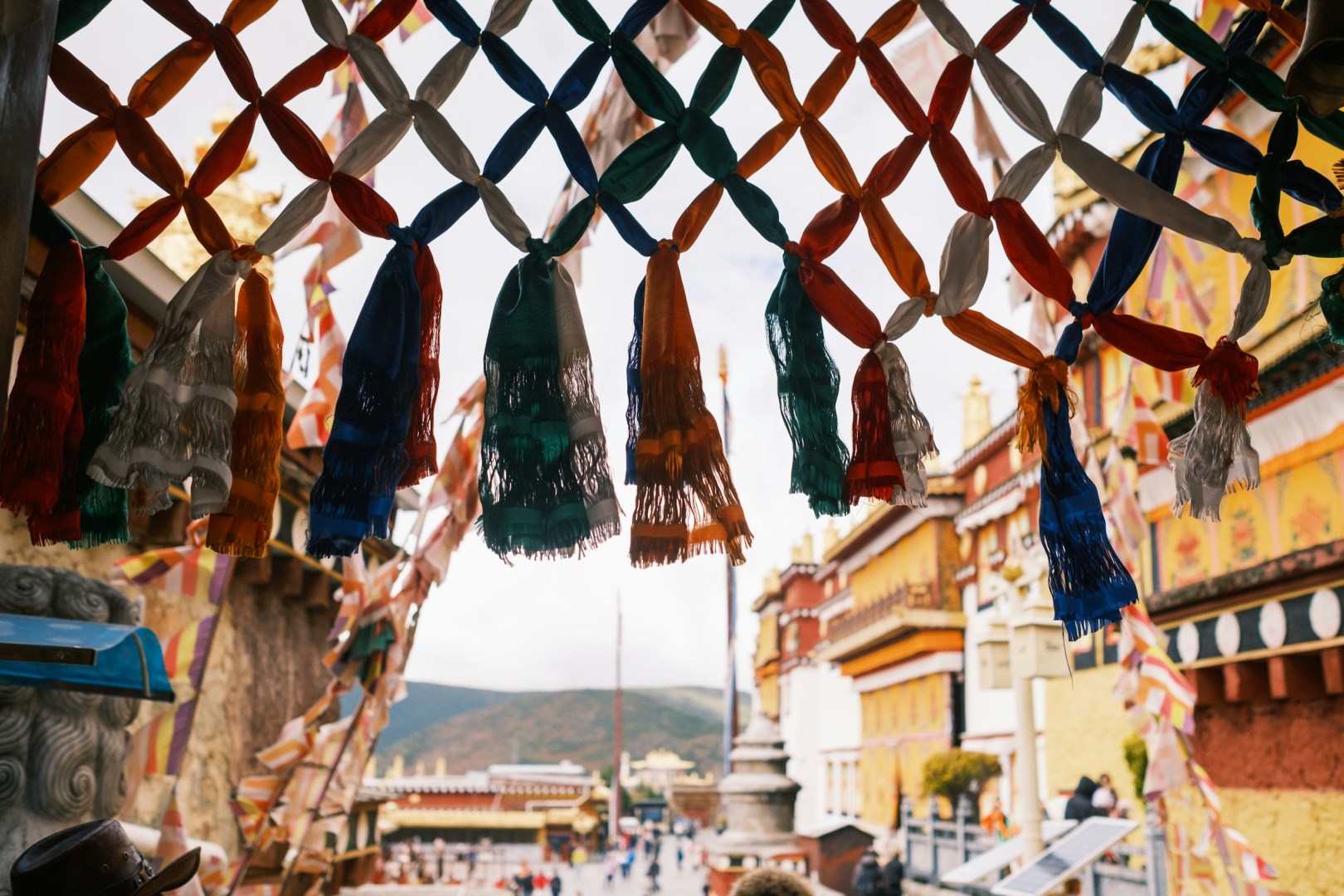
Shangri-La City
Shangri-La City, formerly known as Zhongdian, was renamed after the fictional paradise of James Hilton's "Lost Horizon" in an effort to promote tourism in 2001. Located in northwestern Yunnan province, Shangri-La is commonly used as a gateway into Tibet.

Dominica
Dominica, known as the “Nature Island of the Caribbean,” is a haven for eco-tourists and adventure seekers. Nestled between the French islands of Guadeloupe and Martinique, this lush island boasts a remarkable landscape of volcanic mountains, dense rainforests, and stunning waterfalls. Dominica’s most iconic natural wonder is the Boiling Lake, the second-largest hot spring in the world.

Bay of Kotor
Enclosed by mountains, the Bay of Kotor is dotted with historic towns, medieval fortifications, and centuries-old churches, making it a must-visit location for travelers looking to explore a unique coastal landscape.
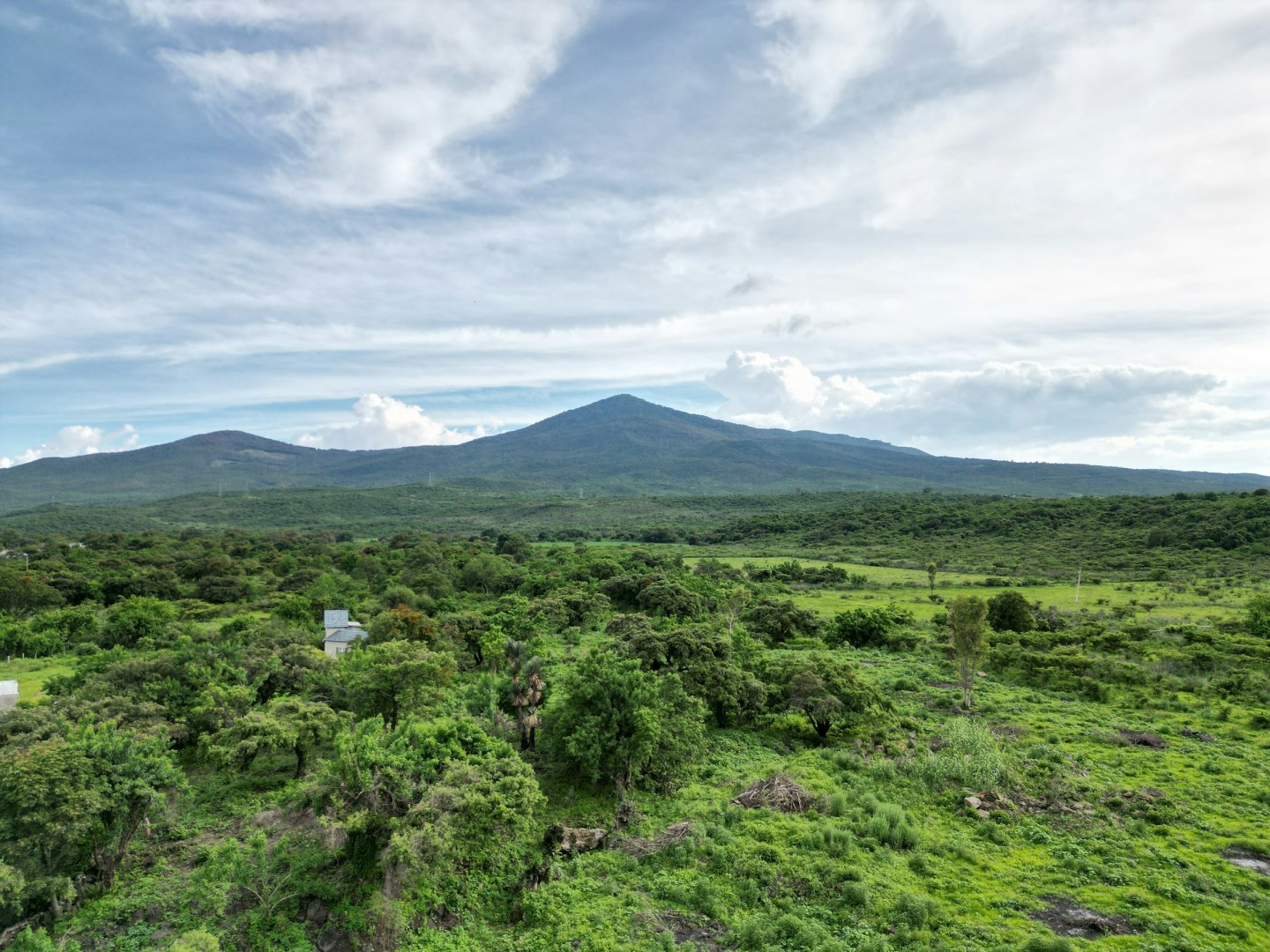
Michoacán de Ocampo
Western Mexico state on the Pacific coast that is a major producer of avocados. Morelia serves as its capital city.