Durango
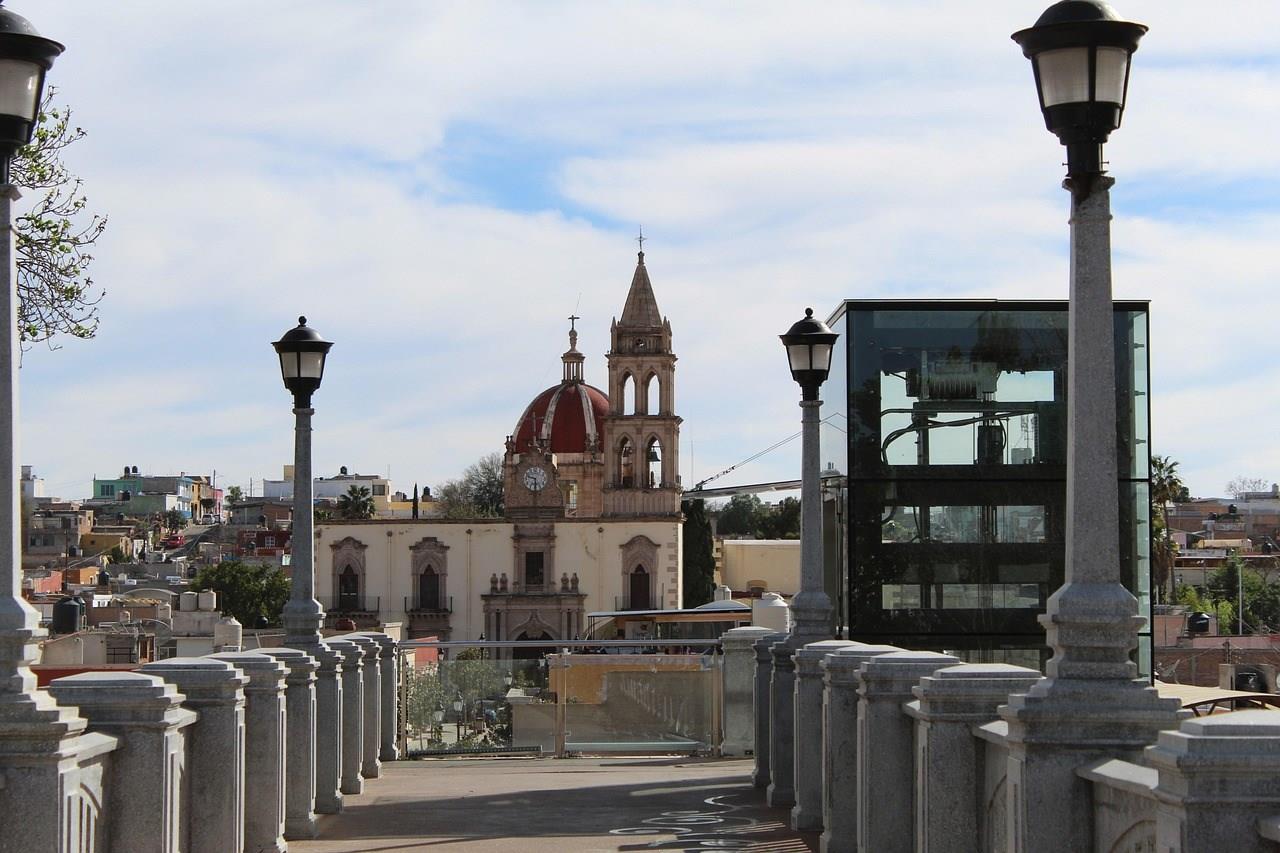
Victoria de Durango rises on a high plateau Mexico’s Sierra Madre Occidental, founded in 1563 by Francisco de Ibarra. Its streets trace layers of history: the historic center holds the most listed buildings in northern Mexico and remains a notable stop on the Camino Real de Tierra Adentro, now a UNESCO World Heritage route.
Sisimiut
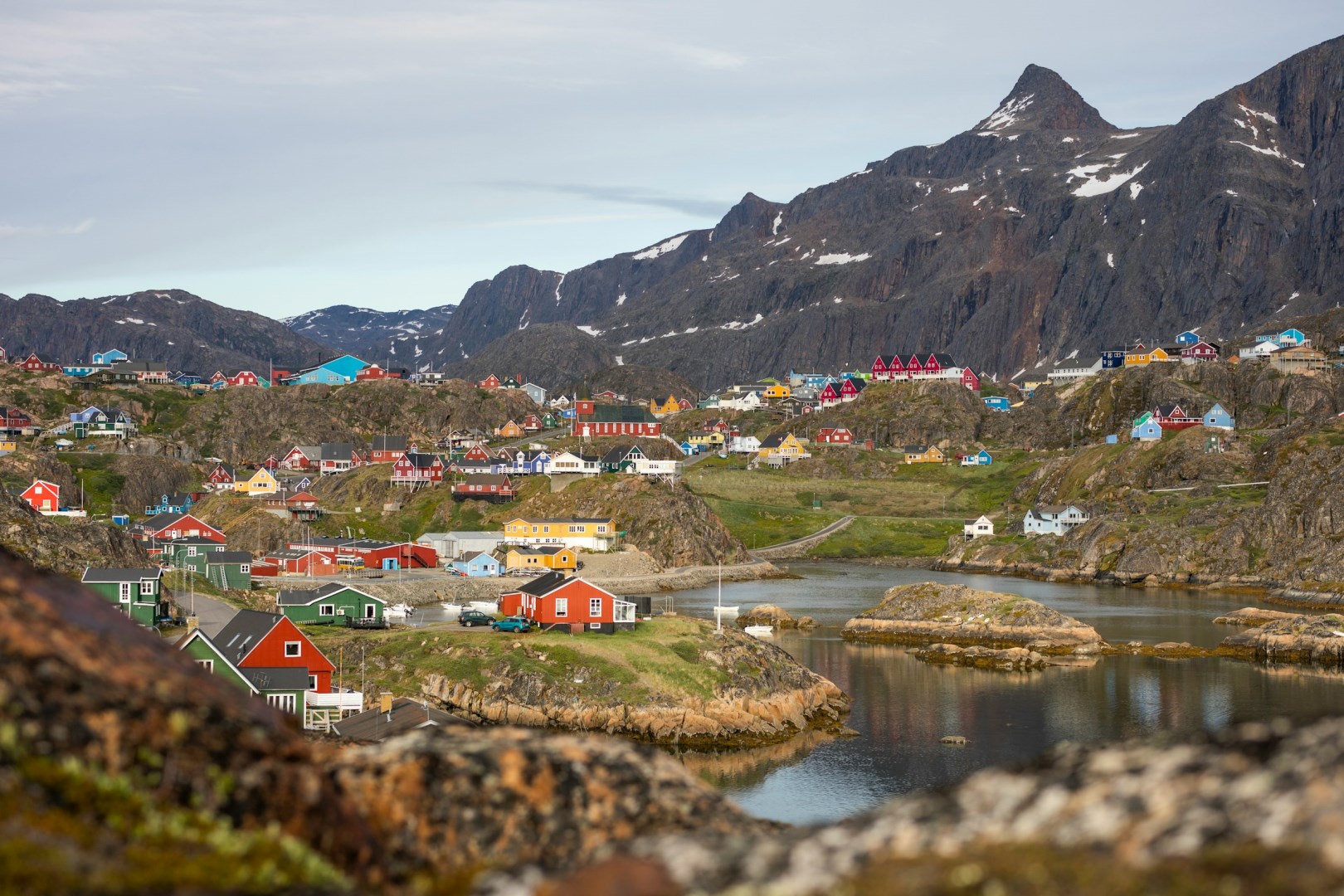
Sisimiut, Greenland's second-largest city, offers a captivating glimpse into Arctic life and stunning natural beauty. Nestled on the shores of the Davis Strait, Sisimiut is renowned for its striking landscapes and rich cultural heritage.

Abruzzo
Abruzzo, a hidden gem in central Italy, offers travelers a captivating blend of medieval history, stunning natural landscapes, and authentic Italian charm. Known as "the greenest region in Europe," Abruzzo is home to three national parks, including Gran Sasso e Monti della Laga, which features some of the highest peaks in the Apennines.

Ottawa
Ottawa, the charming capital of Canada, offers a unique blend of history, culture, and modernity. Nestled along the scenic Ottawa River, the city is home to the iconic Parliament Hill, where the Gothic Revival architecture of the Parliament Buildings stands majestically above the riverbanks. Visitors can witness the ceremonial Changing of the Guard in the summer or explore the Peace Tower for panoramic views of the city.
Rennes
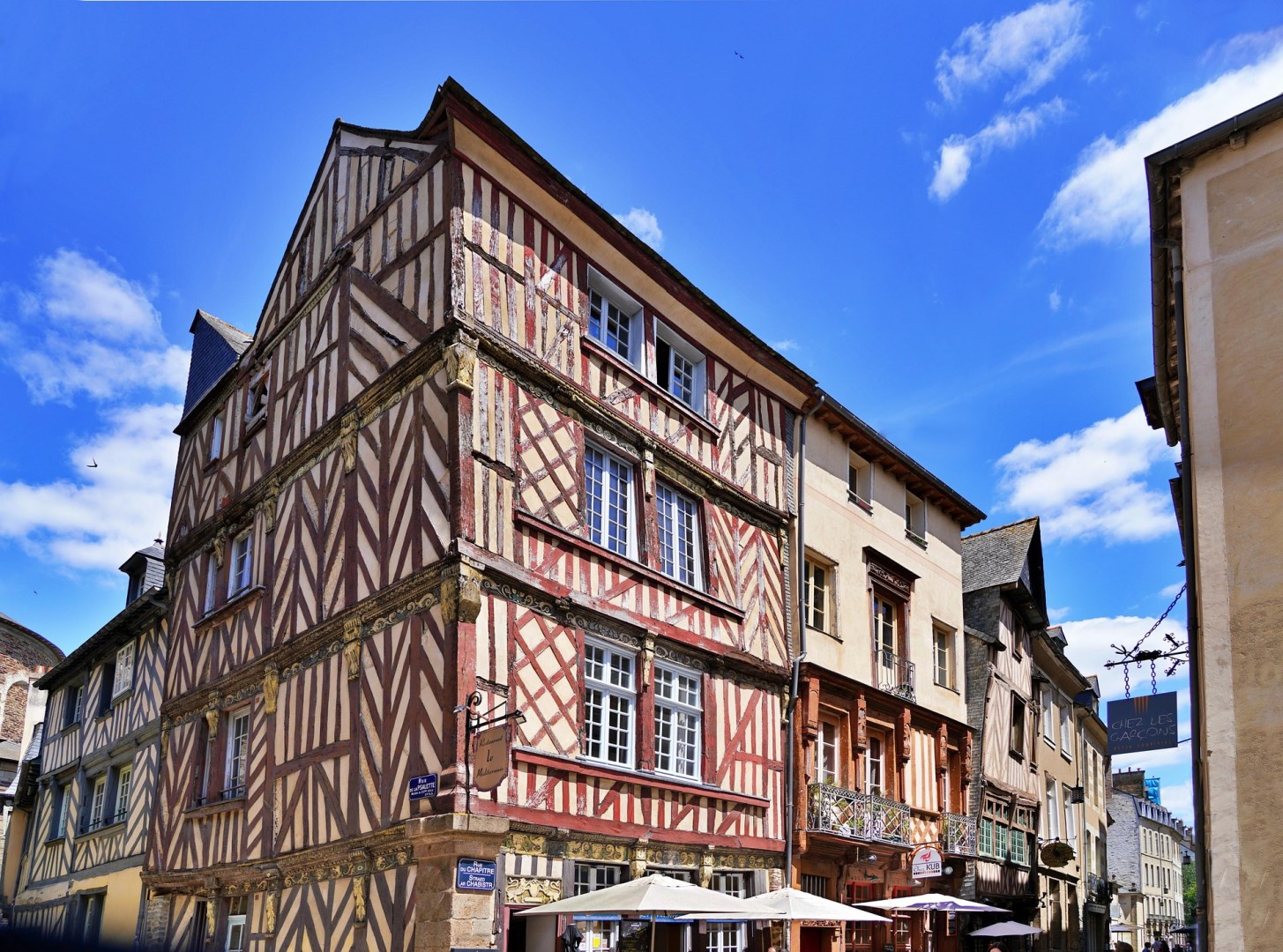
Ancient capital of Brittany, it was nearly destroyed by fire in 1720. Today it is known as an intellectural center with its famous Rennes University.